
Securing a home loan is one of the most significant financial commitments many individuals will make in their lifetime. At the heart of this decision lies the interest rate – a critical factor that dictates the total cost of borrowing and significantly impacts monthly payments. Understanding what interest rates are, how they are determined, and what influences their fluctuations is paramount for any prospective or current homeowner. This comprehensive guide delves into the intricate world of home loan interest rates, equipping you with the knowledge to navigate this complex financial landscape effectively.

Understanding the Fundamentals of Home Loan Interest Rates
The journey to homeownership often begins with deciphering the language of lending. Before exploring the nuances, it’s essential to grasp the fundamental concept of what a home loan interest rate represents and why it holds such sway over your financial future.
What is a Home Loan Interest Rate?
In simplest terms, a home loan interest rate is the cost you pay to borrow money from a lender to purchase a property. Expressed as a percentage of the principal loan amount, it represents the lender’s profit for extending the credit and the compensation for the risk they undertake. This rate is added to your principal repayment, determining the total amount you will pay back over the loan’s term. It’s crucial to distinguish between the nominal interest rate and the Annual Percentage Rate (APR). While the interest rate focuses solely on the cost of borrowing, the APR provides a more holistic view, incorporating not only the interest rate but also other fees and charges associated with the loan, such as origination fees, discount points, and some closing costs. Therefore, APR often offers a more accurate picture of the true cost of a loan over its lifetime.
Why Interest Rates Matter for Homebuyers
The impact of interest rates on homebuyers cannot be overstated. Even a seemingly small difference in percentage points can translate into tens of thousands of dollars over a 15-year or 30-year mortgage term. A lower interest rate means lower monthly payments, which enhances affordability and frees up discretionary income. Conversely, a higher rate can stretch budgets thin, potentially pushing desired homes out of reach or forcing buyers to consider less expensive properties. Beyond monthly affordability, interest rates also influence the aggregate wealth accumulation. Lower rates mean a larger portion of your monthly payment goes towards reducing the principal, building equity faster. They also play a significant role in determining the overall demand for housing. When rates are low, borrowing becomes cheaper, stimulating demand and potentially driving up home prices. High rates tend to cool the market, as fewer buyers can afford the increased cost of financing.
Key Factors Influencing Home Loan Interest Rates
Home loan interest rates are not static figures; they are dynamic, influenced by a confluence of economic, market, and individual factors. Understanding these drivers is key to anticipating market movements and making informed decisions.
Macroeconomic Forces: Federal Reserve Policy and Inflation
At the highest level, global and national economic conditions exert significant influence. The Federal Reserve’s monetary policy, particularly its setting of the federal funds rate, is a primary determinant. While the federal funds rate isn’t directly the rate banks charge for mortgages, it influences the broader cost of money in the economy. When the Fed raises rates to combat inflation, borrowing becomes more expensive across the board, including for mortgages. Conversely, when the Fed lowers rates to stimulate economic growth, mortgage rates tend to follow suit. Inflation is another critical factor. Lenders anticipate that money repaid in the future will have less purchasing power if inflation is high, so they charge higher interest rates to compensate for this expected erosion of value. Economic stability, employment rates, and global events also contribute to the overall economic sentiment that shapes lending rates.
Lender-Specific Criteria: Risk Assessment and Profit Margins
Individual lenders have their own set of criteria and business models that affect the rates they offer. Each bank or mortgage company assesses the risk associated with lending to a particular borrower and for a specific property. This assessment includes factors like the lender’s cost of funds, their operating expenses, and their desired profit margins. Different lenders also have varying appetites for risk, which can lead to discrepancies in their offerings. For instance, a lender specializing in borrowers with excellent credit might offer highly competitive rates to attract that segment, while another might cater to a broader market with slightly higher rates but more flexible terms. The competitive landscape among lenders also plays a role; in a highly competitive market, lenders may lower rates to attract customers, while in a less competitive environment, they might maintain higher margins.
Borrower-Specific Attributes: Credit Score, DTI, and Down Payment
While macroeconomic factors set the stage, your personal financial profile largely determines the specific rate you qualify for. Your credit score is arguably the most crucial individual factor. A higher credit score (typically above 740-760) signals to lenders that you are a responsible borrower with a history of timely payments, thus posing a lower risk. Borrowers with excellent credit often receive the lowest available rates. Conversely, a lower credit score indicates higher risk, resulting in higher interest rates.
Your debt-to-income (DTI) ratio is another critical metric. This ratio compares your total monthly debt payments (including the prospective mortgage) to your gross monthly income. A lower DTI (ideally below 36-43%) suggests you can comfortably manage additional debt, making you a less risky borrower.
Finally, your down payment significantly influences the loan-to-value (LTV) ratio. A larger down payment means you’re borrowing less relative to the home’s value, reducing the lender’s exposure to risk. Lenders typically offer more attractive rates for lower LTV loans, as they have more equity as collateral. A down payment of 20% or more also often allows you to avoid private mortgage insurance (PMI), which adds to your monthly cost.
Loan Product Variations: Fixed vs. Adjustable and Loan Term
The type of mortgage product you choose also directly impacts the interest rate. Fixed-rate mortgages (FRMs), where the interest rate remains constant for the entire loan term, offer predictability and stability in monthly payments. The initial rate for FRMs is generally higher than the initial rate for adjustable-rate mortgages when interest rates are low, reflecting the lender’s need to lock in a profit margin for an extended period.
Adjustable-rate mortgages (ARMs), on the other hand, feature an interest rate that changes periodically based on an index (like LIBOR or SOFR) plus a margin. ARMs typically start with a lower interest rate for an initial fixed period (e.g., 5, 7, or 10 years) before adjusting annually. This initial lower rate can be attractive but introduces the risk of increased payments if rates rise.
The loan term also plays a role. Shorter-term loans (e.g., 15-year mortgages) generally come with lower interest rates than longer-term loans (e.g., 30-year mortgages). This is because lenders are exposed to less risk over a shorter period, and the overall interest paid over the life of the loan is significantly less. However, shorter terms result in higher monthly payments.
Navigating Different Types of Home Loan Interest Rates
Understanding the core differences between fixed and adjustable rates is crucial for aligning your mortgage choice with your financial stability and risk tolerance.
Fixed-Rate Mortgages: Predictability and Stability
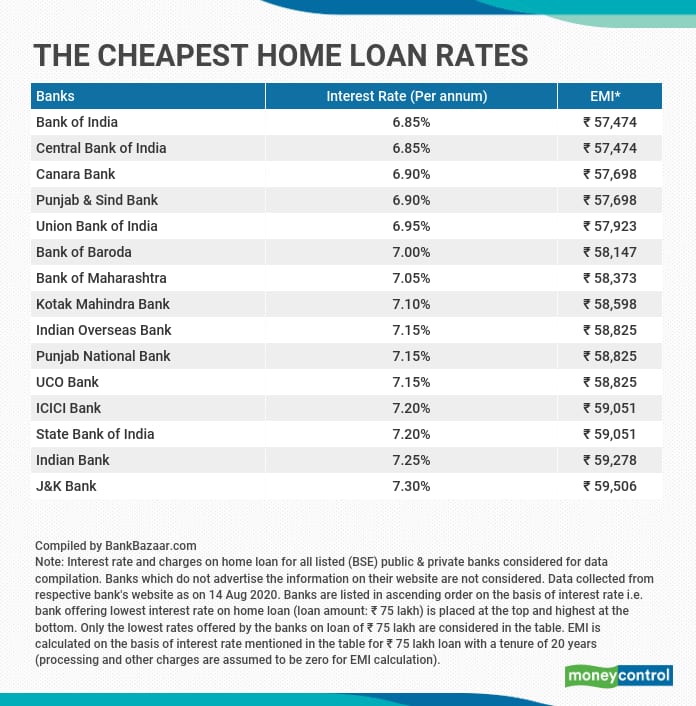
A fixed-rate mortgage is the most common and often preferred choice for homebuyers seeking financial security. With an FRM, your interest rate remains unchanged for the entire duration of the loan, typically 15 or 30 years. This means your principal and interest payment will be the same every month, providing unparalleled predictability for budgeting. This stability is a significant advantage, particularly in times of rising interest rates, as your payments are insulated from market fluctuations. While the initial interest rate might be slightly higher than an introductory ARM rate, the peace of mind derived from knowing your housing cost won’t change is invaluable for many homeowners. It eliminates the uncertainty and potential stress associated with rate adjustments.
Adjustable-Rate Mortgages (ARMs): Flexibility and Potential Volatility
Adjustable-rate mortgages offer a different approach, designed to provide an initial period of lower interest payments. ARMs typically feature a fixed interest rate for an initial period (e.g., 3, 5, 7, or 10 years), after which the rate adjusts periodically (usually once a year) based on a benchmark index plus a fixed margin set by the lender. The initial lower rate can make ARMs attractive for borrowers who anticipate moving before the fixed period ends, or those who expect their income to increase significantly, making future higher payments manageable. However, the primary risk of an ARM is the potential for substantial payment increases if market interest rates rise. While most ARMs come with caps (limits on how much the rate can increase in a given period and over the life of the loan), the uncertainty can be a significant concern for long-term homeowners.
Hybrid ARMs: Blending Stability with Future Adaptability
Hybrid ARMs, such as a 5/1 ARM or a 7/1 ARM, aim to combine the best features of both fixed-rate and adjustable-rate mortgages. The first number in a hybrid ARM (e.g., ‘5’ in 5/1 ARM) indicates the number of years the initial interest rate is fixed. The second number (‘1’ in 5/1 ARM) indicates how frequently the interest rate will adjust after the initial fixed period (in this case, annually). This structure allows borrowers to lock in a lower rate for several years, offering a period of stable payments, before the loan converts to an annually adjusting rate. Hybrid ARMs can be a strategic choice for buyers who want a lower initial payment than a traditional FRM but desire more stability than a pure ARM. They are often suitable for individuals who plan to sell or refinance before the fixed period expires, or those confident in their ability to handle potential rate adjustments down the line.
Strategies for Securing the Most Favorable Home Loan Rates
Attaining the lowest possible interest rate requires more than just luck; it involves meticulous planning, diligent research, and strategic action. Here’s how you can position yourself for success.
Bolstering Your Financial Profile
Your financial health is paramount in attracting competitive rates. The primary areas to focus on are your credit score, debt-to-income ratio, and savings for a down payment. Begin by reviewing your credit reports from all three major bureaus (Experian, Equifax, TransUnion) to identify and correct any errors. Make timely payments on all your debts, reduce credit card balances, and avoid opening new lines of credit before applying for a mortgage. Work to lower your DTI by paying off high-interest debts or increasing your income. Saving for a substantial down payment not only reduces the amount you need to borrow but also signals financial discipline to lenders, potentially leading to a lower LTV and a better interest rate. The goal is to present yourself as a low-risk borrower.
The Power of Comparison Shopping
Never settle for the first offer you receive. Interest rates can vary significantly from one lender to another, sometimes by half a percentage point or more, even for the same borrower profile. Apply for pre-approval with multiple lenders – including large banks, credit unions, and online mortgage brokers. Each lender uses slightly different underwriting criteria and has varying pricing models. When comparing offers, look beyond just the interest rate; consider the APR, which includes fees, to get a true comparison of the loan’s overall cost. Gather Loan Estimates from each lender, which standardize the presentation of loan terms and costs, making it easier to compare apples to apples. This diligent comparison shopping can save you thousands over the life of the loan.
Negotiating with Lenders
Once you have multiple offers, you are in a stronger position to negotiate. If one lender offers a slightly better rate or lower fees, you can leverage that information with another preferred lender to see if they can match or beat it. Don’t be afraid to ask for specific reductions in fees, such as origination fees or processing fees. Remember, lenders are competing for your business. Be prepared to articulate your strong financial position and your commitment to securing the best terms. While lenders may not always budge on the interest rate itself, they might be willing to waive or reduce certain closing costs, which effectively lowers your overall expense.
Understanding the Impact of Discount Points and Closing Costs
Beyond the raw interest rate, several other financial components influence the true cost of your loan. Discount points are an upfront fee paid to the lender at closing in exchange for a lower interest rate over the life of the loan. One point typically costs 1% of the loan amount. You need to calculate the break-even point to determine if buying down the rate is financially beneficial for your anticipated homeownership duration. For example, if paying $3,000 for one point saves you $50 per month, it would take 60 months (5 years) to recoup the cost. If you plan to stay in the home longer than 5 years, it might be a wise investment.
Closing costs encompass a variety of fees charged by lenders and third parties at the close of the transaction. These can include appraisal fees, title insurance, recording fees, and attorney fees, typically ranging from 2% to 5% of the loan amount. While separate from the interest rate, they significantly add to the upfront cost of buying a home. Some lenders may offer “no-closing-cost” loans, but this usually means a slightly higher interest rate to cover those fees. Understanding and comparing these costs alongside interest rates is crucial for a complete financial picture.
The Long-Term Impact and Future Outlook
The interest rate on your home loan is a decision with reverberations that extend far into your financial future. Considering its long-term impact and staying informed about market trends are essential aspects of sound financial planning.
Interest Rates and Overall Loan Affordability
The most profound long-term impact of interest rates lies in overall loan affordability. A lower interest rate translates directly to a lower total cost of the loan over its entire term. For instance, on a $300,000, 30-year fixed-rate mortgage, a difference of just one percentage point (e.g., 6.0% vs. 7.0%) can mean paying over $60,000 more in interest over the life of the loan. This substantial difference can impact your ability to save for retirement, invest, or fund other major life goals. Higher interest rates not only increase your monthly payments but also slow down your equity accumulation, as a larger portion of early payments goes towards interest rather than principal reduction. Therefore, securing the lowest sustainable rate possible is a cornerstone of maximizing your financial well-being as a homeowner.
Refinancing as a Strategy for Rate Optimization
For existing homeowners, the interest rate landscape isn’t static. Market conditions can shift, and rates may drop significantly below what you initially locked in. This presents an opportunity for refinancing. Refinancing involves taking out a new loan to pay off your old mortgage, ideally at a lower interest rate, or to change the loan term. It can also be used to convert an ARM to a fixed-rate mortgage for greater stability. The decision to refinance should be carefully considered, as it involves new closing costs similar to those of your original loan. You need to calculate the break-even point for the new loan to ensure the savings from the lower interest rate will outweigh the refinancing costs within your anticipated homeownership timeframe. Refinancing can be a powerful tool to reduce monthly payments, save substantial money over the long term, or adjust your financial strategy to current market conditions.

Staying Informed in a Dynamic Market
The mortgage market is inherently dynamic, influenced by a constant stream of economic data, geopolitical events, and shifts in monetary policy. Staying informed is crucial, whether you are a prospective buyer or an existing homeowner. Regularly monitor economic news, Federal Reserve announcements, and forecasts from reputable financial institutions. Subscribe to financial news outlets and consult with trusted mortgage professionals who can provide insights into current trends and future outlooks. While no one can predict interest rate movements with absolute certainty, being well-informed allows you to make more timely and strategic decisions – whether it’s timing your home purchase, locking in a rate, or considering a refinance. Proactive engagement with market information empowers you to protect and optimize one of your most significant financial assets.
Understanding home loan interest rates is more than just knowing a number; it’s about grasping the mechanics, influencing factors, and strategic choices that shape your financial future. By diligently preparing, comparison shopping, and staying informed, you can navigate the complexities of home financing and secure terms that align with your long-term financial goals.
aViewFromTheCave is a participant in the Amazon Services LLC Associates Program, an affiliate advertising program designed to provide a means for sites to earn advertising fees by advertising and linking to Amazon.com. Amazon, the Amazon logo, AmazonSupply, and the AmazonSupply logo are trademarks of Amazon.com, Inc. or its affiliates. As an Amazon Associate we earn affiliate commissions from qualifying purchases.