
Understanding the current mortgage loan rate is a pivotal step for anyone looking to buy a home, refinance an existing mortgage, or simply stay informed about the health of the housing market. These rates are not static; they are dynamic, influenced by a myriad of economic factors, global events, and lender-specific policies. For many, a mortgage represents the largest financial commitment of their lives, making even a small fluctuation in the interest rate potentially impactful over the loan’s lifetime. This article delves into the intricacies of current mortgage rates, how they’re determined, strategies for securing the best available terms, and what to expect in the broader economic landscape.
Understanding Today’s Mortgage Landscape
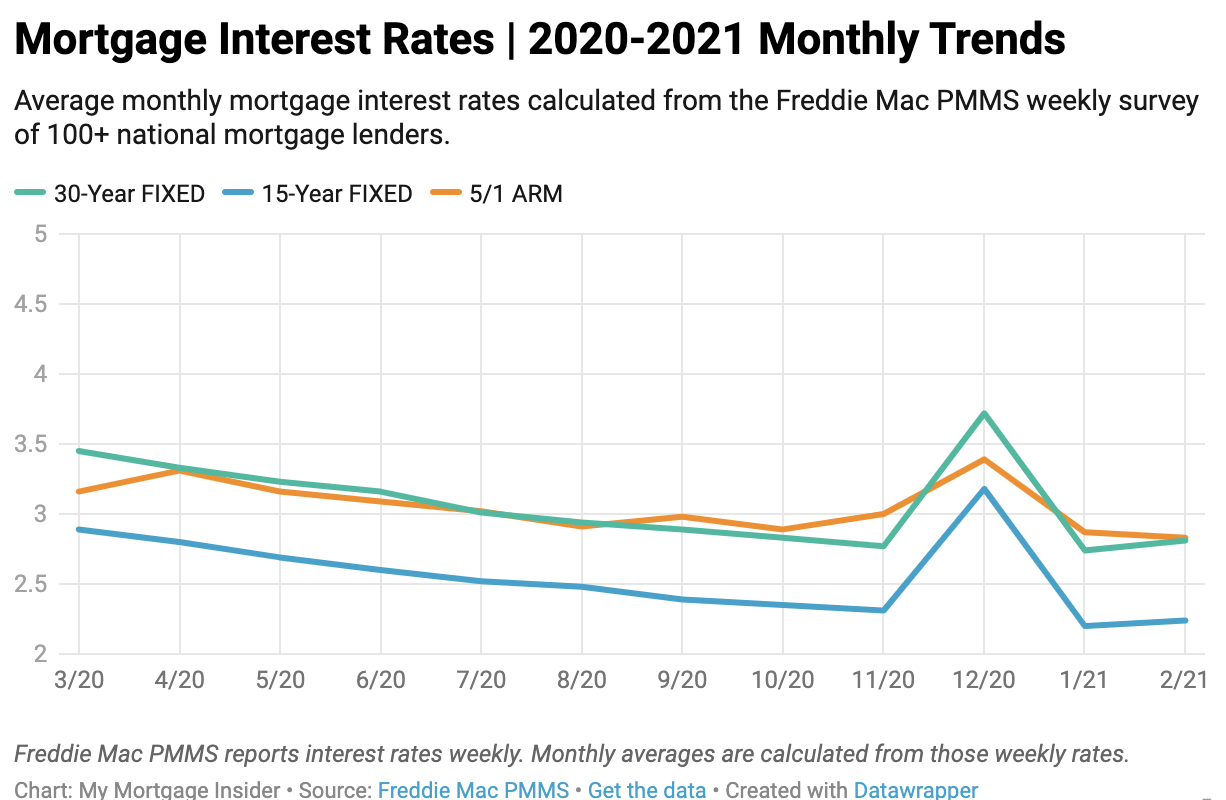
The question “what is the current mortgage loan rate?” is deceptively simple. The reality is there isn’t a single, universal “current rate” that applies to everyone. Instead, rates are a moving target, varying hourly, daily, and weekly, depending on numerous variables. Furthermore, the rate you personally qualify for will differ from someone else’s, even on the same day.
The Dynamic Nature of Mortgage Rates
Mortgage rates are a product of supply and demand in the financial markets, much like any other commodity. They are influenced by the bond market, specifically the yield on U.S. Treasury bonds, particularly the 10-year Treasury note. When bond yields rise, mortgage rates generally follow suit, and vice-versa. This constant interplay means that what was considered a good rate yesterday might be different today. Lenders adjust their offerings in real-time to reflect these market shifts, as well as their own operational costs, risk assessments, and profit margins. Homebuyers and refinancers need to be agile and well-informed to capitalize on favorable market conditions.
Key Factors Influencing Rates
Beyond the broader economic forces, several individual factors play a significant role in determining the specific mortgage rate offered to a borrower:
- Credit Score: A strong credit score (typically FICO scores above 740) signals to lenders that you are a responsible borrower with a history of timely payments, reducing their perceived risk. Borrowers with excellent credit generally qualify for the lowest rates.
- Loan-to-Value (LTV) Ratio: This ratio compares the amount of the loan to the appraised value of the home. A lower LTV (meaning a larger down payment) indicates less risk for the lender and can result in a better rate.
- Debt-to-Income (DTI) Ratio: Your DTI ratio measures your monthly debt payments against your gross monthly income. A lower DTI (ideally below 36%) demonstrates your ability to manage additional debt, making you a more attractive borrower.
- Loan Type: Different mortgage products, such as fixed-rate, adjustable-rate, FHA, VA, or jumbo loans, carry different risk profiles and, consequently, different interest rates.
- Loan Term: Shorter loan terms (e.g., 15-year mortgages) typically have lower interest rates than longer terms (e.g., 30-year mortgages), though the monthly payments will be higher due to the compressed repayment schedule.
- Market Conditions: Broader economic indicators like inflation, unemployment rates, and monetary policy set by the Federal Reserve (e.g., the federal funds rate) profoundly impact mortgage rates.
- Lender-Specific Pricing: Each lender has its own pricing models, overhead costs, and competitive strategies, leading to variations in rates offered for the same borrower profile.
Navigating Different Mortgage Products
The type of mortgage you choose will fundamentally shape your monthly payments and overall financial commitment. Understanding the common options is crucial for making an informed decision that aligns with your financial goals and risk tolerance.
Fixed-Rate Mortgages: Stability in an Uncertain Market
A fixed-rate mortgage is perhaps the most straightforward and popular option. With this type of loan, your interest rate remains constant for the entire duration of the loan term, typically 15 or 30 years. This consistency means your principal and interest payment will not change, providing predictable monthly housing costs. This stability is highly valued, especially in volatile economic environments, as it protects borrowers from potential rate hikes in the future. While the initial rate might be slightly higher than an adjustable-rate mortgage, the long-term predictability often outweighs this difference for many homeowners.
Adjustable-Rate Mortgages (ARMs): Balancing Risk and Reward
Adjustable-Rate Mortgages (ARMs) offer a different risk-reward profile. These loans typically start with a fixed interest rate for an initial period (e.g., 3, 5, 7, or 10 years), after which the rate adjusts periodically, usually annually, based on a specific market index. ARMs can be attractive for borrowers who plan to sell or refinance before the fixed-rate period ends, or for those who anticipate a significant increase in their income. The initial interest rate on an ARM is often lower than that of a comparable fixed-rate mortgage, leading to lower initial monthly payments. However, the risk lies in the uncertainty of future rate adjustments, which could lead to significantly higher payments if market rates increase. ARMs usually come with caps that limit how much the rate can adjust in a single period and over the life of the loan, offering some protection.
FHA, VA, and USDA Loans: Government-Backed Options
Beyond conventional mortgages, several government-backed loan programs are designed to make homeownership more accessible:
- FHA Loans: Insured by the Federal Housing Administration, FHA loans are ideal for first-time homebuyers or those with lower credit scores and smaller down payments (as low as 3.5%). While they require mortgage insurance premiums (MIP), they offer more flexible qualification criteria.
- VA Loans: Guaranteed by the U.S. Department of Veterans Affairs, VA loans are exclusively for eligible veterans, active-duty service members, and certain surviving spouses. They boast significant benefits, including no down payment requirements and no private mortgage insurance (PMI), often making them one of the most cost-effective options.
- USDA Loans: Backed by the U.S. Department of Agriculture, these loans are designed to promote homeownership in eligible rural and suburban areas. They often require no down payment and offer competitive interest rates, making them an excellent option for qualifying borrowers in less densely populated regions.
Strategies for Securing the Best Rate
Even with market fluctuations, borrowers can take proactive steps to improve their chances of securing the most favorable mortgage rates. A strategic approach can translate into substantial savings over the life of the loan.
Boosting Your Credit Score
Your credit score is paramount. Before applying for a mortgage, obtain copies of your credit reports from all three major bureaus (Experian, Equifax, TransUnion) and dispute any errors. Focus on paying bills on time, reducing credit card balances, and avoiding new credit inquiries. A higher score demonstrates reliability and reduces the perceived risk for lenders, directly influencing the interest rate you’re offered. Aim for a score of 740 or higher to qualify for the most competitive rates.

Making a Substantial Down Payment
The more you put down upfront, the less you need to borrow, which decreases the lender’s risk. A larger down payment (e.g., 20% or more) can result in a lower interest rate, eliminates the need for private mortgage insurance (PMI) on conventional loans, and reduces your monthly payments. Even if you can’t hit 20%, every additional percentage point helps improve your loan-to-value (LTV) ratio and can positively impact your rate.
Shopping Around for Lenders
One of the most effective strategies is to compare offers from multiple lenders. Don’t just go with your current bank. Apply with at least three to five different mortgage lenders—banks, credit unions, and online lenders—within a short window (typically 14 to 45 days) to minimize the impact on your credit score. Each lender has different pricing models, fees, and promotional offers. Comparing loan estimates will reveal not only varying interest rates but also different closing costs and lender fees, allowing you to choose the most cost-effective option.
Understanding Discount Points and Closing Costs
When reviewing loan offers, pay close attention to discount points and closing costs. Discount points are essentially prepaid interest that you pay at closing to “buy down” your interest rate. Each point typically costs 1% of the loan amount. While paying points increases your upfront costs, it can significantly reduce your monthly payments over the long term, making it a worthwhile investment if you plan to stay in the home for several years. Conversely, some lenders may offer a “lender credit” to cover some closing costs, but this usually comes with a higher interest rate. Carefully calculate the break-even point to decide if paying points or accepting a higher rate is best for your financial situation.
The Broader Economic Context and Future Outlook
Mortgage rates do not exist in a vacuum. They are intricately linked to broader economic trends and policies, making it essential for homeowners and prospective buyers to understand this context.
Federal Reserve Policy and Interest Rates
The Federal Reserve’s monetary policy, particularly its decisions regarding the federal funds rate, is a primary driver of mortgage rate movements. While the federal funds rate doesn’t directly dictate mortgage rates, it influences the cost of borrowing for banks, which in turn affects their lending rates. When the Fed raises rates to combat inflation, it typically leads to an increase in mortgage rates. Conversely, when the Fed cuts rates to stimulate economic growth, mortgage rates tend to decline. Understanding the Fed’s stance and its projections for future rate adjustments is crucial for anticipating market shifts.
Inflation, Employment, and Market Sentiment
Other key economic indicators also play a significant role. High inflation erodes the purchasing power of money, leading investors to demand higher yields on bonds to compensate for that loss, which pushes mortgage rates up. Strong employment figures and robust economic growth generally signal a healthy economy, which can also put upward pressure on rates as demand for credit increases. Conversely, economic slowdowns or uncertainties can lead investors to seek the safety of bonds, driving yields and mortgage rates down. Market sentiment, driven by geopolitical events, financial news, and investor confidence, can also create short-term volatility.
Expert Predictions and Long-Term Trends
While predicting future mortgage rates with certainty is impossible, financial experts and economists provide forecasts based on current data and anticipated economic trajectories. These predictions often consider factors like future inflation expectations, the Fed’s communication, and global economic stability. Long-term trends suggest that while rates fluctuate, they tend to revert to a mean over time. Prospective borrowers should consult reputable sources for expert analyses and consider different scenarios when planning their home financing. It’s often advisable to secure a rate lock once you’ve found a favorable offer, especially during periods of anticipated rate increases.
Practical Steps to Take Now
For those serious about homeownership or refinancing, taking concrete steps today can streamline the process and lead to better outcomes.
Assessing Your Financial Readiness
Before you even begin looking at homes or comparing rates, conduct a thorough self-assessment of your financial health. Review your income, expenses, savings, and debts. Determine a realistic budget for your monthly mortgage payment, factoring in property taxes, homeowner’s insurance, and potential HOA fees. This ensures you’re looking for a loan that is truly affordable and sustainable for your lifestyle. Understand your existing credit profile and take steps to improve it if necessary.
Pre-Approval vs. Pre-Qualification
These terms are often used interchangeably but have distinct meanings. Pre-qualification is a preliminary estimate of what you might be able to borrow, based on a brief review of your financial information, often without a hard credit pull. It’s useful for getting a rough idea of your borrowing capacity. Pre-approval, on the other hand, is a much more rigorous process where a lender thoroughly reviews your credit report, income, assets, and debts. If approved, you receive a conditional commitment for a specific loan amount at a specific interest rate (often with a rate lock). Pre-approval makes you a much more attractive buyer to sellers and gives you a clear budget for your home search.

Seeking Professional Guidance
Navigating the mortgage market can be complex. Working with a qualified mortgage broker or loan officer can be incredibly beneficial. These professionals have deep knowledge of current market conditions, access to various lenders, and can help you understand the nuances of different loan products. They can guide you through the application process, explain closing costs, and assist you in securing the best possible rate and terms tailored to your individual financial situation. Their expertise can save you time, stress, and potentially a significant amount of money over the life of your loan.
In conclusion, “what is the current mortgage loan rate?” is a multifaceted question with no single answer. It requires understanding macroeconomic forces, individual financial health, and the range of available products. By staying informed, improving your financial profile, and diligently shopping for the best terms, you can confidently navigate the mortgage market and achieve your homeownership goals.
aViewFromTheCave is a participant in the Amazon Services LLC Associates Program, an affiliate advertising program designed to provide a means for sites to earn advertising fees by advertising and linking to Amazon.com. Amazon, the Amazon logo, AmazonSupply, and the AmazonSupply logo are trademarks of Amazon.com, Inc. or its affiliates. As an Amazon Associate we earn affiliate commissions from qualifying purchases.