
In the dynamic landscape of media and entertainment, understanding the ownership structure of major corporations is paramount for investors, market analysts, and anyone interested in the financial power plays shaping our world. Sirius XM Satellite Radio, a prominent player in audio entertainment, has a fascinating ownership narrative, largely dominated by one formidable entity: Liberty Media Corporation. This deep dive will unravel the complex financial relationships, strategic maneuvers, and investment considerations that define who truly controls Sirius XM, examining it strictly through the lens of finance, investment, and business strategy.
The Dominant Shareholder: Liberty Media Corporation
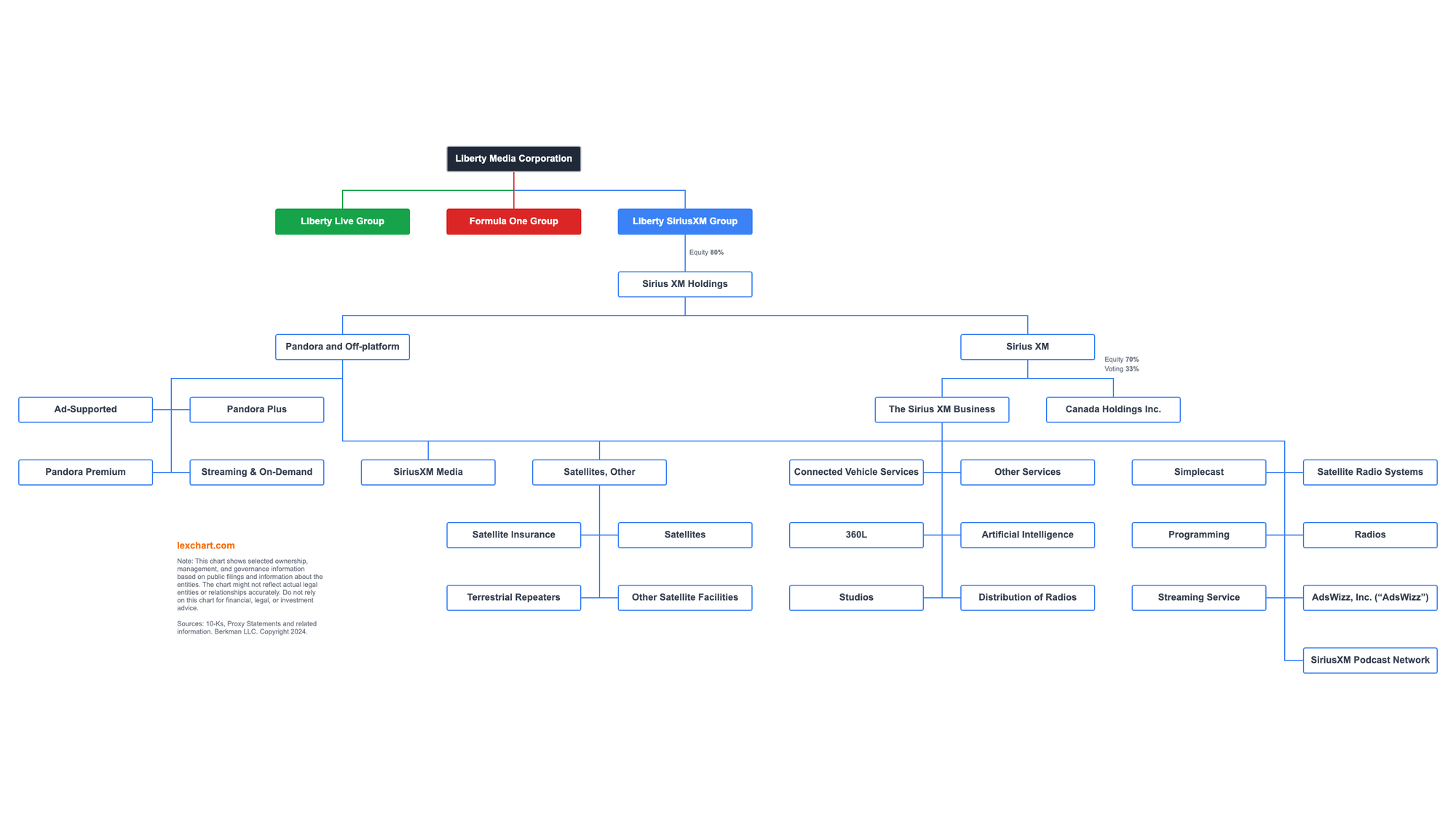
At the heart of Sirius XM’s ownership lies Liberty Media Corporation, an American mass media company controlled by billionaire John C. Malone. Liberty Media’s influence over Sirius XM is not merely significant; it is controlling, marking it as the primary financial and strategic driver behind the satellite radio giant.
The Genesis of Liberty’s Influence
Liberty Media’s journey to becoming the controlling shareholder of Sirius XM began long before it formally consolidated its power. Initially, Liberty Media held a minority stake in the combined entity that emerged from the 2008 merger of Sirius Satellite Radio and XM Satellite Radio Holdings. This merger, crucial for the survival and scaling of the nascent satellite radio industry, created a single, dominant player. Liberty Media, known for its strategic investments in media, communications, and entertainment businesses, saw the long-term value proposition in this consolidated entity.
Their strategy was methodical and financially astute. Rather than an outright hostile takeover, Liberty Media steadily increased its stake over several years, often leveraging financial instruments like convertible preferred stock and open market purchases. This gradual accumulation allowed them to exert increasing influence without immediately triggering major market disruptions, demonstrating a classic private equity approach to building value. By 2012, Liberty Media had acquired a majority stake in Sirius XM, effectively gaining control and consolidating it as a subsidiary. This move was a masterclass in strategic long-term investing, recognizing undervalued assets and patiently building a controlling position.
Understanding Liberty Media’s Structure and Control
Liberty Media’s control over Sirius XM is exercised through its ownership of a majority of the outstanding shares. Specifically, Sirius XM is part of the “Liberty SiriusXM Group” (LSXMA, LSXMB, LSXMK tracking stocks), which also includes Liberty Media’s investment in Live Nation Entertainment. This tracking stock structure is a financial mechanism designed by Liberty Media to allow investors to trade shares that “track” the performance of specific business segments without those segments being legally separate entities.
From a financial governance perspective, Liberty Media’s majority ownership translates into the ability to appoint a majority of Sirius XM’s board of directors. This control over the board ensures that Sirius XM’s strategic direction, capital allocation decisions, major investments, and executive appointments align with Liberty Media’s broader corporate objectives. This deep integration means that Sirius XM’s financial performance and strategic choices are inextricably linked to Liberty Media’s overall financial health and vision. Investors in Sirius XM are effectively investing in a company whose fate is largely steered by its parent.
Financial Implications of Majority Ownership
For Sirius XM, Liberty Media’s controlling interest has profound financial implications. Firstly, it provides a stable ownership base, often shielding the company from short-term market volatility and activist investor pressures. Liberty Media can make long-term strategic decisions that might not immediately boost quarterly earnings but are designed to create sustainable value over extended periods, such as investing heavily in new content or technology infrastructure.
Secondly, the relationship impacts capital structure and financing. Liberty Media, with its extensive financial resources and creditworthiness, can potentially facilitate more favorable debt financing for Sirius XM, or even provide direct capital injections if needed for major projects or acquisitions. This financial backing is a significant asset, reducing capital constraints and enhancing strategic flexibility.
Thirdly, decisions regarding dividends, share buybacks, and other shareholder distributions are often made with Liberty Media’s overarching financial strategy in mind. Liberty Media aims to maximize value across its portfolio, and Sirius XM’s profitability and cash flow contribute significantly to that goal. Any future spin-offs or major corporate transactions involving Sirius XM would also be initiated and directed by Liberty Media, directly impacting the value proposition for all shareholders.
A Journey Through Mergers and Consolidations
The current ownership landscape of Sirius XM is a direct result of a history marked by significant mergers and strategic consolidations, each a financial transaction with massive implications for market structure and shareholder value.
The Sirius-XM Merger: A Precedent for Consolidation
The 2008 merger of Sirius Satellite Radio and XM Satellite Radio Holdings was not just a corporate event; it was a critical financial lifeline for both companies. Prior to the merger, both entities were struggling to achieve profitability despite rapidly growing subscriber bases, weighed down by immense infrastructure costs, fierce competition for content, and significant debt loads. The argument for the merger was fundamentally financial: combining operations would eliminate redundant costs, create economies of scale, and provide the financial muscle needed to survive and thrive.
The merger was subject to intense regulatory scrutiny, primarily concerning antitrust implications. However, the financial distress of both companies, coupled with the nascent nature of satellite radio as a distinct market from traditional terrestrial radio, ultimately swayed regulators. The resulting entity, Sirius XM Radio Inc., became a monopoly in the satellite radio space, creating a more robust financial model based on a larger subscriber base and reduced operational overhead. This consolidation was a crucial step that laid the groundwork for future investment and profitability, making the company an attractive target for strategic investors like Liberty Media.
Liberty Media’s Strategic Accumulation of Shares
Following the merger, Sirius XM’s stock initially traded at low valuations due to lingering economic uncertainties and concerns about its business model. This presented a prime opportunity for Liberty Media. Their strategy was to acquire shares at what they perceived to be a discounted price relative to the company’s long-term potential. This was a classic value investing approach: identify an essential service with a clear market position and a growing subscriber base, but whose current valuation doesn’t fully reflect its intrinsic worth or future cash flow potential.
Liberty Media employed a multi-faceted approach to accumulate its stake. This included direct open market purchases, participation in rights offerings, and the conversion of preferred stock instruments. Each step was a carefully calculated financial decision, aimed at increasing their equity position and, subsequently, their voting power. By 2012, when Liberty Media officially obtained majority control, they had invested significant capital, demonstrating conviction in the satellite radio business model and its ability to generate substantial free cash flow. This strategic accumulation was not just about control; it was a significant financial bet that paid off handsomely as Sirius XM’s stock price appreciated over the subsequent decade.
The Evolution of Shareholder Value
The journey from two struggling companies to a consolidated, Liberty Media-controlled powerhouse has profoundly impacted shareholder value. Early investors who held through the merger and subsequent Liberty Media accumulation saw significant returns. The stability provided by a dominant owner, coupled with the operational efficiencies gained post-merger, allowed Sirius XM to improve its financial performance, generate consistent profits, and initiate shareholder return programs such as dividends and share buybacks.
The creation of the Liberty SiriusXM Group tracking stocks (LSXMA, LSXMB, LSXMK) further complicated but also diversified the investment proposition. These tracking stocks allow investors to gain exposure to Sirius XM’s performance within the broader Liberty Media ecosystem, providing a different avenue for valuation and liquidity. This structural innovation reflects Liberty Media’s sophisticated approach to financial engineering, aiming to unlock and realize shareholder value from its diverse portfolio of assets.
Decoding Sirius XM’s Financial Health and Market Position
Understanding who owns Sirius XM is incomplete without a comprehensive look at the company’s financial health, performance metrics, and market position, all of which are critical for current and prospective investors.
Revenue Streams and Subscriber Economics

Sirius XM’s primary revenue stream is subscription fees from its millions of subscribers. The company offers various programming packages, and its ability to consistently attract and retain subscribers is the most vital determinant of its financial performance. Growth in net new subscribers, coupled with low churn rates, directly translates to increased recurring revenue. Furthermore, the company leverages its platform for advertising revenue, particularly on its talk and news channels, providing a secondary but growing income source.
Another significant financial aspect is its OEM (Original Equipment Manufacturer) agreements with virtually every major automaker. These agreements ensure that Sirius XM radios are factory-installed in new vehicles, creating a robust pipeline for new trial subscriptions. The conversion rate of these trials to paid subscriptions is a key financial metric. The company also generates revenue from its connected vehicle services (e.g., emergency assistance, navigation, remote start), which diversify its financial base beyond pure audio entertainment. These diversified revenue streams underpin its resilience and growth potential.
Investment Considerations and Shareholder Returns
From an investment perspective, Sirius XM is often viewed as a mature but stable cash cow. Its business model, characterized by high fixed costs for satellite infrastructure and content acquisition but low marginal costs per subscriber, allows it to generate significant free cash flow once a critical mass of subscribers is reached. This free cash flow is crucial for shareholder returns, often used for share repurchases, which boost earnings per share, and regular dividend payments.
However, investors must also consider potential headwinds. Market saturation in new car sales, increasing competition from streaming services (e.g., Spotify, Apple Music, podcasts), and the ongoing challenge of retaining subscribers in a crowded audio landscape pose risks. Future investment considerations also include the company’s ability to innovate its platform, expand into new content areas, and potentially leverage its vast subscriber data for new revenue opportunities, all of which require strategic capital allocation.
Debt, Equity, and Capital Structure
Sirius XM maintains a significant debt load, which is common for capital-intensive media companies that have undergone large mergers and infrastructure investments. While debt can amplify returns to equity holders, it also introduces financial risk. Investors typically scrutinize the company’s debt-to-equity ratio, interest coverage ratio, and free cash flow generation to assess its ability to service its debt obligations. Liberty Media’s oversight often plays a role in managing this capital structure, seeking to optimize the balance between debt and equity to minimize the cost of capital and maximize shareholder value.
The company’s equity structure, with common stock publicly traded, is largely influenced by Liberty Media’s majority stake. This means that while public investors own a portion of the company, ultimate control rests with the parent. Understanding this dynamic is crucial for investors as it impacts everything from corporate governance to long-term strategic decisions.
The Influence of Institutional and Retail Investors
While Liberty Media holds the controlling stake, Sirius XM’s public shares are also held by a broad spectrum of institutional and retail investors, whose collective influence, while not controlling, still impacts market dynamics and valuation.
Major Institutional Stakeholders
Beyond Liberty Media, a host of institutional investors—such as mutual funds, hedge funds, pension funds, and asset management firms—hold significant positions in Sirius XM. These institutions invest billions of dollars, and their investment decisions are driven by financial analysis, market outlook, and portfolio diversification strategies. Their collective buying and selling activity can significantly influence Sirius XM’s stock price and market capitalization.
These large institutional investors typically conduct deep fundamental analysis on Sirius XM’s financial statements, management strategy, industry trends, and competitive landscape. Their investment theses often revolve around the company’s ability to generate consistent cash flow, its dividend policy, and its valuation relative to its peers. While they don’t have direct control over strategic decisions, their collective voice can exert pressure on management (and by extension, Liberty Media) regarding financial performance, capital allocation, and shareholder returns.
The Role of Public Trading and Market Dynamics
Sirius XM’s stock is actively traded on major exchanges, subjecting it to the daily fluctuations of supply and demand, investor sentiment, and broader market trends. Retail investors, individuals who buy and sell shares for personal investment, also constitute a significant portion of the shareholder base. Their aggregate activity, particularly during periods of high market interest or speculation, can contribute to volatility.
The liquidity of Sirius XM shares, driven by both institutional and retail trading, provides an important mechanism for price discovery and capital formation. The stock’s performance is often reported as part of various market indices, making it a visible component of the broader investment landscape. Analysts from various financial institutions regularly publish research reports, setting price targets and offering buy/sell/hold recommendations, further shaping market perceptions and trading volumes.
Impact on Corporate Governance and Strategy
Even with a controlling shareholder like Liberty Media, the presence of a diverse public shareholder base contributes to aspects of corporate governance. Sirius XM, as a publicly traded company, must adhere to regulatory reporting requirements, provide transparency in its financial dealings, and maintain independent board members to represent minority shareholder interests.
While Liberty Media guides overall strategy, the existence of public shareholders means that Sirius XM’s management must also consider how their decisions will be perceived by the broader investment community. Financial results, earnings calls, and investor relations activities are tailored to communicate value and address concerns from all shareholders, not just the majority owner. This dynamic ensures a degree of accountability and focus on financial performance that benefits all stakeholders.
The Future of Sirius XM Ownership and Financial Trajectory
Looking ahead, the ownership structure and financial trajectory of Sirius XM will likely continue to evolve, influenced by technological advancements, market competition, and Liberty Media’s overarching corporate strategy.
Potential Spin-offs and Strategic Divestitures
Liberty Media has a history of financial engineering, including the use of tracking stocks and strategic spin-offs to unlock shareholder value. It is plausible that at some point in the future, Liberty Media could decide to fully spin off Sirius XM as an independent public company, or divest parts of its stake. Such a move would be driven by a desire to simplify its corporate structure, monetize its investment, or focus on other core assets. A spin-off would create a truly independent Sirius XM, with its own board and direct accountability to all shareholders, potentially altering its capital allocation priorities and strategic direction significantly. For investors, this could either unlock hidden value or expose the company to greater market volatility without the safety net of a powerful parent.
Adapting to Evolving Media Landscapes
The audio entertainment industry is in a constant state of flux, driven by technological innovation and shifting consumer preferences. Sirius XM’s financial success depends on its ability to adapt to the rise of personalized streaming, podcasting, and in-car infotainment systems that integrate a multitude of audio sources. Future investments in technology, content, and strategic partnerships will be critical. The financial decisions made today regarding these adaptations will dictate Sirius XM’s long-term competitive position and profitability. Liberty Media’s financial backing and strategic oversight will play a crucial role in funding these necessary evolutions, ensuring Sirius XM remains a relevant and profitable entity in a crowded market.

Long-Term Investment Outlook
From a long-term investment perspective, Sirius XM remains a unique asset. Its resilient subscription model, significant free cash flow generation, and strong position in the automotive sector provide a stable financial foundation. However, growth drivers might shift from subscriber acquisition to average revenue per user (ARPU) growth, innovation in connected car services, and effective cost management.
Investors will continue to weigh the company’s ability to navigate competition, manage content costs, and maintain subscriber loyalty against its strong cash flow and shareholder return policies. Liberty Media’s continued ownership provides stability but also means that Sirius XM’s strategic direction is ultimately aligned with its parent’s broader financial objectives. Understanding this symbiotic relationship is key to evaluating Sirius XM as a long-term investment. The “who owns” question, therefore, is not merely about identifying a name but comprehending the financial ecosystem that governs the company’s past, present, and future market trajectory.
aViewFromTheCave is a participant in the Amazon Services LLC Associates Program, an affiliate advertising program designed to provide a means for sites to earn advertising fees by advertising and linking to Amazon.com. Amazon, the Amazon logo, AmazonSupply, and the AmazonSupply logo are trademarks of Amazon.com, Inc. or its affiliates. As an Amazon Associate we earn affiliate commissions from qualifying purchases.