
Air travel, once a luxury, has become an indispensable part of modern life, connecting continents for business, leisure, and personal milestones. However, the cost of plane tickets can often be a formidable barrier, turning what should be an exciting journey into a financially daunting prospect. In an era where every dollar counts, understanding the nuances of flight booking isn’t just about getting from point A to point B; it’s about mastering the art of financial prudence and maximizing value. This comprehensive guide delves into the strategic financial considerations and practical steps involved in ordering plane tickets, empowering you to navigate the complexities of airfare pricing and secure the best possible deals, ensuring your travel dreams remain well within your budget.

Strategic Planning: The Foundation of Economical Flight Bookings
The journey to affordable air travel begins long before you even open a flight search engine. Strategic planning is paramount, setting the stage for significant savings and a more predictable travel budget. By understanding market dynamics and adopting a flexible mindset, travelers can position themselves advantageously to capture lower fares.
Timing Your Purchase for Optimal Savings
One of the most frequently asked questions in travel is, “When is the best time to book a flight?” While there’s no single magic answer, historical data and industry trends offer valuable insights. Generally, booking too early (more than six months out) or too late (within a few weeks of departure) tends to result in higher prices. The “sweet spot” for international flights often falls between two to five months before departure, while domestic flights might see their lowest fares one to three months out. This window allows airlines to gauge demand and adjust pricing accordingly. Booking on specific days of the week can also yield savings; Tuesdays, Wednesdays, and Saturdays are often cited as the best days to purchase tickets, as airlines may release sales or adjust fares in response to weekend shopping patterns. Understanding these trends can lead to hundreds of dollars in savings, directly impacting your travel budget.
Flexibility: Your Greatest Financial Asset
In the realm of flight booking, flexibility translates directly into financial power. Travelers who are rigid about their departure and arrival dates, times, or even destinations often pay a premium. Being open to shifting your travel by a day or two, considering red-eye flights, or opting for flights during off-peak hours (e.g., very early morning or late at night) can unlock substantially cheaper fares. Airlines price flights based on demand, and inconvenient times or dates typically have lower demand, leading to reduced costs. Furthermore, exploring alternative airports within a reasonable proximity to your desired destination can also be a game-changer. A slightly longer drive might be a worthwhile trade-off for significantly cheaper airfare, allowing you to reallocate those savings to other aspects of your trip. Embracing flexibility isn’t just about convenience; it’s a fundamental financial strategy for the savvy traveler.
Destination & Route Optimization
Beyond dates and times, the choice of destination and the specific flight route can profoundly impact your travel expenses. Sometimes, the direct flight isn’t the cheapest option, especially for long-haul international travel. Exploring routes with layovers, even if they add a few hours to your journey, can sometimes lead to considerable savings. When considering multiple destinations, looking into “open-jaw” tickets (flying into one city and out of another) or multi-city itineraries can sometimes be more economical than booking separate one-way tickets. Additionally, being aware of seasonal demand for certain destinations is crucial. Visiting popular tourist spots during their shoulder seasons (just before or after peak season) can offer a better balance of good weather, fewer crowds, and, crucially, lower flight and accommodation costs. Thorough research into these variables allows you to optimize your spending for the entire trip, not just the flight.
Leveraging Digital Tools for Price Discovery and Value
The digital age has revolutionized the way we search for and purchase plane tickets. A plethora of online tools and platforms are now available, each offering unique advantages for price comparison and value discovery. Understanding how to effectively use these resources is key to securing the most financially advantageous flights.
Comparing Fares Across Multiple Platforms
The initial step in any flight search should involve casting a wide net across various online travel agencies (OTAs) and flight aggregators. Websites like Google Flights, Skyscanner, Kayak, and Momondo act as powerful search engines, scanning hundreds of airlines and OTAs simultaneously to present a comprehensive list of options. These platforms allow you to filter by price, airline, number of stops, and even flight duration, making it easier to pinpoint the most economical and convenient choices. However, it’s crucial not to stop there. Once you’ve identified a promising fare, always cross-reference it directly on the airline’s official website. Airlines sometimes offer exclusive deals, discounts, or loyalty program benefits that aren’t available through third-party aggregators. Booking directly with the airline can also simplify future changes or cancellations, potentially saving you administrative fees or hassle.
Harnessing Price Alerts and Incognito Browsing
In a volatile market like air travel, prices can fluctuate daily, even hourly. Leveraging price alert features offered by aggregators (like Google Flights or Skyscanner) is a smart financial strategy. By setting up alerts for your desired route and dates, you’ll receive email notifications when prices drop, allowing you to snatch up a deal the moment it appears. This passive monitoring saves you time and ensures you don’t miss out on potential savings. Regarding “incognito mode” or “private browsing,” the effectiveness is often debated. The theory is that websites track your searches via cookies and may show higher prices on subsequent visits to encourage immediate booking. While airlines and OTAs typically use dynamic pricing based on demand rather than individual browsing history, using incognito mode can still provide a “clean slate” for your search, ensuring you’re seeing the most current base price without any potential (even if minor) influence from past searches. It’s a simple step that costs nothing and could potentially save you money.
Understanding Fare Classes and Hidden Costs
Not all economy tickets are created equal, and understanding fare classes is vital for a financially informed decision. Airlines often offer different “tiers” within economy class (e.g., basic economy, standard economy, economy plus). Basic economy tickets are typically the cheapest but come with significant restrictions, such as no seat selection, limited carry-on allowance, and no changes or refunds – essentially locking you into a potentially inflexible and uncomfortable experience without additional purchases. Before clicking “buy,” meticulously review what’s included in the fare. Factor in potential “hidden” costs: baggage fees (for checked bags and sometimes even larger carry-ons), seat selection fees, in-flight meal costs, and credit card surcharges. These add-ons can quickly inflate the headline price of a cheap ticket, making a seemingly more expensive, all-inclusive fare a better financial value in the long run. Always calculate the total cost, including all potential extras, before committing.
Executing Your Booking: Financial Due Diligence and Protection
Once you’ve identified the ideal flight at an optimal price, the booking process itself requires careful attention to detail and financial due diligence. This stage is critical for ensuring a smooth transaction, protecting your investment, and avoiding any last-minute monetary pitfalls.
Essential Information and Payment Security
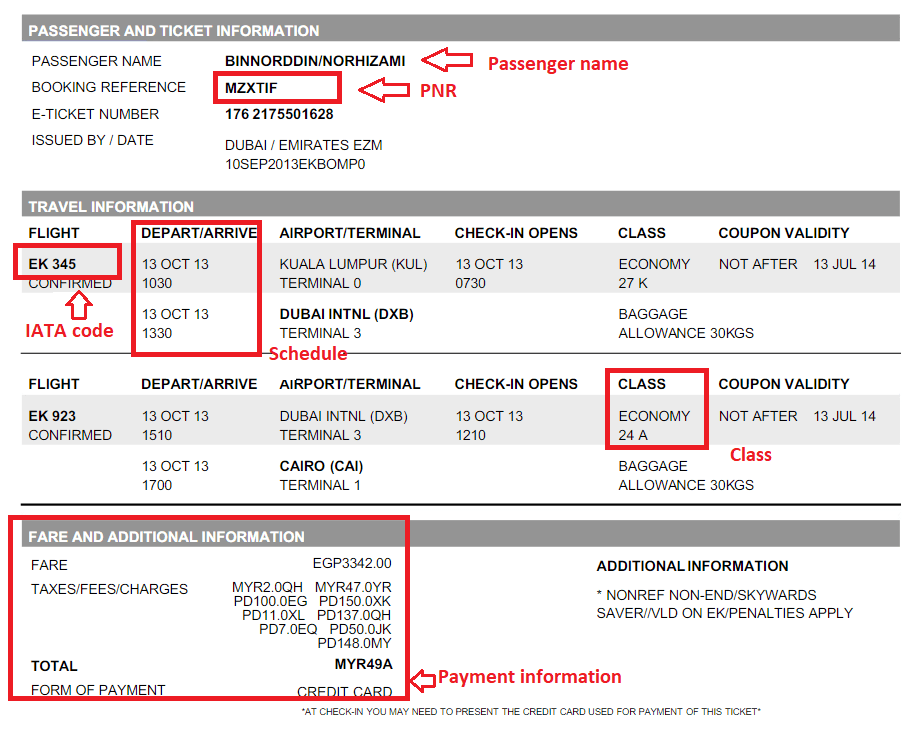
Before initiating the booking, ensure you have all necessary traveler information accurately on hand, including full names as they appear on passports or government-issued IDs, dates of birth, and passport details if traveling internationally. Mistakes in this area can lead to costly change fees or even denial of boarding. When it comes to payment, prioritize secure methods. Using a credit card is generally recommended over a debit card. Credit cards often offer consumer protections, such as chargeback rights if there’s a dispute or fraud. Many travel-focused credit cards also provide built-in travel insurance, car rental insurance, or trip delay/cancellation benefits, which can be invaluable financially if unforeseen circumstances disrupt your plans. Always verify the website’s security (look for “https://” and a padlock icon in the URL bar) to protect your financial data from cyber threats.

Reviewing the Fine Print: Avoiding Costly Surprises
The “terms and conditions” section, often overlooked, is a critical component of financial protection when booking flights. Pay particular attention to the airline’s policies regarding cancellations, changes, and refunds. Understanding whether your ticket is fully refundable, subject to a cancellation fee, or entirely non-refundable is paramount. Basic economy fares, for instance, are notoriously restrictive, often offering no changes or refunds whatsoever, meaning any unexpected alteration to your plans could result in a total financial loss of the ticket cost. For business travelers or those with fluid schedules, opting for a slightly more expensive but flexible fare might be a more financially prudent decision. Being aware of these policies upfront prevents unwelcome financial surprises should your travel plans unexpectedly shift.
Travel Insurance: An Investment or an Expense?
The decision to purchase travel insurance is a common point of financial debate. For simple, inexpensive domestic trips, it might seem like an unnecessary expense. However, for costly international voyages, trips involving multiple destinations, or if you have pre-existing medical conditions, travel insurance can be a wise financial investment. It typically covers various scenarios, including trip cancellation/interruption (due to illness, unforeseen events), medical emergencies abroad, baggage loss/delay, and even flight delays. Before purchasing, compare different policies, understand their coverage limits, and check if your existing credit card or home insurance already provides some level of travel protection. Weigh the potential financial losses of an uninsured trip against the cost of the premium. For many, the peace of mind and financial security offered by comprehensive travel insurance makes it a worthwhile consideration.
Post-Booking Strategies: Maximizing Value and Minimizing Risk
Booking your ticket is not the final step in ensuring financial efficiency. A proactive approach post-purchase can yield further savings, mitigate potential losses, and enhance the overall value of your travel investment.
Monitoring Your Booking for Price Drops
While less common than pre-booking drops, it’s not unheard of for flight prices to decrease even after you’ve made your purchase. Some airlines, particularly in the U.S., offer a “24-hour rule” allowing free changes or cancellations within 24 hours of booking. Beyond this window, some airlines or third-party services like Yapta track your booked flight’s price and alert you if it drops. If the fare decreases significantly, some airlines might offer a voucher or a partial refund, though often a change fee might apply. For more expensive tickets, the financial benefit of rebooking or claiming a difference might outweigh the fee. It’s a strategy that requires vigilance but can occasionally pay off, effectively recouping some of your initial investment.
Loyalty Programs and Airline Miles: Future Savings
For frequent flyers, or even those who take a few trips a year, joining airline loyalty programs is a no-brainer. These programs allow you to earn miles or points with every flight, which can then be redeemed for future flights, upgrades, or other travel perks, translating into significant long-term financial savings. Furthermore, many co-branded airline credit cards offer substantial sign-up bonuses in miles, elite status benefits, and additional earning potential on everyday purchases. Strategically accumulating and redeeming these miles can drastically reduce your out-of-pocket costs for future travel, effectively making future flights “free” or significantly discounted. Understanding the value of your miles and the best redemption strategies is a powerful financial tool for any traveler.
Managing Changes and Cancellations Economically
Life is unpredictable, and sometimes travel plans need to change or be canceled. Navigating these situations with minimal financial impact requires understanding airline policies and your consumer rights. If you need to change your flight, investigate the airline’s change fee structure and assess if the cost of changing is less than purchasing a new ticket entirely. For cancellations, determine if your ticket is refundable (full or partial) or if you’re eligible for a travel credit. In cases of significant airline-initiated schedule changes or cancellations, passengers often have the right to a full refund, regardless of the ticket’s original refundability. Being informed of these rights, rather than simply accepting the airline’s first offer, can save you from unnecessary financial losses.
Beyond the Basics: Advanced Money-Saving Tactics
For the truly budget-conscious and adventurous traveler, several advanced strategies can unlock even greater savings, provided you’re willing to embrace unconventional approaches.
Exploring Budget Airlines: Pros and Cons
Ultra-low-cost carriers (ULCCs) like Spirit, Frontier, Ryanair, and EasyJet have revolutionized air travel by offering incredibly low base fares. However, their business model relies heavily on unbundling services and charging for virtually everything beyond the seat itself – including carry-on bags, checked bags, seat selection, and even printing your boarding pass at the airport. While the initial sticker price can be enticingly low, it’s crucial to meticulously calculate the total cost, including all potential fees, before booking. For light travelers with minimal baggage and no need for specific amenities, budget airlines can offer unparalleled savings. For others, the cumulative fees might make a traditional carrier a more financially viable option in the end. A thorough cost-benefit analysis is essential.
The Art of the Open-Jaw or Multi-City Ticket
Sometimes, the most direct path isn’t the most economical. An open-jaw ticket, where you fly into one city and depart from another (e.g., flying from New York to London and returning from Paris to New York), can sometimes be cheaper than two separate round-trip tickets. Similarly, multi-city itineraries, which involve multiple stops on a single ticket, can occasionally be priced more favorably than booking each leg individually, especially when trying to link several destinations. These options often require more sophisticated search techniques using tools like Google Flights’ multi-city search or airline websites that allow for complex itineraries. While not always cheaper, exploring these less conventional routing options can sometimes reveal hidden savings, particularly for complex European or Asian trips.
Utilizing Flight Bundles and Vacation Packages
For those planning a comprehensive trip that includes accommodation and/or car rental, exploring flight and hotel bundles or full vacation packages can sometimes offer better overall value than booking each component separately. Travel agencies and large online travel platforms often negotiate bulk discounts with hotels and airlines, allowing them to offer combined packages at a reduced rate. While these packages might offer less flexibility than booking à la carte, the potential financial savings can be significant. This strategy is particularly useful for leisure travelers who prioritize convenience and cost efficiency for the entire trip rather than granular control over each booking element. Always compare the total package price against the sum of individually booked components to ensure it truly represents a saving.
Conclusion
Ordering plane tickets has evolved from a simple transaction into a sophisticated exercise in financial strategy and informed decision-making. By meticulously planning your travel dates, embracing flexibility, and leveraging the wealth of digital tools at your disposal, you can significantly reduce your airfare expenses. Understanding fare classes, scrutinizing the fine print, and making informed choices about travel insurance protect your investment. Furthermore, post-booking vigilance, strategic use of loyalty programs, and exploring advanced booking tactics like budget airlines or open-jaw tickets can unlock even greater value.
In an increasingly interconnected world, air travel is a gateway to new experiences and opportunities. By adopting a financially savvy approach to booking your flights, you empower yourself to travel more, experience more, and ultimately, get more value for your hard-earned money. The key lies in proactive research, an adaptable mindset, and a commitment to making financially intelligent choices at every stage of the booking process. Happy travels, and may your flights always be affordable!
aViewFromTheCave is a participant in the Amazon Services LLC Associates Program, an affiliate advertising program designed to provide a means for sites to earn advertising fees by advertising and linking to Amazon.com. Amazon, the Amazon logo, AmazonSupply, and the AmazonSupply logo are trademarks of Amazon.com, Inc. or its affiliates. As an Amazon Associate we earn affiliate commissions from qualifying purchases.