
The dream of flying free has captivated travelers for decades. The allure of redeeming hard-earned loyalty points for a complimentary journey, whether across the country or around the globe, remains a powerful incentive. For members of American Airlines’ AAdvantage program, accumulating miles is only half the equation; the true mastery lies in understanding how many miles are needed to unlock that coveted “free” flight and, more importantly, how to maximize their value. This guide delves into the intricacies of American Airlines AAdvantage award redemptions, providing insights and strategies to help you navigate the system and turn your mileage balance into unforgettable travel experiences.
Understanding the Evolving Landscape of AAdvantage Redemptions
Gone are the days of simple, fixed award charts that dictated a clear mileage cost for every route and cabin. The landscape of airline loyalty programs, including American Airlines AAdvantage, has evolved significantly, shifting towards more dynamic pricing models. This evolution presents both challenges and opportunities for the savvy traveler.
The Shift from Fixed to Dynamic Pricing
Historically, AAdvantage offered a fairly transparent award chart with distinct tiers like “MileSAAver” and “AAnytime” awards. MileSAAver required fewer miles but had limited availability, while AAnytime awards were more widely available but demanded a significantly higher mileage outlay. While remnants of these concepts persist, the primary mechanism for pricing award flights on American Airlines-operated flights is now largely dynamic. This means the mileage cost fluctuates based on various factors, mirroring the cash price of a ticket more closely than ever before.
Factors influencing dynamic pricing include:
- Demand: Higher demand for a particular flight or route typically translates to higher mileage costs.
- Time of Year/Seasonality: Peak travel seasons (holidays, summer) often see elevated mileage requirements.
- Advance Booking: Booking far in advance can sometimes yield lower mileage prices, though this isn’t always guaranteed with dynamic pricing.
- Route Popularity: Popular domestic and international routes may consistently require more miles.
- Cabin Class: Economy, Premium Economy, Business, and First Class each have distinct (and progressively higher) mileage thresholds.
This dynamic nature makes it challenging to provide a single, definitive answer to “how many miles for a free flight.” Instead, travelers must become adept at searching for and recognizing value within this fluctuating system.
The Role of Partner Airlines in AAdvantage Redemptions
While American Airlines’ own flights are subject to dynamic pricing, redemptions on its Oneworld alliance partners and other airline partners often adhere to a more traditional, published award chart. This distinction is crucial, as partner awards frequently represent some of the best value opportunities for AAdvantage members.
American Airlines publishes an award chart specifically for Oneworld and partner airline redemptions. These charts typically specify mileage costs based on geographic regions and cabin class, offering a degree of predictability that is often absent from AA’s own dynamically priced awards. For instance, a flight from North America to Europe in business class on a partner airline like British Airways or Iberia might have a fixed mileage cost, regardless of the cash price. Understanding this difference is key to finding “sweet spots” in the AAdvantage program.
Deconstructing the Mileage Costs: A Practical Guide
To determine “how many AA miles to fly free,” it’s essential to look at common scenarios and the typical mileage ranges you can expect. While exact figures vary, understanding these benchmarks will help you set realistic expectations and craft effective redemption strategies.
Domestic Flights: Navigating Short and Long Hauls
Domestic flights within the contiguous United States can vary wildly in mileage cost.
- Short-Haul Economy (e.g., NYC to Boston): For very short, low-demand routes, you might find awards as low as 7,500 to 10,000 miles one-way, especially during off-peak times. These are becoming less common but still exist.
- Mid-Haul Economy (e.g., Chicago to Dallas): More typical domestic economy flights generally range from 12,500 to 25,000 miles one-way.
- Long-Haul Economy (e.g., New York to Los Angeles): Transcontinental flights in economy often start around 12,500 miles for MileSAAver-like availability but can easily surge to 30,000-50,000+ miles one-way during peak demand or closer to departure.
- First Class Domestic: For domestic first class, expect to pay anywhere from 25,000 miles for shorter routes to 50,000-75,000+ miles for transcontinental or high-demand routes.
The key to finding lower domestic mileage prices is flexibility with dates and a willingness to book well in advance or target off-peak travel times. Using American’s website and checking the “Redeem Miles” option will show you the exact cost for specific dates.
International Journeys: Unlocking Global Adventures
International flights often represent the highest value redemptions, particularly in premium cabins. The mileage required depends heavily on the destination region and cabin class.
-
Economy Class International:
- Mexico/Caribbean: 15,000-30,000 miles one-way.
- Europe: 20,000-35,000 miles one-way for MileSAAver-like options, but dynamic pricing can push this well over 60,000 miles. Partner awards can be a consistent 30,000 miles one-way.
- Asia/South America: 30,000-45,000 miles one-way for reasonable redemptions, again with partner awards sometimes offering fixed costs (e.g., 35,000 miles to Japan on JAL).
-
Business Class International: This is where AAdvantage miles truly shine for many travelers.
- Europe: 57,500 miles one-way on partner airlines (e.g., British Airways, Iberia, Finnair) is a common “sweet spot.” American’s own business class can fluctuate widely, often starting around 60,000-70,000 miles but quickly increasing to 150,000+ miles on popular routes.
- Asia (e.g., Japan/Korea): 60,000 miles one-way on partners like JAL or Cathay Pacific.
- South America (e.g., Brazil/Argentina): 57,500 miles one-way on partners.
- Australia/New Zealand: 80,000 miles one-way on partners like Qantas.
-
First Class International: The pinnacle of award travel, these redemptions command the highest mileage sums.
- Europe: 85,000 miles one-way on partner airlines. American’s Flagship First can be well over 100,000 miles dynamically.
- Asia: 110,000 miles one-way on partners like JAL or Cathay Pacific (when available).
- Australia/New Zealand: 110,000 miles one-way on Qantas.
It’s important to remember that premium cabin award space, especially on popular routes and partners, is often limited and requires diligent searching and booking far in advance.
Strategic Redemptions: Maximizing the Value of Your Miles

Simply knowing the mileage cost isn’t enough; true proficiency in award travel comes from strategic thinking and understanding how to extract the most value from your AAdvantage miles. This means making informed decisions about when and how to redeem them.
When to Use Miles vs. Cash
A fundamental question for any points and miles enthusiast is whether to use miles or pay cash for a flight. This calculation involves determining the “cents per mile” (CPM) value you are getting for your redemption.
- Calculation: (Cash Price of Ticket – Taxes/Fees on Award Ticket) / Number of Miles Used = Cents Per Mile.
- Benchmark: A generally accepted good value for AAdvantage miles is around 1.5-2.0 cents per mile (CPM) or higher. Economy redemptions often yield 1.0-1.5 CPM, while premium cabin redemptions routinely achieve 3.0-5.0+ CPM, making them excellent value propositions.
- Decision Rule: If the CPM value is low (e.g., under 1.0-1.2 CPM), it might be better to pay cash and save your miles for a higher-value redemption. Conversely, if you’re seeing high CPM, especially for expensive business or first-class tickets, using miles is often the superior choice.
Consider also your personal financial situation. If cash is tight, even a lower CPM redemption might be valuable if it allows you to take a trip you otherwise couldn’t afford.
Finding “Sweet Spots” in the Award Chart
“Sweet spots” are specific routes or cabin classes where the mileage cost is disproportionately low compared to the cash price, leading to exceptional value. For American Airlines AAdvantage, these often involve partner airline redemptions.
- Business Class to Europe on Partners: As mentioned, 57,500 miles one-way for a business class seat to Europe (e.g., on British Airways, though beware of high fuel surcharges, or Iberia, which typically has lower surcharges) can be a phenomenal deal for a flight that might cost thousands of dollars.
- Business Class to Asia (Japan/Korea) on JAL/Cathay Pacific: 60,000 miles one-way for a lie-flat business class experience across the Pacific is another excellent redemption.
- Short-Haul Domestic on AA: Occasionally, very short domestic flights (under 500 miles) can be found for as low as 7,500 miles, offering decent value if cash prices are high.
- Alaska Airlines Redemptions: As an American Airlines partner, you can use AA miles to fly on Alaska Airlines. Sometimes these routes offer better availability or mileage rates than comparable AA-operated flights.
Leveraging the AAdvantage Search Engine and Expert Tools
American Airlines’ website allows you to search for award availability. When searching, always select “Redeem Miles” and be flexible with your dates. To find partner award space, you may need to use external tools or search airline-specific websites.
- American Airlines Website: Best for AA-operated flights and generally good for showing partner availability for basic searches.
- British Airways Executive Club Website: Can be useful for finding Oneworld partner availability, especially for airlines like Cathay Pacific and JAL, as BA’s search engine sometimes shows space that AA’s doesn’t immediately reveal.
- Qantas Website: Another good option for searching Oneworld partner award space, particularly for flights to Australia/New Zealand.
- ExpertFlyer (Paid Subscription): An advanced tool for finding specific award availability, setting alerts, and analyzing seat maps. Essential for serious award travelers.
When searching for partner awards, remember that the availability you see on one Oneworld airline’s site (e.g., British Airways) should generally be bookable through American Airlines, though you may need to call AA’s reservations line if it doesn’t appear online.
Overcoming Challenges and Advanced Considerations
While the prospect of flying free is exciting, the process isn’t always straightforward. Being aware of common challenges and advanced strategies will help you navigate the system more effectively.
Taxes, Fees, and Fuel Surcharges
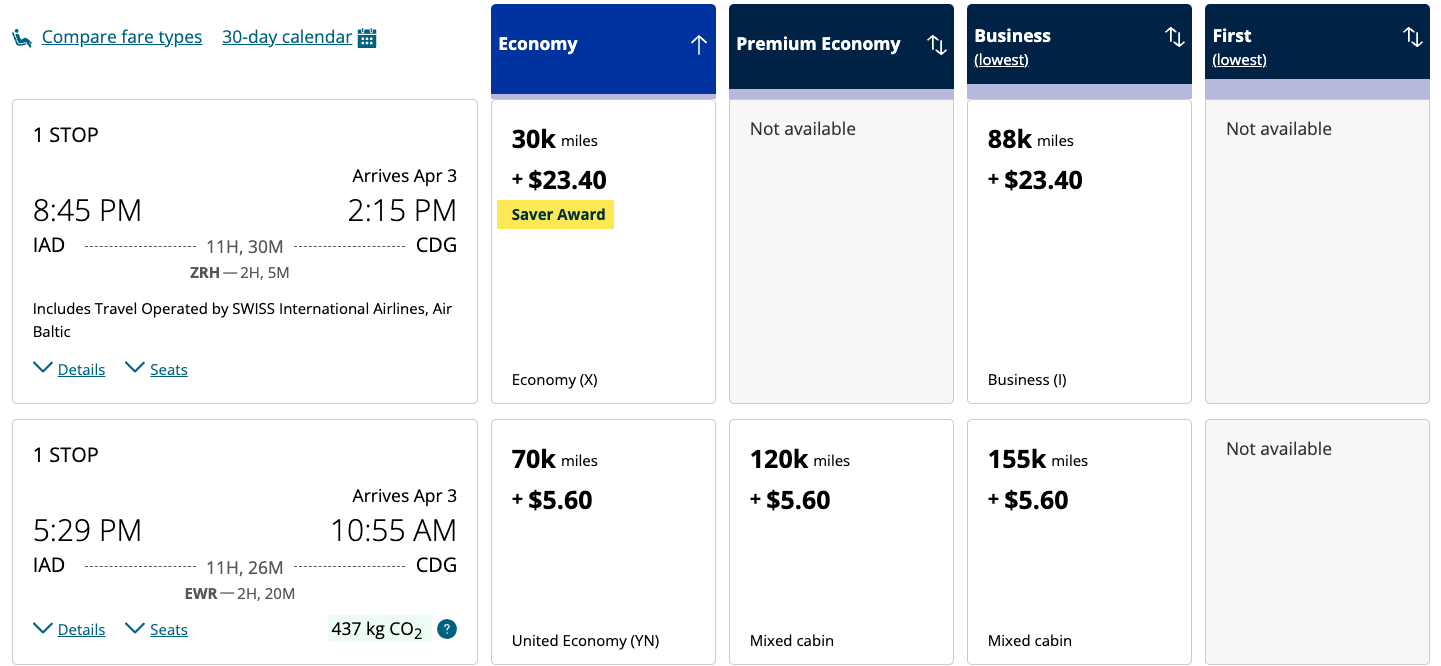
A “free” flight is rarely entirely free. You will almost always be responsible for government-imposed taxes and fees. These can be minimal for domestic flights (e.g., $5.60 for a one-way economy ticket) but can add up for international travel. More significantly, some airlines, particularly British Airways when booking with AAdvantage miles, levy substantial fuel surcharges that can sometimes make an award ticket nearly as expensive as a discounted cash fare.
- Mitigation: When booking partner awards, be mindful of which airlines charge high fuel surcharges. Iberia, Finnair, JAL, and Cathay Pacific generally have lower surcharges compared to British Airways. Always compare the total cash outlay (miles + cash) against a paid ticket.
Award Availability and Flexibility
The biggest hurdle for many is finding award space, especially in premium cabins on popular routes.
- Book Early: For desirable routes and cabin classes, booking 10-11 months in advance (when airlines typically release their award space) is often necessary.
- Be Flexible: If your dates are rigid, finding award space can be extremely difficult. Being flexible with travel dates (e.g., traveling mid-week, during off-peak seasons) significantly increases your chances.
- Consider Connecting Flights: Sometimes direct award flights are unavailable, but you can piece together an itinerary with connections that works.
- Check Different Airports: If your primary airport lacks availability, check nearby alternative airports.
AAdvantage Loyalty Points and Status
While this article focuses on redemption, it’s worth noting that achieving AAdvantage elite status (AAdvantage Gold, Platinum, Platinum Pro, Executive Platinum) requires earning “Loyalty Points,” which are accrued through eligible spending with American Airlines, partner airlines, and co-branded credit cards. Elite status can provide benefits like complimentary upgrades, priority boarding, lounge access, and bonus mileage earning, enhancing your overall travel experience even on award tickets.
Avoiding Mile Expiration
AAdvantage miles expire if there is no earning or redeeming activity on your account for 24 months.
- Prevention: Make a qualifying purchase with an AAdvantage credit card, fly with American or a partner, earn miles through a shopping portal, or even make a small redemption (e.g., for magazine subscriptions if available) to reset the clock on your entire mileage balance.

Conclusion: The Path to Free Flights is Paved with Strategy
The question “how many AA miles to fly free” doesn’t have a simple, universal answer. It’s a dynamic puzzle influenced by destination, cabin class, booking time, and the ever-evolving award landscape. However, by understanding the mechanics of AAdvantage redemptions, recognizing the value of partner awards, and employing strategic search techniques, you can significantly reduce your travel costs and unlock a world of “free” flights.
The journey to mastering American Airlines award travel is one of continuous learning and adaptation. With patience, flexibility, and a keen eye for value, your AAdvantage miles can indeed become the key to countless memorable adventures, transforming aspirational trips into achievable realities. Happy travels!
aViewFromTheCave is a participant in the Amazon Services LLC Associates Program, an affiliate advertising program designed to provide a means for sites to earn advertising fees by advertising and linking to Amazon.com. Amazon, the Amazon logo, AmazonSupply, and the AmazonSupply logo are trademarks of Amazon.com, Inc. or its affiliates. As an Amazon Associate we earn affiliate commissions from qualifying purchases.