
Travel, for many, represents freedom, discovery, and a much-needed escape from the everyday. Yet, the perceived high cost of airfare often remains a significant barrier, transforming dreams of exotic destinations into distant fantasies. In an increasingly interconnected world, where global exploration feels more accessible than ever, understanding the intricacies of securing affordable flight tickets is not just a travel hack—it’s a critical component of smart personal finance. This guide will delve into the strategic approaches, digital tools, and financial wisdom required to dramatically reduce your air travel expenses, empowering you to explore more without draining your bank account. By treating flight booking as a financial optimization challenge rather than a simple purchase, you can unlock significant savings and make your travel budget stretch further than you ever imagined.

Mastering the Art of Timing and Flexibility for Maximum Savings
One of the most impactful strategies for securing cheap flight tickets revolves around timing and your willingness to be flexible. Airfare pricing is a dynamic beast, influenced by demand, seasonality, and even the day of the week you search. Understanding and exploiting these fluctuations is paramount to financial success in travel planning.
The Golden Window: When to Book Your Flights
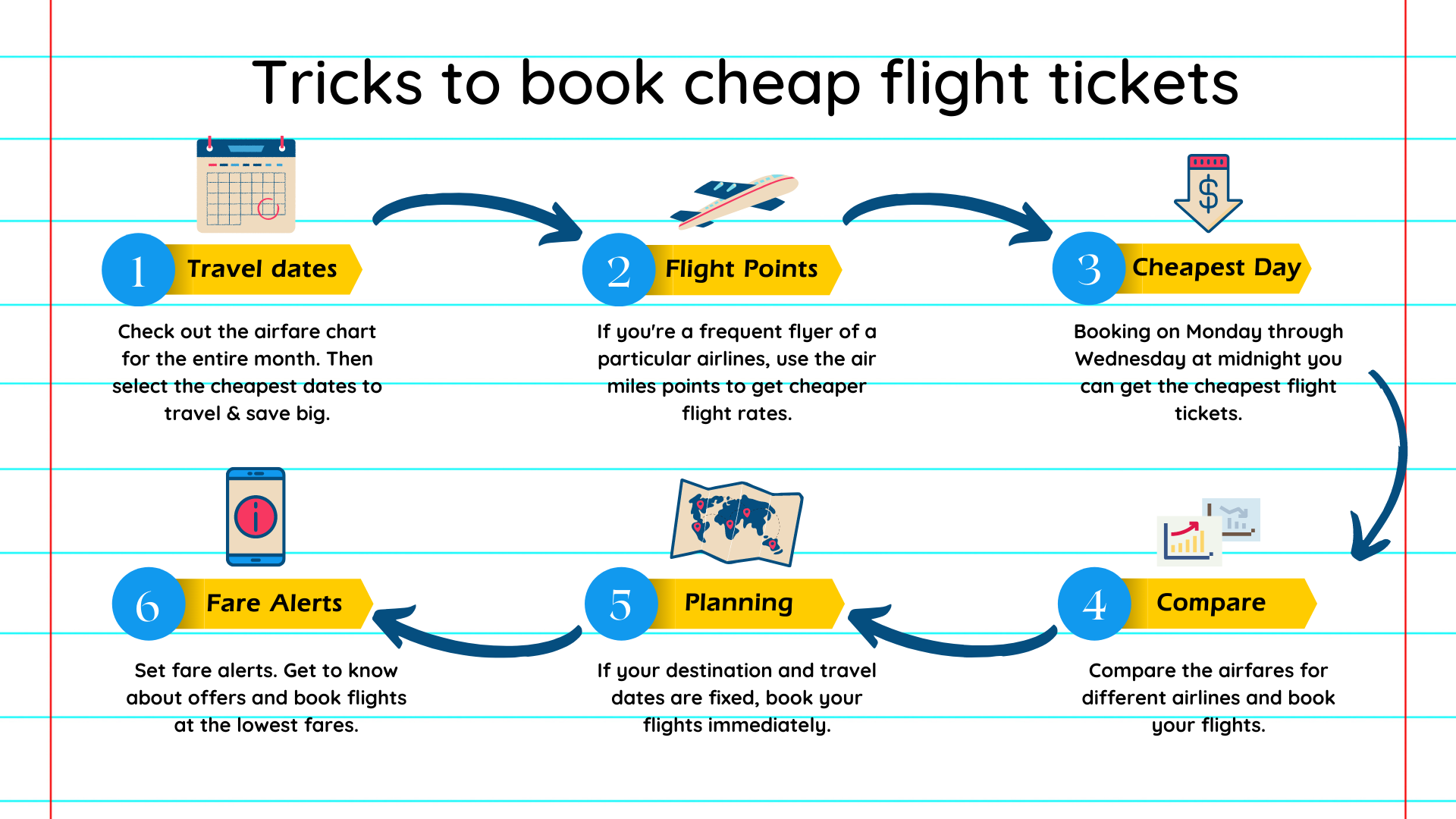
There’s no single magic number, but extensive data analysis consistently points to an “optimal booking window.” For international flights, this often falls between 2 to 8 months in advance. Domestic flights, being more volatile, tend to have a shorter sweet spot, typically 1 to 4 months out. Booking too early can mean missing out on sales, while booking too late means paying premium prices driven by diminishing availability. This window allows airlines to test pricing, adjust based on early demand, and then introduce competitive fares. Missing this window often means entering the territory where prices rise exponentially as departure dates approach, making proactive planning a financially astute move. Moreover, Tuesday and Wednesday evenings (in the airline’s local time zone, generally) are often cited as prime times to search and book, as airlines tend to release new sales or match competitors’ prices after business hours.
Embracing Flexibility: Dates, Times, and Destinations
Rigid travel plans are the enemy of cheap flights. The more flexible you can be with your travel dates, times, and even your destination, the greater your chances of finding a bargain. Flying in the middle of the week (Tuesday, Wednesday, Thursday) is almost always cheaper than flying on weekends, when business and leisure travelers create peak demand. Similarly, early morning or late-night flights, often deemed inconvenient, typically come with a lower price tag. Furthermore, if your primary goal is simply to “get away,” consider using tools that allow you to search for the cheapest flights to “everywhere” for a given set of dates. Sometimes, a slight detour or an unexpected destination can lead to significant savings, freeing up funds for experiences rather than just transit. This financial agility transforms travel planning from a restrictive endeavor into an exploratory one.
Avoiding Peak Travel: Seasons, Days, and Holidays
Airline pricing is heavily dictated by demand, and demand skyrockets during peak travel periods. School holidays, major public holidays (like Christmas, New Year’s, Thanksgiving), and popular summer months in desirable regions will invariably lead to higher fares. If your schedule allows, traveling during the “shoulder seasons” (spring and fall in many regions) or even the true off-season can yield substantial savings. Not only are flights cheaper, but accommodation, activities, and even local transportation costs tend to be lower, providing a holistic financial benefit. A simple shift in your travel dates by a week or two can sometimes halve your airfare, demonstrating the immense financial power of strategic timing.
Leveraging Digital Tools and Savvy Search Strategies
In the digital age, a plethora of tools and techniques are at our disposal to navigate the complex world of flight pricing. Employing these strategically can be the difference between an average-priced ticket and an exceptional deal.
The Power of Flight Comparison Websites and Aggregators
Websites like Google Flights, Skyscanner, Kayak, Momondo, and Expedia are indispensable. These aggregators scour hundreds of airlines and online travel agencies (OTAs) to present you with a wide array of options. Crucially, they often have features that allow you to view prices across an entire month, set price alerts, and even explore multi-city or “anywhere” options. Google Flights, in particular, is lauded for its intuitive calendar view and map-based search, allowing travelers to visualize the cheapest destinations for specific dates. While these sites are excellent starting points, it’s always wise to cross-reference prices directly on the airline’s website after finding a good deal, as sometimes direct bookings offer exclusive discounts or better terms.
Setting Price Alerts and Tracking Fares
Given the volatile nature of flight prices, manually checking fares multiple times a day is neither practical nor efficient. This is where price alerts become your financial assistant. Most major flight comparison websites offer the ability to set up email alerts that notify you when the price for a specific route drops. This passive monitoring ensures you don’t miss out on a sudden fare drop without constant vigilance. Think of it as investing in information; these alerts provide critical market data directly to you, enabling timely financial decisions. For especially coveted routes, consider setting alerts on multiple platforms to maximize your chances.
Incognito Mode and Clearing Your Cache: Myth or Money Saver?
A persistent travel myth suggests that airlines track your searches using cookies, incrementally raising prices with each subsequent visit to create a sense of urgency. While direct evidence linking cookie tracking to personal price increases for individual users is largely anecdotal and difficult to prove definitively, using incognito mode (or private browsing) and clearing your browser’s cache and cookies is a harmless precaution that many savvy travelers adopt. The primary benefit of incognito mode is that it ensures you’re seeing the most current, unbiased prices, unaffected by any past searches or dynamic pricing algorithms that might be at play (even if indirectly). It’s a simple step to ensure pricing transparency and confirm you’re not being subtly nudged towards a higher fare.
Exploring Alternative Airports and Stopovers
Sometimes, flying into or out of a smaller, less congested airport near your primary destination can yield significant savings. Major hubs often command premium prices due to convenience and higher demand. For example, flying into London Stansted or Luton might be cheaper than Heathrow or Gatwick, even with the added cost of ground transportation. Similarly, don’t shy away from flights with layovers. Direct flights are convenient, but that convenience often comes at a premium. A flight with one or two stops can be substantially cheaper, especially on long-haul routes. View a layover not as an inconvenience but as a potential cost-saving strategy, allowing you to reallocate those saved funds to your actual travel experiences.
Deeper Dive into Airline Strategies and Fare Structures
Understanding how airlines structure their fares and operate their businesses can provide further leverage in your quest for cheap tickets. It’s about recognizing the underlying financial models and adapting your booking strategy accordingly.

Understanding Budget Airlines and Their Hidden Costs
Budget airlines (e.g., Ryanair, Spirit, Allegiant, EasyJet, Scoot) are masters of unbundling services. Their base fares are often incredibly low, but this comes at a cost: nearly everything else is an add-on. Seat selection, checked baggage, carry-on bags (beyond a small personal item), in-flight meals, and even printing your boarding pass at the airport can incur additional fees. While these can quickly erode your initial savings, budget airlines can still be a fantastic financial option if you travel light, don’t require specific amenities, and are diligent about understanding all potential costs upfront. Always perform a total cost calculation: base fare + all anticipated add-ons to ensure it remains cheaper than a full-service carrier’s inclusive fare. This demands a keen financial eye to avoid unexpected expenditures.
The One-Way Ticket Strategy: Mixing and Matching Carriers
Historically, round-trip tickets were almost always cheaper. However, with the rise of budget airlines and more competitive pricing models, booking two separate one-way tickets—perhaps even with different airlines—can sometimes result in a lower total fare. This strategy is particularly effective when one leg of your journey is on a budget airline, or if you find a fantastic deal on a specific route with a particular carrier. It also offers greater flexibility if your return plans are uncertain. The caveat here is that if you encounter delays or cancellations, each ticket is treated independently, meaning the second airline is not obligated to accommodate you due to issues with the first. This requires a calculated financial risk assessment.
Unlocking Value through Loyalty Programs and Credit Card Perks
For frequent travelers, leveraging airline loyalty programs and travel-focused credit cards can lead to significant long-term savings. Accumulating miles or points through flights, credit card spending, or even co-branded shopping portals can eventually translate into free flights, upgrades, or discounted fares. Many travel credit cards also offer sign-up bonuses equivalent to several free domestic flights, annual travel credits, or companions passes. While these often come with annual fees, the financial benefits can easily outweigh the costs if used strategically. It’s an investment in future travel, turning everyday spending into travel rewards. Researching the best travel rewards cards and understanding their point systems can become a core part of your personal finance strategy for travel.
Beyond the Basics: Advanced Tactics for the Savvy Traveler
For those willing to dig a little deeper and embrace unconventional methods, there are even more advanced ways to prune your travel budget. These tactics often require a bit more research and a higher tolerance for unpredictability but can yield extraordinary financial dividends.
Hunting for Error Fares and Flash Sales
Occasionally, airlines make mistakes. These “error fares” (also known as “mistake fares” or “pricing glitches”) occur when an airline inadvertently publishes an incorrect price, often due to a technical glitch, a currency conversion error, or a human input mistake. These fares can be incredibly cheap but are usually rectified quickly. Websites and social media groups dedicated to tracking these error fares can be goldmines for the truly opportunistic traveler. Similarly, airlines and OTAs frequently run flash sales, offering deeply discounted flights for a very limited time. Subscribing to newsletters from these providers is crucial for catching these fleeting financial opportunities. The key is to act fast when you spot one, as they disappear as quickly as they appear.
Considering Flight + Hotel Bundles (with Caution)
Sometimes, online travel agencies (OTAs) offer flight and hotel packages that, when broken down, make the flight component remarkably cheap, sometimes even less than the flight purchased separately. OTAs negotiate bulk rates with hotels and airlines, allowing them to offer attractive package deals. While convenient, it’s crucial to do your due diligence. Always compare the bundle price against the individual cost of the flight and hotel booked separately. Occasionally, the “deal” might include an overpriced hotel or a less-than-ideal flight schedule. This requires a careful financial calculation to ensure genuine savings rather than perceived value.
The Art of the Layover: Turning a Stop into Savings
While long layovers can be tedious, strategically choosing flights with extended stops, particularly in cities you’d like to visit, can offer a “two-for-one” travel experience for minimal extra cost. Some airlines even facilitate this with “stopover programs” where they offer free accommodation or discounted packages for layovers exceeding a certain duration. This requires careful planning to ensure you have enough time to exit the airport, explore, and return for your connecting flight, but it represents a significant financial hack for those eager to maximize their travel itinerary without incurring extra airfare.
Final Financial Wisdom for Your Travel Budget
Securing cheap flight tickets is only one piece of the puzzle. A truly optimized travel budget considers the entire financial landscape of your trip.
Calculate Your True Cost: Beyond the Ticket Price
A cheap flight is only cheap if the total cost of your journey remains low. Factor in ground transportation to and from airports, potential baggage fees, visa costs, and even the time and cost associated with long layovers or inconvenient flight times. A slightly more expensive direct flight might, in the end, be more cost-effective and certainly more time-efficient than a multi-stop budget option with hidden fees and significant transit times. Always perform a comprehensive financial assessment of your entire travel itinerary.
Building a Travel Fund: Proactive Financial Planning
The most robust strategy for affordable travel is proactive financial planning. Establish a dedicated travel savings fund and contribute to it regularly. This allows you to purchase tickets when prices are optimal, rather than being forced to book under pressure or when funds are low. A disciplined savings approach not only makes travel more achievable but also reduces financial stress, allowing you to enjoy the planning and the trip itself more fully.
Insuring Your Investment: Travel Insurance Considerations
While seemingly an extra expense, travel insurance is a crucial financial safeguard, especially when investing in potentially non-refundable flights. Life is unpredictable, and cancellations, medical emergencies, lost baggage, or trip interruptions can quickly turn a dream vacation into a financial nightmare. Comprehensive travel insurance protects your financial investment in your trip and provides peace of mind, making it a wise allocation of a small portion of your travel budget.
In conclusion, getting cheap flight tickets is less about luck and more about strategy, diligence, and financial acumen. By embracing flexibility, leveraging digital tools, understanding airline fare structures, and adopting advanced booking tactics, you can consistently find more affordable airfare. Couple these strategies with sound personal financial planning, and the world truly becomes your oyster, accessible without compromising your financial well-being. Happy travels, and may your flights always be affordable!
aViewFromTheCave is a participant in the Amazon Services LLC Associates Program, an affiliate advertising program designed to provide a means for sites to earn advertising fees by advertising and linking to Amazon.com. Amazon, the Amazon logo, AmazonSupply, and the AmazonSupply logo are trademarks of Amazon.com, Inc. or its affiliates. As an Amazon Associate we earn affiliate commissions from qualifying purchases.