
In an increasingly digitized world, few technologies have captured the imagination and sparked as much debate as the blockchain. Often conflated solely with cryptocurrencies like Bitcoin, blockchain technology is a far broader and more revolutionary concept, representing a paradigm shift in how we conceive of and manage data, trust, and secure interactions across networks. At its heart, blockchain is a distributed, immutable ledger that can record transactions between two parties efficiently, verifiably, and permanently. It’s a foundational technology that promises to reshape industries by providing an unprecedented level of transparency, security, and resilience in digital record-keeping.
This article will delve into the technical underpinnings of blockchain, exploring its core components, operational mechanisms, and the vast potential it holds beyond its most famous application. We will unravel why this intricate network of digital blocks is heralded as a cornerstone of the next generation of internet infrastructure and decentralized applications.
The Foundational Concept of Blockchain Technology
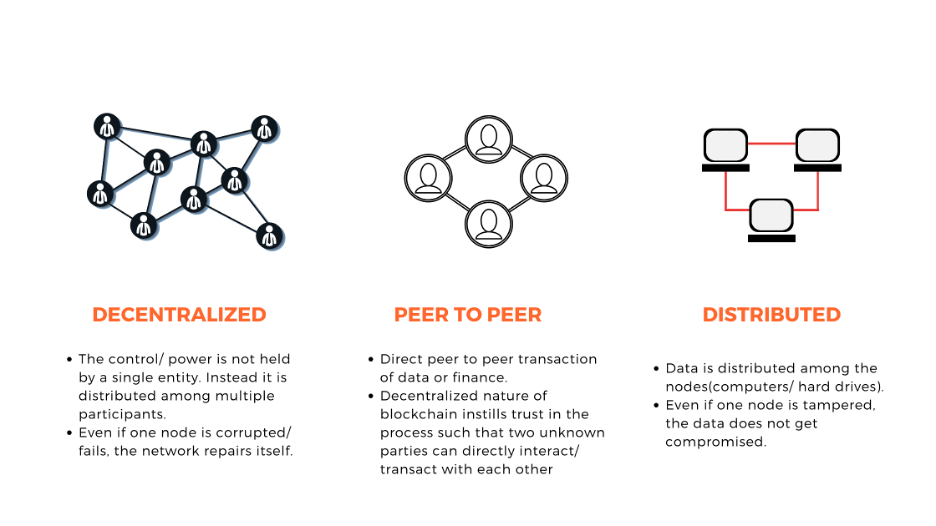
To truly grasp the essence of blockchain, one must understand its departure from traditional centralized database systems. Instead of a single entity controlling and maintaining a ledger, blockchain distributes this responsibility across a network of participants. This architectural choice gives rise to its most celebrated characteristics.
Decentralization: A Paradigm Shift
Perhaps the most radical aspect of blockchain is its decentralized nature. Unlike conventional databases where a central authority (like a bank, government, or corporation) maintains and validates all records, a blockchain operates without a central point of control. Every participant (node) in the network holds a copy of the entire ledger. For a new record (transaction) to be added, a consensus mechanism must be reached among the nodes. This eliminates the need for intermediaries, reduces single points of failure, and distributes power, making the system inherently more resistant to censorship, fraud, and manipulation. The distributed consensus ensures that no single entity can alter the history of transactions without the agreement of the majority of the network.
Immutability and Transparency by Design
Once a transaction or piece of data is recorded on the blockchain, it is virtually impossible to alter or delete. This immutability is achieved through cryptographic hashing and the sequential linking of blocks. Each new block contains a cryptographic hash of the previous block, creating an unbreakable chain. If someone were to try and tamper with an older block, its hash would change, invalidating all subsequent blocks and immediately alerting the network to the attempted fraud. This inherent resistance to modification fosters a high degree of trust in the integrity of the data.
Coupled with immutability is transparency. While personal identities can be anonymized (pseudonymous), every transaction and its associated data are visible to all participants on the network. This “open ledger” approach ensures that all activities are auditable and verifiable by anyone, at any time, without compromising privacy for those who wish to remain anonymous behind cryptographic addresses.
Cryptography: The Guardian of Trust
Cryptography is the backbone of blockchain security. It’s used in several critical ways:
- Cryptographic Hashing: Every block in the chain is given a unique identifier called a hash. This hash is a fixed-size string of characters generated from the block’s data. Even a tiny change in the data will produce an entirely different hash, making tampering immediately detectable.
- Digital Signatures: Transactions are authorized using public-key cryptography. Each participant has a pair of keys: a public key (like an address) and a private key (like a password). The private key is used to digitally sign a transaction, proving ownership and authorization. This signature is then verifiable by anyone using the corresponding public key, ensuring the transaction’s authenticity and non-repudiation.
- Merkle Trees: Within each block, a Merkle tree (or hash tree) is used to efficiently summarize all the transactions in the block into a single root hash. This allows for quick verification of transaction inclusion without needing to download the entire block.
These cryptographic techniques collectively ensure the integrity, authenticity, and confidentiality (in some cases) of data on the blockchain, establishing trust without reliance on a central authority.
How Blockchain Works: A Deep Dive into its Mechanics
Understanding the fundamental concepts leads us to the operational mechanics of how a blockchain processes and records information. It’s a symphony of distributed computing, cryptography, and game theory.
Blocks, Chains, and Hashes: The Building Blocks
The name “blockchain” directly describes its structure: a chain of blocks.
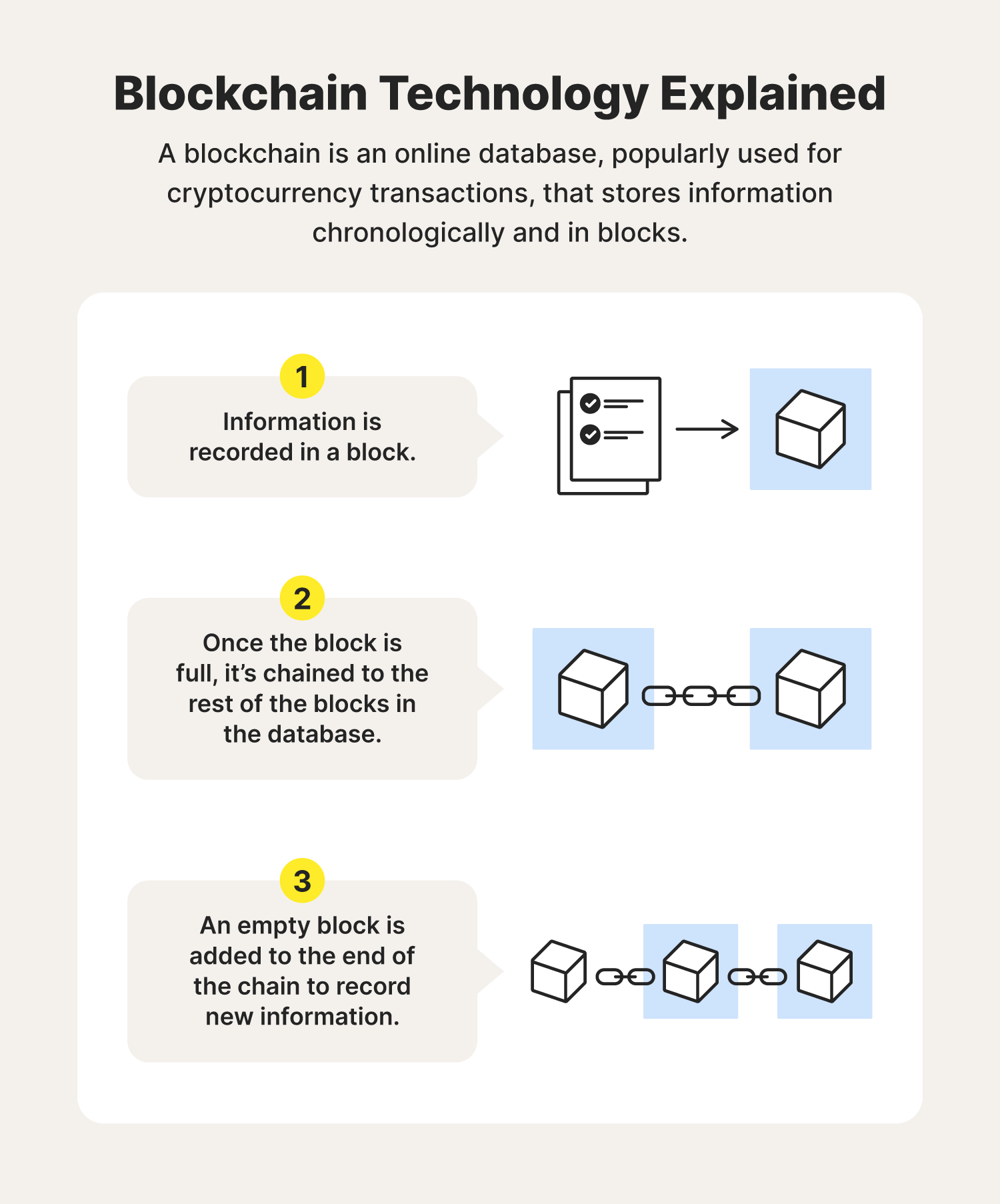
- Blocks: Each block is a data container holding a collection of validated transactions, a timestamp, and the cryptographic hash of the previous block. It also contains a “nonce,” a number used in the mining process.
- Chains: Blocks are linked chronologically. Each new block references the hash of the block that came before it, creating a continuous, immutable chain. This linkage is what makes tampering with historical data incredibly difficult, as changing one block would necessitate changing all subsequent blocks to maintain consistency, a computationally intensive task.
- Hashes: As discussed, cryptographic hashes are unique digital fingerprints. The hash of the previous block acts as a pointer, cementing the order and integrity of the chain.
The Consensus Mechanism: Reaching Agreement
For a decentralized network to agree on the valid state of the ledger and which new block to add, a consensus mechanism is essential. Without a central authority, this mechanism ensures all nodes agree on the validity of transactions and the correct sequence of blocks.
Proof of Work (PoW) Explained
Proof of Work (PoW) is the pioneering consensus mechanism, famously used by Bitcoin. In PoW, “miners” compete to solve a complex computational puzzle (finding a nonce that, when combined with the block data, produces a hash below a target value). This process is energy-intensive but ensures that adding a new block requires significant computational effort, making it costly to attack the network. The first miner to solve the puzzle broadcasts the new block to the network. Other nodes verify the solution and, if correct, add the block to their copy of the ledger. The successful miner is rewarded with newly minted cryptocurrency and transaction fees.
Proof of Stake (PoS) and Other Mechanisms
While effective, PoW’s energy consumption has led to the development of alternative consensus mechanisms. Proof of Stake (PoS) is a prominent example, used by Ethereum 2.0. In PoS, instead of miners competing with computing power, “validators” are chosen to create new blocks based on the amount of cryptocurrency they “stake” (lock up) as collateral. If a validator proposes an invalid block, they risk losing their stake. PoS is generally considered more energy-efficient and scalable than PoW. Other mechanisms include Delegated Proof of Stake (DPoS), Proof of Authority (PoA), and various Byzantine Fault Tolerance (BFT) protocols, each with its own trade-offs regarding decentralization, security, and scalability.
Transactions and the Ledger: Recording the Unchangeable
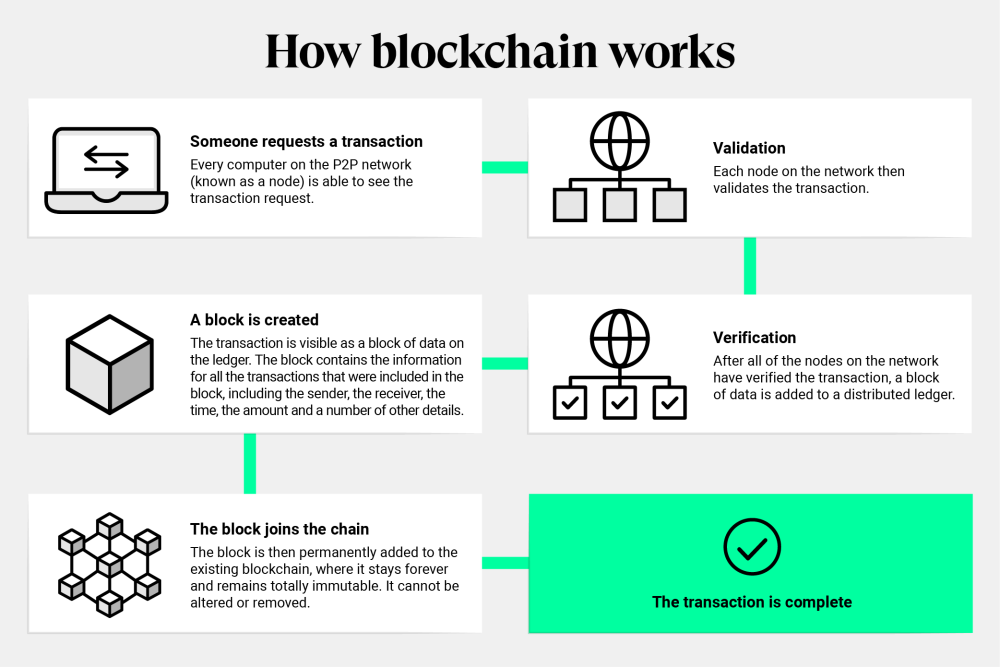
The fundamental unit of activity on a blockchain is a transaction. A transaction represents any valid interaction on the network—sending cryptocurrency, executing a smart contract, or updating a data record. When a transaction is initiated:
- Creation: It’s created, signed with the sender’s private key, and includes details like sender, receiver, amount, and timestamp.
- Broadcasting: It’s broadcasted to the network.
- Verification: Nodes verify the transaction’s validity (e.g., sufficient funds, correct signature).
- Inclusion in a Block: Verified transactions are gathered into a block by a miner or validator.
- Block Validation & Addition: Once a consensus mechanism approves the block, it’s added to the chain, and all network nodes update their copy of the distributed ledger.
This entire process ensures that every record is meticulously checked, agreed upon, and then permanently etched into the shared, unchangeable history of the blockchain.
Key Characteristics and Advantages of Blockchain
The unique architecture and operational model of blockchain technology endow it with several compelling characteristics that offer significant advantages across various applications.
Enhanced Security and Data Integrity
The combination of cryptographic hashing, digital signatures, and decentralized consensus makes blockchain remarkably secure. Any attempt to tamper with data would require overriding the cryptographic links in all subsequent blocks and convincing a majority of the network nodes to accept the fraudulent chain, which is computationally infeasible for large, robust networks. This inherent immutability and resistance to unauthorized modification provide a high degree of data integrity, making it ideal for records where authenticity and permanence are paramount.
Increased Efficiency and Reduced Costs
By removing the need for intermediaries (like banks, lawyers, or clearinghouses) to verify transactions or maintain records, blockchain can streamline processes. Transactions can be executed faster, often in minutes, compared to days for traditional systems, especially for international transfers. This disintermediation directly translates to reduced operational costs, fewer processing delays, and less administrative overhead, leading to greater overall efficiency.
Greater Transparency and Auditability
The transparent nature of public blockchains means that all transactions are visible to every participant. While identities may be pseudonymous, the history of every asset or data point is openly recorded and auditable. This transparency builds trust among participants who don’t necessarily know or trust each other, as they can independently verify the ledger’s state. For supply chains, financial audits, or regulatory compliance, this capability offers unprecedented levels of insight and accountability.
Resilience Against Single Points of Failure
In a centralized system, a single point of failure—whether due to a cyberattack, system malfunction, or malicious insider—can bring down the entire system or compromise all data. Blockchain’s distributed architecture mitigates this risk. Because thousands of nodes independently maintain a copy of the ledger, even if a significant number of nodes go offline or are compromised, the network can continue to operate, and the data remains intact and accessible from other nodes. This resilience makes blockchain highly robust and resistant to catastrophic failures.
Beyond Cryptocurrency: Diverse Applications of Blockchain
While cryptocurrencies brought blockchain into the mainstream, its technological capabilities extend far beyond digital money. Its core attributes—decentralization, immutability, and transparency—make it suitable for a myriad of applications across various sectors.
Supply Chain Management and Provenance
Blockchain can revolutionize supply chain transparency and efficiency. By recording every step of a product’s journey—from raw materials to manufacturing, shipping, and retail—on an immutable ledger, companies can track provenance with unprecedented accuracy. This helps combat counterfeiting, ensures ethical sourcing, verifies authenticity, and provides consumers with complete visibility into product origins, improving trust and accountability in complex global supply chains.
Digital Identity and Data Ownership
The traditional model of digital identity relies on centralized authorities (governments, social media companies) that control personal data. Blockchain offers a path toward self-sovereign identity, where individuals own and control their digital credentials. Users can selectively share verifiable aspects of their identity without revealing unnecessary personal information, enhancing privacy and reducing the risk of identity theft. This paradigm shift empowers individuals to manage their digital footprint more effectively.
Smart Contracts: Automating Trust
Smart contracts are self-executing contracts with the terms of the agreement directly written into lines of code. They run on a blockchain, automatically executing when predefined conditions are met. This eliminates the need for intermediaries to enforce contracts, reducing costs, time delays, and the potential for human error or manipulation. Smart contracts are applicable in countless scenarios, from escrow services and insurance claims to real estate transactions and automated legal agreements.
Healthcare and Secure Record Keeping
Blockchain can address critical challenges in healthcare, such as data fragmentation, security breaches, and interoperability. By creating a secure, unchangeable record of patient data, medical records can be shared securely and efficiently between authorized providers, patients, and researchers. This improves data integrity, streamlines administrative processes, and enhances patient privacy while facilitating medical research and personalized treatment plans.
The Internet of Things (IoT) Integration
Integrating blockchain with IoT devices can enhance security, foster trust, and enable automated interactions between devices. Blockchain can record and authenticate data generated by IoT sensors, ensuring its integrity and preventing tampering. Furthermore, smart contracts can facilitate autonomous transactions and data exchanges between IoT devices, enabling new levels of automation and efficiency in smart homes, smart cities, and industrial IoT applications.
Challenges and the Future Evolution of Blockchain
Despite its transformative potential, blockchain technology is still evolving and faces several significant hurdles that need to be overcome for widespread mainstream adoption.
Scalability and Performance Hurdles
Many current blockchain networks, especially public ones like Bitcoin and Ethereum (pre-Eth 2.0), struggle with scalability. They can process only a limited number of transactions per second compared to traditional payment systems like Visa. This bottleneck affects transaction speed and cost. Research into solutions like sharding, layer-2 solutions (e.g., Lightning Network, optimistic rollups), and alternative consensus mechanisms aims to increase throughput without compromising decentralization or security.
Regulatory Landscape and Adoption Barriers
The regulatory environment for blockchain and cryptocurrencies remains fragmented and uncertain across different jurisdictions. Lack of clear legal frameworks, tax implications, and consumer protection guidelines can hinder innovation and institutional adoption. Furthermore, the complexity of the technology, coupled with a steep learning curve, presents a barrier to entry for many potential users and businesses, requiring better user interfaces and simpler integration tools.
Interoperability: Connecting Blockchains
As more blockchains emerge, the challenge of interoperability—the ability for different blockchains to communicate and exchange data or assets seamlessly—becomes crucial. Currently, most blockchains operate as isolated silos. Solutions like cross-chain bridges, atomic swaps, and standardized protocols are being developed to enable a more interconnected blockchain ecosystem, allowing for greater functionality and liquidity across networks.
The Continuous Innovation Landscape
The blockchain space is characterized by rapid innovation. New protocols, cryptographic techniques, and application layers are constantly being developed. This dynamic environment requires continuous learning and adaptation for developers and businesses. The future will likely see specialized blockchains for specific use cases, further integration with other emerging technologies like AI and quantum computing, and a push towards more energy-efficient and user-friendly solutions.
In conclusion, blockchain is far more than just the technology behind digital currencies. It is a robust and flexible infrastructure for creating decentralized, secure, and transparent digital ledgers that can underpin a vast array of applications. While challenges remain, the ongoing innovation and increasing understanding of its capabilities suggest that blockchain technology is poised to play a pivotal role in shaping the future of digital interactions, data management, and trust in the interconnected world. Its journey from a niche cryptographic curiosity to a mainstream technological contender is well underway, promising to redefine how we establish and maintain trust in an increasingly decentralized future.
aViewFromTheCave is a participant in the Amazon Services LLC Associates Program, an affiliate advertising program designed to provide a means for sites to earn advertising fees by advertising and linking to Amazon.com. Amazon, the Amazon logo, AmazonSupply, and the AmazonSupply logo are trademarks of Amazon.com, Inc. or its affiliates. As an Amazon Associate we earn affiliate commissions from qualifying purchases.