
In an era saturated with digital content, the question “what channel is Amazon Prime?” is more than just a query about a television station; it’s a testament to the profound shift in how we consume media. The very premise of the question highlights a common misconception rooted in the traditional broadcast model, where content was delivered via specific numbered channels. Amazon Prime Video, however, operates within a fundamentally different technological framework – that of a streaming service, an on-demand digital platform that has redefined the architecture of entertainment. Understanding Amazon Prime Video is to understand a cornerstone of modern digital technology, its delivery mechanisms, and its integration into a vast connected ecosystem.

Beyond the Traditional Broadcast: Understanding Amazon Prime Video as a Streaming Service
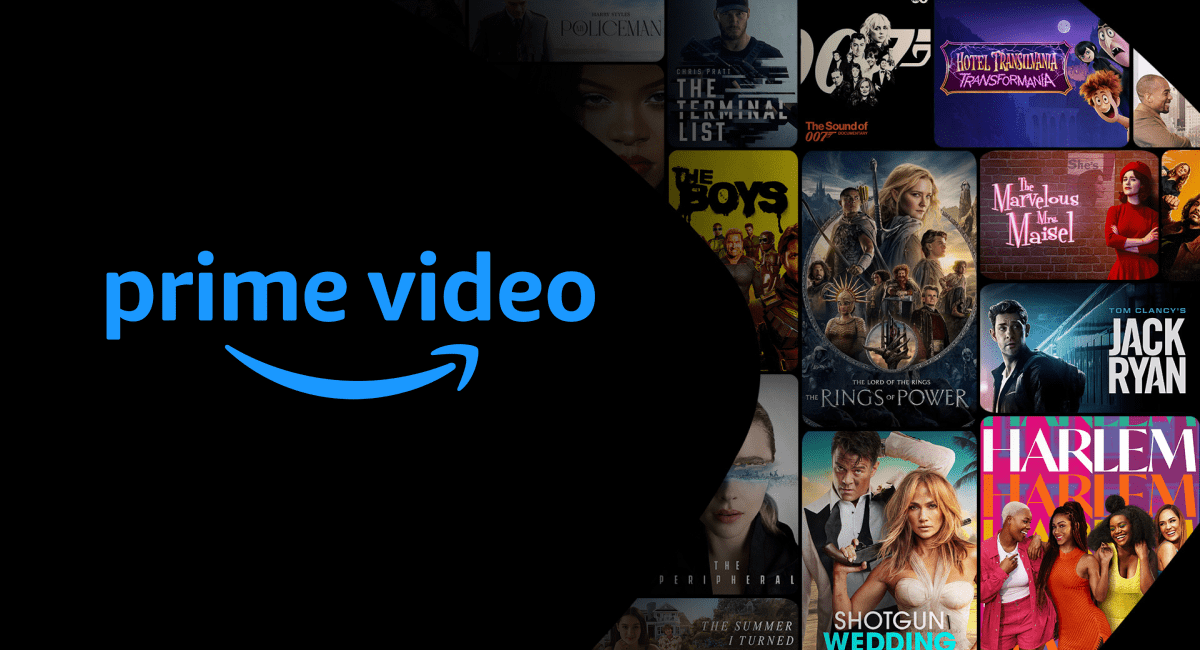
The transition from linear television to on-demand streaming represents one of the most significant technological paradigm shifts in media consumption history. Amazon Prime Video is not a “channel” in the conventional sense, but rather a sophisticated over-the-top (OTT) media service that delivers content directly to viewers over the internet, bypassing traditional broadcast, cable, or satellite television providers. This distinction is crucial for comprehending its operational model, its technological underpinnings, and its user experience.
The Paradigm Shift: From Linear Channels to On-Demand Platforms
Historically, television channels operated on a linear schedule, dictating when and what viewers could watch. The technology involved broadcast towers, satellite uplinks, or cable networks transmitting signals to home receivers. Streaming services like Amazon Prime Video, by contrast, leverage the internet’s global infrastructure to offer a vast library of content accessible anytime, anywhere, on a multitude of devices. This “on-demand” nature is empowered by advanced data compression, content delivery networks (CDNs), and sophisticated streaming protocols that ensure seamless playback and adaptive quality based on network conditions. The technological leap is from scheduled signal transmission to personalized, interactive data delivery, making the user the orchestrator of their viewing experience rather than a passive recipient.
Core Architecture: How Prime Video Delivers Content
At its heart, Amazon Prime Video is an application-based platform. Its content—ranging from blockbuster movies and popular TV series to exclusive Amazon Originals—is hosted on vast server farms, typically within Amazon Web Services (AWS) infrastructure. When a user requests a title, the video data is streamed from these servers through a global network of CDNs. CDNs intelligently distribute content to servers geographically closer to the end-user, minimizing latency and maximizing delivery speed. This intricate network architecture ensures that a user in Tokyo can stream content as efficiently as someone in New York, regardless of where the original content server is located. Furthermore, adaptive bitrate streaming (e.g., HLS or DASH) technology is employed, dynamically adjusting video quality (from standard definition to 4K Ultra HD) in real-time based on the user’s internet speed and device capabilities, preventing buffering and optimizing the viewing experience.
The Ecosystem Advantage: Prime Video within the Amazon Suite
Prime Video is not a standalone entity but an integral component of the broader Amazon Prime membership. This integration offers a synergistic technological advantage. Beyond video streaming, Prime members benefit from fast shipping, Amazon Music, Prime Reading, and other digital perks. From a technological perspective, this means a unified account management system, shared user profiles, and cross-platform recommendations powered by Amazon’s robust AI and machine learning algorithms. This ecosystem approach leverages vast amounts of user data—browsing habits, purchase history, viewing patterns—to create a highly personalized and sticky experience, reinforcing user loyalty and expanding the reach of the Prime service far beyond just video.
Navigating the Digital Landscape: Accessing Amazon Prime Video Across Devices
The beauty of Amazon Prime Video’s technology lies in its ubiquity. Unlike traditional channels confined to a television set, Prime Video can be accessed on virtually any internet-connected device, providing unparalleled flexibility and convenience. This broad compatibility is a deliberate design choice, reflecting the multi-device reality of modern life and the platform’s commitment to accessibility.
Smart TVs and Dedicated Streaming Devices: The Living Room Hub
For many, the primary viewing experience for Prime Video occurs on a smart television or via a dedicated streaming device connected to a TV. Smart TVs from manufacturers like Samsung, LG, Sony, and others come with the Amazon Prime Video app pre-installed or readily downloadable from their respective app stores. Dedicated streaming devices such as Amazon’s own Fire TV Stick, Roku devices, Apple TV, and Google Chromecast also offer the Prime Video app. These devices are optimized for large-screen viewing, often supporting high-resolution formats like 4K HDR and immersive audio standards like Dolby Atmos, provided the underlying hardware and internet connection can support them. The user interface on these platforms is designed for remote control navigation, prioritizing ease of discovery and playback.
Mobile and Desktop Access: Entertainment On-the-Go and At Your Fingertips
The Prime Video app is available for a wide range of mobile devices, including iOS (iPhone, iPad) and Android smartphones and tablets. This mobile access leverages the devices’ native capabilities for touch-screen interaction, push notifications, and even offline downloads. Users can download select content to their devices over Wi-Fi, allowing for viewing without an internet connection—an essential feature for travelers or those with limited mobile data plans. Similarly, Prime Video is fully accessible through web browsers on desktop and laptop computers (e.g., Chrome, Firefox, Safari, Edge). The web interface often provides a more robust search and navigation experience, leveraging the keyboard and mouse for quick content discovery and management. The web platform also serves as a crucial point for account management, subscription services, and parental controls.
Gaming Consoles and Other Integrations: Expanding the Viewer’s Reach
Modern gaming consoles, including PlayStation (PS4, PS5) and Xbox (Xbox One, Series X/S), have evolved into comprehensive entertainment hubs. They feature fully functional Amazon Prime Video apps, allowing gamers to transition seamlessly from gaming to streaming entertainment. Beyond these, Prime Video also finds its way onto other niche devices, smart displays, and even some in-car entertainment systems, showcasing the platform’s commitment to extending its reach wherever an internet connection and a display can be found. Each integration requires specific software development kits (SDKs) and APIs to ensure optimal performance and a consistent user experience across diverse hardware environments.
Enhancing Your Viewing Experience: Features and Technical Considerations
Beyond merely delivering content, Amazon Prime Video incorporates a suite of technological features designed to enrich the viewing experience, while also presenting certain technical requirements and considerations for optimal enjoyment. These features leverage sophisticated software engineering and network management to provide flexibility, control, and accessibility.
Stream Quality and Bandwidth Requirements: The Foundation of Smooth Playback
The quality of your Prime Video stream is directly dependent on your internet connection’s bandwidth. To stream standard definition (SD) content, a minimum of 0.9 Mbps is recommended. For high definition (HD) content, 3.5 Mbps is typically required. To fully appreciate 4K Ultra HD (UHD) and HDR content, a robust connection of at least 15 Mbps, and preferably 25 Mbps or higher, is essential. These figures represent the sustained data transfer rates needed to prevent buffering and ensure crisp, clear visuals. The adaptive bitrate streaming technology automatically adjusts the video quality based on the detected bandwidth, ensuring continuous playback, albeit sometimes at a lower resolution. Users with slower connections might experience frequent downscaling of video quality, while those with ample bandwidth can enjoy the highest fidelity.
User Profiles and Parental Controls: Tailoring the Experience
Prime Video supports multiple user profiles, a crucial feature for households with diverse viewing preferences. Each profile can maintain its own watch history, recommendations, and watchlists. Technologically, this involves server-side data storage linked to individual profile IDs, allowing for personalized content algorithms. Furthermore, robust parental controls allow account holders to restrict content based on age ratings (G, PG, PG-13, R, NC-17) for specific profiles or devices. These controls are typically PIN-protected and can prevent purchases or access to mature content, providing a safe viewing environment for children. The implementation relies on metadata associated with each title and a secure authentication system.
Offline Viewing and Downloads: Accessibility Beyond Connectivity
One of the most valuable technological features is the ability to download select titles for offline viewing. This functionality is particularly useful for mobile users who may face limited or no internet access (e.g., during flights, commutes, or in areas with poor Wi-Fi). The Prime Video app for iOS and Android devices provides this option, encrypting the downloaded content and applying time-based digital rights management (DRM) to ensure compliance with licensing agreements. Users can choose download quality, which impacts storage space on their device. This feature transforms content from a live stream to a locally stored file, enhancing the platform’s versatility.
Exploring Prime Video Channels: The “Channel” Experience Within the App
While Amazon Prime Video itself is not a traditional channel, it does offer “Prime Video Channels.” These are optional, à la carte subscriptions to third-party streaming services (like HBO, Showtime, Starz, Paramount+, etc.) that users can add directly within their Prime Video app. For an additional monthly fee, subscribers gain access to the content libraries of these services, all managed and billed through their Amazon account. This essentially creates a “channel” ecosystem within the Prime Video application, consolidating multiple subscriptions under one interface. From a technical standpoint, this simplifies content discovery and playback, as users don’t need to switch between different apps; the content from these partner channels is integrated directly into the Prime Video interface, powered by Amazon’s backend infrastructure and authentication.
The Technological Edge: Innovations Driving Prime Video’s Evolution
Amazon Prime Video continues to evolve, pushing the boundaries of what’s possible in digital entertainment. Its technological advancements are not static but are constantly refined through cutting-edge research and development in areas like artificial intelligence, cloud computing, and advanced media formats.
AI and Personalization: Tailoring Content Discovery
Amazon’s prowess in AI and machine learning is a cornerstone of Prime Video’s personalization engine. Algorithms analyze vast datasets, including viewing habits, ratings, search queries, and even purchase history from the wider Amazon ecosystem, to provide highly relevant content recommendations. This goes beyond simple genre matching; it predicts user preferences, suggests titles based on nuanced tastes, and even influences the layout of the user interface. AI is also employed in content discovery, subtitling, and even in optimizing video encoding for better quality at lower bitrates. This intelligent personalization aims to reduce decision fatigue and enhance user engagement.
Cloud Infrastructure and Global Scalability: Delivering Content Worldwide
The sheer scale of Prime Video’s global operation is a testament to the power of cloud computing, specifically Amazon Web Services (AWS). AWS provides the robust, scalable infrastructure necessary to store a massive content library, handle millions of simultaneous streams, and manage user data across the globe. This cloud-native architecture allows Prime Video to rapidly expand into new regions, provision resources on demand, and maintain high availability even during peak viewing periods. The distributed nature of AWS data centers and edge locations is critical for minimizing latency and ensuring a consistent, high-quality experience for users worldwide.

Future-Proofing Entertainment: HDR, 4K, and Immersive Audio
Prime Video is at the forefront of adopting and pushing advanced media formats. It offers a substantial library of 4K Ultra HD content, providing four times the resolution of standard HD, resulting in incredibly detailed visuals. High Dynamic Range (HDR) technology, including HDR10 and Dolby Vision, further enhances the visual experience by expanding the contrast ratio and color accuracy, delivering brighter whites, deeper blacks, and a wider spectrum of vibrant colors. Coupled with immersive audio technologies like Dolby Atmos, which creates a three-dimensional soundscape, Prime Video aims to deliver a truly cinematic experience directly to the home. The integration and delivery of these advanced formats require significant computational power for encoding, high bandwidth for transmission, and compatible playback devices, all of which are managed by sophisticated technological infrastructure.
In conclusion, “what channel is Amazon Prime?” is best answered by understanding that it is a sophisticated, technologically advanced streaming service that transcends the traditional concept of a channel. It’s an application-driven, on-demand digital platform accessible across a myriad of devices, powered by cloud computing, AI, and cutting-edge media technologies. Its evolution continues to reshape how we access, consume, and interact with entertainment in the digital age, representing a monumental shift from linear broadcasting to a personalized, highly interactive, and globally connected viewing experience.
aViewFromTheCave is a participant in the Amazon Services LLC Associates Program, an affiliate advertising program designed to provide a means for sites to earn advertising fees by advertising and linking to Amazon.com. Amazon, the Amazon logo, AmazonSupply, and the AmazonSupply logo are trademarks of Amazon.com, Inc. or its affiliates. As an Amazon Associate we earn affiliate commissions from qualifying purchases.