
In an increasingly digital economy, subscription services have become a ubiquitous part of modern financial planning. Among these, Amazon Prime stands out, offering a vast array of benefits that span logistics, entertainment, and exclusive deals. However, for the financially savvy individual, the decision to purchase Amazon Prime—or any subscription, for that matter—is not merely about clicking a button; it’s a strategic financial decision. This article will guide you through the process of acquiring an Amazon Prime membership, viewed strictly through the lens of personal finance, helping you assess its value, navigate payment options, and manage your investment effectively.

Evaluating the Financial Rationale for Amazon Prime
Before committing your hard-earned money to any recurring expense, a thorough financial assessment is paramount. Amazon Prime, while seemingly indispensable to many, represents an ongoing outflow of capital that must be justified by tangible financial benefits and personal utility. Understanding the monetary value of its offerings and conducting a personal cost-benefit analysis will be crucial to making an informed financial decision.
Unpacking the Monetary Value of Prime Benefits
Amazon Prime bundles numerous services, each of which could potentially incur separate costs if purchased individually. The core financial allure often lies in its expedited shipping benefits. For frequent Amazon shoppers, the savings on shipping fees can quickly outweigh the annual membership cost. Consider the typical shipping cost for non-Prime members; if you place several orders a month, these savings accumulate rapidly.
Beyond shipping, Prime Video offers a substantial library of movies and TV shows, replacing or supplementing other streaming subscriptions. For households already paying for multiple streaming services, Prime Video might offer enough content to justify cancelling another, leading to direct savings. Similarly, Prime Music provides ad-free access to millions of songs, potentially eliminating the need for a separate music streaming subscription.
Other financial perks include exclusive access to Prime Day deals and Lightning Deals, which can offer significant discounts on products, enabling strategic purchases during sales events. Prime Reading provides a rotating selection of free e-books and magazines, reducing expenditure on digital literature. The aggregate value of these benefits, when utilized effectively, can present a compelling financial argument for membership. However, it’s critical to assess which of these benefits you genuinely need and will use, as unused features represent wasted potential value from your investment.
Performing a Personal Cost-Benefit Analysis
A personal cost-benefit analysis for Amazon Prime involves weighing the annual or monthly subscription fee against the quantifiable and perceived monetary savings and convenience it provides. Start by tallying your estimated annual spending on Amazon. How many orders do you typically place that would incur shipping charges? Calculate the potential shipping fee savings based on your past shopping habits.
Next, consider your current expenditures on entertainment. If you subscribe to other streaming services for video or music, evaluate whether Prime Video or Prime Music could replace them. Assign a monetary value to the convenience of faster shipping, especially for time-sensitive purchases, recognizing that convenience, while intangible, often translates into saved time, which has an inherent economic value.
Factor in the potential savings from exclusive Prime deals. While these are harder to predict, if you regularly purchase items that frequently go on sale during Prime events, this can contribute to the positive side of your ledger. Conversely, be honest about which benefits you won’t use. If you rarely stream video, don’t read e-books, and only shop on Amazon occasionally, the financial benefits might be minimal, making the subscription an unnecessary expense. The goal is to determine if the monetary value you derive from using Prime’s features exceeds the cost of the subscription, ensuring your money is invested wisely.
Navigating Amazon Prime’s Subscription Models and Pricing
Amazon Prime is not a one-size-fits-all financial commitment. Understanding the various subscription models and potential discounts is essential for optimizing your investment and ensuring you select the most cost-effective option for your financial situation. Strategic consideration of payment frequency and eligibility for special programs can lead to significant savings over time.
Annual vs. Monthly: Optimizing Your Investment
Amazon Prime typically offers two primary payment structures: an annual membership and a monthly membership. From a financial perspective, the annual option almost invariably represents a better value. Paying for a full year upfront usually results in a lower overall cost compared to paying month-to-month for the same 12-month period. This is a common strategy employed by subscription services to incentivize longer commitments and reduce administrative overhead.
For instance, if the annual fee is, say, $139, and the monthly fee is $14.99, paying monthly for a year would cost $14.99 x 12 = $179.88. This represents a saving of approximately $40.88 by opting for the annual plan. Therefore, if you are confident in your long-term usage of Amazon Prime and your personal finance situation allows for the upfront payment, the annual subscription is the financially prudent choice.
However, the monthly option does offer greater financial flexibility. It can be beneficial for individuals who are uncertain about their long-term usage, those on a tight month-to-month budget who prefer smaller, more frequent outlays, or those who anticipate needing Prime only for a specific, shorter period (e.g., during holiday shopping seasons). While more expensive in the long run, it provides the freedom to cancel without losing a significant upfront investment, offering a different kind of financial security for some.
Exploring Discounted Prime Memberships (Student, EBT)
Amazon offers discounted Prime memberships to make its services more accessible to specific demographics, presenting significant financial opportunities for eligible individuals. These programs are not merely conveniences but crucial pathways to managing personal finances more effectively for those with limited income.
Prime Student: For currently enrolled college students, Amazon provides a substantially reduced Prime membership, often including an extended free trial period (e.g., six months). After the trial, the monthly or annual fee is typically half of the standard rate. This discount is a tremendous financial benefit for students, enabling them to access shipping, entertainment, and study resources without straining their limited budgets. Eligibility usually requires a valid .edu email address or other proof of student status.
Prime Access (EBT & Medicaid): Recognizing the financial challenges faced by low-income individuals, Amazon offers Prime Access to qualified recipients of government assistance programs, such as EBT (Electronic Benefits Transfer) or Medicaid. This program typically slashes the monthly membership fee significantly, making Prime’s benefits, particularly free shipping on essential goods, far more attainable. This initiative can be a crucial financial tool for households aiming to stretch their budgets further, providing access to competitive pricing and convenient delivery without the burden of standard membership costs.
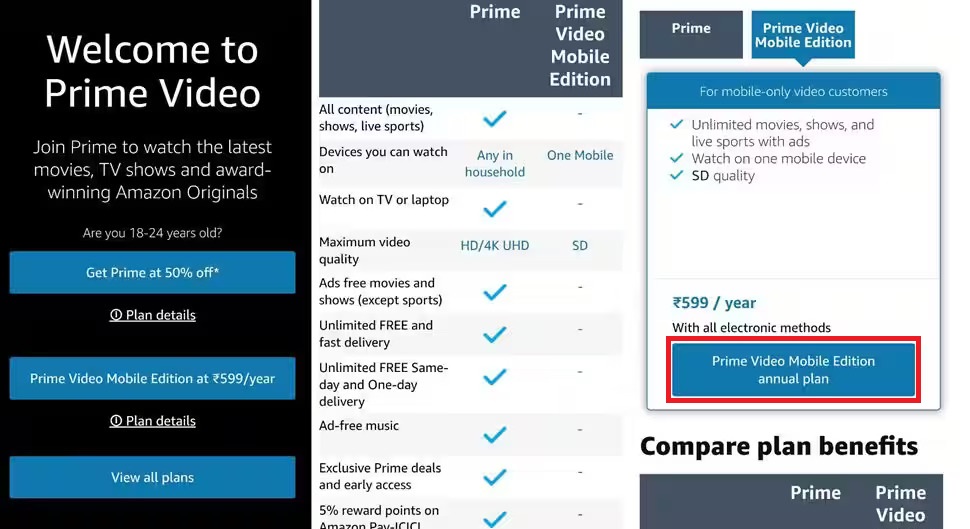
Individuals should actively check their eligibility for these programs, as they represent substantial savings and a smart financial move if applicable.
The Strategic Use of Free Trials
Amazon Prime frequently offers free trial periods, typically 30 days, for new members. This is not just a promotional gimmick but a valuable financial tool for risk-free evaluation. A free trial allows you to experience the full suite of Prime benefits without any immediate financial commitment.
To use a free trial strategically:
- Assess Usage: During the trial, actively use all the Prime benefits you anticipate needing. Place several orders to gauge shipping speed and reliability. Explore Prime Video and Music. Test out Prime Reading. This hands-on experience will help you determine if the service genuinely aligns with your financial cost-benefit analysis.
- Monitor Your Calendar: Crucially, set a reminder to review your subscription status before the trial period ends. Amazon will automatically convert your trial into a paid membership (annual or monthly, depending on your selection during sign-up) and charge your linked payment method if you do not cancel.
- Make an Informed Decision: Based on your trial experience and the financial analysis, decide if the paid membership is worth the investment. If not, cancel the trial before the billing date to avoid any charges. If yes, proceed with the confidence that you’ve made a financially sound choice. The free trial is an excellent way to mitigate financial risk and ensure the service provides tangible value before a monetary commitment.
The Financial Transaction: Step-by-Step Purchase Guide
Once you’ve made the informed financial decision to purchase Amazon Prime, the next step involves the actual transaction process. This section focuses on the financial mechanics, security, and considerations related to payment and billing, ensuring a smooth and financially secure enrollment.
Securely Adding Payment Information
Purchasing Amazon Prime requires linking a valid payment method to your Amazon account. This is a critical step where financial security must be prioritized.
- Login to your Amazon Account: Begin by logging into your existing Amazon account. If you don’t have one, you’ll need to create one first.
- Navigate to Prime Membership: You can typically find the option to join Prime from the Amazon homepage (look for “Prime” in the navigation bar) or by searching for “Amazon Prime” directly.
- Choose Your Plan: Select your preferred subscription model – annual or monthly – keeping your cost-benefit analysis in mind. If eligible, ensure you select a discounted student or EBT plan.
- Enter Payment Details: You will be prompted to enter your credit card, debit card, or other accepted payment method details (card number, expiration date, security code, and billing address).
- Review and Confirm: Before finalizing, carefully review all the details: the selected plan, the total cost, the billing cycle, and your payment information. Ensure there are no errors.
- Security Best Practices: Always ensure you are on the official Amazon website (check the URL for
amazon.com) and that the connection is secure (look for “https://” and a padlock icon in your browser’s address bar). Avoid entering payment information on public Wi-Fi networks where data might be vulnerable. Using a strong, unique password for your Amazon account and enabling two-factor authentication adds an extra layer of financial security.
Understanding Billing Cycles and Auto-Renewal
A key aspect of managing any subscription financially is understanding its billing cycle and auto-renewal policies. Amazon Prime, like most subscription services, is designed for continuous service and will automatically renew and charge your selected payment method at the end of each billing period (monthly or annually).
- Initial Charge: Your first charge will occur either immediately (if you opt for a paid membership without a free trial) or at the end of your free trial period.
- Recurring Charges: Subsequent charges will automatically occur on the same date each month or year, depending on your chosen plan. These charges will appear on your bank or credit card statement as “Amazon Prime” or similar.
- Auto-Renewal Implications: While convenient, auto-renewal means you must actively manage your subscription if you decide to cancel or switch plans. Forgetting about an auto-renewal can lead to unexpected charges and an unnecessary drain on your financial resources. It is crucial to be aware of your renewal date and plan accordingly, especially if your financial circumstances change or if you reassess the value of Prime.
Gifting Prime: A Financial Consideration for Others
Amazon Prime memberships can also be purchased as gifts, representing a thoughtful financial gesture. When gifting Prime, you pay for a full year of membership upfront for the recipient.
- Purchase a Gift Membership: Amazon has a specific section for purchasing gift memberships.
- Enter Recipient Details: You’ll need the recipient’s email address and the desired delivery date.
- One-Year Term: Gift memberships are typically for a fixed one-year term and do not automatically renew, providing a clear financial boundary for both the giver and the receiver.
This option is excellent for helping friends or family access Prime benefits for a defined period without them incurring an ongoing financial commitment or needing to provide their payment details. It’s a way to share the financial benefits of Prime with others.
Managing Your Amazon Prime Investment Post-Purchase
Acquiring Amazon Prime is just the first step; effective financial management of your subscription involves continuous monitoring and occasional re-evaluation. To ensure your investment remains worthwhile and doesn’t become a forgotten expense, proactive management is key.
Monitoring Your Subscription and Renewal Dates
Regularly checking your Amazon Prime membership status and upcoming renewal dates is a fundamental aspect of responsible financial stewardship.
- Access Your Account: Log in to your Amazon account and navigate to “Accounts & Lists” > “Your Prime Membership” or “Manage Prime Membership.”
- Review Details: Here, you’ll find comprehensive information about your current plan, the date of your next charge, and the payment method on file.
- Set Reminders: It’s a wise financial practice to set a personal calendar reminder a week or two before your renewal date. This gives you ample time to reassess your usage, financial situation, and decide whether to continue the subscription or make changes without the pressure of an imminent charge. Forgetting this step can lead to an automatic renewal for another month or year, potentially tying up funds you could allocate elsewhere.
Budgeting for Recurring Prime Expenses
Integrating your Amazon Prime membership fee into your personal or household budget is crucial for maintaining financial control. Treat it as a fixed recurring expense, similar to utilities or rent.
- Allocate Funds: Whether you pay monthly or annually, ensure you have allocated sufficient funds for this expense. If paying annually, consider setting aside a portion of the fee each month into a dedicated savings pot so the lump sum payment doesn’t cause a financial shock.
- Re-evaluate Periodically: As part of your regular budgeting review, periodically reassess the value you’re deriving from Prime. Have your shopping habits changed? Are you still utilizing the streaming services? Is there a cheaper alternative that meets your needs? Your financial landscape evolves, and your subscription choices should evolve with it. If the benefits no longer outweigh the cost, it’s time to consider alternatives or cancellation.

The Financial Implications of Cancellation and Refunds
Understanding the financial implications of cancellation is as important as understanding the purchase process.
- Cancellation Process: Amazon makes it relatively straightforward to cancel your Prime membership. You can do so through the “Manage Prime Membership” section of your account.
- Refund Policy: Amazon’s refund policy for Prime is generally fair. If you cancel an annual membership and haven’t used any Prime benefits (like free shipping or streaming) since your last charge, you might be eligible for a full refund. If you’ve used some benefits, you might receive a partial refund based on the remaining period and the extent of your usage. For monthly memberships, cancellation typically means your benefits will continue until the end of your current billing cycle, and you won’t be charged for the next period.
- Avoiding Unnecessary Charges: The ability to cancel and potentially receive a refund underscores the importance of monitoring your subscription. If you decide Prime is no longer a sound financial investment, cancel promptly to avoid accruing unnecessary charges. This proactive approach ensures your money is always working for you, not against you.
In conclusion, purchasing Amazon Prime is more than a simple transaction; it’s a financial commitment that demands careful consideration, strategic planning, and ongoing management. By thoroughly evaluating its financial value, navigating the available payment models, ensuring secure transactions, and actively managing your subscription, you can ensure that your Amazon Prime membership remains a wise investment that genuinely enhances your financial well-being.
aViewFromTheCave is a participant in the Amazon Services LLC Associates Program, an affiliate advertising program designed to provide a means for sites to earn advertising fees by advertising and linking to Amazon.com. Amazon, the Amazon logo, AmazonSupply, and the AmazonSupply logo are trademarks of Amazon.com, Inc. or its affiliates. As an Amazon Associate we earn affiliate commissions from qualifying purchases.