
In the complex tapestry of global geopolitics and economic competition, nations, much like corporations, cultivate and project distinct brand identities. These national brands influence everything from trade relations and tourism to diplomatic leverage and cultural exchange. Among the most potent and polarizing national brand strategies to emerge in recent memory is “America First.” Far from a simple slogan, “America First” represents a profound repositioning of the United States’ national brand, signaling a deliberate shift in its core values, global engagement, and strategic priorities. Understanding “America First” requires a deep dive into its conceptual framework as a brand strategy, analyzing its pillars, execution, and the resulting impact on its domestic audience and international stakeholders.

Defining the “America First” National Brand
At its core, “America First” is a declarative statement of national brand purpose: to prioritize the interests, well-being, and sovereignty of the United States above all other considerations. This isn’t merely a political stance; it’s a comprehensive rebranding initiative that seeks to redefine America’s identity both internally and externally. It implies a strategic recalibration of the nation’s global footprint, re-evaluating its long-held brand associations and partnerships.
Core Tenets as Brand Pillars
Every strong brand is built upon a set of foundational pillars, and “America First” is no exception. These tenets serve as the guiding principles for policy decisions, messaging, and overall brand behavior:
- Economic Nationalism as the Primary Value Proposition: A central pillar is the commitment to bolstering domestic industries, manufacturing, and employment. This translates into a “Buy American, Hire American” ethos, serving as a powerful value proposition marketed directly to the American consumer and workforce. From a branding perspective, it’s about strengthening the ‘Made in America’ label and associating the national brand with job creation and economic self-sufficiency. This involves protectionist trade policies, tariffs, and a skepticism towards multilateral trade agreements that are perceived as detrimental to domestic producers. It’s a deliberate strategy to re-segment the global market, positioning America as an economic powerhouse primarily serving its internal stakeholders, often at the expense of external trade partners.
- Sovereignty and Independence as Core Brand Attributes: Emphasizing national sovereignty means asserting the United States’ right to act independently on the world stage, free from the constraints of international bodies, treaties, or alliances that are deemed to compromise American interests. This attribute projects an image of strength, autonomy, and an unwavering commitment to self-determination. It suggests a brand that is confident in its own decision-making, less reliant on consensus-building, and more focused on singular national benefit. This redefines brand partnerships, moving away from multilateral obligations towards bilateral agreements that can be more easily leveraged for specific national gains.
- “Peace Through Strength” as a Brand Promise: This pillar focuses on maintaining a robust military and projecting an image of formidable power, ensuring national security and deterring potential adversaries. It’s a brand promise of protection and stability for its citizens, underwritten by unparalleled military might. From a brand perception standpoint, it aims to position America as a global guarantor of its own security, capable of defending its interests unilaterally if necessary, and less reliant on collective security frameworks that might diffuse its power or strategic flexibility.
Historical Echoes and Brand Legacy
While “America First” gained renewed prominence in the 21st century, the concept isn’t entirely new. Its historical antecedents, particularly the isolationist sentiments prevalent before World War II, offer insights into its enduring appeal and potential pitfalls. This historical legacy provides a complex backdrop for the modern “America First” brand. On one hand, it taps into a vein of American exceptionalism and a desire for self-reliance. On the other, it evokes memories of periods when American disengagement from global affairs had profound and often negative consequences. Understanding this legacy is crucial for comprehending how the brand message resonates with different segments of the audience, both domestically and internationally, influencing its perceived authenticity and long-term viability. The current iteration selectively embraces aspects of this legacy, primarily those that champion national interest and question extensive foreign entanglements, while seeking to distance itself from the more controversial aspects of historical isolationism.
Rebranding the Nation: Strategy and Execution
Implementing “America First” as a national brand strategy involves a comprehensive overhaul of messaging, policy, and diplomatic engagement. It’s a strategic repositioning that challenges existing perceptions and aims to forge new associations.
Domestic Messaging and Audience Engagement
For any brand, internal cohesion is paramount. “America First” has been meticulously crafted to resonate with a specific domestic audience, particularly those who feel marginalized by globalization, international trade, and multilateral agreements. The messaging is direct, emphasizing themes of patriotism, economic recovery, and national pride.
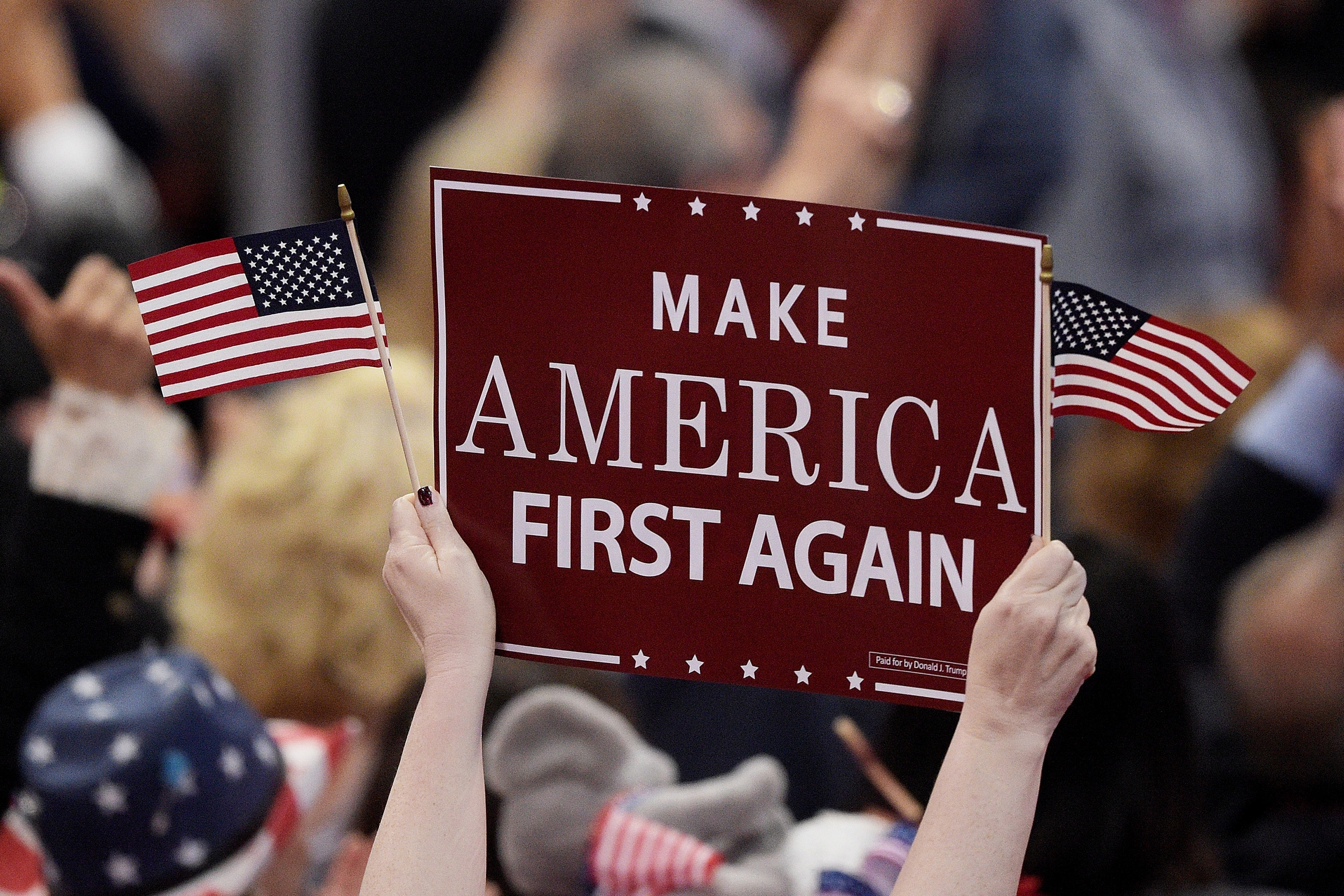
- Targeted Communication: The strategy employs clear, unambiguous language that contrasts “us” (America, its workers, its interests) with “them” (global competitors, international institutions, foreign interests). This creates a powerful narrative of internal solidarity against external challenges.
- Emotional Appeal: The brand leverages emotional drivers such as a sense of fairness (e.g., “unfair trade practices”), nostalgia for a perceived golden era of American manufacturing, and the desire for national strength and security. It appeals to a yearning for a simpler, more self-contained national identity.
- Reclaiming Identity: For many domestic consumers of the “America First” brand, it represents a reclaiming of national identity, a belief that the nation’s priorities had become misaligned with the needs of its own citizens. This deep-seated sentiment provides a strong foundation for domestic brand loyalty. The messaging is often framed as a corrective action, restoring the nation’s true purpose and prioritizing its forgotten citizens.
Global Brand Perception and Reputational Shifts
While “America First” aims to strengthen the domestic brand, its impact on global perception is far more complex and often contentious. Nations, like companies, operate in a highly interconnected global marketplace of ideas, goods, and alliances. A shift in one’s brand strategy inevitably alters how others perceive and interact with it.
- Erosion of Trust and Predictability: The emphasis on unilateral action and the questioning of long-standing alliances can lead to a perception of unpredictability and unreliability among international partners. For nations accustomed to America as a consistent and dependable ally, this shift can erode trust, a critical component of any successful long-term brand relationship.
- Impact on Soft Power: America’s “soft power”—its ability to influence through cultural appeal, political values, and foreign policy rather than military force—can be significantly diminished. A national brand that is perceived as inward-looking or transactional may find it harder to attract allies, influence global norms, or inspire international cooperation. This affects everything from student exchange programs to the global appeal of American cultural products.
- Reconfiguration of Alliances: “America First” prompts a reassessment of existing alliances. Some partners may seek to diversify their own international relations, explore new partnerships, or strengthen regional blocs as a hedge against perceived American disengagement. This leads to a fragmentation of the global political and economic landscape, with new power dynamics emerging. The brand’s messaging, often delivered with a confrontational tone, can alienate traditional allies and create openings for rival national brands to expand their influence.
The Evolving Brand Landscape: Challenges and Opportunities
The “America First” brand strategy, like any ambitious repositioning, faces inherent challenges and presents unique opportunities in an ever-changing global environment.
Navigating Brand Loyalty and International Partnerships
One of the significant challenges for the “America First” brand is managing its relationships with existing “brand loyalists” – long-standing allies who have invested significantly in their partnership with the United States. These allies, having built their own national strategies partly around American leadership and cooperation, find themselves needing to adapt to a new paradigm.
- Reconciling Bilateralism with Multilateralism: The “America First” approach prioritizes bilateral agreements and transactional diplomacy over multilateral institutions. While this offers the opportunity for more flexible, tailored deals, it risks undermining the very institutions and norms that have underpinned global stability and economic prosperity for decades. The brand faces the challenge of demonstrating how a purely bilateral focus can still yield broader global benefits, or if it intends to operate in a largely unipolar diplomatic sphere.
- Maintaining Influence without Consensus: A brand that consistently prioritizes its own interests without significant regard for consensus-building may struggle to maintain its long-term influence. While it might achieve short-term gains, it risks alienating potential partners and creating a more fragmented, less cooperative global environment. The brand must find ways to project leadership and attract followers without always being seen as dictating terms or being unwilling to compromise. This is where the art of “brand diplomacy” becomes critical.

Measuring Brand Equity in a “First-Centric” Era
The ultimate measure of any brand strategy is its long-term impact on brand equity – the overall value and strength of the brand. For “America First,” measuring this equity involves assessing not just economic indicators, but also geopolitical standing, cultural influence, and domestic cohesion.
- Economic Reassessment: While the brand aims to boost domestic economies, its protectionist tendencies can lead to retaliatory tariffs and disruptions in global supply chains, potentially harming the very industries it seeks to protect. Measuring true economic success requires a holistic view that accounts for both direct domestic benefits and the wider costs of global trade friction.
- Reputational Capital: The “America First” brand risks depleting America’s reputational capital – its goodwill, trust, and perceived moral authority on the global stage. Rebuilding this capital, if it is diminished, can take decades. Metrics for brand equity in this context must include global opinion polls, diplomatic effectiveness, and the willingness of other nations to align with American initiatives.
- Domestic Cohesion vs. Global Division: While “America First” can foster a strong sense of national unity and purpose internally, it risks deepening divisions externally. A successful national brand must ideally enhance both internal solidarity and external respect. The long-term challenge for “America First” is to demonstrate that prioritizing national interests doesn’t necessitate alienating crucial allies or retreating from global leadership, but rather reshaping it in a manner that is still beneficial for a wider community of nations.
In conclusion, “America First” is more than a policy agenda; it is a meticulously crafted national brand strategy. It articulates a distinct identity, sets clear priorities, and employs specific messaging to achieve its objectives. Like any brand, its success will ultimately be judged not just by its immediate impact, but by its long-term sustainability, its ability to adapt to changing global dynamics, and its enduring legacy on the American brand equity in a rapidly evolving world. The repositioning is profound, and its reverberations will continue to shape the global brand landscape for years to come.
aViewFromTheCave is a participant in the Amazon Services LLC Associates Program, an affiliate advertising program designed to provide a means for sites to earn advertising fees by advertising and linking to Amazon.com. Amazon, the Amazon logo, AmazonSupply, and the AmazonSupply logo are trademarks of Amazon.com, Inc. or its affiliates. As an Amazon Associate we earn affiliate commissions from qualifying purchases.