
Amazon, the behemoth of e-commerce, cloud computing, and digital streaming, officially opened its virtual doors to customers as an online bookstore on July 16, 1995. While its incorporation as “Cadabra, Inc.” by founder Jeff Bezos took place on July 5, 1994, it was in the summer of the following year that the world truly began to experience what would become one of history’s most transformative brands. This date marks not just the launch of a company, but the nascent stages of a brand identity that would fundamentally reshape consumer behavior, retail, and even the digital infrastructure that powers much of the modern internet. Understanding this pivotal moment is crucial to appreciating the meticulously crafted, yet constantly evolving, brand strategy that propelled Amazon from a Seattle garage to a global empire.
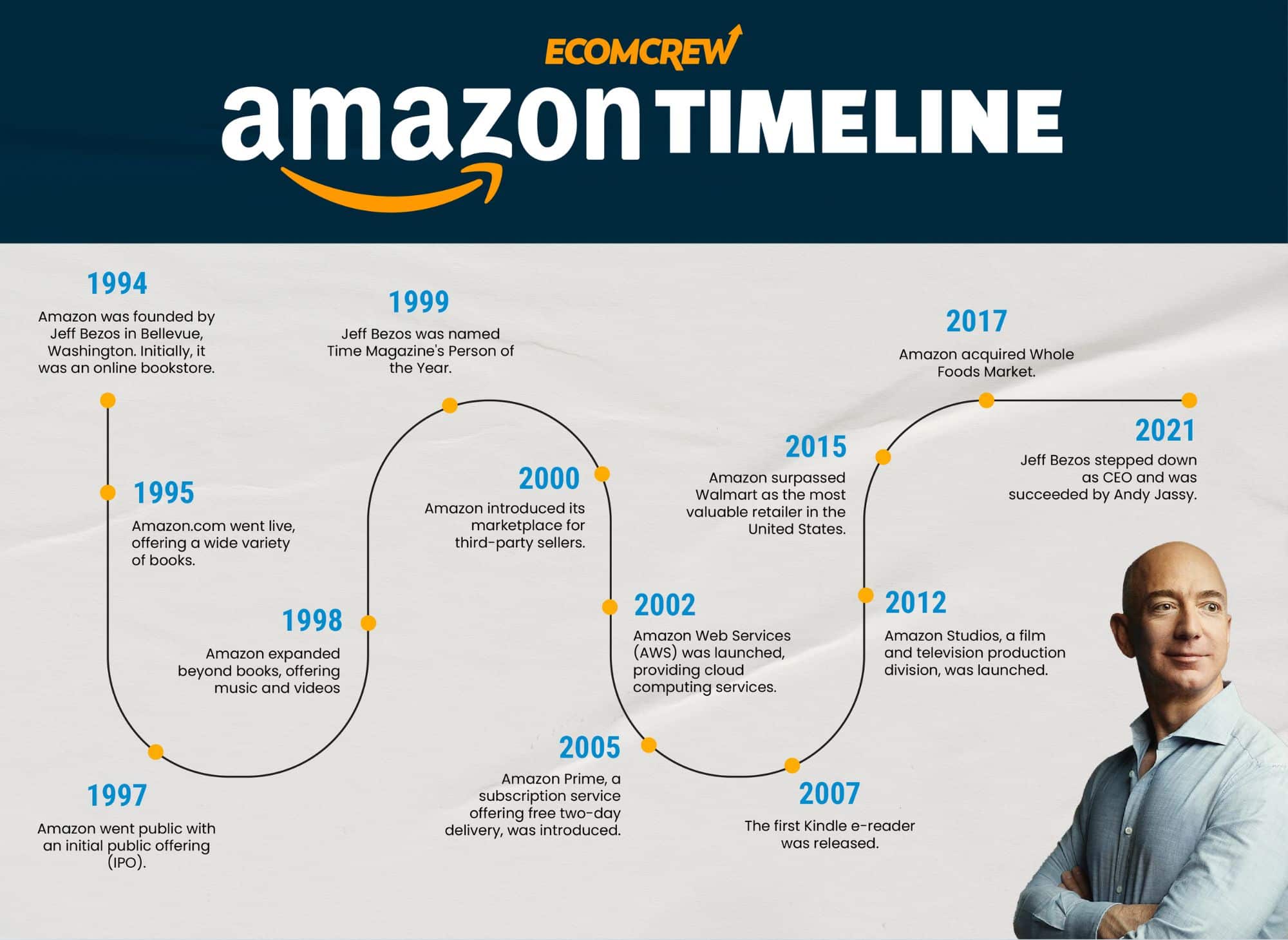
The question of “when did Amazon come out” delves deeper than a simple calendar date; it uncovers the foundational principles, strategic pivots, and relentless customer-centricity that have defined the Amazon brand for nearly three decades. From its humble beginnings selling books to its audacious ambition to become “the everything store,” Amazon’s journey is a masterclass in brand building, market disruption, and the art of perpetual reinvention. Its inception in the mid-1990s placed it at the forefront of the nascent internet boom, allowing it to carve out a dominant position by defining the very experience of online commerce. This article will explore the pivotal moments surrounding Amazon’s emergence, tracing the evolution of its brand identity and its profound impact on the global marketplace.
The Genesis of a Global Brand: Bezos’ Vision and the Founding Moment
The story of Amazon’s brand begins not just with a product, but with a profound vision for the future of commerce and a keen understanding of the internet’s potential. Jeff Bezos, then a successful vice president at a New York hedge fund, recognized the exponential growth of the internet in the early 1990s and identified books as the ideal first product to sell online. Books were high-volume, relatively inexpensive, and didn’t require customers to physically inspect them before purchase, making them perfect for mail order. This strategic choice laid the groundwork for Amazon’s early brand identity as a trusted and convenient online source for a vast selection.
From “Cadabra” to Amazon: Choosing a Name with Brand Resonance
Initially, Bezos incorporated his company under the name “Cadabra, Inc.” in July 1994, a nod to “abracadabra.” However, the name was soon changed. Legend has it that a lawyer misheard “Cadabra” as “cadaver,” highlighting a critical early lesson in brand naming: clarity and positive association are paramount. Bezos subsequently sought a name that conveyed scale and significance, eventually settling on “Amazon.” He chose the name by sifting through a dictionary, finding inspiration in the Amazon River, the largest river in the world, which symbolized the immense volume and vast selection he envisioned for his online store. This strategic naming choice was a stroke of genius, immediately imbuing the brand with a sense of grandeur, scale, and boundless potential. The name “Amazon” wasn’t just descriptive; it was aspirational, perfectly aligning with Bezos’s audacious goal to build “Earth’s biggest bookstore” and, eventually, “the everything store.” It communicated a promise of vastness and variety, a core tenet of the Amazon brand from day one.
The Online Bookstore Revolution: A Niche that Defined Early Identity
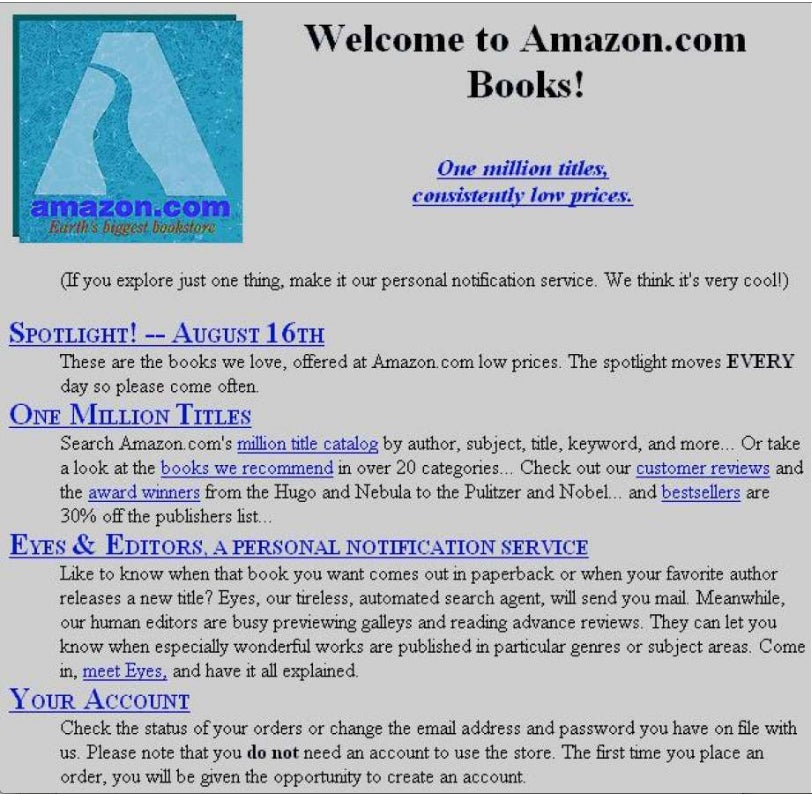
When Amazon.com launched in July 1995, it was an online bookstore, but it was much more than that in terms of its brand implications. It was an experiment in a new form of retail, one that prioritized selection, convenience, and customer reviews. Traditional brick-and-mortar bookstores, even the superstores, could only stock a fraction of the titles Amazon could offer virtually. This “long tail” strategy, offering an immense catalog of products, became a defining feature of the Amazon brand, setting it apart from competitors and establishing its identity as the ultimate destination for discovery and availability. The early brand promise was simple yet revolutionary: if a book existed, Amazon likely had it, and could deliver it to your door. This singular focus on customer access and selection proved incredibly powerful in solidifying its initial brand equity.
The Incubation in Seattle: From Garage to Global Headquarters
Amazon’s early operations from Bezos’s garage in Bellevue, Washington, before moving to a small office in Seattle, are part of its enduring brand mythology. This humble origin story humanizes the corporate giant, connecting it to the entrepreneurial spirit of Silicon Valley. It underscores the brand’s journey from a scrappy startup to a global powerhouse, reinforcing themes of innovation, perseverance, and groundbreaking success against the odds. The brand’s physical location, first in a garage and then growing rapidly within Seattle, became intertwined with its identity, representing a hub of digital innovation and ambitious growth, laying the groundwork for its eventual role as a major tech employer and a defining brand of the digital age.
Early Brand Strategy: Customer Obsession and Rapid Expansion
From its very inception, Amazon’s brand strategy was anchored in a relentless focus on the customer. This wasn’t merely a marketing slogan; it was a deep-seated operational philosophy that guided every decision, from website design to logistics. Bezos famously left an empty chair in meetings to symbolize “the most important person in the room”—the customer. This ethos of “customer obsession” became the cornerstone of the Amazon brand, differentiating it in an era where online commerce was still a nascent and often untrusted domain.
Beyond Books: Crafting “The Everything Store” Identity
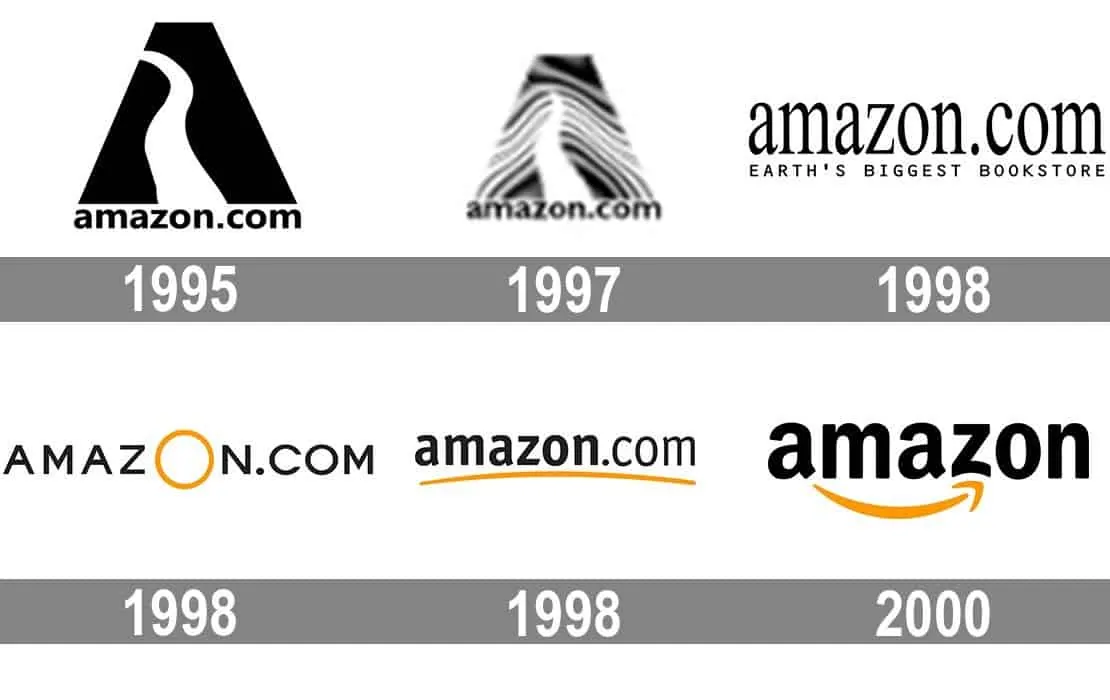
While books provided the perfect entry point, Bezos’s vision was always grander. The expansion beyond books began relatively quickly, initially into music and videos, and then rapidly into electronics, toys, and more. This strategic diversification was a crucial phase in evolving Amazon’s brand from a specialized bookstore to “the everything store.” This ambition was encapsulated in its iconic logo, introduced in 2000, featuring a smile-shaped arrow connecting the “A” and the “Z,” subtly communicating that Amazon sells everything from A to Z. This visual identity perfectly articulated the brand’s expansive promise and commitment to offering an unparalleled selection, reinforcing its position as the ultimate one-stop shop for virtually any consumer need. This transition cemented Amazon’s brand as the ultimate convenience provider, an identity it still fiercely protects and expands upon today.
The Power of Logistics: Building a Trustworthy Brand Experience
A seamless delivery experience is fundamental to any e-commerce brand, and Amazon understood this implicitly. Early investments in fulfillment centers, inventory management, and shipping logistics were not just operational necessities; they were critical components of building brand trust and enhancing customer satisfaction. The brand promise of convenience and reliability would have been meaningless without the operational infrastructure to back it up. By consistently delivering orders on time and offering reliable customer service, Amazon built a reputation for dependability. This commitment to execution transformed what could have been a logistical nightmare into a core brand strength, reassuring customers that their online purchases would arrive as promised, thereby reducing the perceived risk of shopping online. This focus on backend efficiency became a silent yet powerful pillar of the Amazon brand, allowing it to scale globally with confidence.
Iteration and Innovation: Reinforcing the Brand through New Offerings
Amazon’s brand identity is intrinsically linked to its culture of continuous innovation. It wasn’t enough to just sell products; the brand constantly sought to enhance the customer journey and create new value. The introduction of features like one-click ordering, customer reviews, and personalized recommendations were revolutionary for their time and became hallmarks of the Amazon brand experience. These innovations not only improved convenience but also fostered a sense of community and trust among users. Each new service or feature, whether it was expedited shipping options or a more intuitive website interface, served to reinforce Amazon’s brand promise of customer-centricity and technological leadership. This iterative approach to product and service development meant the Amazon brand was always evolving, staying ahead of customer expectations and consistently setting new industry benchmarks.
The Amazon Brand’s Evolution: Iconic Milestones and Diversification
The early years of solidifying its e-commerce brand were followed by a period of audacious expansion into new, seemingly disparate, sectors. These strategic pivots weren’t just about growth; they were about extending the Amazon brand’s influence and relevance across an ever-widening spectrum of consumer and business needs, redefining what an “e-commerce company” could be.
Prime’s Branding Prowess: Loyalty, Convenience, and Lifestyle Integration
Launched in 2005, Amazon Prime was a game-changer for the brand. Initially offering unlimited two-day shipping for an annual fee, Prime evolved into a comprehensive lifestyle subscription, bundling digital streaming (Prime Video), music, e-books, and exclusive deals. Prime transformed the Amazon brand from a transactional retailer into an indispensable subscription service that became deeply integrated into the lives of millions. It fostered unparalleled customer loyalty by making Amazon the default choice for purchases, effectively creating an ecosystem where the value proposition was too compelling to ignore. Prime members, on average, spend significantly more on Amazon, showcasing the profound brand power of this program. Prime became synonymous with convenience, speed, and premium access, cementing Amazon’s brand as a lifestyle enabler rather than just a storefront.
AWS: A B2B Brand Success Story under the Amazon Umbrella
Perhaps one of Amazon’s most surprising and successful brand extensions came with the launch of Amazon Web Services (AWS) in 2006. Originating from Amazon’s own internal infrastructure needs, AWS offered scalable cloud computing services to businesses. While seemingly distinct from its consumer retail brand, AWS leveraged Amazon’s core competencies in technology, reliability, and scale. Its brand promise was simple: provide robust, on-demand infrastructure that allows businesses to innovate faster and more cost-effectively. AWS quickly became the dominant player in the cloud computing market, building its own formidable brand identity within the B2B space. It demonstrated that the Amazon brand could translate its principles of efficiency, innovation, and customer focus into an entirely different market, showcasing the versatility and underlying strength of its core ethos. AWS’s success not only added a powerful new dimension to the Amazon brand but also diversified its revenue streams significantly, proving the brand’s ability to innovate beyond traditional retail.
Echo and Alexa: Expanding the Brand into Everyday Living
The introduction of the Amazon Echo smart speaker and its AI assistant, Alexa, starting in 2014, marked another significant shift in the Amazon brand strategy: moving directly into the home and integrating voice technology into daily routines. Echo and Alexa expanded the Amazon brand from a digital storefront on a screen to an ambient, always-on presence, capable of playing music, answering questions, controlling smart home devices, and—crucially—facilitating Amazon purchases. This move positioned Amazon at the forefront of the smart home revolution, making its brand an integral part of how people interact with technology and manage their lives. It demonstrated Amazon’s commitment to anticipating future consumer needs and embedding its brand ubiquitously, making its services accessible through natural language, further enhancing convenience and solidifying its role as a technological innovator.
Shaping the Modern Brand Landscape: Amazon’s Enduring Influence
From its founding moment in 1994 and its official launch in 1995, Amazon has not merely adapted to the evolving digital landscape; it has actively shaped it. The brand’s journey is a testament to the power of a clear vision, relentless execution, and an unwavering commitment to the customer, leaving an indelible mark on how businesses operate and how consumers live.
Redefining Retail: From Brick-and-Mortar to Digital Dominance
Amazon’s brand fundamentally redefined retail. It shifted consumer expectations from physical stores to the infinite aisles of the internet, making selection, price, and convenience the paramount factors. Before Amazon, brick-and-mortar stores dictated product availability and pricing. Amazon’s brand promise of vast selection, competitive pricing, and swift delivery dismantled these traditional barriers. It taught consumers to expect more—more choices, faster shipping, and personalized experiences—forcing established retailers to adapt or face obsolescence. The “Amazon effect” became a widely recognized term describing the disruptive influence Amazon’s brand had on the entire retail sector, demonstrating how a powerful digital brand could reshape a centuries-old industry.
The Amazon Effect: How One Brand Transformed Consumer Expectations
Beyond just retail, the “Amazon Effect” extends to nearly every aspect of consumer expectation in the digital age. The brand set new benchmarks for speed (next-day, same-day delivery), transparency (customer reviews, tracking), and personalization (recommendations). Consumers now expect a seamless, personalized experience from every brand, whether they are buying clothes, ordering food, or streaming entertainment. Amazon’s brand leadership in these areas has raised the bar across industries, forcing competitors to innovate their own brand experiences to keep pace. The very idea of instant gratification and frictionless transactions, now commonplace, was largely pioneered and popularized by the Amazon brand. This pervasive influence underscores the depth of Amazon’s brand power—it doesn’t just sell products; it sets the standard for consumer engagement in the digital economy.
The Future of the Brand: Navigating Challenges and Sustaining Relevance
As Amazon looks to the future, its brand continues to navigate complex challenges, including intense regulatory scrutiny, labor relations, and evolving consumer values concerning sustainability and corporate responsibility. To sustain its relevance and positive brand perception, Amazon must continue to innovate while addressing these societal concerns. The core tenets of its brand—customer obsession, invention, and operational excellence—will undoubtedly remain. However, the future of the Amazon brand will likely involve a deeper integration of ethical practices, environmental stewardship, and a more transparent engagement with its global workforce. From its foundational moment in 1995, Amazon has grown into a brand that transcends mere commerce, embodying the ambitions and complexities of the digital age. Its ability to continually adapt, innovate, and connect with customers on multiple levels will determine its enduring legacy as one of the most powerful and transformative brands in history. The question “when did Amazon come out” ultimately leads to a richer understanding of not just a date, but the genesis of a brand that changed the world.
aViewFromTheCave is a participant in the Amazon Services LLC Associates Program, an affiliate advertising program designed to provide a means for sites to earn advertising fees by advertising and linking to Amazon.com. Amazon, the Amazon logo, AmazonSupply, and the AmazonSupply logo are trademarks of Amazon.com, Inc. or its affiliates. As an Amazon Associate we earn affiliate commissions from qualifying purchases.