
Amazon, a name synonymous with online shopping, has long transcended its origins as a digital bookstore to become an ubiquitous force in the global technology landscape. For many, the first thought evoked by “Amazon” is its expansive e-commerce platform, delivering everything from groceries to gadgets with unparalleled efficiency. However, to truly grasp the scope of Amazon’s operations is to understand its multifaceted technological empire, which underpins not just its own ventures but a significant portion of the internet itself. Far from being merely a retailer, Amazon is a behemoth of innovation, a pioneer in cloud computing, artificial intelligence, logistics automation, and consumer electronics, constantly pushing the boundaries of what technology can achieve. This article will unravel the technological core of Amazon, exploring the key pillars that define its monumental impact and influence.

The Foundational Pillar: Amazon’s E-commerce Technology
At its heart, Amazon remains the world’s largest online retailer, a testament to its relentless technological innovation in creating a seamless and efficient shopping experience. The initial premise of bringing a vast catalog of products to consumers’ fingertips has evolved into a sophisticated global network powered by advanced algorithms, data analytics, and user-centric design. This technological infrastructure is what differentiates Amazon’s e-commerce from traditional retail, offering convenience, speed, and personalization at an unprecedented scale.
The Algorithmic Engine: Personalization and Recommendations
Central to Amazon’s e-commerce success is its sophisticated recommendation engine. Utilizing advanced machine learning algorithms, Amazon meticulously analyzes vast quantities of customer data—browsing history, purchase patterns, search queries, and even items viewed by similar customers—to generate highly personalized product suggestions. This algorithmic prowess isn’t merely about suggesting “more items you might like”; it’s about predicting consumer needs, anticipating desires, and streamlining the path to purchase. From “Customers who bought this also bought…” to personalized homepages and targeted email campaigns, these algorithms create a highly tailored shopping journey that keeps users engaged and returning, fundamentally transforming the dynamics of consumer choice and discovery. This deep understanding of individual preferences is a cornerstone of Amazon’s customer-centric technological approach, making online shopping feel remarkably intuitive and efficient.
Seamless Shopping Experience: From Click to Doorstep
The entire lifecycle of an Amazon purchase is a masterclass in technological orchestration. From intuitive website and app design to secure payment gateways and robust order processing systems, every step is optimized for user convenience and reliability. Technologies like “1-Click ordering” epitomize this drive for simplicity, reducing friction in the purchasing process. Beyond the user interface, Amazon’s backend systems handle an astronomical volume of transactions, manage inventory across a global network of fulfillment centers, and coordinate complex shipping logistics. The integration of advanced payment processing, fraud detection technologies, and real-time inventory management ensures that the promise of speedy delivery is not just a marketing claim but a technologically engineered reality. This end-to-end technological integration creates a frictionless experience that has set the bar for online retail worldwide.
Marketplace Innovations: Empowering Third-Party Sellers
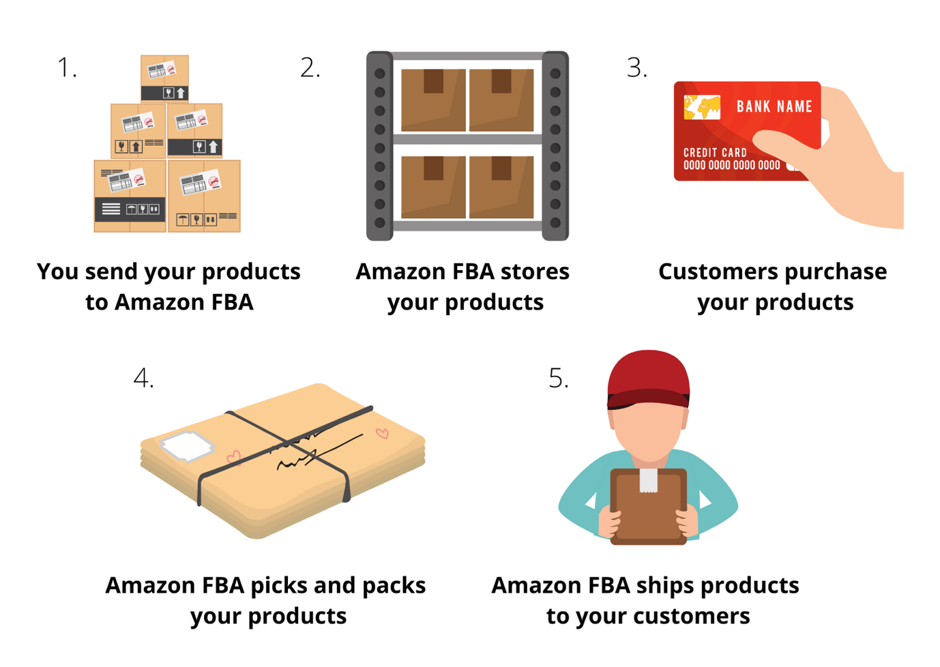
Amazon’s e-commerce platform isn’t solely about selling its own products; it’s a vast marketplace that empowers millions of third-party sellers. This marketplace model is a significant technological achievement, providing sellers with powerful tools for listing products, managing inventory, processing orders, and even fulfilling shipments via “Fulfillment by Amazon” (FBA). The technological infrastructure supporting this ecosystem includes robust APIs, seller dashboards, advertising tools, and performance metrics, all designed to facilitate efficient commerce. By offering a ready-made platform and access to its massive customer base and logistical network, Amazon democratizes e-commerce, allowing small businesses and entrepreneurs to scale rapidly without the need for extensive in-house technological investment. This symbiotic relationship expands Amazon’s product offerings exponentially while simultaneously fostering a vibrant ecosystem of independent businesses, all powered by its foundational technologies.
Powering the Digital World: Amazon Web Services (AWS)
While Amazon’s retail arm is widely recognized, its most profitable and arguably most impactful technological innovation is Amazon Web Services (AWS). Launched in 2006, AWS has revolutionized the IT industry by offering on-demand cloud computing platforms and APIs to individuals, companies, and governments. It effectively externalized the infrastructure backbone of the internet, transforming how businesses deploy, scale, and manage their digital operations. Today, AWS is the leading cloud provider globally, forming the technological backbone for countless startups, enterprises, and even government agencies, making it an indispensable part of modern digital life.
Cloud Infrastructure: Scaling Global Businesses
AWS provides a vast array of infrastructure-as-a-service (IaaS) and platform-as-a-service (PaaS) offerings, including computing power (EC2), storage (S3), databases (RDS, DynamoDB), and networking solutions. This allows businesses of all sizes to access scalable, reliable, and cost-effective IT infrastructure without the upfront capital expenditure or maintenance burden of owning physical data centers. Companies can spin up virtual servers, store massive amounts of data, and run complex applications with just a few clicks, scaling resources up or down dynamically based on demand. This elastic infrastructure has been a game-changer for innovation, enabling rapid prototyping, global expansion, and resilience against fluctuating traffic, fundamentally lowering the barrier to entry for digital ventures and accelerating technological development across industries.
Cutting-Edge Services: AI, Machine Learning, and Serverless Computing
Beyond foundational infrastructure, AWS is a leader in delivering advanced technological services. Its suite of AI and Machine Learning (ML) services, such as Amazon SageMaker, Rekognition (image and video analysis), Polly (text-to-speech), and Comprehend (natural language processing), allows developers to integrate sophisticated AI capabilities into their applications without deep expertise in these fields. Furthermore, AWS pioneered serverless computing with Lambda, enabling developers to run code without provisioning or managing servers, abstracting away infrastructure concerns and further accelerating development cycles. These services democratize access to cutting-edge technologies, fostering innovation from small startups to large enterprises and driving the adoption of AI and advanced computing across a spectrum of applications, from personalized customer service to scientific research.
Security and Reliability: Trust in the Cloud
A critical aspect of AWS’s technological offering is its relentless focus on security and reliability. Operating a global network of data centers, AWS employs a multi-layered security approach, encompassing physical security, network security, data encryption, and robust access controls. It adheres to stringent compliance standards and certifications, providing customers with the assurance that their data and applications are protected against threats. Furthermore, AWS’s architecture is designed for high availability and fault tolerance, distributing resources across multiple availability zones and regions to ensure continuous operation even in the event of localized failures. This commitment to enterprise-grade security and reliability has built immense trust in its cloud services, solidifying its position as the preferred technology partner for organizations handling sensitive data and critical workloads.
Redefining Interaction: AI, Smart Devices, and Beyond
Amazon’s technological reach extends directly into consumers’ homes and daily lives through its innovative suite of smart devices and artificial intelligence capabilities. This segment showcases Amazon’s ambition to integrate technology seamlessly into everyday routines, creating intuitive interfaces and interconnected ecosystems that redefine how people interact with their digital and physical environments.
Alexa and the Echo Ecosystem: Conversational AI at Home
Perhaps Amazon’s most recognizable consumer technology, Alexa, embodies the company’s vision for ambient computing. Integrated into the Echo line of smart speakers and a growing array of third-party devices, Alexa provides a voice-controlled interface for countless tasks: playing music, setting alarms, answering questions, controlling smart home devices, and even making calls. The underlying technology involves sophisticated natural language processing (NLP), speech recognition, and a vast knowledge graph, enabling Alexa to understand and respond to human commands with increasing accuracy. The Echo ecosystem, powered by Alexa, has transformed the smart home landscape, making voice interaction a natural and accessible way to manage daily tasks and access information, showcasing Amazon’s prowess in developing user-friendly conversational AI.
Kindle and Content Delivery: Revolutionizing Reading
Long before Alexa, the Amazon Kindle revolutionized the reading experience, demonstrating Amazon’s early commitment to consumer electronics paired with content delivery technology. The Kindle e-reader, with its e-ink display and seamless integration with the Amazon bookstore, made digital books accessible and convenient. Its underlying technology focused on optimizing the reading experience, offering long battery life, glare-free screens, and instant access to millions of titles. Beyond the device itself, the Kindle ecosystem represents a technological triumph in digital rights management, content synchronization across devices, and personalized reading recommendations, fundamentally changing how people consume books and establishing Amazon as a dominant force in digital publishing.
IoT and Smart Home Integration: Ring, Blink, and Amazon Sidewalk
Amazon has strategically expanded its smart home portfolio through acquisitions like Ring (video doorbells and home security) and Blink (wireless cameras), integrating these Internet of Things (IoT) devices deeply into the Alexa ecosystem. These devices leverage cloud technology, machine learning for motion detection, and secure communication protocols to provide homeowners with enhanced security and convenience. Furthermore, Amazon Sidewalk, a low-bandwidth, long-range wireless network, represents an ambitious technological endeavor to create a shared network among Echo devices, Ring cameras, and other compatible devices. This aims to extend the range of IoT devices, simplify setup, and provide connectivity for applications like pet tracking or smart lighting, pushing the boundaries of interconnected smart home technology and urban IoT infrastructure.
Innovating Operations: Logistics, Robotics, and Delivery
Behind every delivered package lies an intricate web of advanced technology and operational innovation. Amazon’s mastery of logistics and supply chain management is a critical competitive advantage, enabled by massive investments in automation, robotics, and data-driven optimization. This technological prowess ensures that Amazon can offer rapid, reliable, and increasingly sophisticated delivery options to customers worldwide, demonstrating its engineering excellence beyond the digital realm.
Advanced Fulfillment Centers: Automation at Scale
Amazon’s fulfillment centers are marvels of modern engineering and automation. Thousands of Kiva robots (now Amazon Robotics) navigate warehouse floors, retrieving shelves of products and bringing them to human pickers, significantly increasing efficiency and reducing the physical strain on workers. Conveyor belts, automated sorting systems, and complex software orchestrate the movement of millions of items daily, from receiving inventory to packing and shipping. These centers integrate machine vision for quality control, predictive analytics for inventory placement, and real-time data processing to ensure that products are stored, picked, and packed with maximum speed and accuracy. This blend of robotics, AI, and sophisticated software defines the technological cutting edge of warehouse management.
Supply Chain Optimization: Predictive Analytics and Efficiency
Amazon’s supply chain is not merely a collection of warehouses and trucks; it’s a highly intelligent, data-driven network. The company employs advanced predictive analytics to forecast demand for millions of products, optimize inventory levels across its vast network, and strategically position items closer to customers to reduce delivery times. Machine learning algorithms analyze historical sales data, seasonal trends, and external factors to make precise stocking decisions. Furthermore, sophisticated routing software optimizes delivery routes for its fleet of vehicles, minimizing fuel consumption and maximizing delivery efficiency. This continuous optimization, driven by big data and AI, allows Amazon to maintain its promise of speed and cost-effectiveness, even amidst fluctuating demand and global supply chain complexities.
Future of Delivery: Drones, Autonomous Vehicles, and Last-Mile Solutions
Amazon is relentlessly pushing the boundaries of delivery technology. Its “Prime Air” drone delivery initiative, though still in its early stages of deployment, represents a futuristic vision for ultra-fast, autonomous last-mile delivery, leveraging advanced robotics, GPS, and obstacle avoidance technologies. The company is also exploring autonomous ground vehicles for package delivery in urban environments. Beyond these headline-grabbing innovations, Amazon continuously refines its last-mile delivery strategies, including Amazon Lockers for secure package retrieval, in-garage delivery services, and a vast network of delivery service partners. These initiatives are all underpinned by complex technological systems designed to optimize speed, security, and convenience in the final, most challenging stage of the delivery process.
Amazon’s Enduring Technological Vision
Amazon’s journey from an online bookseller to a global technology giant is a story of relentless innovation and a forward-looking technological vision. The company’s philosophy, often characterized by “Day 1” thinking, emphasizes continuous experimentation, customer obsession, and long-term investment in cutting-edge technologies. This ethos ensures that Amazon remains at the forefront of technological advancement, constantly exploring new frontiers and disrupting existing paradigms.
Investing in Research and Development
A significant portion of Amazon’s capital and intellectual resources is channeled into research and development. This investment spans a wide array of domains, from fundamental AI research and quantum computing exploration to advanced robotics and sustainable energy solutions for its data centers. The company operates numerous R&D labs globally, fostering a culture of innovation that encourages bold ideas and calculated risks. This deep commitment to R&D ensures a continuous pipeline of technological breakthroughs, fueling Amazon’s expansion into new markets and services, and solidifying its position as a primary driver of technological progress across multiple sectors.
Ethical Considerations in AI and Data
As a leader in AI and data-driven technologies, Amazon faces increasing scrutiny regarding the ethical implications of its innovations. The company is actively engaged in developing responsible AI practices, focusing on areas like fairness, transparency, and privacy. This involves designing algorithms that mitigate bias, implementing robust data governance policies, and providing users with controls over their data. While challenges remain, Amazon’s ongoing efforts to address these ethical considerations are crucial for maintaining public trust and ensuring that its powerful technologies are deployed in ways that benefit society without compromising individual rights or privacy.
Shaping the Future of Connectivity and Commerce
Amazon’s technological vision extends beyond its current product offerings. The company is actively shaping the future of connectivity through projects like Kuiper, its ambitious low Earth orbit (LEO) satellite constellation designed to provide global broadband internet access. This initiative highlights Amazon’s aspiration to extend its technological infrastructure to reach underserved populations and further integrate its services into the fabric of daily life worldwide. By investing in foundational technologies that enable new forms of commerce, communication, and interaction, Amazon is not just reacting to technological trends but actively creating them, cementing its role as a pivotal force in defining the digital future.
In conclusion, “what does Amazon do?” is a question with an ever-expanding answer, primarily rooted in its profound technological capabilities. From revolutionizing e-commerce and powering the digital world with AWS, to integrating AI into our homes and automating the most complex logistics networks, Amazon is a comprehensive tech ecosystem. Its continuous investment in R&D, coupled with a strategic vision for connectivity and responsible innovation, ensures that Amazon will remain a dominant and transformative force, perpetually redefining the boundaries of what technology can achieve.
aViewFromTheCave is a participant in the Amazon Services LLC Associates Program, an affiliate advertising program designed to provide a means for sites to earn advertising fees by advertising and linking to Amazon.com. Amazon, the Amazon logo, AmazonSupply, and the AmazonSupply logo are trademarks of Amazon.com, Inc. or its affiliates. As an Amazon Associate we earn affiliate commissions from qualifying purchases.