
In an increasingly digital economy, managing personal finances effectively is paramount. For many, prepaid debit cards have emerged as a versatile and accessible financial tool, offering a practical alternative to traditional bank accounts or credit cards. Whether you’re looking for a budgeting aid, a secure way to manage funds without a bank account, a convenient option for travel, or a gift for someone special, understanding where to acquire these cards is the first step. This guide delves into the myriad avenues available for purchasing a prepaid debit card, equipping you with the knowledge to make an informed decision within the realm of personal finance.
Understanding the Appeal of Prepaid Debit Cards
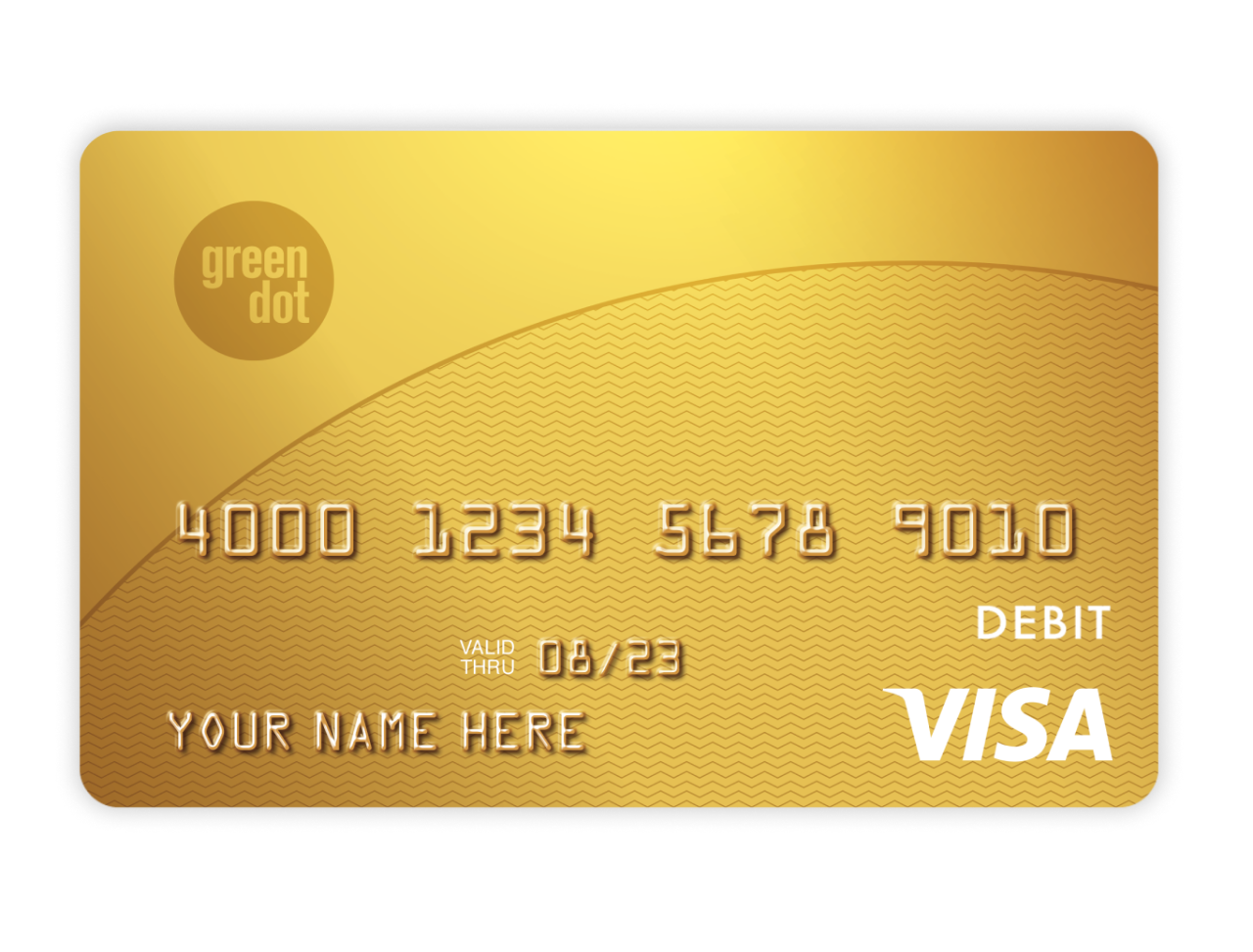
Prepaid debit cards are a form of payment card loaded with funds in advance, allowing users to spend only the amount available on the card. Unlike credit cards, they don’t involve borrowing money, meaning there’s no credit check required. Unlike traditional debit cards linked to a checking account, they offer a distinct separation of funds, making them a popular choice for specific financial management needs.
Who Benefits Most from Prepaid Cards?
The utility of prepaid debit cards extends across a diverse demographic. They are particularly beneficial for:
- The Unbanked or Underbanked: Individuals who do not have a traditional checking or savings account can use prepaid cards to receive wages, pay bills, and make everyday purchases without the need for cash or money orders.
- Budget-Conscious Consumers: For those looking to stick to a strict budget, a prepaid card acts as an excellent spending control mechanism. Loading a specific amount for groceries, entertainment, or other categories prevents overspending.
- Travelers: Prepaid cards offer a secure alternative to carrying large amounts of cash while traveling, and they can often be used internationally where major card networks are accepted. They also protect against direct access to primary bank accounts if lost or stolen.
- Parents and Guardians: These cards are ideal for providing allowances to children or for college students, offering a controlled way to manage funds and teach financial responsibility.
- Gift-Givers: Prepaid cards make practical gifts, allowing the recipient to purchase exactly what they need or want, similar to a gift card but with broader acceptance.
- Online Shoppers Concerned with Security: Using a prepaid card for online purchases can add an extra layer of security, as it limits exposure of your primary bank account details.
Key Advantages Over Other Payment Methods
Prepaid debit cards stand out due to several distinct advantages rooted in their financial mechanics:
- No Credit Check Required: Accessibility is a major draw. Since you’re spending your own money, there’s no need for a credit history, making them available to almost anyone.
- Spending Control: The “load and spend” model inherently prevents debt accumulation and fosters disciplined spending habits. You can only spend what you’ve put on the card.
- Enhanced Security: Compared to cash, prepaid cards offer protection if lost or stolen, often including fraud protection services. Registering your card typically allows you to recover funds if the card is compromised.
- Widespread Acceptance: Most prepaid debit cards are part of major payment networks like Visa, Mastercard, Discover, or American Express, ensuring they are accepted virtually anywhere traditional debit and credit cards are.
Navigating the In-Store Purchase Landscape
For those who prefer a tangible purchase experience or need a card immediately, a plethora of brick-and-mortar locations stock prepaid debit cards. These outlets offer convenience, often allowing you to load cash directly onto the card at the point of purchase.
Grocery Stores and Supermarkets
Major grocery store chains are arguably the most common and accessible places to buy prepaid debit cards. They often feature entire aisles dedicated to gift cards and financial products. You can typically find a variety of brands and denominations.
- Examples: Walmart, Target, Kroger, Safeway, Publix, H-E-B, Meijer, and many regional grocery chains.
- What to expect: A selection of popular brands like Green Dot, Netspend, Vanilla Visa/Mastercard, and sometimes store-branded prepaid cards. You can usually purchase and load the initial funds at the customer service desk or even at the regular checkout lane.
Drugstores and Convenience Stores
These omnipresent locations are excellent for quick purchases, especially if you need a card outside of standard business hours.
- Examples: CVS, Walgreens, Rite Aid, 7-Eleven, Circle K, Wawa, and other local convenience stores.
- What to expect: A more limited selection compared to larger supermarkets, but still a reliable source for widely available prepaid brands. Staff can usually assist with activation and initial loading.
Major Retailers and Department Stores
Beyond groceries and convenience, other large retail outlets also offer prepaid debit cards, often as part of their general consumer electronics or financial services sections.
- Examples: Best Buy, Office Depot/Max.
- What to expect: While not their primary focus, these stores might carry specific brands or versions, particularly those marketed for certain uses like online shopping or specific budgets.
Financial Service Centers
For a more focused financial transaction experience, dedicated financial service centers are another robust option, particularly if you’re also looking for other money services.
- Examples: Check-cashing stores, Western Union, MoneyGram locations.
- What to expect: These centers often specialize in financial products for the unbanked and may offer a wider range of prepaid card options, including those with advanced features or specific reloading capabilities. They are also typically equipped to handle larger cash loads or more complex initial setups.
Exploring Online Avenues for Prepaid Debit Cards
The internet has revolutionized access to financial products, and prepaid debit cards are no exception. Purchasing online often provides a broader selection, detailed comparisons, and the convenience of home delivery.
Direct from Card Issuers
Many prepaid card brands operate their own websites where you can apply for and receive a card directly. This often provides access to the full range of features and benefits offered by that specific brand.
- Examples: Green Dot, Netspend, PayPal Prepaid, Chime (while primarily a mobile bank, offers debit cards with prepaid-like features), Serve by American Express, Bluebird by American Express.
- What to expect: A streamlined application process. You typically provide personal details, and the card is mailed to you. Many online issuers also offer virtual cards for immediate online use, direct deposit services, and robust online account management portals. This method is often preferred for long-term use, as it allows for direct deposit of paychecks and recurring loads.

Online Retailers and Marketplaces
While less common for obtaining the physical card itself, some online platforms might facilitate the purchase of prepaid cards or digital codes that can be used to load funds.
- Examples: Amazon (for physical gift card versions or specific reload kits), specialized financial product comparison websites.
- What to expect: Primarily for gift card versions or reload packs. For a personalized, reloadable prepaid debit card, direct application from the issuer is usually the more efficient route.
Mobile Banking Apps with Prepaid Features
The rise of fintech has blurred lines, with many mobile-first banking solutions offering debit cards that function very similarly to prepaid cards, often with superior features and lower fees.
- Examples: Chime, Current, Cash App (offers a debit card), Revolut.
- What to expect: These apps often provide a virtual card instantly for online use and mail a physical card. They typically come with robust budgeting tools, early direct deposit, and seamless mobile management. While not always marketed strictly as “prepaid,” their core functionality of spending only what you have loaded makes them a strong alternative.
Essential Considerations Before Your Purchase
Acquiring a prepaid debit card is more than just finding a location; it involves understanding the terms and conditions to ensure it aligns with your financial goals. Not all prepaid cards are created equal, and vigilance in reviewing their features is key to maximizing their benefit.
Decoding Fees and Charges
Fees are arguably the most critical aspect to review before committing to a prepaid card. They can significantly eat into your funds if not understood.
- Activation Fees: A one-time fee charged when you first purchase and activate the card.
- Monthly Maintenance Fees: A recurring fee (usually waived if certain conditions are met, like direct deposit or minimum spend).
- Reload Fees: Charges incurred each time you add money to the card, especially when using cash reload networks.
- ATM Withdrawal Fees: Fees for using ATMs, often involving a fee from both the card issuer and the ATM owner.
- Inactivity Fees: Some cards charge a fee if there’s no activity for a prolonged period.
- Transaction Fees: While less common for standard purchases, foreign transaction fees apply for international use, and sometimes fees for balance inquiries or declined transactions.
- Important Tip: Always read the cardholder agreement or “Fee Schedule” thoroughly before purchase. Many online issuers offer lower fees or ways to waive them compared to cards purchased off the shelf.
Reloading Your Card
The ability to easily add funds back to your card is crucial for continuous use. Different cards offer various reload options:
- Direct Deposit: Many cards allow you to set up direct deposit for your paycheck or government benefits, often free of charge. This is usually the most cost-effective and convenient method.
- Cash Reload Networks: Services like Green Dot MoneyPak, VanillaDirect Load, or Netspend Reload Network allow you to add cash at participating retail locations (e.g., grocery stores, drugstores) for a fee.
- Bank Transfers: Some cards allow you to link an external bank account to transfer funds.
- Mobile Check Deposit: Certain cards offer the ability to deposit checks by snapping a picture with your smartphone.
Security and Consumer Protection
While prepaid cards offer a degree of security, understanding their protections is vital.
- FDIC Insurance: Look for cards that are FDIC-insured, meaning your funds are protected up to $250,000 in case the issuing bank fails. This protection typically requires card registration.
- Fraud Protection: Registered cards often come with fraud protection, limiting your liability for unauthorized transactions, similar to credit and debit cards. Unregistered cards offer minimal to no protection.
- Dispute Resolution: Registered cards generally offer a process for disputing incorrect charges.
Activation and Registration Process
After purchasing a card, activation is usually straightforward, often via a website or phone number. However, registration is a critical step that many overlook.
- Activation: The initial step to make the card usable.
- Registration: Providing your personal information (name, address, date of birth, Social Security Number) to the card issuer. This step is crucial for:
- FDIC insurance: Protecting your funds.
- Fraud protection: Limiting your liability for unauthorized use.
- Full features: Accessing direct deposit, online account management, and potentially higher load limits.
- Lost/Stolen Card Replacement: Ensuring you can recover your funds if the card is lost or stolen.
Making the Smart Choice: Comparing Options and Alternatives
The financial landscape is rich with options, and while prepaid debit cards serve a valuable niche, it’s beneficial to understand how they stack up against other financial tools and what alternatives exist.
Prepaid Cards vs. Traditional Bank Accounts
- Prepaid Cards: Easy access, no credit check, excellent for budgeting, typically comes with fees for various transactions. Limited features compared to a full bank account.
- Traditional Bank Accounts: Offers a broader suite of services including checking, savings, loans, credit cards, typically lower (or no) monthly fees with direct deposit, but requires identity verification and may have minimum balance requirements.
- Verdict: Prepaid cards are excellent for specific, controlled spending and for those without bank accounts. For comprehensive financial management, a traditional bank account is usually superior.
Prepaid Cards vs. Secured Credit Cards
- Prepaid Cards: You spend your own money; no impact on credit score.
- Secured Credit Cards: Requires a security deposit, but it’s a credit card used to build credit history. Payments are reported to credit bureaus.
- Verdict: If your goal is to build or rebuild credit, a secured credit card is the appropriate choice. If you simply need a payment method without debt, a prepaid card is better.

Digital Wallets and Mobile Payment Apps
- Digital Wallets (Apple Pay, Google Pay, Samsung Pay): Store existing debit or credit card information for contactless payments. Not a standalone financial product but a payment method.
- Mobile Payment Apps (Cash App, Venmo, Zelle): Primarily for peer-to-peer transfers, but some like Cash App offer associated debit cards that function similarly to prepaid cards.
- Verdict: These are often complementary. A prepaid card can be linked to a digital wallet or mobile payment app to facilitate spending. Some mobile-first banking apps, as mentioned earlier, can effectively serve as a modern alternative to traditional prepaid cards.
In conclusion, prepaid debit cards offer a practical and accessible solution for managing your money. From the aisles of your local grocery store to the digital convenience of online issuers, the options for purchasing these financial tools are extensive. By carefully considering your needs, understanding the associated fees, and being diligent about activation and registration, you can leverage a prepaid debit card to achieve greater control and flexibility in your personal financial journey.
aViewFromTheCave is a participant in the Amazon Services LLC Associates Program, an affiliate advertising program designed to provide a means for sites to earn advertising fees by advertising and linking to Amazon.com. Amazon, the Amazon logo, AmazonSupply, and the AmazonSupply logo are trademarks of Amazon.com, Inc. or its affiliates. As an Amazon Associate we earn affiliate commissions from qualifying purchases.