
In an increasingly digital and interconnected world, managing personal finances effectively is paramount. For many, traditional banking products like checking accounts and credit cards may not always be the most suitable or accessible option. This is where prepaid cards emerge as a versatile and powerful financial tool, offering a blend of convenience, control, and accessibility. Whether you’re aiming to stick to a budget, manage spending for a specific purpose, or simply need an alternative to carrying cash, understanding where and how to acquire a prepaid card is the first step towards leveraging its benefits. This article will guide you through the various avenues available for purchasing prepaid cards, delve into the critical considerations for choosing the right one, and provide insights into maximizing their utility for enhanced financial management.
Understanding Prepaid Cards: A Foundation for Smart Spending
Before diving into purchase locations, it’s essential to grasp what a prepaid card is and why it has become a popular choice for millions seeking greater financial flexibility.
What Exactly is a Prepaid Card?
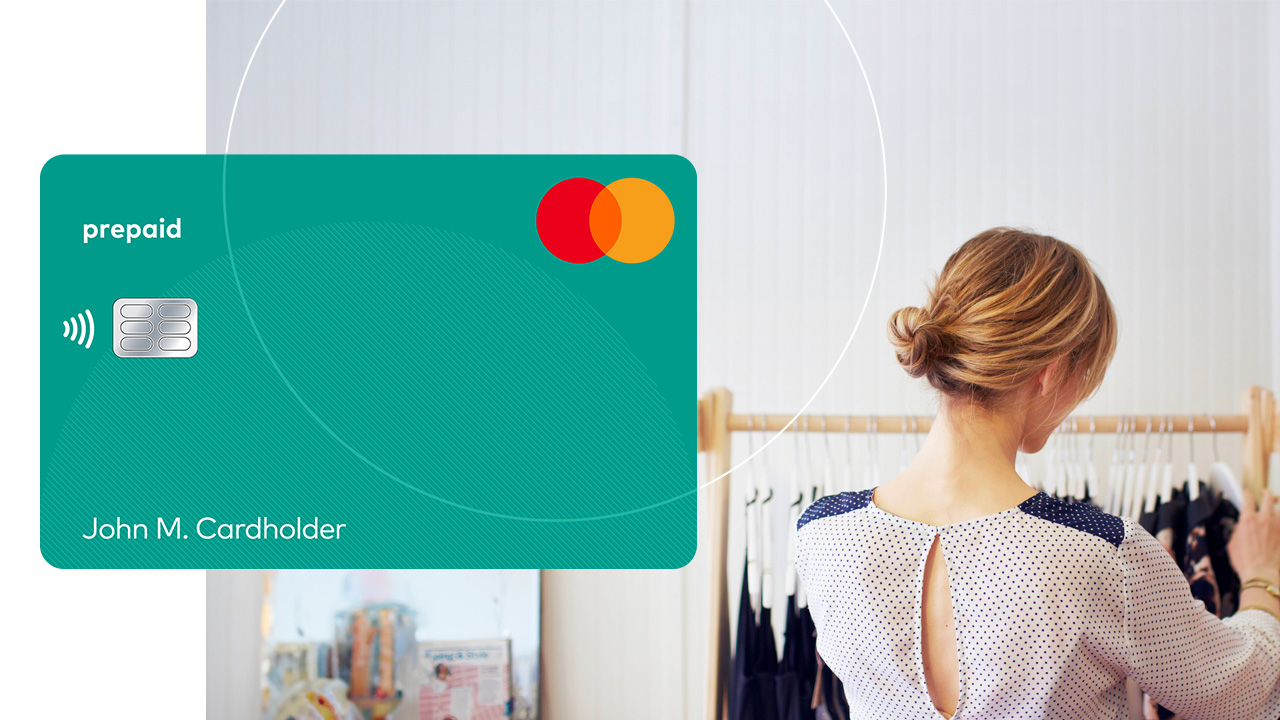
At its core, a prepaid card is a payment card that allows you to spend only the money you have pre-loaded onto it. Unlike a credit card, it doesn’t involve borrowing funds, meaning there’s no debt accumulation or interest charges. Unlike a debit card, it isn’t directly linked to a traditional bank account, offering a layer of separation and often simpler eligibility requirements. Think of it as a digital wallet that you top up with funds, which can then be used for purchases online, in stores, or for ATM withdrawals, just like a regular bank card, but with inherent spending limits tied to its loaded balance. This distinction makes prepaid cards an excellent tool for budgeting and avoiding overspending, placing the onus of financial discipline squarely on the user.
Why Choose a Prepaid Card? Key Financial Benefits
The appeal of prepaid cards stems from a range of compelling financial advantages they offer, catering to diverse needs:
- Budgeting and Spending Control: Perhaps the most significant benefit from a financial perspective, prepaid cards enforce spending limits. Once the funds are depleted, you cannot spend more until you reload, making them ideal for managing discretionary spending, allowance for children, or travel budgets. This direct control can be a game-changer for individuals looking to curb impulsive purchases or adhere strictly to a financial plan.
- No Credit Checks or Bank Account Required: Many prepaid cards do not require a credit check for approval, making them accessible to individuals with limited or no credit history, those recovering from financial difficulties, or anyone who prefers not to engage with traditional credit systems. Furthermore, they offer a viable alternative for the “unbanked” or “underbanked” population to participate in the digital economy without needing a traditional bank account.
- Enhanced Security Over Cash: Carrying large amounts of cash carries inherent risks. A prepaid card, while holding value, offers a layer of protection. If lost or stolen, most registered cards can be blocked and the remaining balance transferred to a new card, a significant advantage over losing physical cash. Many also come with fraud protection, similar to debit or credit cards, provided they are registered.
- Convenience for Online & International Transactions: Prepaid cards bearing the logos of major networks like Visa, Mastercard, or American Express are widely accepted globally, both online and in physical stores. This makes them incredibly convenient for online shopping without exposing primary bank accounts, or for international travel without the need to exchange large sums of foreign currency.
- Avoiding Debt: As you can only spend what you load, prepaid cards completely eliminate the possibility of incurring debt, interest charges, or overdraft fees, which are common pitfalls with credit cards and some debit accounts. This makes them a financially safer option for those prone to overspending or simply wanting to maintain a debt-free lifestyle.
Primary Avenues for Purchasing Prepaid Cards
The accessibility of prepaid cards is one of their defining features, with numerous purchase points catering to different preferences and needs.
Brick-and-Mortar Retailers: Convenience at Your Fingertips
One of the most common and immediate ways to acquire a prepaid card is through physical retail locations. This option provides instant access, allowing you to walk into a store, purchase a card, and often load it with funds right then and there.
- Supermarkets and Grocery Stores: Major chains like Walmart, Target, Kroger, Safeway, and others frequently feature extensive gift card and prepaid card sections. These stores are convenient because they are part of most people’s regular shopping routines. You’ll typically find a variety of open-loop Visa, Mastercard, and American Express prepaid cards, alongside store-specific gift cards.
- Drugstores and Pharmacies: Retailers such as CVS, Walgreens, and Rite Aid are another excellent source. Their wide geographical distribution and extended operating hours make them readily accessible for quick purchases.
- Convenience Stores: Places like 7-Eleven, Circle K, and various gas station convenience stores also stock prepaid cards. While the selection might be narrower than larger supermarkets, they offer unparalleled convenience for last-minute needs.
- General Merchandise Stores: Beyond the major supermarkets, stores like Dollar General, Family Dollar, and office supply stores (e.g., Office Depot, Staples) often carry a selection of reloadable and non-reloadable prepaid options.
- Money Service Businesses: Establishments like Western Union or MoneyGram, often found within supermarkets or as standalone kiosks, specialize in financial services and frequently offer a range of branded prepaid cards, including their own white-label options.
When buying in-store, you typically select the card from a display, take it to the checkout, pay for the card’s activation fee (if any) and the amount you wish to load onto it. Some cards may require online registration before full functionality or to access certain features.
Online Platforms: Digital Access to Financial Freedom
For those who prefer the comfort of their home or wish for a broader selection, online purchasing is an increasingly popular and efficient method.
- Card Issuer Websites: The most direct route is often through the official websites of the prepaid card issuers themselves. Companies like Netspend, Green Dot, Chime (which offers a spending account with a debit card, akin to a prepaid reloadable card), American Express Serve, and others allow you to apply for and receive cards by mail. This method often provides access to a wider range of card features, direct deposit options, and lower fee structures compared to cards bought off a retail rack.
- Financial Technology (FinTech) Platforms: A growing number of FinTech companies offer innovative prepaid or debit-like cards that are managed entirely through mobile apps. These platforms often come with advanced budgeting tools, instant spending notifications, and seamless digital integration. While not strictly “prepaid” in the traditional sense, many function identically, allowing users to load funds and spend. Examples include Revolut, N26, and various challenger banks, depending on your region.
- Online Retailers: While less common for physical prepaid cards, some online marketplaces might offer digital versions or vouchers that can be redeemed for prepaid cards. This is more typical for specific gift cards rather than general-purpose reloadable prepaid cards.
Purchasing online usually involves filling out an application, providing personal identification information (due to Know Your Customer – KYC – regulations), and then waiting for the card to be mailed to your address. Funds can typically be loaded via bank transfer, direct deposit, or at retail locations once the card arrives.
Financial Institutions: Exploring Bank-Branded Solutions
While most traditional banks primarily focus on debit and credit cards linked to accounts, some do offer their own branded prepaid card products.
- Banks and Credit Unions: Certain banks, particularly larger ones, may offer general-purpose reloadable prepaid cards. These cards often come with the backing and customer service of a familiar financial institution. They might be marketed as travel cards, student cards, or alternatives for those without checking accounts. In some cases, existing bank customers might find it easier to load these cards directly from their checking or savings accounts. While you may not “buy” them off the shelf, you can apply for them at a branch or through the bank’s website.
These bank-branded options can sometimes offer better fee structures or integration with other banking services, making them a worthwhile consideration if you already have a relationship with a particular institution.
Other Specialized Outlets: Beyond the Usual Suspects
Depending on your geographical location and specific needs, a few other less common but relevant options might exist.
- Post Offices: In some countries, national postal services offer their own prepaid card programs. These can be particularly convenient for individuals in rural areas or those who prefer government-backed financial services.
- Employer or Government Programs: Occasionally, employers or government agencies might issue prepaid cards for specific purposes, such as payroll, benefits distribution, or emergency aid. While not purchased by the individual in the traditional sense, these represent another way to acquire and use a prepaid card for financial management.
Types of Prepaid Cards and Key Considerations Before Buying
With a clear understanding of where to buy, the next crucial step is to know what type of prepaid card will best serve your financial objectives. Not all prepaid cards are created equal, and discerning the differences is vital for a financially sound choice.
Open-Loop vs. Closed-Loop: Understanding Acceptance
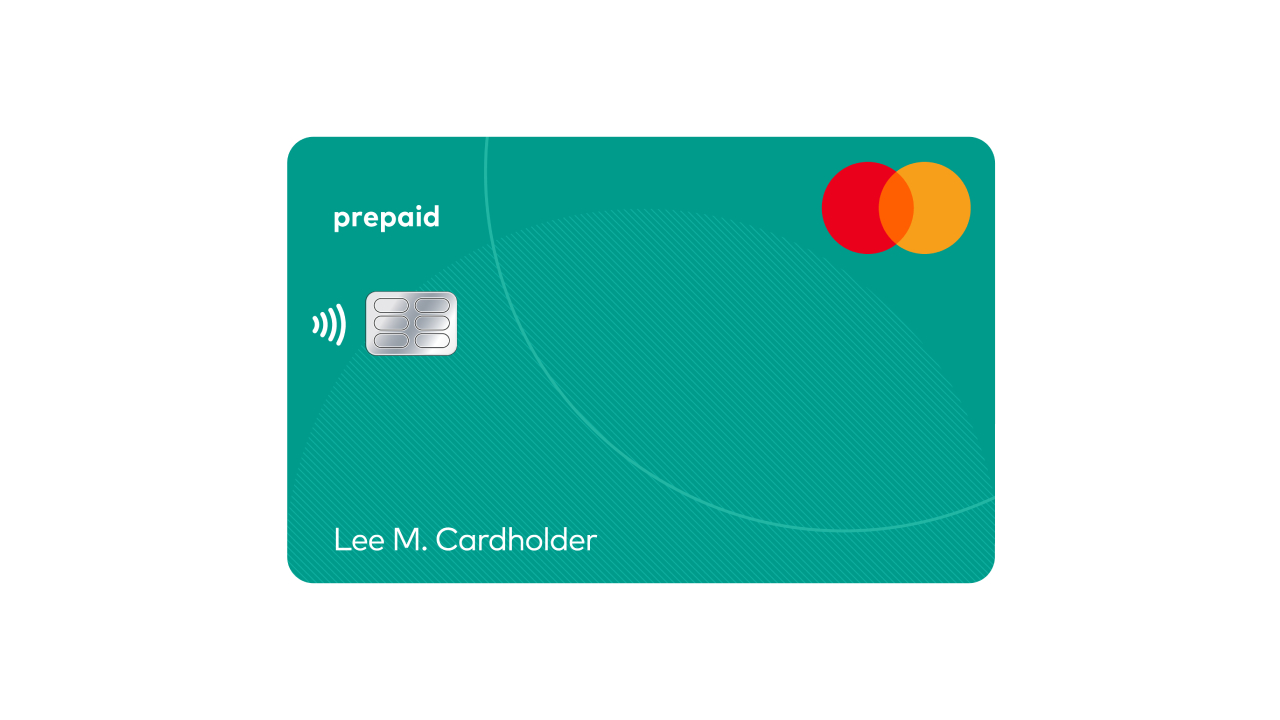
- Open-Loop Prepaid Cards: These are the most versatile type, accepted wherever the card network (Visa, Mastercard, American Express, Discover) is honored. They can be used at millions of merchants worldwide, online, and often for ATM withdrawals. Most of the general-purpose reloadable cards discussed fall into this category, making them excellent substitutes for traditional bank cards.
- Closed-Loop Prepaid Cards: These cards are typically restricted to a specific merchant or a small group of affiliated merchants. Gift cards from a particular store (e.g., Starbucks, Amazon, Best Buy) are classic examples of closed-loop cards. While useful for specific purchases, they lack the widespread acceptance of open-loop cards and are generally not reloadable for general spending purposes, thus their financial utility is more limited. Our focus for “prepaid cards” as a financial tool is primarily on open-loop options.
Reloadable vs. Non-Reloadable: Long-Term vs. Short-Term Needs
- Reloadable Prepaid Cards: These cards are designed for ongoing use. Once you deplete the balance, you can add more funds to them, often repeatedly. They are ideal for managing regular expenses, receiving direct deposits, or as a long-term budgeting tool. Many come with online accounts, transaction history, and various loading options.
- Non-Reloadable Prepaid Cards: These are single-use cards. Once the initial balance is spent, the card is typically discarded. They are often purchased for specific one-off expenses, gifts, or to control spending for a short period without the commitment of a reloadable account. They usually have higher activation fees or are pre-loaded with a fixed amount, and can be less economical for repeated use.
Deciphering the Fee Structure: A Crucial Financial Assessment
The fees associated with prepaid cards are perhaps the most critical financial consideration. While they offer many benefits, a complex fee structure can quickly erode their value. Always read the cardholder agreement carefully. Common fees include:
- Activation/Purchase Fee: A one-time fee paid when you first buy the card (more common for in-store purchases).
- Monthly Maintenance Fee: A recurring fee, sometimes waived if certain conditions are met (e.g., direct deposit a minimum amount).
- Reload Fee: A fee charged each time you add money to the card, especially at retail locations.
- ATM Withdrawal Fee: Fees for withdrawing cash, often charged by both the card issuer and the ATM owner.
- Transaction Fees: While less common for signature-based purchases, some cards might charge fees for PIN-based debit transactions.
- Inactivity Fee: A fee charged if the card remains unused for a certain period.
- Foreign Transaction Fee: A percentage charged on purchases made in foreign currencies.
Seeking cards with transparent fee structures, options for fee waivers, and services that align with your spending habits can significantly impact the long-term cost-effectiveness of a prepaid card. Comparing cards from different issuers based on their fee schedules is a fundamental step in making a financially astute choice.
Activation and Registration: Ensuring Full Functionality
After purchasing a prepaid card, it’s crucial to understand the activation and registration process.
- Activation: Most prepaid cards need to be activated before they can be used. This usually involves a quick phone call to an automated service or visiting a website and entering the card number and security code.
- Registration: Registering your card with the issuer is highly recommended for financial protection. Registration links the card to your identity, which allows for fraud protection, the ability to recover funds if the card is lost or stolen, and often provides access to online account management features, direct deposit, and other benefits. Unregistered cards typically offer very limited consumer protections, akin to carrying cash.
Maximizing Your Prepaid Card’s Value: Smart Usage Strategies
Acquiring a prepaid card is just the beginning. To truly harness its power as a financial tool, smart usage and diligent management are essential.
Budgeting and Tracking: Leveraging Your Card for Financial Discipline
A prepaid card is an excellent instrument for practicing disciplined budgeting. Designate a specific portion of your income for a particular spending category (e.g., groceries, entertainment, travel) and load only that amount onto your card.
- Dedicated Spending: Use separate prepaid cards for different budget categories to clearly delineate funds and prevent overspending in any one area.
- Online Account Management: Most reloadable prepaid cards come with an online portal or a mobile app. Regularly check your balance and transaction history. This provides real-time insights into your spending patterns, allowing you to adjust your budget as needed and identify any unauthorized transactions promptly.
- Direct Deposit: Many reloadable prepaid cards allow you to set up direct deposit for your paycheck or government benefits. This can often waive monthly fees and provides a convenient way to load funds consistently, mimicking a traditional checking account.
Security Best Practices: Protecting Your Funds
While generally more secure than cash, prepaid cards still require careful handling to protect your loaded funds.
- Treat it Like Cash: Since the money is already loaded, treat your prepaid card with the same care you would treat physical cash. Keep it in a secure place and be mindful of where you use it.
- Register Your Card: As mentioned, registering your card is the most important security step. It enables the issuer to block a lost or stolen card and potentially recover your balance. Without registration, losing the card often means losing the money.
- Set a PIN: For cards that offer it, setting a Personal Identification Number (PIN) adds an extra layer of security for in-store purchases and ATM withdrawals. Memorize your PIN and never write it on the card.
- Monitor Transactions: Regularly review your transaction history online or via the app. Report any suspicious activity to the card issuer immediately.
Reloading and Managing Your Balance: Sustained Financial Control
The ability to reload funds is a key feature of many prepaid cards, enabling continuous financial management.
- Multiple Reload Options: Understand the various ways you can add money to your card. Common methods include direct deposit, electronic bank transfers (ACH), cash loads at retail locations (often with a fee), and occasionally, transfers from other cards or mobile payment apps. Choose the method that is most convenient and cost-effective for you.
- Auto-Reload Features: Some cards offer an auto-reload option, where a set amount is transferred from your bank account to your prepaid card when the balance falls below a certain threshold or on a specific date. This can automate budgeting and ensure you always have funds available.
- Be Mindful of Fees: As discussed, reload fees can add up. Factor these into your budget and try to use reload methods that minimize costs. Bulk loading less frequently might be more cost-effective than frequent small loads if reload fees apply.
The Future of Prepaid Cards in an Evolving Financial Landscape
The role of prepaid cards continues to evolve alongside advancements in financial technology and changing consumer behaviors.
Digital Integration and Mobile Wallets
Prepaid cards are increasingly integrating with digital ecosystems. Many now offer seamless integration with mobile wallets like Apple Pay, Google Pay, and Samsung Pay, allowing for tap-to-pay convenience and enhanced digital security. The future will likely see even deeper integration with budgeting apps, financial planning tools, and peer-to-peer payment platforms, further solidifying their place as flexible financial instruments.
Evolving Regulations and Consumer Protections
As prepaid cards become more widespread, regulatory bodies are continually reviewing and updating consumer protection laws. This includes efforts to standardize fee disclosures, enhance fraud protection, and ensure fair practices, further boosting consumer confidence and making prepaid cards an even more reliable option for managing personal finances.
In conclusion, prepaid cards offer a practical and empowering solution for a wide array of financial needs, from strict budgeting to convenient international travel. By understanding where to purchase them, carefully considering the types available, meticulously examining fee structures, and adopting smart usage practices, you can effectively leverage prepaid cards to gain greater control over your financial life, achieve spending goals, and navigate the modern economy with confidence.
aViewFromTheCave is a participant in the Amazon Services LLC Associates Program, an affiliate advertising program designed to provide a means for sites to earn advertising fees by advertising and linking to Amazon.com. Amazon, the Amazon logo, AmazonSupply, and the AmazonSupply logo are trademarks of Amazon.com, Inc. or its affiliates. As an Amazon Associate we earn affiliate commissions from qualifying purchases.