
For anyone navigating the complex world of personal finance and credit management, understanding how major financial institutions assess creditworthiness is paramount. American Express, a global financial services giant, holds a unique position in the credit landscape, known for its premium cards and diverse financial products. A common question among prospective cardholders and financial enthusiasts alike is: “Which credit agency does American Express use?” The answer, while seemingly straightforward, is actually multi-faceted and crucial for effective credit management.
American Express, like most major lenders, doesn’t exclusively rely on a single credit bureau. Instead, they leverage the data and insights provided by the three primary credit reporting agencies in the United States: Experian, Equifax, and TransUnion. This strategic approach allows them to gain a comprehensive, albeit sometimes varied, picture of an applicant’s financial health. For consumers, this implies a critical need to monitor reports from all three bureaus, as discrepancies or inaccuracies on any one report can impact lending decisions and, consequently, your financial opportunities.

The Core of Credit Reporting: Understanding the Big Three
To fully grasp American Express’s methodology, it’s essential to understand the individual roles and characteristics of the major credit bureaus. These agencies are the bedrock of the modern credit system, collecting and maintaining vast databases of consumer credit information. This data includes everything from payment history on loans and credit cards to public records like bankruptcies, ultimately forming the basis for the credit scores that influence virtually every financial transaction of significance.
Experian: A Global Data Powerhouse
Experian stands as one of the most prominent credit reporting agencies globally, not just in the U.S. It collects and aggregates consumer credit data, providing detailed credit reports and scores to lenders. Experian is known for its robust data analytics and a wide array of services that go beyond mere credit reporting, including fraud detection and identity management solutions. For lenders like American Express, Experian’s comprehensive data allows for a deep dive into an applicant’s credit history, revealing patterns of financial behavior that are critical for risk assessment. Its scoring models, including various iterations of FICO and VantageScore, are widely used, making its report a key determinant in many financial decisions.
Equifax: Data Analytics and Fraud Prevention
Equifax, with a history spanning over a century, is another indispensable player in the credit ecosystem. While known for its extensive credit reporting services, Equifax also specializes in data analytics and technology solutions aimed at helping businesses make more informed decisions. Its focus on fraud prevention and identity protection has become increasingly important in an era of digital financial transactions. When American Express pulls a report from Equifax, they’re looking at a detailed record of an applicant’s financial obligations, payment history, and credit utilization, often with an emphasis on identifying potential fraud signals or high-risk behaviors that could impact the card issuer’s bottom line.
TransUnion: Information Solutions for Informed Decisions
TransUnion completes the triumvirate of major credit bureaus. It prides itself on delivering “information for good,” empowering consumers and businesses alike with data-driven insights. TransUnion offers a broad suite of services, from traditional credit reporting to risk management solutions and consumer credit education tools. For American Express, a TransUnion report offers another perspective on an applicant’s credit profile. Variations in data reported to each bureau, whether due to reporting cycles or specific lender practices, mean that comparing information across TransUnion, Experian, and Equifax is vital for a comprehensive risk assessment. TransUnion’s focus on providing accessible consumer credit information also makes it a frequent point of contact for individuals monitoring their own financial standing.
American Express’s Multi-Bureau Strategy
American Express’s decision to utilize all three major credit bureaus is a strategic one, designed to minimize risk and ensure a holistic understanding of an applicant’s financial responsibility. This multi-pronged approach prevents reliance on a single, potentially incomplete, data source.
The Variable Pull: Factors Influencing Bureau Choice
The specific credit bureau American Express pulls from can vary significantly. Several factors play into this decision, making it difficult to predict which report will be accessed for a given application:
- Applicant’s Geographic Location: Credit reporting systems can sometimes have regional nuances, or a specific bureau might have more complete data for a particular area.
- Specific American Express Product: Different cards or financial products (e.g., charge cards, credit cards, personal loans, business loans) may have different underwriting criteria, leading Amex to favor one bureau over another for certain products.
- Internal Amex Algorithms: American Express employs sophisticated internal algorithms that may direct applications to a specific bureau based on various internal data points or predictive models.
- Existing Relationship with Amex: If an applicant already has a relationship with American Express, Amex might prioritize the bureau that holds the most comprehensive history related to that existing account.
- The Bureau with the “Thickest” File: Sometimes, the system defaults to pulling from the bureau where the applicant has the most extensive credit history, providing a more robust picture.
This variability underscores the importance of a robust credit profile across the board, rather than focusing efforts on just one bureau.
Soft Inquiries vs. Hard Inquiries: What Amex Does
A critical distinction in credit reporting is between soft and hard inquiries, and American Express utilizes both.
- Soft Inquiry (Soft Pull): A soft inquiry occurs when you check your own credit, or when a lender pre-screens you for an offer (like Amex often does for pre-approved offers). Soft pulls do not affect your credit score and are not visible to other lenders. American Express often uses soft pulls for pre-qualification tools, allowing consumers to gauge their likelihood of approval without any impact on their credit score. This is a valuable financial tool for consumers, offering a risk-free way to assess eligibility.
- Hard Inquiry (Hard Pull): A hard inquiry occurs when you formally apply for new credit, such as an American Express card, a mortgage, or an auto loan. Hard inquiries do typically have a minor, temporary negative impact on your credit score (usually a few points) and are visible to other lenders for up to two years. American Express performs a hard pull when you submit a full application for one of their products, signaling to other lenders that you are actively seeking new credit. While the impact is usually small, too many hard inquiries in a short period can be viewed negatively by lenders, indicating potential financial distress or a high-risk pursuit of credit.
Beyond the Score: Amex’s Holistic Credit Assessment
While credit scores and reports from the bureaus are foundational, American Express’s underwriting process extends beyond these metrics. They adopt a holistic approach to assess an applicant’s financial standing and risk profile. This includes:
- Income Verification: Amex often verifies reported income to ensure the applicant has the financial capacity to manage the credit limit and potential charges.
- Existing Relationship History: For current or past Amex customers, their payment history and overall relationship with the company are heavily weighted. A long, positive history with Amex can significantly improve approval odds, even if external credit scores are not exceptionally high.
- Debt-to-Income Ratio: While not always explicitly stated, lenders consider an applicant’s total debt obligations relative to their income. A high debt-to-income ratio can indicate overextension, regardless of a good credit score.
- Financial Behaviors: Amex looks for consistent, responsible financial behaviors, such as timely payments, low credit utilization, and a diverse, well-managed credit mix.
This comprehensive evaluation means that simply having a good credit score isn’t always enough; a strong overall financial picture is what truly enhances approval chances with American Express.
Why Monitoring All Three Reports is Financially Prudent
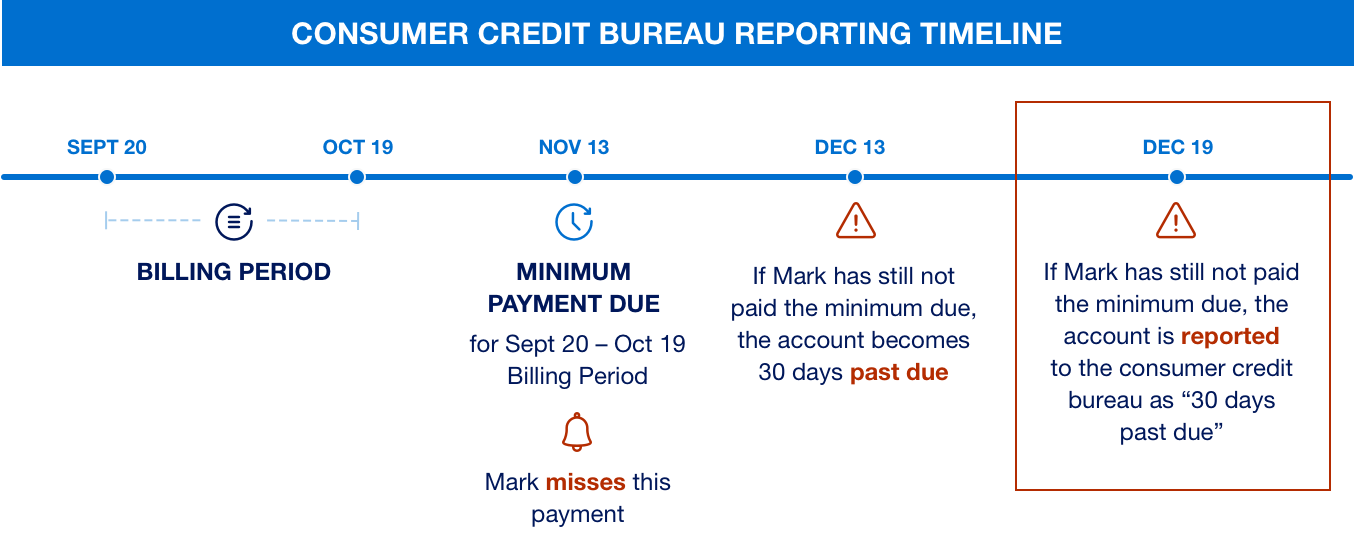
Given American Express’s reliance on all three credit bureaus, it becomes clear that monitoring all three of your credit reports is not merely advisable but a critical component of sound personal financial management.
Discrepancies and Their Financial Repercussions
It is surprisingly common for credit reports from Experian, Equifax, and TransUnion to contain different information. This can stem from various sources:
- Reporting Lag: Lenders might report to different bureaus on different schedules.
- Selective Reporting: Some creditors might only report to one or two bureaus, not all three.
- Data Entry Errors: Mistakes can occur during data input by lenders or even by the bureaus themselves.
These discrepancies, even minor ones, can have significant financial repercussions. An error on one report could lead to a lower credit score from that specific bureau, potentially affecting an Amex application or the terms of other financial products you seek. For instance, a missed payment mistakenly reported to Equifax but not Experian could result in a higher interest rate on a mortgage or car loan, costing you thousands over the life of the loan. Proactive monitoring allows you to identify and rectify these errors before they negatively impact your financial standing.
Safeguarding Against Identity Theft and Fraud
Beyond errors, consistent monitoring of all three reports is a primary defense against identity theft and fraud. If a fraudulent account is opened in your name, it might only appear on one of your credit reports initially. Detecting such activity early is crucial for mitigating damage. Promptly identifying unfamiliar accounts or inquiries allows you to take immediate action, such as freezing your credit and disputing the fraudulent activity, thereby protecting your financial assets and credit reputation. This vigilance is a cornerstone of digital security in personal finance.
The Nuance of Credit Scores Across Bureaus
It’s important to remember that your credit score is not a single, universal number. Each bureau calculates scores using its own data, and different scoring models (e.g., various FICO Score versions, VantageScore 3.0, VantageScore 4.0) may weigh factors differently. This means you will likely have slightly different scores from each bureau. While these differences are often minor, understanding these nuances can help you anticipate how American Express (or any lender) might view your creditworthiness, especially if they pull from a bureau where your score happens to be slightly lower. Knowing these variations helps you understand the full spectrum of your credit health.
Proactive Credit Management for American Express Applicants
Aspiring American Express cardholders or anyone looking to optimize their financial profile can benefit immensely from proactive credit management. This approach involves regular review, meticulous error correction, and strategic financial habits.
Accessing Your Free Credit Reports Annually
The Fair Credit Reporting Act (FCRA) grants every American the right to a free copy of their credit report from each of the three major bureaus once every 12 months. This can be done via AnnualCreditReport.com, the only government-authorized website for this purpose. It is a vital financial practice to pull all three reports and review them thoroughly for accuracy, completeness, and signs of fraud. Staggering your requests (e.g., Experian in January, Equifax in May, TransUnion in September) allows for year-round monitoring.
Disputing Errors: A Step-by-Step Financial Guide
Should you find errors on any of your credit reports, it is imperative to dispute them immediately. The process typically involves:
- Gathering Evidence: Collect any documents that support your claim (e.g., payment confirmations, canceled checks).
- Contacting the Bureau: Write a dispute letter to the credit bureau, clearly identifying the error and providing supporting documentation. The bureaus are legally required to investigate your dispute within 30 days.
- Notifying the Creditor: Also, contact the creditor that reported the erroneous information (e.g., your bank, another credit card company).
- Follow-Up: Keep detailed records of all communications and follow up if you don’t receive a response within the stipulated timeframe.
Correcting errors can significantly boost your credit score and improve your financial standing, making you a more attractive applicant to lenders like American Express.
Strategies for Building and Maintaining a Strong Credit Profile
Building a strong credit profile is a continuous endeavor requiring discipline and strategic financial behaviors:
- Pay Bills on Time, Every Time: Payment history is the most significant factor in credit scoring. Late payments can severely damage your score. Automate payments to ensure consistency.
- Keep Credit Utilization Low: Aim to use no more than 30% (ideally under 10%) of your available credit. High utilization signals potential over-reliance on credit. This is a crucial metric for lenders assessing your financial management.
- Maintain a Long Credit History: The longer your positive credit history, the better. Avoid closing old, well-managed accounts, as this can shorten your average credit age.
- Diversify Your Credit Mix: A healthy mix of different types of credit (e.g., credit cards, installment loans like mortgages or car loans) demonstrates responsible management of various financial products.
- Avoid Opening Too Many New Accounts at Once: Multiple hard inquiries in a short period can negatively impact your score and signal desperation for credit. Be strategic about new applications.
Adhering to these principles will not only improve your credit score but also establish you as a financially responsible individual in the eyes of any lender, including American Express.
Navigating the American Express Application Process with Confidence
Understanding Amex’s use of credit bureaus and maintaining a strong financial profile can significantly enhance your confidence when applying for their products.
Pre-Approval Tools and Their Limitations
American Express, like many lenders, offers pre-qualification or pre-approval tools. These tools typically involve a soft credit pull, allowing you to see which cards you might be eligible for without affecting your credit score. While a strong indicator of approval likelihood, pre-approval is not a guarantee. The final approval decision will still involve a hard pull and a full review of your application, including the holistic factors mentioned earlier. Use these tools as a guide, but always ensure your financial house is in order before submitting a formal application.

What to Expect Post-Application
After submitting an American Express application, you might receive an immediate decision, or it might be pending further review. If denied, Amex is legally required to send an adverse action notice explaining the reasons. This notice can be incredibly valuable, as it often identifies specific credit report information that led to the denial, allowing you to address those issues. In some cases, if the decision is pending, you might receive a call for additional information or the option to call a reconsideration line to plead your case, especially if there’s an explainable anomaly on your credit report. This emphasizes the importance of understanding your financial history comprehensively.
Ultimately, American Express employs a sophisticated and comprehensive approach to evaluating creditworthiness, leveraging the data from Experian, Equifax, and TransUnion. For consumers, this translates into a clear directive: master your credit across all three bureaus. By consistently monitoring your reports, correcting inaccuracies, and practicing sound financial habits, you empower yourself to navigate the financial landscape with confidence and unlock the doors to premium financial products from institutions like American Express. Your credit profile is a dynamic financial asset, and its meticulous management is key to achieving your financial goals.
aViewFromTheCave is a participant in the Amazon Services LLC Associates Program, an affiliate advertising program designed to provide a means for sites to earn advertising fees by advertising and linking to Amazon.com. Amazon, the Amazon logo, AmazonSupply, and the AmazonSupply logo are trademarks of Amazon.com, Inc. or its affiliates. As an Amazon Associate we earn affiliate commissions from qualifying purchases.