
Gift cards, often seen as convenient tokens of appreciation or flexible gifts, represent a form of pre-paid currency. While seemingly straightforward, managing them effectively is a subtle yet significant aspect of personal financial stewardship. Many individuals receive gift cards, only to have them expire, be forgotten, or be misplaced, effectively losing their monetary value. Understanding how to promptly and accurately check their balance is not merely a logistical step; it’s a critical component of maximizing the value of your assets and integrating them into your broader financial planning. This guide will delve into the various methods for verifying gift card balances, alongside strategies for responsible management, all within the context of astute personal finance.
The Financial Importance of Knowing Your Gift Card Balance
In the landscape of personal finance, every dollar counts, whether it’s in a bank account, an investment portfolio, or loaded onto a gift card. Neglecting to track gift card balances is akin to overlooking a portion of your liquid assets. Proactive management ensures that you derive full value from these financial instruments.
Maximizing Your Monetary Value
A gift card is essentially a promise of future spending power. When you receive a gift card, it represents a specific sum of money earmarked for a particular retailer or service. By knowing its exact balance, you can plan purchases more effectively, ensuring that you utilize the full amount without overspending or leaving residual funds unused. For instance, if you have a $50 gift card and know the balance, you can look for an item priced exactly at or slightly above that amount, paying the small difference out of pocket if necessary, rather than guessing and potentially making a smaller purchase that leaves an insignificant, hard-to-use balance. This meticulous approach prevents financial leakage, ensuring every penny of the card’s value is realized.
Preventing Unclaimed Funds and Expiry
One of the most common pitfalls with gift cards is their eventual expiration or the accumulation of dormancy fees. While regulations have tightened to protect consumers from aggressive expiration policies, many cards still have validity periods or clauses that can diminish their value over time. Regular balance checks serve as timely reminders to use the card before such terms come into effect. Furthermore, forgotten cards in drawers or wallets equate to unclaimed funds—money that could have been used to offset regular expenses or treat oneself. A proactive approach to checking balances helps to “claim” these funds before they are effectively lost. This proactive management aligns perfectly with sound financial habits, where avoiding unnecessary losses is as important as earning gains.
Budgeting and Financial Planning Integration
For those who meticulously budget, gift cards can present a unique challenge and opportunity. Knowing the exact balance allows you to factor these funds into your spending plans. For example, if you have a gift card for a grocery store, you can mentally (or physically) allocate that amount towards your food budget for the month, freeing up cash for other categories. Similarly, a gift card for a specific apparel store can be used to purchase a necessary item, thus reducing your clothing expenditure. Integrating gift card balances into your financial planning enhances accuracy and flexibility, ensuring that your budget reflects all available resources and helping you stick to your broader financial goals, whether it’s saving for a down payment or paying off debt.
Primary Methods for Verifying Gift Card Funds
The accessibility of balance information is crucial for effective gift card management. Fortunately, most reputable retailers offer multiple, convenient avenues for checking balances. Understanding these primary methods empowers you to quickly ascertain the value of your cards.
Online Balance Checkers: The Digital Advantage
In today’s digitally connected world, checking a gift card balance online is often the quickest and most straightforward method. Most major retailers and gift card issuers maintain dedicated sections on their websites for this purpose. Typically, you will need to navigate to the retailer’s official website, locate a link usually labeled “Check Gift Card Balance,” “Gift Card Status,” or similar phrasing, often found in the footer or customer service section.
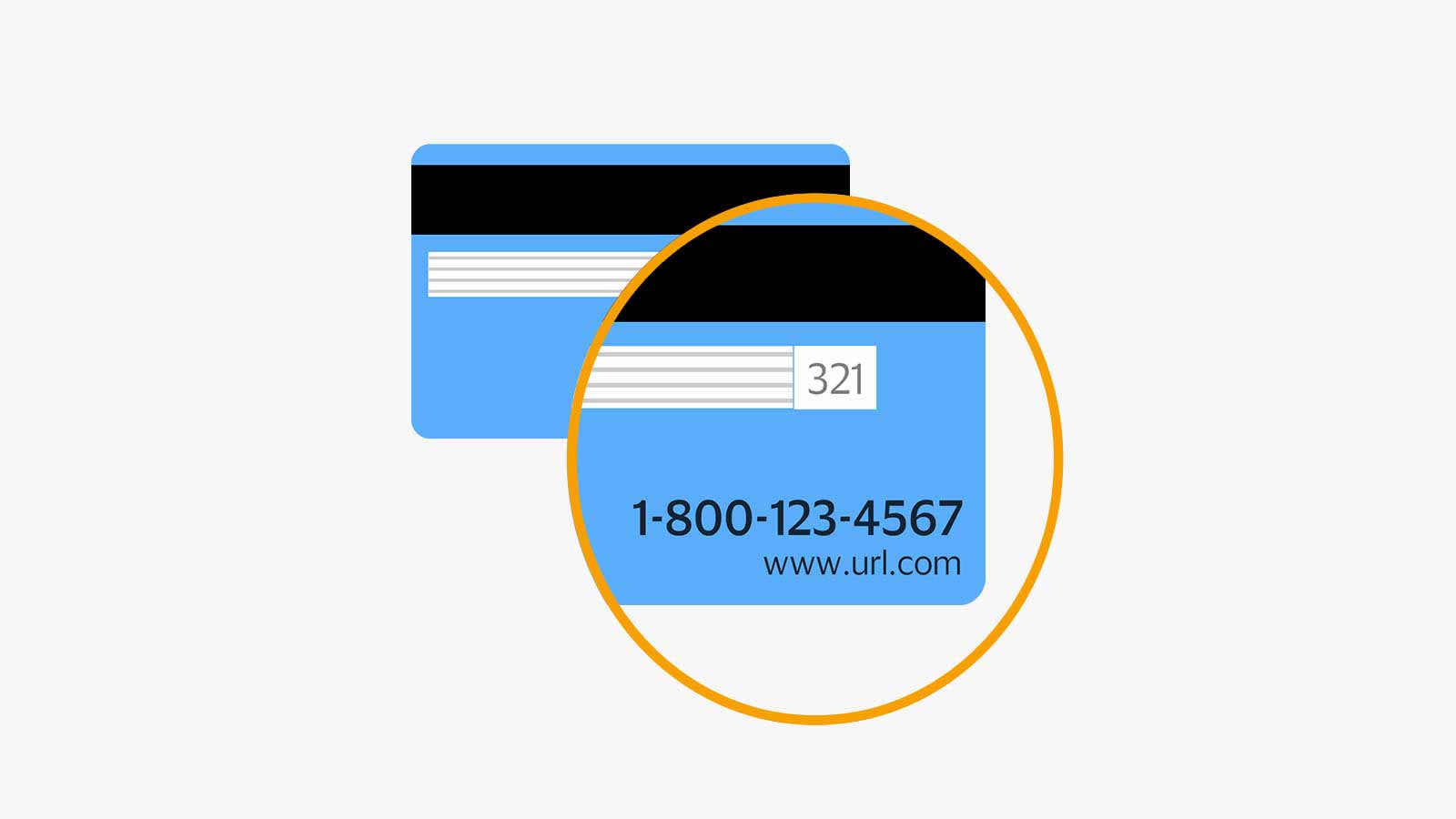
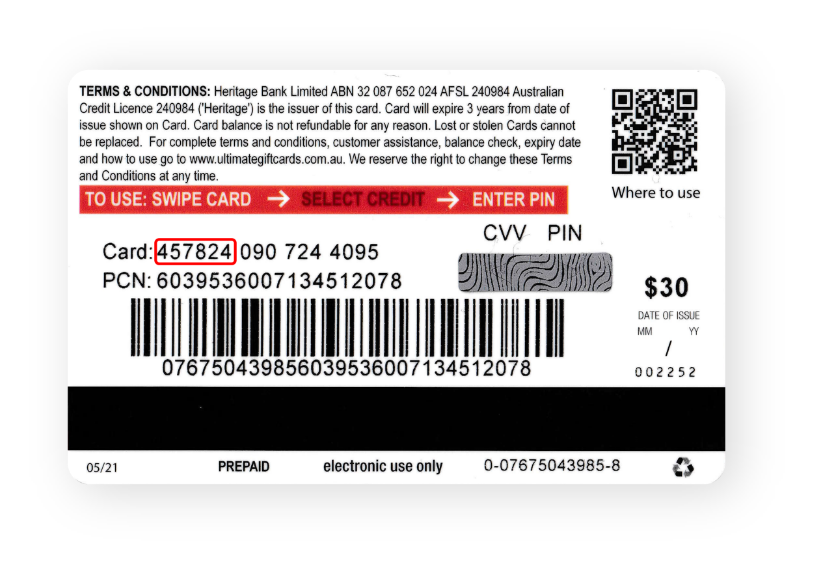
Upon clicking, you’ll generally be prompted to enter the gift card number (usually a 16-digit code on the back of the card) and a PIN or security code (often a 3- or 4-digit number, sometimes revealed by scratching off a silver strip). These details are essential for security and to ensure you are the legitimate holder of the card. The system then queries its database and displays the current available balance. This method is highly efficient, accessible 24/7 from any device with internet access, and provides instant confirmation, making it a cornerstone of modern financial tool utilization.
Telephone Inquiry: The Direct Line to Your Funds
For those who prefer a more traditional approach, or when internet access is unavailable, a telephone inquiry remains a reliable method. Almost every gift card, especially those from national chains or general-purpose cards (Visa, MasterCard, American Express), will have a toll-free customer service number printed on the back. This number is specifically for balance inquiries and other card-related questions.
When you call, you will typically be guided through an automated system. You will need to have your gift card readily available, as the system will prompt you to enter the gift card number and potentially the PIN or security code using your phone’s keypad. In some cases, you might be connected to a customer service representative who can assist you directly. While perhaps slightly less immediate than an online check, calling offers the advantage of potential human assistance if you encounter any issues or have specific questions about the card’s terms. It’s a valuable fallback, ensuring access to your financial information even without digital access.
In-Store Verification: The Personal Touch
The most direct method, and often the preferred choice for those who are already visiting the physical store, is to check the balance in person. Any cashier at the issuing retailer should be able to scan your gift card or manually enter its number into their point-of-sale (POS) system to provide an immediate balance update.
This method offers several advantages:
- Instant Confirmation: You get real-time verification directly from the merchant.
- Clarity: If there are any issues, such as a card not scanning or an unexpected balance, you have a store associate on hand to investigate immediately.
- Convenience: If you plan to make a purchase, you can check the balance just before checkout, allowing you to adjust your spending plans on the spot.
However, this method is only practical if you are already at the store or live nearby. Making a special trip solely to check a gift card balance might not be the most efficient use of your time, highlighting the convenience of online or telephone methods for initial checks.
Advanced Strategies and Considerations for Gift Card Management
Beyond simply knowing how to check a balance, sophisticated financial management involves understanding the broader ecosystem of gift cards and leveraging tools for enhanced control.

Leveraging Mobile Apps and Digital Wallets
Many major retailers and even some third-party financial apps now offer functionalities to store and manage gift card information. Retailer-specific apps often allow you to input your gift card details, store them digitally, and display the balance directly within the app. Some even allow for direct payment using the stored gift card.
Similarly, digital wallets like Apple Wallet, Google Pay, or dedicated gift card management apps can centralize your gift card data. By entering the card number and PIN, you can often track balances, receive usage reminders, and even convert physical cards into digital formats. This approach reduces clutter, minimizes the risk of losing physical cards, and integrates gift card management into your overall digital financial toolkit, making it easier to monitor and utilize your funds.
Understanding Card Terms and Conditions (Fees, Expiry)
A truly insightful approach to gift card management requires understanding the fine print. While federal laws and state regulations have curtailed some predatory practices, not all gift cards are created equal. It’s crucial to review the terms and conditions associated with each card, which are usually printed on the back, on the card’s packaging, or available on the issuer’s website.
Key aspects to look for include:
- Expiration Dates: While many states mandate minimum expiration periods (e.g., five years from activation or last use), some cards may have shorter terms, especially promotional ones.
- Dormancy Fees: After a period of inactivity, some cards may begin to charge monthly “dormancy” or “service” fees, which slowly deplete the balance.
- Usage Restrictions: Some cards might only be usable in certain locations, online only, or for specific departments within a store.
- Reloadability: Knowing if a card can be reloaded can be useful for budgeting or for frequent shoppers of a particular brand.
Understanding these terms empowers you to use your gift cards strategically, avoiding unexpected fees or lost value, and ensuring you extract maximum utility from your asset.
Safeguarding Your Gift Card Information
Just like cash or credit cards, gift cards represent tangible value and should be treated with care. Losing a gift card with a substantial balance is equivalent to losing cash.
Best practices for safeguarding include:
- Record Details: Immediately upon receiving a gift card, make a note of the card number, PIN, and the issuer’s customer service number. Take a photo of the front and back of the card. Store this information securely, perhaps in a password manager or a secure digital note.
- Treat Like Cash: Keep physical gift cards in a secure place, preferably your wallet, and avoid leaving them in easily accessible locations.
- Prompt Usage: The best way to prevent loss or theft is to use the gift card as soon as possible after checking its balance and planning your purchase. The longer a card sits unused, the higher the risk.
- Beware of Scams: Be cautious of phishing attempts or suspicious emails asking for gift card details. Only input card information on official, secure websites.
By adopting these security measures, you protect your financial assets and ensure that the value intended for you remains intact until you choose to redeem it.
Troubleshooting Common Gift Card Balance Issues
Even with the best intentions and careful management, issues can arise. Knowing how to troubleshoot common problems is another valuable financial skill.
When the Balance Doesn’t Seem Right
Occasionally, you might check a gift card balance and find it’s lower than expected, or even zero, despite not having used it. This can be frustrating, but there are steps you can take:
- Review Your Records: Check if you’ve noted any previous uses or if someone else might have used the card (e.g., a family member you shared it with).
- Check Transaction History: If the retailer’s website or phone system offers a transaction history for gift cards, review it for any unauthorized or unrecognized activity.
- Contact Customer Service: If discrepancies persist, contact the gift card issuer’s customer service immediately. Provide them with the card number, purchase date (if known), and any receipts you might have. They can investigate the card’s activity and clarify the balance.
- Beware of Scams: If a card was purchased from an unfamiliar source or at a discount, it might be fraudulent or already depleted. Always buy gift cards from reputable retailers.
Dealing with Lost or Stolen Gift Cards
Losing a gift card can feel like losing cash, but recovery might be possible, especially if you acted quickly and kept records.
- Report Immediately: As soon as you realize a card is lost or stolen, contact the issuer’s customer service line.
- Provide Details: Have your recorded card number and PIN ready. If you have the purchase receipt, that can significantly aid the recovery process.
- Issuers’ Policies: Be aware that replacement policies vary greatly. Some retailers offer replacements for the remaining balance if you have the original receipt and the card details. General-purpose cards (Visa, MasterCard) often have more robust protection, similar to credit cards, but typically require registration.
- Prevention is Key: This reinforces the importance of recording gift card information upon receipt. Without these details, proving ownership or tracking usage becomes exceedingly difficult.
What to Do with Small Remaining Balances
After a significant purchase, you might be left with a small, seemingly insignificant balance on a gift card (e.g., $0.57). While it might seem trivial, these small amounts add up if you have several such cards.
- “Penny Pinching”: Don’t discard them! Use them to offset a small portion of a larger purchase. For instance, if you’re buying something for $20 and have a $0.57 balance, tell the cashier you want to use the gift card first. You’ll only pay $19.43 with your primary payment method.
- Consolidation: Some third-party services or even certain retailers might allow you to consolidate small balances onto a single new gift card, though this is less common.
- Digital Wallets: Storing these small balances in a digital wallet or app can remind you to use them and aggregate their value mentally.
- Small Treats: Use them for a small item like a candy bar, a drink, or a small discount on a larger item to ensure every cent is redeemed.
Integrating Gift Card Management into Your Personal Finance Strategy
Effective gift card management isn’t just about checking a balance; it’s about integrating these tools into a holistic personal finance strategy that maximizes value and minimizes waste.
Proactive Usage and Consolidation
The most effective strategy for gift cards is proactive use. Once you receive a gift card and know its balance, make a plan to use it.
- Allocate to Needs: If it’s for a necessity (groceries, gas), integrate it into your regular budget cycles.
- Plan a Treat: If it’s for discretionary spending, plan a specific treat or purchase to ensure it’s used thoughtfully and fully.
- Consolidate if Possible: For cards that are reloadable or if you have multiple small balances from the same retailer, explore options for consolidation to simplify management. This reduces the number of cards you need to track.
- Digitalize: Convert physical cards to digital versions in apps or digital wallets where available, as this makes them harder to lose and easier to track.
Gifting and Receiving Gift Cards Responsibly
When giving gift cards, consider the recipient’s preferences and ensure the card has clear terms. Opt for cards from widely used retailers or general-purpose cards to maximize usability. When receiving, immediately apply the best practices outlined in this guide. Educate family and friends about the importance of checking balances and using cards promptly. This collective awareness elevates the financial literacy surrounding gift cards.
The Future of Digital Gift Cards
The trend towards digital gift cards and e-gift cards is accelerating. These often arrive via email or text message, offering immediate delivery and reducing physical clutter. They can typically be stored directly in digital wallets, and their balances are often easier to track online. Embracing these digital formats can streamline your gift card management, making it an even more seamless part of your overall financial ecosystem. As technology advances, we can expect more integrated solutions, further enhancing the financial utility and traceability of these versatile monetary tools.
By adopting a disciplined approach to checking balances, understanding terms, safeguarding information, and integrating gift cards into your broader financial plan, you transform these simple tokens into powerful instruments of personal financial empowerment, ensuring that every dollar gifted or received is a dollar fully utilized.
aViewFromTheCave is a participant in the Amazon Services LLC Associates Program, an affiliate advertising program designed to provide a means for sites to earn advertising fees by advertising and linking to Amazon.com. Amazon, the Amazon logo, AmazonSupply, and the AmazonSupply logo are trademarks of Amazon.com, Inc. or its affiliates. As an Amazon Associate we earn affiliate commissions from qualifying purchases.