
The advent of cryptocurrency has fundamentally reshaped the landscape of modern finance, presenting both unprecedented opportunities and unique challenges for investors. What began as a niche technological experiment has blossomed into a multi-trillion-dollar market, attracting attention from individual retail investors, institutional funds, and even nation-states. For many, the allure lies in its potential for high returns and its promise of a decentralized financial future. However, navigating this nascent asset class requires a thoughtful approach, a clear understanding of its inherent volatility, and a commitment to rigorous due diligence. This guide aims to demystify the process of investing in cryptocurrency, providing a professional, insightful, and engaging roadmap for those looking to integrate digital assets into their financial portfolio.
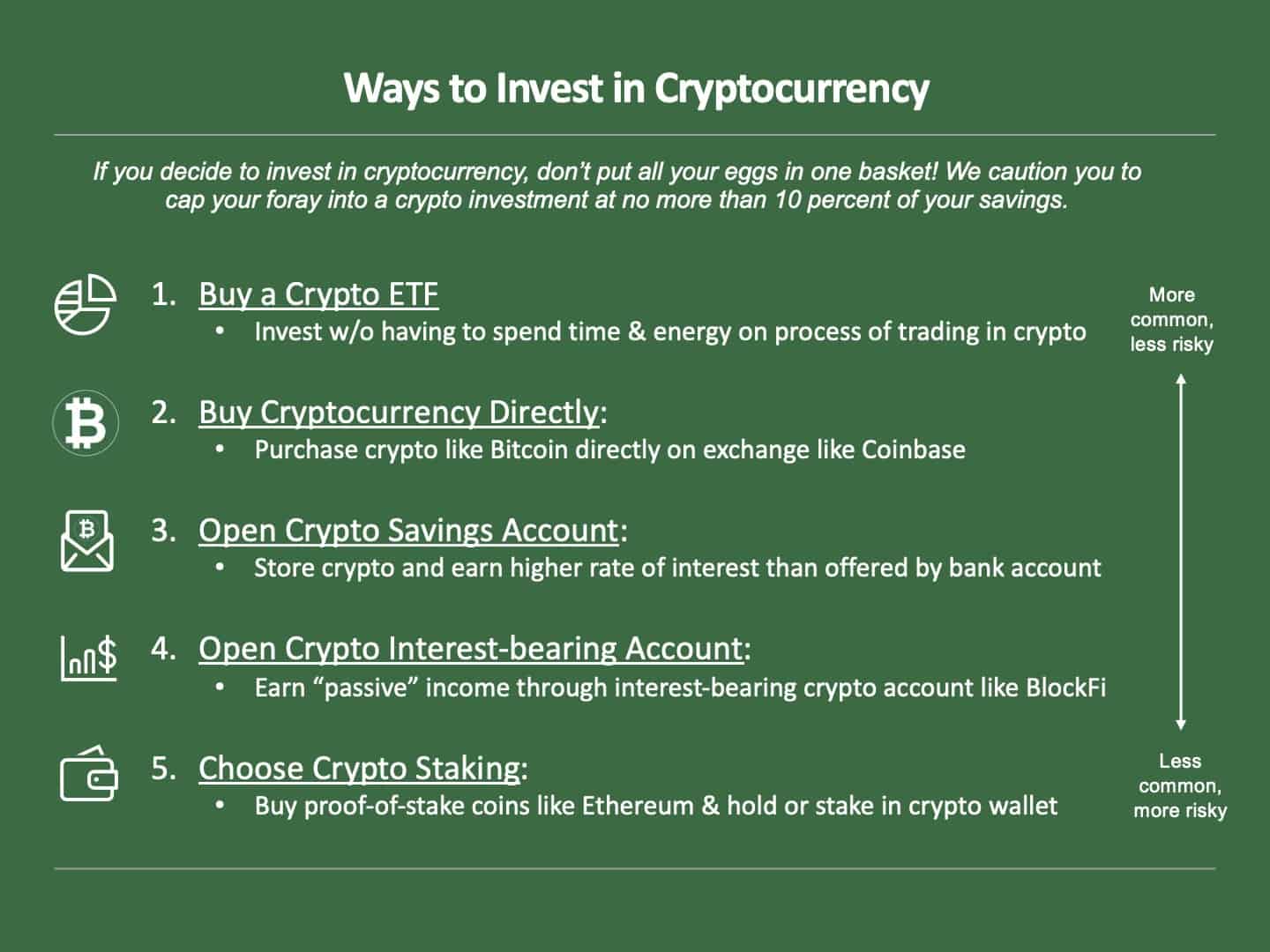
Understanding the Crypto Landscape
Before diving into the specifics of how to invest, it’s crucial to grasp the foundational concepts and the unique characteristics that define the cryptocurrency market. Unlike traditional investments, cryptocurrencies operate outside conventional banking systems, offering both liberation and a different set of risks.
What is Cryptocurrency? A Financial Perspective
At its core, cryptocurrency is a digital or virtual currency secured by cryptography, making it nearly impossible to counterfeit or double-spend. Many cryptocurrencies are decentralized networks based on blockchain technology—a distributed ledger enforced by a disparate network of computers. This decentralization is key, as it means no single entity, like a bank or government, controls the network. From an investment standpoint, cryptocurrencies are speculative assets whose value is driven by supply and demand, technological innovation, utility, and market sentiment. They represent a new form of digital asset, often seen as a potential hedge against inflation, a medium for fast and cheap international transactions, or simply as a high-growth investment opportunity.
The Volatility Paradox: Risks and Rewards
Perhaps the most defining characteristic of the cryptocurrency market is its extreme volatility. Prices can swing wildly—up or down by double-digit percentages—within a single day, let alone weeks or months. This inherent volatility is a double-edged sword. For risk-tolerant investors, it presents the potential for substantial capital gains in relatively short periods. Historically, early investors in Bitcoin and Ethereum have seen astronomical returns. However, the flip side is equally significant: the risk of substantial, rapid losses. Factors contributing to this volatility include market speculation, regulatory news, technological developments, macroeconomic trends, and even social media sentiment. Understanding and accepting this volatility is the first step towards prudent crypto investing. It underscores the cardinal rule: only invest what you can afford to lose.
Why Consider Crypto for Your Portfolio?
Despite the risks, many financial experts and individual investors are increasingly considering cryptocurrency as a viable component of a diversified portfolio. The arguments for inclusion often center on several points:
- Diversification: Cryptocurrencies can offer a low correlation with traditional asset classes like stocks and bonds, potentially providing diversification benefits and reducing overall portfolio risk in certain market conditions.
- Technological Innovation: Investing in crypto can be seen as an investment in groundbreaking blockchain technology, which has applications far beyond just currency, including decentralized finance (DeFi), NFTs, and Web3 infrastructure.
- Inflation Hedge: For some, Bitcoin, with its capped supply, is viewed as “digital gold” and a potential store of value that can act as a hedge against fiat currency inflation.
- Accessibility: Cryptocurrency markets are global and operate 24/7, offering unparalleled accessibility compared to traditional markets.
Laying the Foundation: Getting Started with Crypto Investing
Once you’ve grasped the fundamentals, the practical steps of entering the crypto market begin. This involves choosing the right platforms, securing your assets, and understanding the mechanisms for converting traditional money into digital assets.
Choosing the Right Cryptocurrency Exchange
Your primary gateway to crypto investing will be a cryptocurrency exchange. These platforms facilitate the buying, selling, and trading of digital assets. Selecting the right exchange is crucial for security, convenience, and access to the assets you wish to invest in. Key considerations include:
- Security: Prioritize exchanges with robust security measures, including two-factor authentication (2FA), cold storage for a significant portion of assets, and a strong track record of protecting user funds.
- Fees: Understand the fee structure, which can vary significantly. Look at trading fees, deposit/withdrawal fees, and any hidden charges.
- Available Cryptocurrencies: Ensure the exchange lists the cryptocurrencies you intend to invest in. Larger exchanges typically offer a wider selection.
- User Experience (UX): A user-friendly interface is essential, especially for beginners. Look for clear navigation, easy deposit/withdrawal processes, and responsive customer support.
- Regulatory Compliance: Choose exchanges that comply with local financial regulations, as this often implies a higher level of oversight and consumer protection. Reputable examples include Coinbase, Binance, Kraken, and Gemini, though availability and specific features vary by region.
Securing Your Digital Assets: Wallets Explained
After purchasing cryptocurrency, it’s paramount to secure your investment. While exchanges offer custodial wallets, many experienced investors advocate for moving assets to a personal wallet for greater control and security. Wallets are categorized primarily as hot or cold:
- Hot Wallets: These are connected to the internet and include exchange wallets, mobile wallets (e.g., Trust Wallet, MetaMask), and desktop wallets. They offer convenience for frequent trading but are generally considered less secure for large holdings due to their online nature and vulnerability to cyberattacks.
- Cold Wallets: These are offline storage solutions, providing superior security. Hardware wallets (e.g., Ledger, Trezor) are physical devices that store your private keys offline, making them impervious to online hacks. Paper wallets, though less common now, also involve printing private keys offline. For significant investments, hardware wallets are widely recommended as the gold standard for security. Understanding private keys and seed phrases is critical here; these are the ultimate proof of ownership of your crypto, and losing them means losing your funds forever.
Funding Your Investment: Fiat On-Ramps
To begin investing, you’ll need to convert fiat currency (e.g., USD, EUR, GBP) into cryptocurrency. Exchanges typically provide several “fiat on-ramp” options:
- Bank Transfers (ACH/SEPA): Often the most cost-effective method for larger sums, though it can take a few business days for funds to clear.
- Debit/Credit Cards: Offers instant deposits but usually comes with higher transaction fees.
- Payment Processors: Some exchanges integrate with services like PayPal or Apple Pay, offering convenience.
- Wire Transfers: Best for very large sums, typically with higher fees but faster processing than standard bank transfers.
Developing Your Investment Strategy
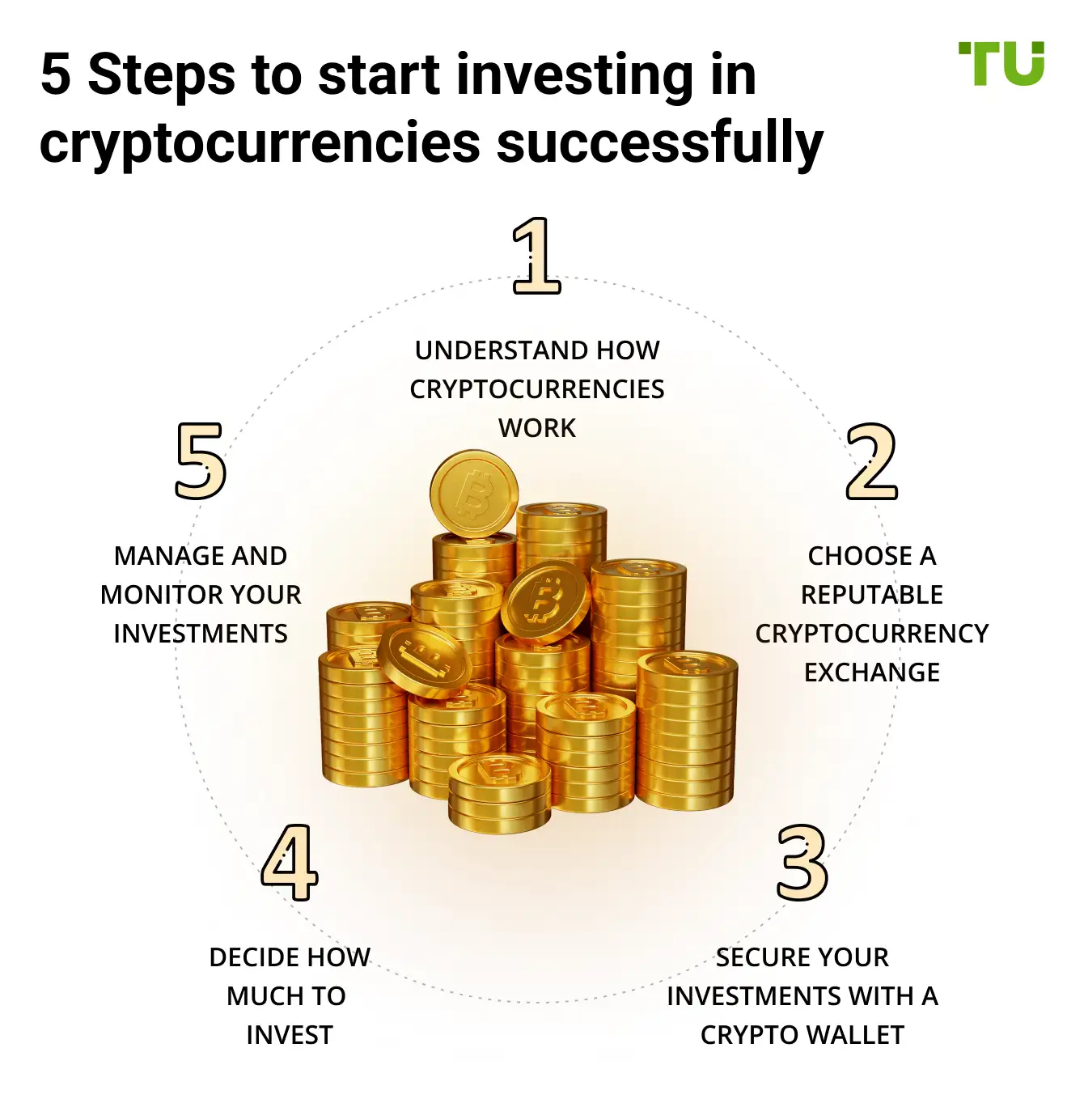
Successful crypto investing is not about impulsive decisions or chasing hype. It requires a well-thought-out strategy, meticulous research, and disciplined execution, similar to investing in traditional markets but with an amplified need for caution.
Research and Due Diligence: Beyond the Hype
Before committing capital, thorough research is non-negotiable. Do not rely solely on social media buzz or casual recommendations.
- Whitepapers and Project Teams: Read the project’s whitepaper to understand its technology, use case, and roadmap. Investigate the team behind the project—their experience, transparency, and past successes.
- Market Capitalization and Supply: Understand the total value of the project (market cap = price x circulating supply) and its tokenomics (how the tokens are distributed, vested, and used). A higher market cap generally indicates greater stability, while lower caps offer higher growth potential but also higher risk.
- Use Case and Adoption: Does the cryptocurrency solve a real problem? Is there growing adoption of its underlying technology or platform?
- Community and Development Activity: A strong, active developer community and vibrant user base often signal a healthy and evolving project.
Popular Investment Approaches: HODL vs. DCA
Two prominent strategies have emerged in crypto investing:
- HODL (Hold On for Dear Life): This strategy involves buying and holding cryptocurrencies for the long term, regardless of short-term price fluctuations. It’s based on the belief that the underlying value of the asset will appreciate significantly over time. HODLing minimizes the impact of short-term volatility and eliminates the stress of day trading.
- DCA (Dollar-Cost Averaging): This involves investing a fixed amount of money at regular intervals (e.g., weekly or monthly), regardless of the asset’s price. When prices are high, your fixed investment buys fewer units; when prices are low, it buys more. DCA helps to smooth out the average purchase price over time, reducing the risk associated with trying to “time the market” and mitigating the impact of volatility. It is often recommended for beginners.
Diversification within Crypto and Traditional Assets
While diversification is a cornerstone of prudent investing, it takes on new dimensions in the crypto space.
- Within Crypto: Instead of putting all your capital into a single cryptocurrency, consider diversifying across different types of assets (e.g., Bitcoin, Ethereum, stablecoins, DeFi tokens, NFTs) and across different blockchain ecosystems. This can help mitigate the risk if one project underperforms.
- Across Asset Classes: Even with crypto diversification, it’s generally wise to only allocate a small percentage (e.g., 5-10%) of your total investment portfolio to cryptocurrencies. The majority should remain in more stable, traditional assets like stocks, bonds, and real estate, aligned with your overall financial goals and risk tolerance.
Risk Management: Only Invest What You Can Afford to Lose
This principle cannot be overstated. The crypto market is highly speculative, and the possibility of losing your entire investment is real. Never invest funds that you need for essential living expenses, emergency savings, or short-term financial goals. Define your risk tolerance clearly and adhere to it. Setting stop-loss orders on exchanges can also be a tool to limit potential losses, though they are not foolproof in highly volatile markets.
Navigating the Complexities: Security and Regulation
Beyond the investment strategies, successful crypto participation demands a keen awareness of ongoing security threats and the evolving regulatory landscape. These aspects directly impact the safety and legality of your investments.
Protecting Your Investments: Cybersecurity Best Practices
The decentralized nature of crypto means you are your own bank, and with that comes full responsibility for security.
- Strong, Unique Passwords: Use complex, unique passwords for all your exchange accounts and email.
- Two-Factor Authentication (2FA): Always enable 2FA, preferably using an authenticator app (like Google Authenticator) rather than SMS, which can be vulnerable to SIM-swap attacks.
- Beware of Phishing and Scams: Be highly skeptical of unsolicited emails, messages, or social media posts asking for private keys, seed phrases, or promising guaranteed returns. Double-check URLs before entering credentials.
- Software Updates: Keep your operating system, browser, and crypto-related software up to date to patch security vulnerabilities.
- VPN Use: Consider using a Virtual Private Network (VPN) when accessing exchanges, especially on public Wi-Fi.
- Regular Backups: If using a local wallet, regularly back up your wallet files or seed phrases and store them securely offline.
Understanding Tax Implications
Cryptocurrency investments are generally subject to taxation in many jurisdictions. Tax laws vary significantly by country, but common rules often treat crypto as property for tax purposes, meaning:
- Capital Gains Tax: Profits from selling cryptocurrency for fiat or trading it for another cryptocurrency are usually subject to capital gains tax. The tax rate often depends on how long you held the asset (short-term vs. long-term).
- Income Tax: Earning cryptocurrency through mining, staking rewards, airdrops, or as payment for goods/services is typically considered taxable income.
- Record Keeping: Meticulous record-keeping of all your crypto transactions (purchase price, sale price, dates, fees) is essential for accurate tax reporting. Consulting with a tax professional specializing in cryptocurrency is highly recommended to ensure compliance.
The Evolving Regulatory Environment
The regulatory landscape for cryptocurrency is a moving target, with governments globally grappling with how to integrate digital assets into existing financial frameworks. This evolution directly impacts investor confidence and market stability.
- Varying Approaches: Some countries have embraced crypto, fostering innovation, while others have imposed strict regulations or outright bans.
- Consumer Protection: Regulators are increasingly focused on consumer protection, anti-money laundering (AML), and know-your-customer (KYC) compliance. This often means exchanges require identity verification.
- Impact on Markets: Regulatory clarity can bring stability and institutional adoption, while uncertainty or unfavorable rulings can trigger market downturns. Staying informed about regulatory developments in your region and globally is part of being a responsible crypto investor.
Long-Term Vision: Sustaining Your Crypto Journey
Investing in cryptocurrency is rarely a “set it and forget it” endeavor. The market is dynamic, rapidly evolving, and demands ongoing engagement and adaptability.
Staying Informed: Reliable Sources and Community Engagement
The crypto space moves at an incredible pace. To make informed decisions, it’s vital to stay updated on market trends, technological advancements, and regulatory news.
- Reputable News Outlets: Follow established crypto news sites (e.g., CoinDesk, CoinTelegraph) and mainstream financial news sources that cover crypto.
- Project Official Channels: Follow the official blogs, Twitter accounts, and Discord/Telegram channels of projects you invest in.
- Critical Thinking: Be wary of biased sources, influencers promoting “moon shots,” and remember to always verify information.
Rebalancing Your Portfolio
Just like with traditional investments, periodically rebalancing your crypto portfolio is a sound financial practice. If one asset performs exceptionally well, it might grow to represent an outsized portion of your portfolio, increasing your risk exposure to that single asset. Rebalancing involves selling a portion of your high-performing assets and reinvesting in underperforming ones (to maintain your target allocation) or moving profits into more stable assets or fiat. This helps maintain your desired risk profile and can lock in gains.

The Future of Digital Assets and Your Role
The cryptocurrency market is still in its infancy, with massive potential for growth and innovation. Blockchain technology is poised to disrupt numerous industries beyond finance, from supply chain management to digital identity and content creation. As an investor, you are participating in this transformative journey. Approaching crypto investment with a long-term perspective, continuous learning, and a disciplined approach will not only enhance your chances of financial success but also empower you to be a more informed participant in the evolving digital economy. Remember, patience, discipline, and constant education are your most valuable assets in the world of cryptocurrency.
aViewFromTheCave is a participant in the Amazon Services LLC Associates Program, an affiliate advertising program designed to provide a means for sites to earn advertising fees by advertising and linking to Amazon.com. Amazon, the Amazon logo, AmazonSupply, and the AmazonSupply logo are trademarks of Amazon.com, Inc. or its affiliates. As an Amazon Associate we earn affiliate commissions from qualifying purchases.