
The world of cryptocurrency, once a niche interest for tech enthusiasts, has rapidly evolved into a mainstream financial phenomenon. From Bitcoin’s meteoric rises to the emergence of decentralized finance (DeFi) and non-fungible tokens (NFTs), digital assets have captured the attention of individual investors, institutional players, and even central banks. Yet, for many, the path to “doing crypto” remains shrouded in complexity and uncertainty. This guide aims to demystify the process, offering a professional, insightful, and engaging roadmap for navigating the cryptocurrency landscape, strictly from a financial perspective. Whether you’re considering your first investment or looking to refine your portfolio strategy, understanding the fundamental principles, opportunities, and risks is paramount to making informed financial decisions in this volatile yet potentially rewarding space.

Understanding the Crypto Landscape: Foundations for Financial Decisions
Before diving into specific investments, a foundational understanding of what cryptocurrency entails, its key characteristics, and the broader market dynamics is crucial. This initial exploration sets the stage for responsible financial engagement.
What is Cryptocurrency and Why Does it Matter Financially?
At its core, cryptocurrency is a digital or virtual currency secured by cryptography, making it nearly impossible to counterfeit or double-spend. Most cryptocurrencies are decentralized networks based on blockchain technology—a distributed ledger enforced by a disparate network of computers. This decentralization is a key financial differentiator, as it removes the need for traditional intermediaries like banks, potentially leading to lower transaction fees and faster settlements. From a financial viewpoint, cryptocurrencies represent a new asset class, offering diversification opportunities away from traditional assets like stocks and bonds, while also presenting unique risk profiles due to their novel technology and market behavior. Understanding this shift from centralized to decentralized financial systems is the first step in appreciating crypto’s potential impact on your personal finance and investment strategy.
Key Concepts & Terminology for the Aspiring Crypto Investor
Navigating the crypto space requires familiarity with a specific lexicon. Financially relevant terms include:
- Bitcoin (BTC): The first and largest cryptocurrency, often seen as “digital gold” due to its fixed supply and store-of-value potential.
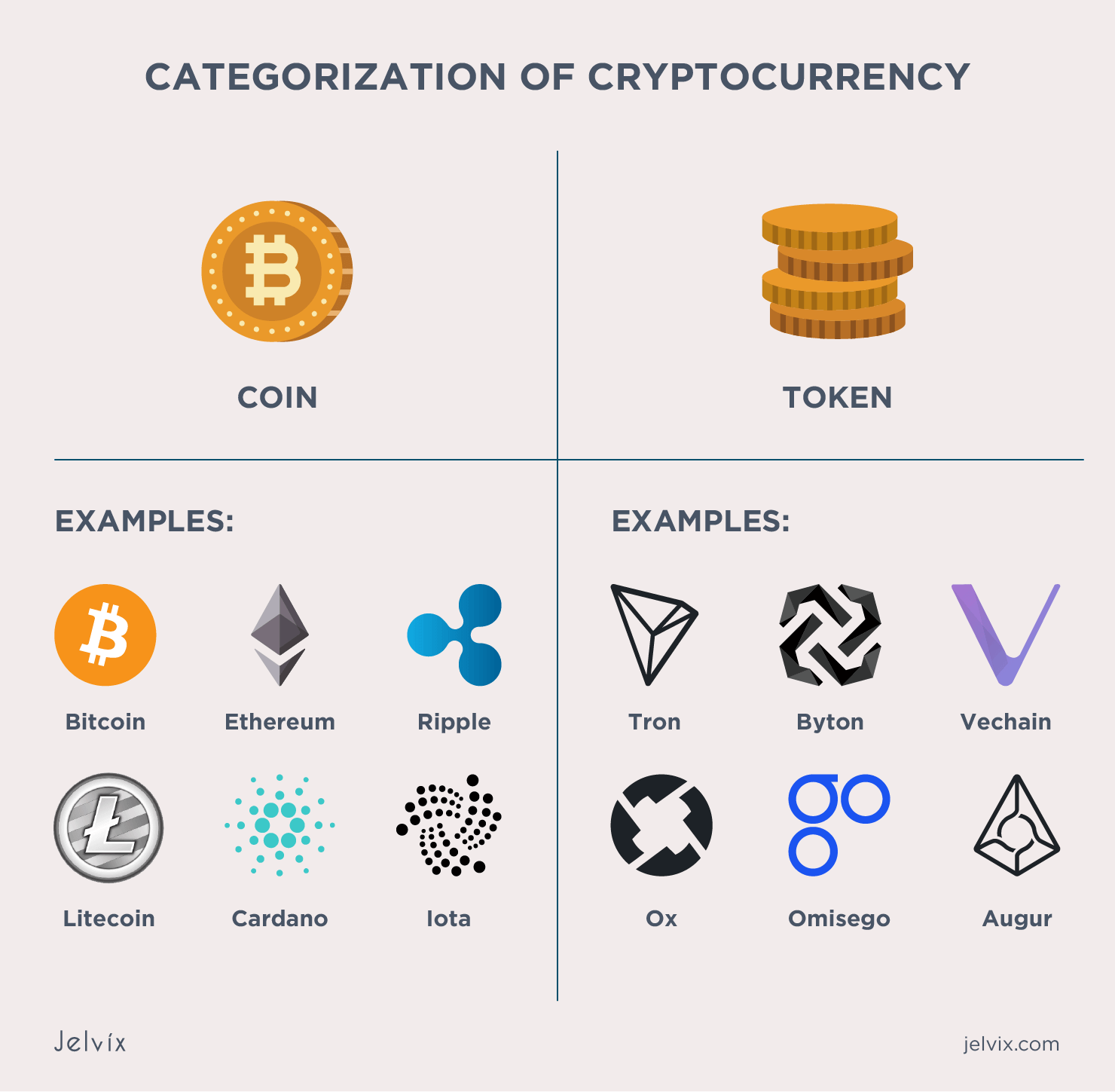
- Altcoins: Any cryptocurrency other than Bitcoin. These range from established platforms like Ethereum (ETH), which powers smart contracts and decentralized applications, to thousands of smaller, often more volatile, assets.
- Stablecoins: Cryptocurrencies designed to minimize price volatility, typically by pegging their value to another stable asset like the US dollar (e.g., USDT, USDC). They are crucial for traders seeking to preserve capital during market downturns or to move funds efficiently between different crypto assets without converting to fiat.
- Decentralized Finance (DeFi): An umbrella term for financial services built on blockchain technology (primarily Ethereum) that operate without central intermediaries. This includes lending, borrowing, trading, and insurance, offering new avenues for earning interest or accessing capital, albeit with specific risks.
- Non-Fungible Tokens (NFTs): Unique digital assets whose ownership is recorded on a blockchain. While often associated with art and collectibles, their financial relevance extends to digital identity, gaming assets, and tokenized real-world assets, representing a new frontier for value creation and ownership.
- Market Capitalization: The total value of all coins in circulation for a given cryptocurrency (price per coin * number of coins in circulation). This metric helps assess the size and relative stability of an asset.
Grasping these terms is essential for interpreting market data, evaluating investment opportunities, and understanding the financial implications of participating in various crypto ecosystems.
Opportunities and Inherent Risks: A Balanced Financial View
The allure of cryptocurrency lies in its potential for significant financial returns. Early investors in Bitcoin and Ethereum have seen life-changing wealth accumulation. Beyond speculative gains, crypto offers opportunities like passive income through staking (locking up crypto to support a network and earn rewards), yield farming (lending or staking assets in DeFi protocols for high returns), and participating in innovative new financial paradigms.
However, these opportunities come hand-in-hand with substantial risks:
- Extreme Volatility: Crypto markets are notoriously volatile, with prices capable of dramatic swings in short periods, leading to rapid gains or significant losses. This makes risk management crucial.
- Regulatory Uncertainty: The regulatory landscape is still evolving globally. Sudden policy changes can profoundly impact asset values, restrict access, or introduce new tax liabilities.
- Security Risks: While blockchain technology itself is robust, individual investors face risks from exchange hacks, phishing scams, and loss of private keys, which can result in irreversible loss of funds.
- Technological Risks: New protocols and smart contracts can have bugs or vulnerabilities, leading to financial exploitation or loss of assets.
- Lack of Investor Protection: Unlike traditional financial markets, many crypto platforms lack the same level of consumer protection and insurance (e.g., FDIC in the US) for funds held on their platforms.
A clear-eyed assessment of both the financial upside and downside is non-negotiable for anyone considering involvement in this space.
Getting Started: Your First Steps in Crypto Investing
Once you understand the basics, the practical steps to acquiring and managing cryptocurrency come into focus. This section guides you through setting up your financial foundation and choosing the right platforms.
Setting Up Your Financial Foundation for Crypto Investment
Before making any investment, it’s vital to ensure your personal finances are in order. Crypto should be approached as a high-risk, high-reward component of a diversified investment portfolio, not a get-rich-quick scheme.
- Define Your Risk Tolerance: Honestly assess how much financial loss you can comfortably bear. Due to extreme volatility, only invest what you are genuinely prepared to lose entirely.
- Allocate Responsibly: Most financial advisors suggest allocating a small percentage (e.g., 1-5%) of your total investment portfolio to highly speculative assets like cryptocurrency. This helps manage overall portfolio risk.
- Secure Emergency Savings: Ensure you have a robust emergency fund covering 3-6 months of living expenses. Crypto investments should never come at the expense of financial stability.
- Debt Management: Prioritize paying off high-interest debt before investing in crypto. The potential returns, while high, rarely outweigh the guaranteed savings from eliminating credit card debt.
- Long-Term Mindset: Avoid short-term speculative trading unless you are an experienced professional. A long-term investment horizon (e.g., 3-5+ years) can help weather market volatility and potentially realize greater returns.
Choosing a Reputable Cryptocurrency Exchange
A cryptocurrency exchange is a digital marketplace where you can buy, sell, and trade cryptocurrencies using fiat currencies (like USD, EUR) or other cryptocurrencies. Selecting a reliable exchange is a critical financial decision.
- Security: This is paramount. Look for exchanges with strong security measures like two-factor authentication (2FA), cold storage for a significant portion of assets, and a clear history of protecting user funds.
- Regulatory Compliance (KYC/AML): Reputable exchanges adhere to Know Your Customer (KYC) and Anti-Money Laundering (AML) regulations, which require identity verification. While some prefer anonymous trading, compliant exchanges offer greater legal protection and often better integration with traditional banking systems.
- Fees: Understand the fee structure for trading, deposits, and withdrawals. These can vary significantly and impact your overall profitability.
- Available Assets: Ensure the exchange offers the cryptocurrencies you are interested in buying.
- User Interface and Support: A user-friendly interface is beneficial for beginners, as is responsive customer support.
- Liquidity: High liquidity ensures you can buy or sell your assets quickly at competitive prices.
- Geographic Availability: Confirm the exchange operates legally in your country or region.
Popular global exchanges include Coinbase, Binance, Kraken, and Gemini, each with its own strengths and regional focus. Start with one that is well-regulated and has a strong reputation.
Securing Your Assets: Wallets Explained
Once you purchase cryptocurrency, it resides on the exchange. However, for greater security and control over your financial assets, it’s generally recommended to transfer them to a personal crypto wallet.
- Hot Wallets: These are connected to the internet (e.g., exchange wallets, mobile apps, desktop software). They offer convenience but are more vulnerable to online attacks. Exchange wallets, while convenient, mean you don’t fully control your private keys (“not your keys, not your crypto”).
- Cold Wallets (Hardware Wallets): These are physical devices that store your private keys offline, making them highly resistant to hacking. Examples include Ledger and Trezor. They are considered the most secure option for storing significant amounts of cryptocurrency for the long term.
- Private Keys and Seed Phrases: Regardless of the wallet type, you will be given a “seed phrase” (a series of 12-24 words). This phrase is the master key to your funds. Losing it means losing access to your crypto forever, and anyone who gains access to it can steal your funds. Store your seed phrase in multiple secure, offline locations. Never share it with anyone.
For small amounts and frequent trading, an exchange wallet might suffice. For larger investments or long-term holdings, a hardware wallet is a critical investment in your financial security.
Strategic Approaches to Crypto Investing
Successfully “doing crypto” involves more than just buying assets; it requires a strategic, disciplined approach to investment. This section covers key methodologies to mitigate risk and optimize potential returns.
Research and Due Diligence: The Investor’s Imperative

Investing in crypto without thorough research is akin to gambling. Every cryptocurrency project has unique characteristics, and understanding them is crucial for sound financial decision-making.
- Whitepapers: Read the project’s whitepaper, which outlines its technology, purpose, tokenomics, and roadmap. This provides deep insight into its fundamental value proposition.
- Team and Advisors: Investigate the background and experience of the development team and advisors. A strong, credible team is a positive indicator.
- Use Case and Problem Solved: Does the project address a real-world problem or offer significant utility? Projects with clear use cases tend to have more sustainable long-term value.
- Tokenomics: Understand how the cryptocurrency’s supply is managed (e.g., fixed supply, inflationary, deflationary), how new tokens are distributed, and how value accrues to the token.
- Community and Development Activity: A vibrant, engaged community and ongoing development indicate a healthy project. Track their GitHub, social media, and forums.
- Competitors: Analyze similar projects and understand the competitive landscape. What gives this project an edge?
This rigorous research process helps differentiate genuine innovation from mere speculation and protects your financial capital.
Diversification and Portfolio Management
Just like traditional investing, diversification is a cornerstone of responsible crypto investing. Spreading your investments across different assets reduces the impact of a single asset’s poor performance on your overall portfolio.
- Asset Class Diversification: Don’t just invest in one type of crypto. Consider a mix of Bitcoin (as a store of value), Ethereum (as a platform for dApps), stablecoins (for stability and yield), and select altcoins with strong use cases.
- Sector Diversification: Within altcoins, consider diversifying across different sectors such as DeFi, NFTs, gaming, layer-1 blockchains, and layer-2 scaling solutions.
- Risk-Adjusted Allocation: Allocate a larger portion of your portfolio to more established, less volatile assets (like BTC and ETH) and a smaller, calculated portion to higher-risk, higher-reward altcoins.
- Regular Rebalancing: Periodically review and rebalance your portfolio to maintain your desired asset allocation and risk profile. For example, if one asset has performed exceptionally well, you might trim some profits to reallocate to underperforming assets or stablecoins.
A well-diversified crypto portfolio aims to capture growth opportunities while mitigating specific asset risks.
Dollar-Cost Averaging (DCA): Mitigating Volatility
Dollar-Cost Averaging is a strategy where an investor divides the total amount to be invested across periodic purchases of a target asset over a set period of time. This strategy is particularly effective in volatile markets like crypto.
- How it Works: Instead of investing a large lump sum at once, you invest a fixed amount of money at regular intervals (e.g., $100 every week or month), regardless of the asset’s price.
- Benefits: DCA helps to average out your purchase price, reducing the risk of buying all your assets at a market peak. Over time, this strategy can lead to a lower average cost per unit and better long-term returns compared to trying to “time the market.” It also removes emotional decision-making from investing, promoting disciplined, consistent financial action.
- Implementation: Many exchanges offer recurring buy features, allowing you to automate your DCA strategy. This simplifies the process and ensures adherence to your investment plan.
DCA is a powerful tool for long-term crypto investors seeking to build wealth steadily amidst market fluctuations.
Understanding Market Cycles and Volatility
Cryptocurrency markets are known for their distinct cycles—periods of rapid growth (bull markets) followed by significant corrections or declines (bear markets). Recognizing these patterns, while not allowing them to dictate impulsive financial decisions, can provide valuable context.
- Bull Markets: Characterized by rising prices, high trading volume, and widespread optimism. During these times, it’s easy to get caught up in FOMO (Fear Of Missing Out) and make irrational investment choices.
- Bear Markets: Marked by falling prices, lower trading volume, and often pessimism. These periods can be challenging psychologically but also present opportunities to accumulate assets at lower prices.
- Volatility as an Inherent Feature: Unlike traditional markets, crypto volatility is often amplified. Understand that 20-30% price swings in a single day are not uncommon for many altcoins. This necessitates a strong mental fortitude and adherence to your long-term investment plan.
A deep understanding of market psychology and the cyclical nature of crypto markets helps investors remain calm and stick to their financial strategy, avoiding reactive decisions driven by fear or greed.
Navigating the Challenges and Ensuring Security
The decentralized nature of crypto places a significant burden of responsibility on the individual investor for financial security and compliance. Proactive measures are essential to protect your assets and adhere to legal obligations.
Protecting Against Scams and Fraud
The unregulated nature of much of the crypto space makes it a fertile ground for sophisticated scams. Vigilance is critical to protecting your financial assets.
- Phishing Attacks: Be wary of emails, messages, or websites impersonating legitimate crypto services. Always double-check URLs and sender addresses.
- Fake Giveaways/Airdrops: If an offer seems too good to be true, it almost certainly is. Legitimate projects rarely ask you to send crypto to receive more.
- Investment Scams: Be skeptical of promises of guaranteed high returns with little to no risk. Ponzi schemes are rampant in crypto.
- Romance Scams/Impersonation: Scammers often build trust over time, then persuade victims to invest in fake crypto platforms. Verify identities and be cautious of anyone asking you to send them crypto.
- Rug Pulls: A type of scam where developers launch a seemingly legitimate project, attract investor funds, and then suddenly abandon the project, disappearing with all the money. Thorough research into the team and project fundamentals is your best defense.
Never share your private keys, seed phrases, or sensitive personal information. Educate yourself on common scam tactics to safeguard your financial well-being.
Managing Security Best Practices
Beyond avoiding scams, implementing robust security practices for your crypto holdings is paramount.
- Two-Factor Authentication (2FA): Always enable 2FA on all your exchange accounts and wallets. Hardware-based 2FA (e.g., YubiKey) or authenticator apps (e.g., Google Authenticator) are generally more secure than SMS-based 2FA.
- Strong, Unique Passwords: Use complex, unique passwords for each crypto-related account, ideally managed with a reputable password manager.
- Hardware Wallet Security: For cold storage, keep your hardware wallet in a secure physical location. Crucially, your seed phrase should be stored separately, offline, and in multiple secure spots, away from fire, water, and theft.
- Software Updates: Keep your wallet software, operating system, and antivirus up to date to patch security vulnerabilities.
- Be Skeptical of Unsolicited Advice: Avoid clicking on suspicious links or downloading files from unknown sources.
- Use a VPN: When accessing crypto platforms on public Wi-Fi, use a Virtual Private Network (VPN) to encrypt your internet connection.
Your financial security in crypto is largely your responsibility; treat it with the utmost diligence.
Understanding Tax Implications
A critical, often overlooked, aspect of “doing crypto” is its tax implications. Tax laws vary significantly by jurisdiction, but generally, crypto transactions are subject to capital gains tax.
- Capital Gains/Losses: Selling cryptocurrency for a profit (to fiat or another crypto) typically incurs capital gains tax. If you sell at a loss, you may be able to offset other gains or income.
- Income Tax: Earning crypto through mining, staking rewards, airdrops, or receiving it as payment for goods/services is usually considered taxable income.
- Record Keeping: Maintain meticulous records of all your crypto transactions, including purchase dates, acquisition costs, sale dates, and selling prices. This is essential for accurately calculating gains and losses. Many crypto tax software solutions can help automate this process by integrating with exchanges and wallets.
- Consult a Professional: Given the complexity and evolving nature of crypto tax laws, it is highly recommended to consult with a tax professional specializing in cryptocurrency. They can provide tailored advice and ensure compliance with your local regulations, preventing potential financial penalties.
Ignoring tax obligations can lead to significant financial and legal repercussions. Proactive planning and meticulous record-keeping are indispensable for responsible crypto investment.
Conclusion
“How to do crypto” is a journey that begins with education, progresses through strategic financial planning, and is sustained by ongoing vigilance and discipline. The cryptocurrency market offers unprecedented opportunities for wealth creation and financial innovation, but it also harbors significant risks that demand respect and careful management. By understanding the underlying technology, conducting thorough due diligence, implementing sound investment strategies like diversification and dollar-cost averaging, and prioritizing robust security measures, individuals can navigate this dynamic landscape more confidently. Remember, a long-term perspective, coupled with a commitment to continuous learning and professional advice where needed, will be your most valuable assets in the evolving world of decentralized finance. Approach crypto not as a quick path to riches, but as a potentially transformative component of a well-considered, diversified financial future.
aViewFromTheCave is a participant in the Amazon Services LLC Associates Program, an affiliate advertising program designed to provide a means for sites to earn advertising fees by advertising and linking to Amazon.com. Amazon, the Amazon logo, AmazonSupply, and the AmazonSupply logo are trademarks of Amazon.com, Inc. or its affiliates. As an Amazon Associate we earn affiliate commissions from qualifying purchases.