
The term “Appalachian” evokes a rich tapestry of images: majestic mountains, lush forests, deep-rooted culture, and resilient communities. But beyond the scenic beauty and historical narratives, understanding “what is the Appalachian” requires a deeper dive into its profound economic identity and financial landscape. Far from being a monolithic entity, Appalachia represents a complex socio-economic region within the Eastern United States, grappling with unique financial challenges while simultaneously nurturing burgeoning opportunities for economic development, investment, and personal prosperity. This article aims to unpack the financial dimensions of Appalachia, exploring its historical economic foundations, contemporary investment potential, and the myriad ways individuals and businesses navigate its distinct financial ecosystem.
Beyond Geography: Understanding Appalachia’s Economic Identity
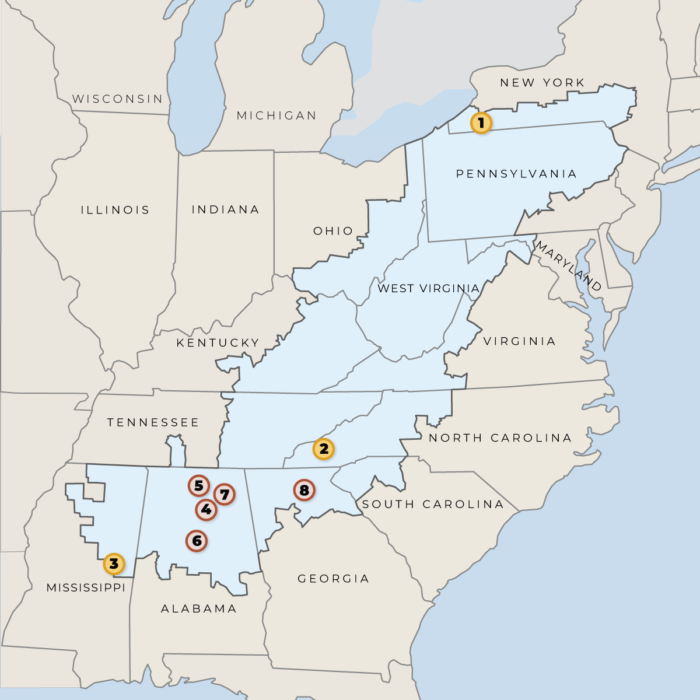
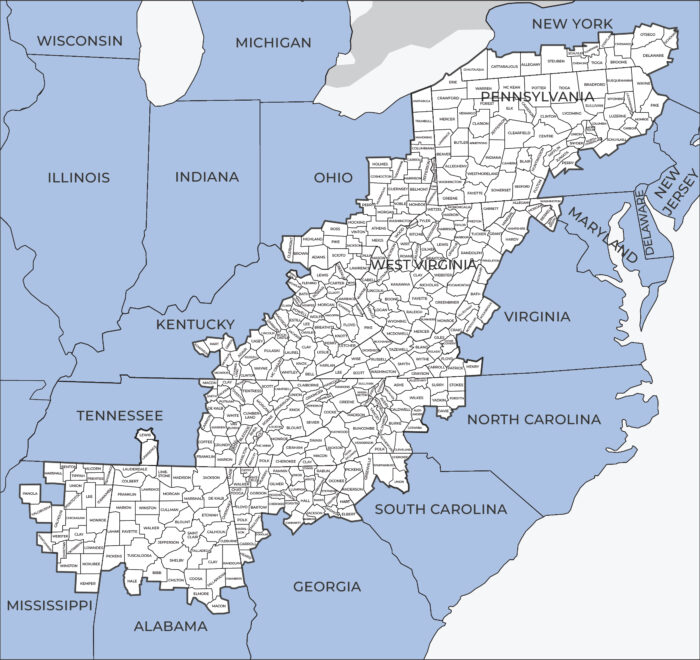
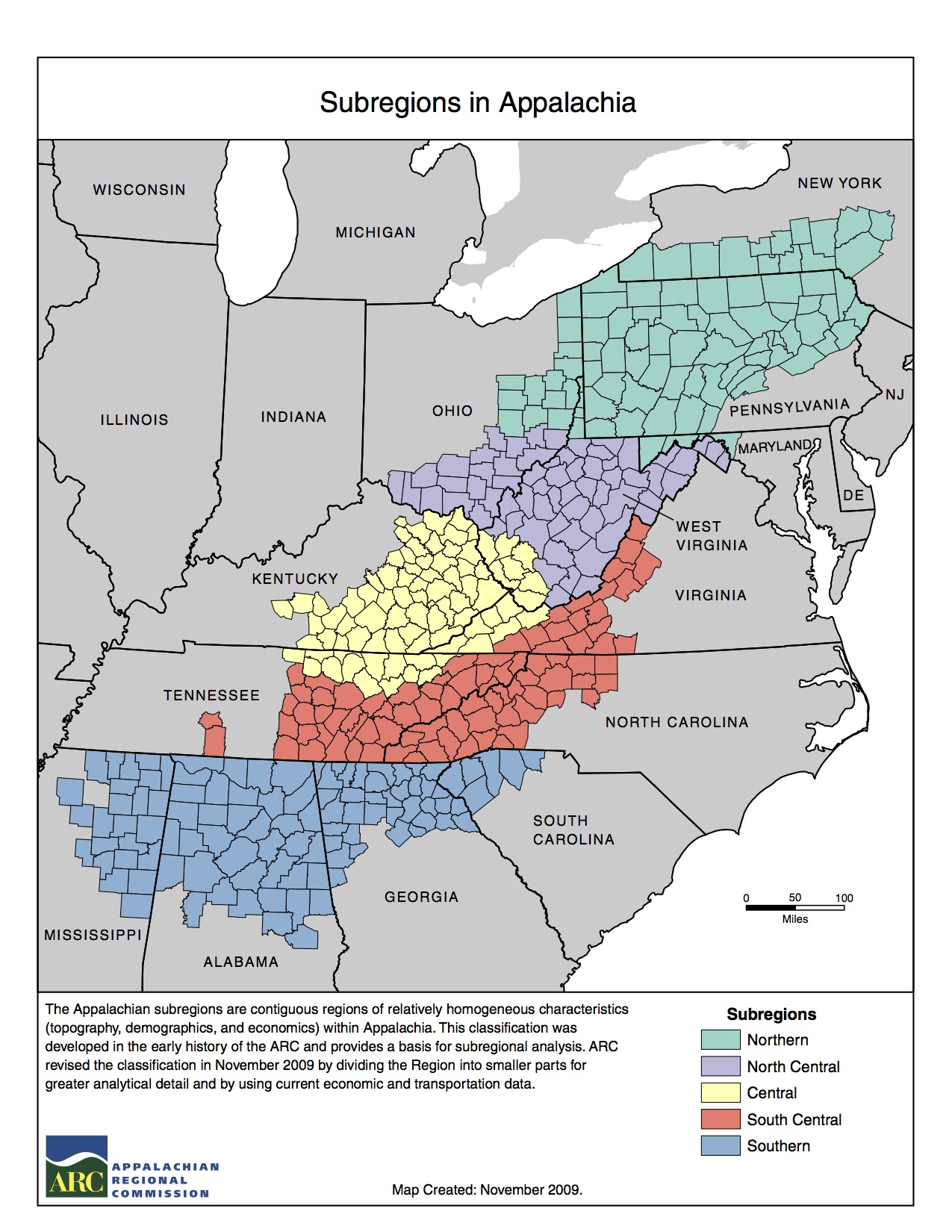
To grasp the financial essence of Appalachia, one must first recognize that “the Appalachian” is not merely a geographic designation but a region shaped profoundly by its economic history and ongoing financial realities. Defined by the Appalachian Regional Commission (ARC) as a 13-state area stretching from southern New York to northern Mississippi, this region encompasses 423 counties and a population of over 25 million people. The economic story of Appalachia is one of both resource abundance and exploitation, leading to cycles of prosperity and profound financial struggle that continue to influence its present.
Historical Economic Trajectories and Resource Dependence
Historically, the Appalachian economy has been inextricably linked to its natural resources. The region became a powerhouse for timber extraction in the 19th century and, most significantly, coal mining in the 20th century. These industries provided employment and wealth for some, yet often at a high environmental and social cost, leaving many communities dependent on single industries subject to boom-and-bust cycles. This reliance fostered an extractive economic model where wealth was often siphoned out of the region, limiting local reinvestment and diversification.
The coal industry, in particular, dominated the economic narrative for decades. Wages for miners, while often better than alternative local employment, came with severe health risks and the precariousness of a fluctuating global energy market. As coal demand declined due to environmental concerns, automation, and competition from other energy sources, Appalachian communities faced massive job losses and economic devastation. This legacy of resource dependence has imprinted a particular financial resilience and adaptability upon the region but also left a significant challenge in transitioning to more diversified and sustainable economic models.
The Socio-Economic Landscape: Challenges and Resilience
The historical economic trajectory has sculpted a contemporary socio-economic landscape marked by both significant challenges and remarkable resilience. Financially, Appalachia has historically lagged behind national averages in several key indicators. Many parts of the region experience higher rates of poverty, lower median household incomes, and less access to robust financial infrastructure compared to other parts of the United States. Factors contributing to this include the decline of traditional industries, geographical isolation making access to markets difficult, and lower educational attainment rates in some areas, which impacts earning potential and financial literacy.
Access to capital, both for individuals and small businesses, has been a persistent hurdle. Traditional lending institutions are often less prevalent in sparsely populated rural areas, limiting opportunities for mortgages, business loans, and lines of credit essential for economic growth. This capital gap contributes to slower business formation and expansion, impacting job creation and wealth accumulation within communities.
However, resilience is a hallmark of Appalachian communities. Generations have learned to make do with less, foster strong community networks, and cultivate a spirit of self-reliance. This resilience, while born of necessity, is now a valuable asset in the region’s efforts to rebuild and diversify its economy, often through entrepreneurial ventures, community-led initiatives, and a renewed focus on local assets. Understanding this deep-seated resilience is crucial for anyone looking to engage with or invest in the Appalachian financial landscape.
Financial Opportunities in the Mountains: Investing in Appalachia’s Future
Despite the historical challenges, Appalachia is increasingly recognized as a region ripe with untapped potential and emerging financial opportunities. A concerted effort by local communities, state governments, and federal initiatives like the Appalachian Regional Commission is driving diversification and fostering a new era of investment. This shift is creating fertile ground for businesses, investors, and individuals seeking to contribute to and benefit from the region’s economic revitalization.
Emerging Industries and Diversification Efforts
The decline of traditional resource-based industries has spurred a robust movement towards economic diversification. Appalachia is now witnessing the rise of several key emerging sectors that offer promising investment prospects:
- Tourism and Outdoor Recreation: Leveraging its stunning natural beauty, Appalachia is developing a vibrant tourism economy. Investments in eco-tourism, adventure tourism (hiking, biking, white-water rafting), and cultural tourism (music, crafts, heritage sites) are booming. This sector creates jobs in hospitality, retail, and specialized services, attracting both visitors and new residents.
- Craft Economy and Local Manufacturing: The region’s rich artistic traditions are fueling a burgeoning craft economy. Artisans, local food producers, and small-batch manufacturers are finding new markets for their unique products, often supported by e-commerce platforms and regional marketing initiatives. Investment here includes supporting co-ops, makerspaces, and distribution networks.
- Healthcare and Education: As a foundational service, healthcare remains a significant employer and area of investment, particularly in rural areas needing improved access to medical facilities and services. Similarly, educational institutions are vital for workforce development, with investments in community colleges and technical schools seen as crucial for upskilling the labor force.
- Technology and Innovation: While not traditionally a tech hub, many Appalachian communities are actively working to attract technology companies and foster local tech startups. Initiatives to expand broadband internet access are critical, paving the way for remote work opportunities, IT services, and specialized manufacturing (e.g., advanced materials).
- Renewable Energy: Shifting away from coal, the region is exploring its potential for renewable energy, including solar, wind, and hydropower. These projects represent significant long-term investment opportunities and offer sustainable economic growth.
Real Estate and Rural Investment Prospects
The real estate market in Appalachia presents a diverse range of opportunities for investors and individuals. Compared to more urbanized coastal areas, property values can be significantly lower, offering attractive entry points for investment.
- Residential Real Estate: As remote work becomes more prevalent, Appalachia’s affordable housing, natural beauty, and slower pace of life are drawing new residents seeking a higher quality of life. This trend is driving demand for both existing homes and new constructions in certain areas. Investors might find opportunities in rental properties, vacation homes, or developing new housing communities.
- Commercial Real Estate: With emerging industries and a renewed focus on local businesses, commercial properties in towns and small cities are gaining value. Investing in retail spaces, office buildings, or light industrial properties can support local economic growth and yield returns as communities revitalize.
- Land and Timberland: For those interested in longer-term investments or sustainable resource management, Appalachia’s vast tracts of land and timberland offer potential for timber production, conservation easements, carbon sequestration projects, or recreational land development.
Sustainable Development and Green Investment Initiatives
A key aspect of Appalachia’s economic future lies in sustainable development. Green investment opportunities abound, driven by a commitment to environmental stewardship and the pursuit of resilient economies. This includes projects focused on:
- Energy Efficiency: Retrofitting existing buildings, developing energy-efficient new constructions, and promoting renewable energy adoption at the community level.
- Sustainable Agriculture: Investing in local food systems, organic farming, and agroforestry, which not only provide economic opportunities but also enhance food security and environmental health.
- Ecotourism Infrastructure: Developing sustainable lodging, trails, and visitor centers that minimize environmental impact while maximizing visitor experience and local economic benefit.
Government programs and non-profits often provide grants, tax incentives, and technical assistance for green investments, making them even more attractive for socially conscious investors looking for both financial returns and positive environmental impact.
Personal Finance and Income Generation in Appalachia
For individuals residing in or considering a move to Appalachia, understanding the unique landscape of personal finance and income generation is crucial. While challenges exist, the region also offers a distinct set of opportunities for earning, saving, and managing money.
Navigating Local Job Markets and Entrepreneurship
The job market in Appalachia is undergoing significant transformation. While traditional manufacturing and resource extraction jobs have declined, growth is seen in healthcare, education, retail, tourism, and increasingly, remote work sectors. Job seekers might need to adapt by acquiring new skills, often supported by local community colleges and workforce development programs.
Entrepreneurship is a vital pathway to income generation in Appalachia. Given the fewer large corporate employers in many areas, starting one’s own business is a common and often necessary approach to creating economic opportunity. This ranges from opening local shops and restaurants to providing specialized services (e.g., construction, IT support) or leveraging the region’s craft and agricultural heritage to build unique product lines. Access to mentorship, small business development centers, and micro-lending programs are critical for aspiring entrepreneurs.
Side Hustles and the Gig Economy in Rural Settings
The rise of the gig economy and flexible work arrangements has provided new avenues for income generation, particularly in rural Appalachian communities where full-time traditional employment might be scarcer. Side hustles are not new to Appalachia, where resourcefulness has always been key, but digital platforms have expanded possibilities.
Residents can engage in various online gigs, from freelance writing and graphic design to virtual assistant services, leveraging newfound broadband access where available. Locally, opportunities include selling handcrafted goods, offering services like home repair or landscaping, or participating in the burgeoning tourism sector by renting out properties or offering guided tours. These diversified income streams are essential for building financial security and resilience in a dynamic economic environment.
Accessing Financial Resources and Support Programs
Access to financial services and support programs is a critical aspect of personal finance in Appalachia. Many rural areas have fewer bank branches, potentially leading to reliance on alternative financial services or requiring longer travel for traditional banking. However, efforts are being made to bridge this gap:
- Community Development Financial Institutions (CDFIs): These specialized financial institutions focus on providing credit and financial services to underserved markets, including many Appalachian communities. They offer tailored loans, financial literacy training, and development services to individuals and small businesses.
- Credit Unions: Member-owned credit unions often play a vital role in providing affordable banking services, loans, and financial education in regions where larger banks may have limited presence.
- Government Programs: Various state and federal programs offer assistance for housing, education, healthcare, and business development. Organizations like the Appalachian Regional Commission (ARC) fund projects that aim to improve economic opportunity and quality of life, which can indirectly or directly impact personal financial well-being.
- Financial Literacy Initiatives: Many local non-profits and educational institutions offer free or low-cost financial literacy workshops, teaching budgeting, saving, investing basics, and credit management, empowering individuals to make informed financial decisions.
The Appalachian Economy: Challenges and Policy Solutions
While opportunities abound, the Appalachian economy faces persistent structural challenges that require strategic policy interventions and sustained investment. Addressing these issues is paramount for fostering equitable and sustainable financial growth across the region.
Bridging the Digital Divide for Economic Growth
Perhaps one of the most significant barriers to economic development and financial inclusion in Appalachia is the digital divide. Many rural areas lack access to reliable, high-speed internet, which severely limits opportunities for:
- Remote Work and Digital Entrepreneurship: Without broadband, residents cannot participate fully in the gig economy or pursue remote employment with companies outside the region.
- Education and Workforce Development: Online learning platforms, crucial for acquiring new skills, are inaccessible.
- Healthcare Access: Telemedicine, a vital service in rural areas, is hindered.
- Business Growth: Small businesses struggle with online marketing, e-commerce, and efficient operations.
Policy solutions, including federal and state broadband expansion initiatives, public-private partnerships, and community-led infrastructure projects, are crucial for laying the groundwork for digital inclusion and unlocking vast economic potential.
Workforce Development and Education for Financial Empowerment
A well-trained and adaptable workforce is the bedrock of any thriving economy. In Appalachia, efforts to enhance workforce development and educational attainment are key to improving earning potential and financial stability. This involves:
- Vocational Training and Skill-Building: Programs that align with emerging industries (e.g., healthcare technology, sustainable agriculture, advanced manufacturing, coding) help workers transition from declining sectors and equip younger generations with in-demand skills.
- Higher Education Access and Affordability: Reducing barriers to college and university education, through scholarships, community college pathways, and accessible campuses, can significantly boost earning potential.
- Lifelong Learning Initiatives: Promoting continuous learning and reskilling for adults ensures that the workforce remains competitive in a rapidly changing economy.
- Addressing the “Brain Drain”: Policies and incentives designed to retain talented youth or attract new professionals to the region are essential for building a diverse and skilled professional class.
Regional Initiatives and Federal Funding for Economic Revitalization
Numerous organizations and government bodies are actively working to catalyze economic revitalization in Appalachia. The Appalachian Regional Commission (ARC), a federal-state partnership, plays a central role, investing in infrastructure, workforce development, education, and health projects across the region. Its funding supports a wide array of initiatives, from broadband expansion to business incubation centers.
State and local governments, alongside a robust network of non-profits and community foundations, also contribute significantly. These regional initiatives focus on:
- Attracting External Investment: Marketing the region’s assets, offering incentives, and streamlining permitting processes to draw in new businesses.
- Supporting Local Entrepreneurs: Providing grants, incubators, mentorship, and access to capital for small businesses and startups.
- Community Planning and Development: Investing in downtown revitalization, public amenities, and quality-of-life improvements to make communities more attractive for residents and businesses.
- Collaborative Economic Strategies: Fostering partnerships between diverse stakeholders—governments, businesses, educational institutions, and community groups—to develop holistic and sustainable economic plans.
The collective impact of these efforts is slowly but surely reshaping the economic narrative of Appalachia, moving it towards a future of diversified industries, empowered individuals, and sustainable financial growth.
In conclusion, “what is the Appalachian” is a question that, when viewed through a financial lens, reveals a landscape of historical struggle, tenacious resilience, and burgeoning opportunity. It is a region actively redefining its economic identity, transitioning from a resource-dependent past to a future built on diversification, innovation, and sustainable growth. For investors, entrepreneurs, and individuals seeking new horizons, understanding the intricate financial dynamics of Appalachia offers a pathway to engaging with a unique and compelling economic story that is still very much being written.
aViewFromTheCave is a participant in the Amazon Services LLC Associates Program, an affiliate advertising program designed to provide a means for sites to earn advertising fees by advertising and linking to Amazon.com. Amazon, the Amazon logo, AmazonSupply, and the AmazonSupply logo are trademarks of Amazon.com, Inc. or its affiliates. As an Amazon Associate we earn affiliate commissions from qualifying purchases.