
The allure of the silver screen remains undiminished for many, offering an escape into captivating narratives and breathtaking visuals. Yet, for the budget-conscious consumer, the seemingly simple question, “how much is a movie ticket near me?” unravels a complex web of economic factors and personal finance decisions. This article delves into the financial intricacies of attending the cinema, moving beyond just the ticket price to explore the true cost, value, and smart strategies for managing your entertainment budget. In an era of escalating living costs and abundant streaming alternatives, understanding the economics of moviegoing is more crucial than ever for making informed financial choices.
The Evolving Economics of a Cinema Trip: Understanding Ticket Pricing
The price you pay for a movie ticket is far from uniform; it’s a dynamic figure influenced by a multitude of factors, reflecting both local market conditions and global industry trends. Dissecting these elements is the first step towards a financially astute approach to cinematic entertainment.
Unpacking the Base Ticket Price: National Averages and Local Variances
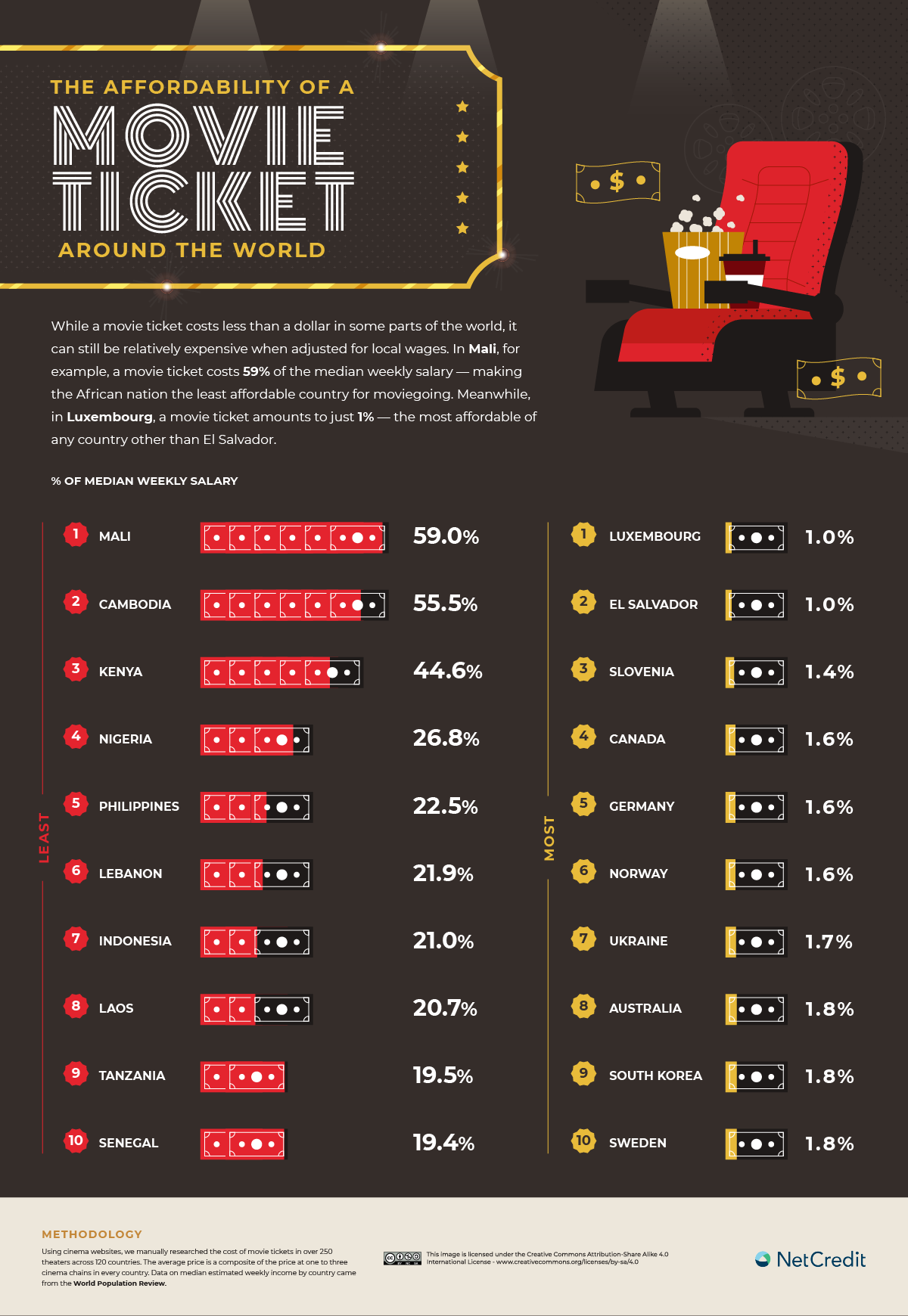
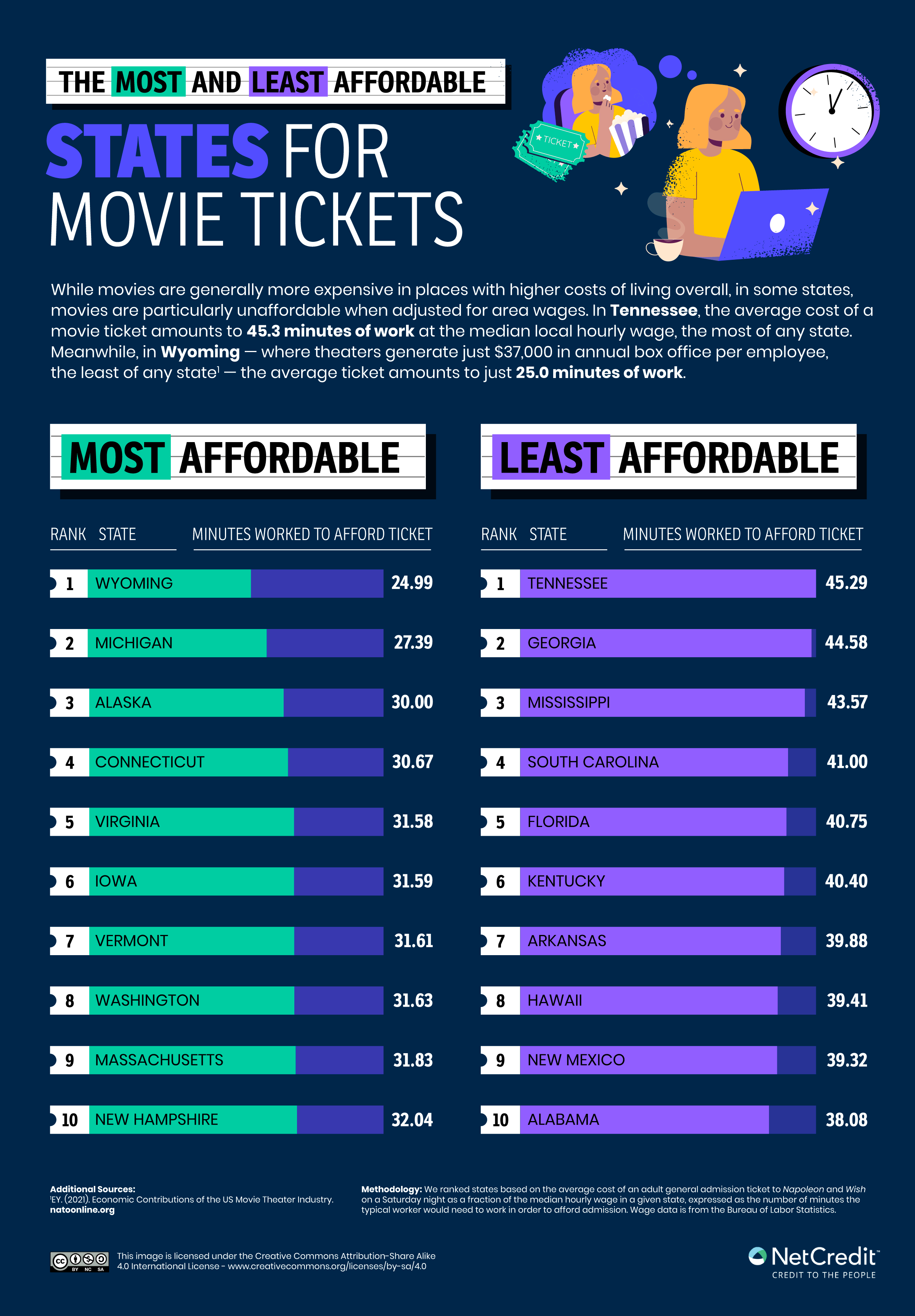
Nationally, the average price of a movie ticket has seen a steady increase over the decades, albeit with fluctuations. This average, however, masks significant regional disparities. Major metropolitan areas, with higher operational costs and a larger demand base, typically command higher ticket prices than suburban or rural locales. For instance, a ticket in New York City or Los Angeles might be 20-30% higher than one in a smaller town, even for the same film and showing time. These variances are influenced by local real estate costs, labor wages, and the competitive landscape of local theaters. Understanding these geographic differences is paramount when assessing the value of your local cinema options.
The Premium Factor: Decoding Surcharges for Enhanced Experiences
Gone are the days when a movie ticket simply meant a seat in a dark room. Today, theaters offer a spectrum of enhanced experiences, each carrying its own premium surcharge. 3D films, while providing an immersive visual, often add an extra $3-$5 to the base ticket price. IMAX, Dolby Cinema, and other large-format or enhanced audio-visual presentations can push the price up further, sometimes by $7 or more. D-Box seats, which synchronize motion with the on-screen action, and VIP or luxury seating options, complete with reclining chairs and in-seat service, represent the pinnacle of premium pricing, sometimes doubling the cost of a standard ticket. From a financial perspective, these premiums must be weighed against the perceived value and enjoyment they add to your experience. Are the extra visuals or comfort worth the additional expenditure in your personal budget?
Time is Money: How Day and Time Influence Your Spend
The time and day you choose to see a movie can significantly impact the ticket price. Matinee showings, typically held before 5 PM on weekdays, are a long-standing tradition for offering discounted rates, often 25-40% less than evening prices. This strategy aims to fill seats during off-peak hours. Similarly, Tuesday discounts, a common promotion in many chains, provide a mid-week incentive. Conversely, Friday and Saturday evening shows, as well as holiday screenings, represent peak demand periods and are almost always priced at the highest tier. Strategic scheduling of your movie outings can lead to substantial savings over the course of a year, allowing you to enjoy more films for the same entertainment budget.
Location, Location, Location: Urban vs. Suburban vs. Rural Cost Discrepancies
As mentioned, geographical location plays a crucial role. Urban cinemas often face higher rent, property taxes, and operating expenses, leading to higher ticket prices. They also cater to a denser population, allowing them to sustain these prices. Suburban theaters might offer a middle ground, while rural cinemas, though sometimes older, tend to have the lowest base prices due to lower overheads and less competition. When planning a movie outing, consider if a slightly longer drive to a neighboring suburban cinema could result in meaningful savings, especially for a family or group. This slight inconvenience could be a savvy financial move.
The Impact of Theater Chains: Price Differences Across Major Exhibitors
The competitive landscape among major theater chains also contributes to price variability. While many chains have similar pricing structures for standard showings, their premium offerings, loyalty programs, and promotional pricing can differ significantly. For example, AMC, Regal, Cinemark, and independent theaters each have their own strategies. Some might emphasize luxury amenities and higher prices, while others focus on affordability. Understanding the pricing models and regular promotions of the theaters in your immediate vicinity (“near me”) is key to identifying the best value for your money. A quick online search or checking their apps before heading out can reveal these nuances.
Strategies for Smarter Spending: Maximizing Value on Your Movie Outings
Navigating the complexities of movie ticket pricing requires more than just awareness; it demands proactive strategies to ensure you’re getting the most entertainment value for your hard-earned money. From leveraging membership benefits to applying astute budgeting principles, smart spending can significantly enhance your cinematic experiences.
Leveraging Loyalty Programs and Membership Subscriptions
One of the most effective ways to reduce the cost per ticket is through loyalty programs and subscription services offered by major theater chains. Programs like AMC Stubs A-List, Regal Unlimited, or Cinemark Movie Club provide members with a set number of free movies per month, often for a fixed monthly fee that can be less than the cost of two standard tickets. These subscriptions also frequently include discounts on concessions, waived online ticketing fees, and access to exclusive screenings. For frequent moviegoers (those who see 2+ films a month), these services can represent extraordinary value, effectively turning a variable expense into a predictable, lower monthly cost. Before committing, analyze your viewing habits to determine if a subscription aligns with your entertainment budget and frequency of visits.
Discount Opportunities: Matinees, Senior/Student Rates, and Group Deals
Beyond subscription services, a plethora of discount opportunities exist. As previously mentioned, opting for matinee showings is a simple yet powerful way to save. Many theaters also offer specific discounts for seniors, students, and military personnel, requiring only a valid ID. These often provide a significant percentage off the standard adult fare. Furthermore, consider group discounts for larger parties, which can sometimes be arranged directly with the theater for special events or bulk purchases. Always inquire about available discounts before purchasing tickets, as these are not always advertised prominently. These small actions can accumulate into substantial savings over time, proving that a little research goes a long way in personal finance.
The Power of Bundles and Package Deals
Some theaters and third-party vendors offer bundle deals that combine tickets with concessions or even include passes for multiple films. For example, a “date night” package might include two tickets, a large popcorn, and two drinks at a discounted price compared to purchasing each item separately. Occasionally, retailers or credit card companies might offer movie ticket vouchers at a reduced rate. Keeping an eye out for these package deals, especially around holidays or promotional periods, can yield considerable savings, turning a potentially expensive outing into a more affordable treat.
Financial Planning for Entertainment: Incorporating Movies into Your Budget
Integrating moviegoing into your overall personal finance strategy is crucial. Instead of viewing cinema trips as sporadic, unplanned expenses, allocate a specific portion of your monthly or quarterly budget to entertainment. This prevents overspending and ensures that your leisure activities align with your financial goals. Consider using budgeting apps or spreadsheets to track your entertainment expenditures, allowing you to see where your money is going and identify areas for adjustment. By actively budgeting for movies, you transform a discretionary expense into a controlled line item, promoting financial discipline without sacrificing enjoyment.
Utilizing Digital Financial Tools for Price Comparison and Deal Alerts
In the digital age, numerous apps and websites can act as powerful allies in your quest for affordable movie tickets. Platforms like Fandango, Atom Tickets, or directly comparing prices on individual theater chain websites allow you to quickly check showtimes and prices “near me.” Many also offer features to sign up for deal alerts or notify you of upcoming promotions. Some credit card companies also provide exclusive discounts or cashback rewards for entertainment purchases, including movie tickets. Leveraging these digital financial tools can automate the process of finding the best deals, ensuring you never pay more than you have to for your cinematic fix.
Beyond the Ticket: The True Cost of the Cinematic Experience
While the movie ticket price is the most obvious expenditure, a truly comprehensive financial assessment of a cinema trip must extend beyond the initial purchase. The ancillary costs associated with moviegoing can significantly inflate the total outlay, transforming a seemingly affordable outing into a considerable expense. Understanding these additional costs is vital for accurate budgeting and smart financial planning.
The Concession Conundrum: Understanding Markups and Alternatives
For many, popcorn, soda, and candy are integral to the movie experience. However, concessions are where theaters generate a substantial portion of their profits, leading to notoriously high markups. A large popcorn and drink can easily cost more than the ticket itself, often ranging from $15-$25 per person. From a financial perspective, this represents a significant discretionary spend. Smart money management dictates evaluating whether these high-priced items are truly necessary. Alternatives include eating beforehand, bringing your own water bottle (where permitted), or opting for smaller, more affordable concession items. Some theaters now offer a wider range of food, including full meals, further expanding the potential for expenditure. Being aware of these markups allows you to make conscious choices about your spending at the concession stand, or to budget for them deliberately.
Transportation and Parking: Hidden Costs of a Night Out
The journey to and from the cinema also carries financial implications that are often overlooked. For those driving, fuel costs and potential parking fees can add up. Parking in urban centers, especially, can range from a few dollars to upwards of $20 or more for an evening. If you rely on public transport, bus or train fares contribute to the total cost. For ride-sharing services, dynamic pricing can make these trips surprisingly expensive during peak hours. Factoring these transportation and parking costs into your overall budget is essential for an accurate understanding of the total financial commitment of a movie night. Sometimes, choosing a cinema that’s easily accessible by foot or has free parking can be a financially savvy decision.
Dining Before or After: Integrating Meals into Your Entertainment Budget
A movie outing often integrates with other social activities, most commonly dining. Whether it’s a casual meal before the show or a full dinner afterward, these restaurant expenses directly contribute to the total cost of your entertainment evening. For individuals or families looking to manage their finances effectively, it’s important to view the movie ticket, concessions, transportation, and dining as a single, holistic entertainment expenditure. Budgeting for “date night” or “family outing” should encompass all these elements, rather than just the ticket price. Planning to cook at home before or after the movie, or choosing a more affordable dining option, can significantly reduce the overall financial impact of the event.
Opportunity Cost: Weighing Cinema vs. At-Home Streaming
Beyond direct monetary costs, smart financial planning also considers opportunity cost – what you give up by choosing one option over another. The rise of streaming services (Netflix, Disney+, Max, etc.) provides an abundant and often more cost-effective alternative to cinematic entertainment. For a monthly subscription fee that might be equivalent to one or two movie tickets, you gain access to an extensive library of films and series. The opportunity cost of a cinema trip, therefore, is the potential to watch multiple films at home for a fraction of the price. While the immersive big-screen experience is unique, a financially savvy individual will weigh this against the convenience and value offered by home entertainment, making conscious decisions about when the premium price of the cinema is truly justified for their budget.
The Broader Financial Landscape of Moviegoing: Industry Trends and Personal Budgeting
Understanding the cost of a movie ticket near you is not just about individual spending; it’s also about recognizing the broader economic forces shaping the film exhibition industry. The interplay between industry trends, technological advancements, and shifting consumer habits directly impacts ticket prices and, consequently, your personal budgeting choices for entertainment.
The Streaming Revolution’s Impact on Cinema Pricing
The most significant financial disruptor to the cinema industry in recent years has been the streaming revolution. With an ever-growing array of high-quality content available at home, movie theaters face immense pressure to justify their prices. This competition has led to a dual strategy: some theaters invest heavily in premium experiences (luxury seating, enhanced visuals, dining options) to differentiate themselves and command higher prices, while others focus on competitive pricing and promotions to attract budget-conscious viewers. For the consumer, this means a more diverse range of pricing and experience options, requiring a keen financial eye to discern the best value. The financial health of the cinema industry is directly tied to its ability to adapt and offer a compelling value proposition against the convenience of home viewing.
Dynamic Pricing Models: The Future of Movie Ticket Sales
While not yet universally adopted, dynamic pricing models, similar to those used by airlines and ride-sharing services, are increasingly being explored by cinema chains. This involves adjusting ticket prices in real-time based on demand, time of day, popularity of the film, and even the specific seating location within the auditorium. For instance, highly anticipated blockbusters might see higher prices during opening weekend, while less popular films might have lower prices to encourage attendance. From a personal finance perspective, this means that the question “how much is a movie ticket near me?” could have a different answer hour by hour. Consumers will need to be even more vigilant, utilizing price comparison tools and booking in advance when possible to secure the best rates. While potentially optimizing revenue for theaters, it also places a greater onus on the consumer to be a smart shopper.
The Value Proposition: Justifying the Cost of the Big Screen
Ultimately, the decision to spend money on a movie ticket boils down to its perceived value relative to your personal budget and alternative entertainment options. The cinema offers a unique communal experience, a sense of occasion, and an immersive quality that streaming at home often struggles to replicate. For some, this value justifies the higher cost, even with all the ancillary expenses. For others, the financial prudence of streaming at home takes precedence. A financially insightful approach involves consciously evaluating this value proposition for each film and occasion. Is it a must-see spectacle that warrants the big screen, or would it be just as enjoyable (and significantly cheaper) to wait for it to become available on a streaming service?

Personal Budget Allocation for Leisure and Entertainment
In the grand scheme of personal finance, allocating a portion of your budget to leisure and entertainment is crucial for overall well-being. However, how that allocation is spent defines financial wisdom. By understanding the true cost of a movie ticket and the entire cinematic experience, leveraging available discounts and loyalty programs, and consciously weighing the value proposition against alternatives, you can make informed decisions. Whether you’re a frequent moviegoer or an occasional visitor, a proactive approach to managing your movie entertainment budget ensures that you enjoy your cinematic experiences without compromising your broader financial health. It’s about being deliberate with your dollars, ensuring that your pursuit of entertainment aligns perfectly with your financial goals.
aViewFromTheCave is a participant in the Amazon Services LLC Associates Program, an affiliate advertising program designed to provide a means for sites to earn advertising fees by advertising and linking to Amazon.com. Amazon, the Amazon logo, AmazonSupply, and the AmazonSupply logo are trademarks of Amazon.com, Inc. or its affiliates. As an Amazon Associate we earn affiliate commissions from qualifying purchases.