
Understanding the cost of a movie ticket at AMC Theatres is more complex than a single fixed price. In today’s dynamic entertainment landscape, ticket prices fluctuate significantly based on a multitude of factors, making it crucial for consumers to adopt an informed financial approach to their moviegoing habits. This article delves into the intricate pricing structure of AMC, explores strategies for optimizing value, examines the broader financial implications of a cinema visit, and offers guidance on budgeting for your entertainment. Our focus remains exclusively on the financial aspects, providing insights into smart spending and value maximization within the realm of moviegoing.

Decoding AMC’s Dynamic Ticket Pricing Structure
AMC Theatres, like most modern cinema chains, employs a sophisticated, dynamic pricing model designed to reflect demand, location, experience, and various other market forces. This means the price you pay for a ticket can vary widely, even within the same city or for the same film. Navigating this landscape requires an understanding of the key variables that influence the final cost.
Geographic and Local Market Influences
One of the most significant determinants of ticket price is the geographic location of the AMC theater itself. Cinemas situated in prime urban centers or affluent neighborhoods typically command higher prices than those in suburban or rural areas. This disparity reflects higher operational costs, including rent, labor, and local taxes, as well as varying demand levels across different markets. For instance, an AMC in a bustling metropolitan hub like New York City or Los Angeles will almost invariably have higher baseline ticket prices compared to an AMC in a smaller town in the Midwest. Consumers should be aware that even within the same state, prices can vary dramatically based on the specific city and local economic conditions. Researching local AMC prices online or through their app before planning a visit is a prudent financial step.
Time of Day and Day of Week Variances
The timing of your movie visit plays a crucial role in the ticket price. Matinee showings, typically scheduled before 4 PM or 5 PM, are almost universally cheaper than evening screenings. This strategy aims to fill seats during off-peak hours when demand is traditionally lower. Similarly, weekday tickets (Monday through Thursday) are generally less expensive than weekend tickets (Friday evening through Sunday). Special event screenings, such as opening night premieres, can also carry a premium. For the budget-conscious moviegoer, opting for a Tuesday afternoon matinee on a non-holiday weekday can result in substantial savings compared to a Saturday night showing of the same film. These temporal price differentials represent a significant opportunity for financial optimization.
Premium Formats and Theatrical Experiences
The standard 2D movie experience is often the most affordable option. However, AMC offers a range of premium formats that promise enhanced viewing experiences, albeit at an additional cost. These formats include:
- IMAX: Known for its large-format screens, immersive sound, and crystal-clear projection, IMAX tickets typically incur an extra charge of $4-$8 per ticket.
- Dolby Cinema: Offering a combination of Dolby Vision HDR projection and immersive Dolby Atmos sound, Dolby Cinema provides a premium experience that often adds $5-$10 to the standard ticket price.
- 3D: Films presented in 3D require special glasses and carry an additional surcharge, usually in the range of $3-$5.
- PRIME at AMC (formerly ETX): Featuring larger screens, enhanced sound, and luxury seating, PRIME can add $2-$4 to a ticket.
- D-BOX and 4DX: These formats introduce motion seats and environmental effects (wind, rain, scents) synchronized with the on-screen action, making them the most expensive options, often adding $8-$15 per ticket.
While these premium formats undoubtedly elevate the moviegoing experience, it’s essential for consumers to weigh the perceived value against the increased financial outlay. A family of four opting for an IMAX 3D showing could easily spend an additional $20-$40 just on the format upgrade, a significant consideration for any entertainment budget.
Age-Based and Special Category Discounts
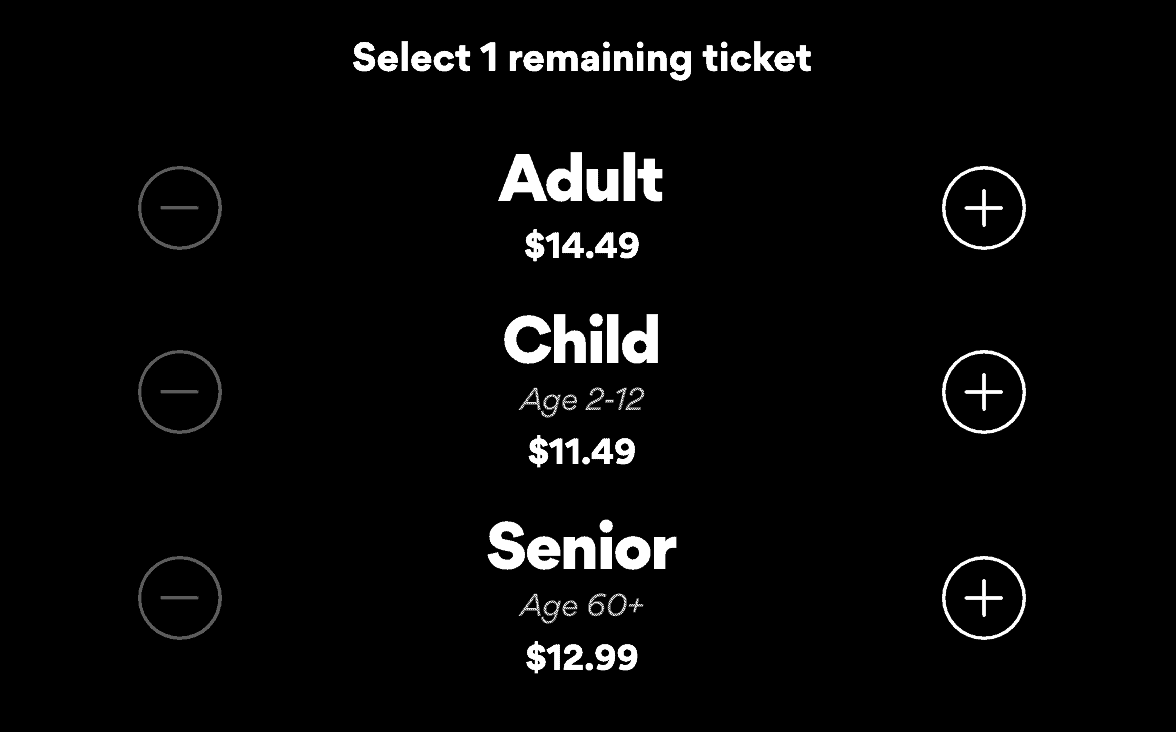
AMC recognizes various demographics with specific pricing tiers. Children’s tickets (typically for ages 2-12) and senior tickets (for ages 60 or 65+) are almost always cheaper than adult tickets, often by $2-$5. Some locations also offer student discounts (with valid ID) or military discounts. While these savings might seem modest on an individual basis, they can add up, particularly for families or groups. Always inquire about these specific discounts at the box office or check online before purchasing, as eligibility requirements can vary. Proactive identification of these cost-saving opportunities is a cornerstone of smart financial planning for moviegoers.
The Impact of New Releases and Blockbusters
While not a formal pricing tier, new releases, especially highly anticipated blockbusters, tend to debut at the higher end of AMC’s pricing spectrum for standard formats. As films age and move further into their theatrical run, particularly after a few weeks, their ticket prices may slightly decrease, or they might become eligible for special promotions. This dynamic reflects the higher initial demand for new content. Financially savvy moviegoers might consider waiting a week or two after a film’s release to catch it, potentially benefiting from marginally lower prices or better availability for matinee showings.
Strategies for Maximizing Value and Minimizing Costs at AMC
Beyond understanding the pricing mechanics, proactive strategies can significantly reduce your moviegoing expenses at AMC while still enjoying the cinematic experience. These strategies focus on leveraging loyalty programs, timing, and various discount mechanisms.
Leveraging the AMC Stubs Program
The AMC Stubs program is arguably the most impactful tool for consistent moviegoers looking to save money. It comes in three tiers:
- AMC Stubs Insider (Free): This complimentary tier offers free online ticket fees (for 4+ tickets), discounts on specific Tuesdays, and a $5 reward for every 5,000 points earned (equivalent to $500 spent). While the rewards are modest, the waived online fees alone can save a few dollars per transaction.
- AMC Stubs Premiere ($15/year): This paid tier accelerates point accumulation, offering 20 points for every dollar spent (compared to 10 for Insider). It includes all Insider benefits plus priority lines at concessions and box office, and free large popcorn upgrades with any size popcorn purchase. For frequent moviegoers, the quicker accumulation of $5 rewards can easily offset the annual fee.
- AMC Stubs A-List ($19.95-$23.95/month, varies by location): This subscription service is a game-changer for avid fans. For a flat monthly fee, members can see up to three movies per week, including all premium formats (IMAX, Dolby Cinema, 3D) at no extra cost. This represents extraordinary value for anyone who sees more than two or three movies a month. Financially, if you plan to see just two premium format movies a month, A-List often pays for itself, making it an excellent investment for dedicated movie enthusiasts. Careful calculation of your projected moviegoing frequency against the monthly fee is essential to determine its financial viability.
Exploring Discounted Days and Special Promotions
AMC frequently runs special promotions designed to attract audiences during traditionally slower periods. The most notable is “Discount Tuesdays,” where AMC Stubs members (even the free Insider tier) can purchase tickets at a significantly reduced price, often around $5-$7, for any showing on a Tuesday. This is arguably the single best regular discount available. Beyond Tuesdays, keep an eye out for limited-time promotions, holiday specials, or partnerships that might offer discounted tickets. Signing up for AMC’s email newsletter is an effective way to stay informed about these fleeting financial opportunities.
Group Sales and Corporate Partnerships
For larger groups or organizations, AMC offers group sales options that can provide discounted rates for bulk ticket purchases. This is particularly relevant for schools, businesses, or large social clubs. Furthermore, many corporations partner with AMC to offer discounted movie tickets as an employee benefit. Checking with your HR department or employee benefits portal might reveal access to significantly cheaper tickets, often purchasable in advance in bundles. These corporate discounts can represent substantial savings compared to standard box office prices.
Utilizing Gift Cards and Credit Card Rewards
Purchasing AMC gift cards from third-party retailers can sometimes yield savings. Stores like Costco, Sam’s Club, or even major grocery chains occasionally sell AMC gift cards at a discount (e.g., $50 gift card for $40). This is essentially getting free money for your movie expenses. Additionally, certain credit cards offer bonus rewards for entertainment purchases or specific categories, which might include movie tickets. Redeeming credit card points or cash-back rewards towards AMC gift cards or directly offsetting ticket purchases is another smart financial hack to reduce out-of-pocket costs.
Beyond the Ticket: The Full Financial Picture of an AMC Visit
While the ticket price is the primary concern, a holistic financial perspective on a movie outing requires considering all associated costs. Neglecting these additional expenses can lead to budget overruns and a skewed perception of the true cost of an AMC visit.
Concessions: An Essential (and Costly) Component
For many, a movie isn’t complete without popcorn, candy, and a drink. However, concessions at movie theaters are notoriously expensive, often carrying markups of 300% or more. A large popcorn and drink combo can easily cost upwards of $15-$20, effectively doubling or tripling the individual cost of a standard ticket. For a family of four, concessions can quickly become the single largest expense of the entire outing.
To mitigate this, consider:
- Eating beforehand: A full meal before the movie can reduce the temptation for expensive cinema food.
- Bringing your own water bottle: Most cinemas allow outside sealed water bottles.
- Sneaking in small snacks (discreetly): While technically against policy, many moviegoers opt for this, understanding the financial burden of cinema snacks.
- Utilizing AMC Stubs Premiere benefits: The free large popcorn upgrade with any size purchase is a tangible saving for Premiere members.
- Splitting larger items: Instead of everyone getting their own drink, share a large one.
Recognizing concessions as a significant variable expense, and planning for it (or around it), is vital for managing the total cost of your movie experience.
Transportation and Parking Costs
The cost of getting to and from the theater can also add to the overall expense. If you drive, consider parking fees, which can range from a few dollars to upwards of $20+ in urban centers. Fuel costs for longer drives also need to be factored in. For those using public transport or rideshares, these fares contribute to the total entertainment budget. While often overlooked, these peripheral costs can accumulate, particularly for frequent moviegoers. Choosing an AMC location with free or affordable parking, or one accessible by walking or public transport, can offer genuine financial savings.
The Experiential Premium: Is it Worth the Investment?
In the age of ubiquitous streaming services and home theaters, the question of whether the cinema experience is “worth it” from a financial standpoint is more pertinent than ever. For the cost of two premium movie tickets and concessions, one could potentially rent several new releases on demand, or subscribe to a streaming service for a month.
The financial justification for going to the movies often lies in the “experiential premium”:
- Immersion: The large screen, powerful sound system, and dark, distraction-free environment offer a level of immersion difficult to replicate at home.
- Social outing: Movies are a popular social activity, a shared experience that provides value beyond just the film itself.
- First-run access: The ability to see new films immediately upon release is a significant draw for many.
From a purely monetary perspective, staying home is almost always cheaper. However, the perceived value of the cinematic experience – its ability to transport, entertain, and connect – often justifies the financial investment for many consumers. It becomes a matter of personal financial priorities and what one values in their entertainment spending.
Budgeting for Your Moviegoing Habits
Incorporating moviegoing into your personal financial plan is key to enjoying this form of entertainment without financial stress. A thoughtful approach to budgeting ensures that cinema visits remain an enjoyable indulgence rather than an unplanned drain on your resources.
Integrating Entertainment into Your Personal Budget
The first step is to allocate a specific portion of your monthly or annual budget for “entertainment.” This category should include all leisure activities, with movies being a significant component. Track your spending for a few months to understand your current habits. Are you spending $50 or $150 a month on movies and associated costs? Once you have a clear picture, you can set a realistic budget. Apps and financial tools can help categorize spending and alert you if you’re approaching your limit. Treating movie tickets as a discretionary expense, rather than an essential one, enables better financial control.
Assessing Frequency vs. Cost
Consider how often you realistically want or expect to go to the movies.
- Infrequent moviegoer (1-2 movies every few months): Stick with the free AMC Stubs Insider tier. Focus on Discount Tuesdays and matinee showings to minimize individual ticket costs.
- Moderate moviegoer (1-2 movies per month): The AMC Stubs Premiere program might be a worthwhile investment due to faster point accumulation and concession benefits. Weigh the $15 annual fee against your anticipated savings.
- Avid moviegoer (3+ movies per month): AMC Stubs A-List is almost certainly the most financially advantageous option. The monthly subscription fee, while seemingly high, quickly pays for itself if you take full advantage of the three-movies-per-week allowance, especially with premium formats.
Calculating your personal break-even point for the paid tiers of AMC Stubs is a crucial financial exercise.
Long-Term Financial Planning for Movie Enthusiasts
For those who view moviegoing as a significant and regular part of their lifestyle, long-term financial planning can extend beyond just monthly budgeting. This might involve:
- Dedicated savings for entertainment: Setting aside a small amount each paycheck specifically for discretionary activities like movies.
- Leveraging investment returns: Using dividends or interest from minor investments to fund entertainment.
- Strategic gift card accumulation: Regularly purchasing discounted gift cards over time to build up a reserve.
By integrating moviegoing into a broader financial strategy, enthusiasts can ensure their passion remains sustainable and enjoyable, rather than becoming a source of financial strain.
In conclusion, the question “how much is a movie ticket at AMC?” elicits a multifaceted financial answer. Prices are dynamic, influenced by location, time, and format. However, with an array of discount programs, loyalty tiers, and savvy budgeting strategies, consumers possess considerable power to manage and optimize their moviegoing expenditures. By understanding the full financial landscape, from ticket price to concessions and transportation, and by making informed choices, movie lovers can continue to enjoy the magic of the big screen without compromising their financial well-being.
aViewFromTheCave is a participant in the Amazon Services LLC Associates Program, an affiliate advertising program designed to provide a means for sites to earn advertising fees by advertising and linking to Amazon.com. Amazon, the Amazon logo, AmazonSupply, and the AmazonSupply logo are trademarks of Amazon.com, Inc. or its affiliates. As an Amazon Associate we earn affiliate commissions from qualifying purchases.