
In an age of streaming dominance and diverse entertainment options, the allure of the big screen remains potent for many. Attending a movie at an AMC Theatre, one of the largest cinema chains globally, is an experience steeped in nostalgia and modern spectacle. However, a fundamental question often arises for potential patrons: “How much are AMC theatre tickets?” This seemingly simple query unravels into a complex web of dynamic pricing, subscription models, premium formats, and the broader economics of entertainment. For the financially savvy consumer, understanding the multifaceted cost structure of an AMC ticket is crucial for effective budgeting and maximizing value from their cinematic adventures. This article delves into the financial landscape of AMC ticket pricing, offering insights into how individual tickets are priced, the true cost of a moviegoing experience, and strategies to optimize your entertainment budget.

The Dynamic Landscape of Movie Ticket Pricing
The price of an AMC theatre ticket is far from static. It’s a fluid figure influenced by a multitude of variables, making it challenging to pinpoint a single, definitive cost. For consumers, this variability necessitates a keen understanding of the factors at play to avoid unexpected expenses and make informed spending decisions.
Base Ticket Prices: A Starting Point for Your Budget
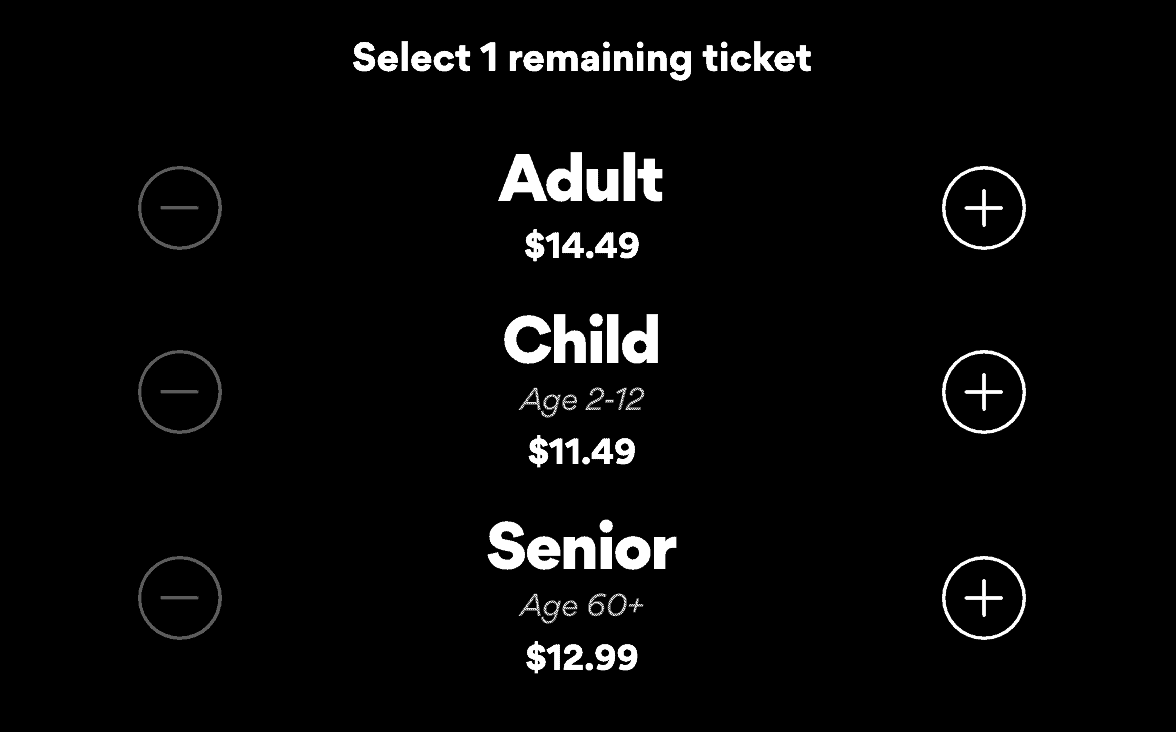
At its core, every AMC ticket has a base price. This figure represents the cost for a standard, 2D showing in a traditional auditorium. These base prices can vary significantly depending on the theatre’s location. For instance, a multiplex in a high-rent urban area, such as New York City or Los Angeles, will invariably command higher base prices than a theatre in a suburban or rural setting. On average, a standard adult ticket can range from $10 to $17, with children and senior tickets typically offering a slight discount. It’s essential to check the specific theatre’s pricing online or at the box office, as these figures are merely a starting point for financial planning.
Factors Influencing Price Fluctuations
Beyond location, several other critical factors contribute to the dynamic pricing model AMC employs:
- Time of Day: Matinee showings, typically before 4 PM, are almost universally cheaper than evening screenings. This strategy aims to incentivize attendance during off-peak hours, allowing AMC to better utilize its theatre capacity throughout the day. For budget-conscious moviegoers, opting for a matinee can lead to substantial savings.
- Day of Week: Weekday tickets (Monday through Thursday) are generally less expensive than weekend tickets (Friday, Saturday, and Sunday). Weekends are peak demand periods, and pricing reflects this increased demand. Many AMC locations also offer special discount days, such as “Discount Tuesdays,” where tickets for all standard showings are offered at a significantly reduced rate, often around $5-$7. These days are prime opportunities for cost savings.
- Film Popularity and Release Window: While less common for standard tickets, highly anticipated blockbusters in their opening weeks might see slightly higher pricing, particularly for premium formats. This is a subtle form of demand-based pricing, though AMC generally maintains consistent pricing for standard showings regardless of the film’s title.
- Local Market Competition: AMC operates in competitive markets. Ticket prices can also be influenced by the pricing strategies of nearby rival cinemas. If a competitor offers lower prices, AMC might adjust its own to remain competitive, creating localized variations in cost.
Premium Experiences: When Extra Value Costs More
For those seeking an elevated cinematic experience, AMC offers a range of premium formats that come with a higher price tag. These formats provide enhanced visuals, audio, or comfort, translating into an additional financial outlay:
- IMAX: Known for its massive screens and immersive sound, IMAX tickets typically add $3-$6 to the base price.
- Dolby Cinema: Combining Dolby Vision HDR and Dolby Atmos immersive sound with luxurious reclining seats, Dolby Cinema experiences often command an extra $4-$7.
- Prime at AMC: Featuring power recliners, enhanced sightlines, and superior sound, Prime tickets can add $3-$5.
- D-BOX: Seats that move and vibrate in sync with the on-screen action can add $6-$8 to the ticket price.
- 3D: Films shown in 3D require special glasses and typically incur an additional $2-$4.
Understanding these premium options and their associated costs is vital for budgeting. While they offer a superior experience, they also represent a significant increase in the total cost of admission.
Navigating AMC’s Value-Driven Financial Strategies
Recognizing that frequent moviegoers seek ways to mitigate costs, AMC has introduced various loyalty programs and subscription services. These initiatives are not just marketing ploys; they are structured financial tools designed to offer value and encourage repeat business, fundamentally altering the economics of moviegoing for many.
AMC Stubs A-List: A Subscription Model for Savings
Perhaps the most impactful financial tool for regular patrons is AMC Stubs A-List. This monthly subscription service allows members to watch up to three movies per week (totaling up to 12 movies per month) for a fixed fee. The monthly cost varies by state, typically ranging from $19.95 to $23.95.
From a financial perspective, A-List offers substantial savings for those who see more than one movie per month, especially if they enjoy premium formats.
- Break-Even Point: For someone paying $20/month for A-List, seeing just two standard movies (at $12-$15 each) already puts them near or past the break-even point. If they see three movies, or even one premium format movie and one standard movie, the savings become significant. For instance, a single Dolby Cinema ticket can easily cost $20-$25. With A-List, that same ticket is effectively “free” beyond the monthly fee.
- Target Audience: A-List is ideal for avid moviegoers, couples who frequent the cinema, or individuals who enjoy the premium experiences without the cumulative per-ticket premium surcharge. It transforms variable moviegoing expenses into a predictable, fixed monthly entertainment cost, simplifying personal finance planning for leisure activities.
AMC Stubs Insider & Premiere: Tiered Rewards for Fiscal Prudence
Beyond A-List, AMC offers other loyalty tiers that provide financial benefits without a monthly subscription fee:
- AMC Stubs Insider: This free tier offers basic perks, including earning 20 points for every $1 spent on tickets and concessions, a free refill on a large popcorn, and invitations to special screenings. While not direct ticket discounts, accumulating points can lead to financial rewards, as 5,000 points translate to a $5 reward. For casual moviegoers, this offers a passive way to gain incremental savings.
- AMC Stubs Premiere: For an annual fee (typically $15), Premiere members earn points at an accelerated rate (50 points per $1 spent), receive free size upgrades on popcorn and fountain drinks, and bypass online ticketing fees. The higher point accrual means rewards are earned faster, making it financially viable for those who see several movies a year but not enough to justify A-List. The waived online ticketing fees (typically $1.50-$2.50 per ticket) can also add up, providing direct savings over time.
These tiered programs encourage customer loyalty by offering tangible financial incentives, turning every dollar spent into future savings or benefits.
Special Promotions and Discount Days
AMC frequently rolls out various promotions and discounts, which are excellent opportunities for cost-conscious consumers:
- Discount Tuesdays: As mentioned, this is a staple for many, offering heavily reduced standard ticket prices.
- Student, Senior, and Military Discounts: Many locations offer specific discounts for these groups, typically requiring valid ID. The savings can range from 10% to 25% off standard ticket prices.
- Group Sales: For larger parties, AMC often provides discounted rates for bulk ticket purchases, ideal for corporate outings, school trips, or large family gatherings.
- Limited-Time Offers: Keep an eye on AMC’s website, app, and local theatre announcements for seasonal promotions, holiday specials, or tie-ins with specific movie releases. These can include discounted tickets, bundled offers, or special rewards.
Actively seeking out and utilizing these promotions can significantly reduce the financial burden of regular moviegoing, allowing consumers to stretch their entertainment budget further.
Beyond the Ticket: The Full Cost of a Cinematic Experience
While the ticket price is the most overt expense, a truly comprehensive financial assessment of attending an AMC movie must extend beyond admission. Several other factors contribute to the total cost, often surprising consumers with their cumulative impact.
Concessions: The Unseen Financial Lever
For many, concessions are an integral part of the movie experience – and often the most significant hidden cost. The high markups on popcorn, soda, candy, and other snacks are well-documented and serve as a vital revenue stream for movie theatres.
- High Markup, High Impact: A large popcorn and soda combo can easily add $15-$25 to the outing, often surpassing the cost of the ticket itself. While the psychological pricing and convenience make them appealing, understanding their financial weight is critical.
- Strategies for Managing Concession Costs: Consumers can employ strategies to mitigate these expenses. Utilizing AMC Stubs points for concession rewards, opting for free size upgrades (with Premiere), or taking advantage of special combo deals can help. Some patrons might discreetly bring their own small snacks, though policies vary by theatre. Planning to eat a meal before or after the movie can also curb the temptation to overspend on concessions.
Transportation and Opportunity Costs
The financial outlay for a movie isn’t just within the theatre’s walls:
- Transportation: The cost of gas, public transportation fares, or ride-sharing services to and from the theatre can add several dollars to the total.
- Parking Fees: Urban theatres, in particular, may have associated parking garage fees that can range from $5 to $20 or more, depending on the location and duration.
- Opportunity Cost: Beyond direct monetary costs, there’s the ‘opportunity cost’ – the value of what you give up by spending your time and money at the movies instead of other activities. While not a direct cash expense, it’s a consideration for holistic financial planning. For instance, is the enjoyment derived from the movie worth foregoing an alternative activity that might have been free or less expensive?
Considering these peripheral costs paints a more accurate picture of the total financial commitment involved in a trip to AMC.
The “Experience Economy” and Perceived Value
In today’s “experience economy,” consumers are often willing to pay a premium for unique, memorable experiences. This concept directly applies to premium movie formats.
- Justifying the Premium: Is an extra $5-$7 for Dolby Cinema worth it? For many, the answer is yes. The enhanced visuals, immersive sound, and luxurious seating transform a standard viewing into a more impactful, sensory event. From a financial perspective, the perceived value—the satisfaction and enjoyment derived—must outweigh the additional cost.
- Consumer Behavior: Consumers make conscious or subconscious financial trade-offs. They might decide to splurge on a Dolby Cinema ticket for a highly anticipated film, viewing it as a worthwhile investment in their entertainment, while opting for a discounted matinee for a less critical viewing. Understanding this balance of cost versus perceived value is key to making financially sound entertainment choices.
Financial Planning for the Avid Moviegoer
For those who frequently enjoy the magic of the movies, integrating cinematic spending into a broader financial plan is essential. Strategic planning can transform what might seem like sporadic expenses into predictable, manageable budget items.
Budgeting for Entertainment: Integrating Movies into Your Personal Finance Plan
Creating a dedicated entertainment budget is the first step.
- Allocate Funds: Determine a realistic monthly or quarterly amount you’re comfortable spending on movies and other leisure activities.
- Track Expenses: Use budgeting apps or spreadsheets to track actual movie-related spending, including tickets, concessions, and transportation. This helps identify spending patterns and areas for potential savings.
- Prioritize: If your budget is tight, prioritize which movies are “must-see-in-theatre” versus those that can wait for streaming or a discounted showing.
By treating moviegoing as a legitimate budget category, you gain control over your finances and avoid overspending.
Maximizing Value: Smart Strategies for Cost-Effective Moviegoing
Combining the insights gleaned from understanding pricing dynamics and loyalty programs can lead to significant savings:
- Leverage A-List: If you see more than two movies a month, A-List is likely your most cost-effective option.
- Embrace Discount Tuesdays: For casual viewers, this is an unparalleled opportunity for savings.
- Utilize Loyalty Points: Make sure you’re signed up for AMC Stubs Insider at minimum to accumulate points and earn rewards.
- Strategic Concession Choices: Share concessions, choose smaller sizes, or opt for combos to manage these costs. Consider bringing an empty water bottle to fill at the fountain (if permitted).
- Credit Card Rewards: Some credit cards offer bonus points or cashback on entertainment purchases. Check if your cards have such benefits to earn a return on your movie spending.
The Future of Movie Ticket Economics
The movie industry is constantly evolving, and so too are its financial models. Dynamic pricing, where ticket prices fluctuate based on real-time demand, showtime, and even individual customer profiles, is becoming more prevalent. The success of subscription models like A-List suggests a shift towards more predictable, recurring revenue for theatre chains, offering consumers stable costs in return. The ongoing competition with streaming services also pressures theatres to justify their higher prices with premium experiences and unique offerings, implying that future ticket economics will likely continue to emphasize value and experience over mere access. Consumers should remain vigilant about new offerings and pricing structures to continually optimize their entertainment budgets.
Conclusion
Understanding “how much are AMC theatre tickets” is more intricate than a simple price check. It involves navigating a complex landscape of base prices, premium surcharges, location-based variations, and strategic financial tools like loyalty programs and subscriptions. For the discerning consumer, recognizing the myriad factors that influence the total cost – from the ticket itself to concessions and transportation – is paramount. By leveraging AMC Stubs programs, taking advantage of discounts, and implementing sound personal finance strategies, movie enthusiasts can continue to enjoy the magic of the big screen without breaking their budget. Ultimately, smart cinematic spending means finding the sweet spot where the joy of the moviegoing experience aligns perfectly with your financial comfort zone.
aViewFromTheCave is a participant in the Amazon Services LLC Associates Program, an affiliate advertising program designed to provide a means for sites to earn advertising fees by advertising and linking to Amazon.com. Amazon, the Amazon logo, AmazonSupply, and the AmazonSupply logo are trademarks of Amazon.com, Inc. or its affiliates. As an Amazon Associate we earn affiliate commissions from qualifying purchases.