
The landscape of the American automotive market has shifted dramatically over the last decade. As vehicle technology advances and consumer preferences lean toward larger SUVs and trucks, the average price of a new car has climbed to unprecedented heights. To keep monthly payments manageable in the face of these rising costs, lenders have introduced increasingly long repayment terms. Once considered an outlier, the 96-month auto loan—an eight-year commitment—is now a tangible option for many borrowers. However, finding these loans requires knowing where to look and understanding the significant financial trade-offs involved.
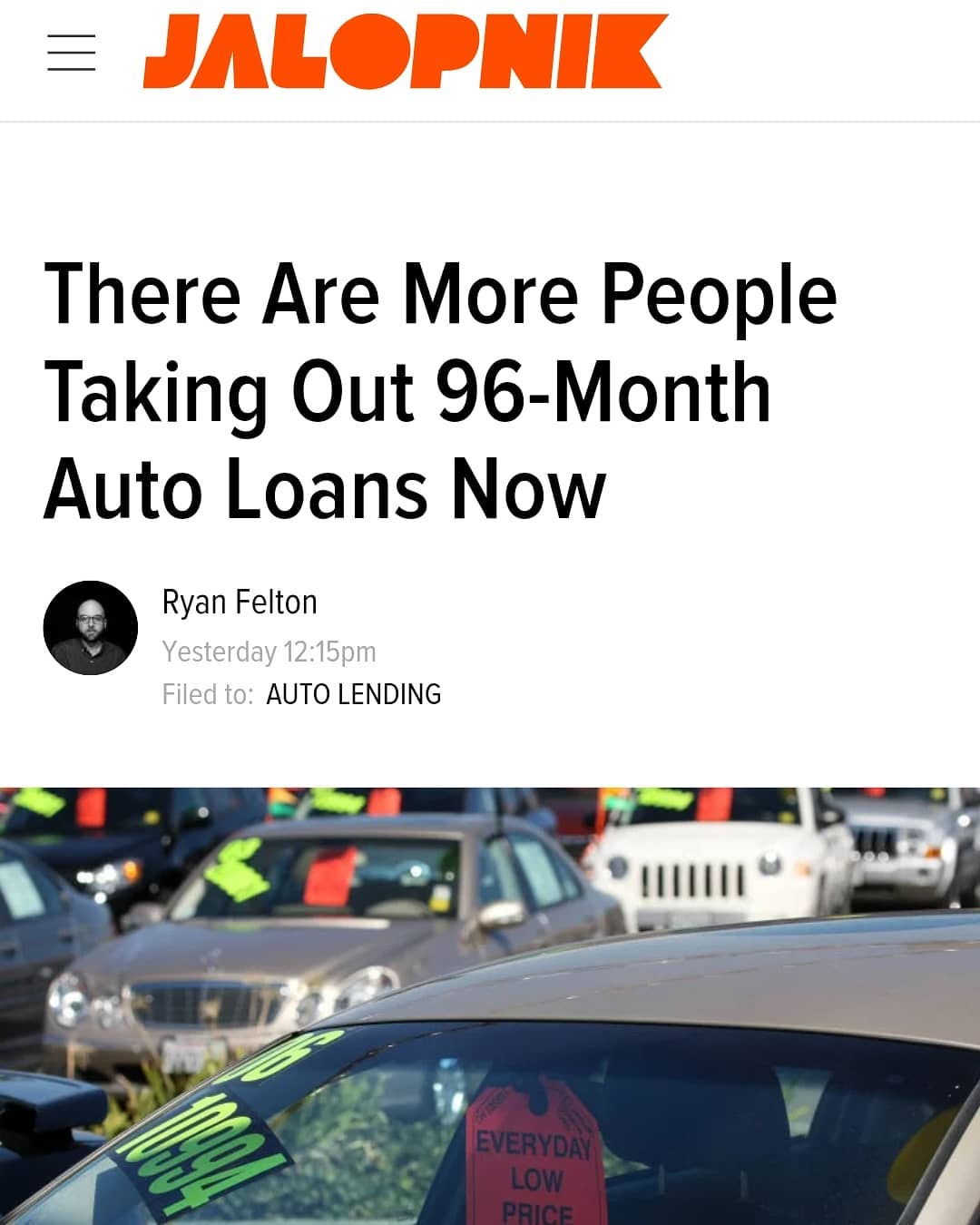
While traditional banks often cap their auto loans at 60 or 72 months, specialized lenders and member-owned institutions have stepped in to fill the demand for extended terms. For consumers, the allure is simple: lower monthly out-of-pocket costs. But for the savvy borrower, the search for a 96-month loan must be balanced with a rigorous analysis of interest rates, depreciation, and long-term financial health.
Key Institutions Offering 96-Month Auto Loans
Finding a lender willing to stretch a car loan to 96 months is more difficult than finding a standard five-year loan. Major national banks like Chase or Bank of America typically shy away from these ultra-long terms due to the risk of the collateral (the car) depreciating faster than the loan is paid off. Consequently, borrowers must look toward specific sectors of the financial market.
Credit Unions: The Leaders in Long-Term Lending
Credit unions are often the most common source for 96-month auto loans. Because they are member-owned and non-profit, they frequently offer more flexible terms and lower interest rates than commercial banks.
- Navy Federal Credit Union: Known for its member-centric approach, Navy Federal often provides extended terms for new vehicles. While their most competitive rates are reserved for shorter terms, they offer 84-month and, in certain circumstances, 96-month options for members looking to finance high-value vehicles.
- PenFed (Pentagon Federal Credit Union): Another heavy hitter in the credit union space, PenFed frequently updates its offerings to include extended terms for new car purchases. They are a popular choice for borrowers who need to finance a significant amount and want to keep the monthly payment low.
- Local and Regional Credit Unions: Many smaller credit unions use 96-month loans as a way to compete with larger banks. It is not uncommon for a local credit union to offer an eight-year term specifically for high-end trucks or electric vehicles, which tend to hold their value differently than economy sedans.
Online Lenders and Financing Aggregators
The rise of fintech has introduced a new layer of competition in auto financing. Online lenders often act as intermediaries or specialized high-risk/high-reward lenders that cater to specific niches.
- Autopay: This is a marketplace that connects borrowers with a network of lenders. Because they work with a diverse range of partners, they can often locate lenders willing to provide 96-month terms for borrowers with strong credit profiles.
- LightStream: A division of Truist, LightStream is known for offering unsecured or semi-secured auto loans to borrowers with excellent credit. While their standard terms are shorter, their flexible “any use” loans can sometimes be structured over longer periods for substantial purchases like vintage cars or high-end luxury vehicles.
Dealership and Manufacturer Financing (Captive Lenders)
Vehicle manufacturers have a vested interest in moving inventory. When interest rates are high or the economy slows down, captive lenders—such as Ford Credit, GM Financial, or Toyota Financial Services—may offer extended terms to close a deal. While 96-month terms are not always advertised on their websites, dealership finance managers often have access to “extended term” programs through these captive lenders or third-party floor-plan lenders to help a customer fit a expensive vehicle into a specific monthly budget.
The Financial Reality of Long-Term Auto Debt
Choosing a 96-month auto loan is a decision that impacts your personal balance sheet for nearly a decade. While the lower monthly payment is the primary “pro,” the “cons” are numerous and require careful calculation.
Understanding the Interest Rate Premium
Interest rates are not static across loan terms. Lenders view a 96-month loan as significantly riskier than a 48-month or 60-month loan. Over eight years, there is a much higher statistical probability that a borrower will experience a financial hardship, such as job loss or medical emergencies. Furthermore, the lender is exposed to “inflation risk” for a longer period.
To compensate for this risk, lenders charge a premium. A borrower might be offered a 4.5% APR for a 60-month loan, but that same borrower could see an APR of 7% or 8% for a 96-month term. Over the life of the loan, this interest differential results in thousands of dollars in extra costs that do not contribute to the equity of the vehicle.
The Risk of Negative Equity (Being “Upside Down”)
The most significant danger of an 8-year auto loan is negative equity. Most new cars lose 20% of their value in the first year and roughly 60% of their value by the end of year five. When you stretch a loan to 96 months, your loan balance decreases very slowly in the early years because a large portion of your monthly payment goes toward interest.
This creates a scenario where you owe $30,000 on a car that is only worth $20,000. If the car is totaled in an accident or if you need to sell it because of a life change, you will be required to pay the “gap” out of pocket. This is why many lenders require “Gap Insurance” for any term exceeding 72 months.

Maintenance vs. Loan Payments
By the time a 96-month loan reaches its sixth or seventh year, the vehicle is likely out of its manufacturer’s warranty and may have significant mileage. Borrowers often find themselves in a difficult financial “pincer” movement: they are still making a sizable monthly car payment while simultaneously facing high repair costs for an aging vehicle. If a transmission fails in year seven, the owner must decide whether to pour thousands of dollars into a car they don’t even own outright yet.
When Does a 96-Month Loan Make Sense?
Despite the risks, there are specific financial strategies where a long-term loan might be utilized effectively by a disciplined borrower.
Cash Flow Management
For some business owners or individuals with fluctuating income, a 96-month loan is used as a safety net. By securing the lowest possible mandatory monthly payment, they free up monthly cash flow for other investments or operational expenses. If the loan allows for prepayment without penalty (which is a crucial feature to verify), the borrower can choose to pay the loan off in four or five years but retains the flexibility to pay the lower amount if they have a slow month.
High-Appreciation or Low-Depreciation Vehicles
Not all vehicles depreciate at the same rate. Certain heavy-duty trucks, specialized off-road vehicles (like the Jeep Wrangler or Ford Bronco), and high-end sports cars tend to hold their value much better than the average commuter car. In these rare cases, the risk of negative equity is slightly mitigated, making a longer term less catastrophic to the owner’s net worth.
Arbitrage Opportunities
In a low-interest-rate environment, if a borrower can secure a 96-month loan at a rate that is lower than the expected return on their investment portfolio, they may choose the long term to keep their capital deployed in the market. However, in the current economic climate where auto loan rates have risen, this “arbitrage” strategy is much harder to execute successfully.
Strategic Alternatives to Long-Term Financing
Before committing to an 8-year debt cycle, it is vital to explore alternatives that provide the same utility without the long-term financial burden.
The Power of the Down Payment
The most effective way to avoid a 96-month loan is to reduce the principal amount from the start. A substantial down payment—ideally 20%—immediately builds a buffer against depreciation and allows the borrower to opt for a 60 or 72-month term with the same monthly payment they would have had on a 96-month term with zero down.
Leasing as an Alternative
If the goal is a lower monthly payment and you plan on switching cars every few years, leasing is often a more transparent and safer financial move than an 8-year loan. With a lease, you are only paying for the depreciation that occurs during the lease term. At the end of three years, you return the car and avoid the “upside-down” trap entirely.
Certified Pre-Owned (CPO) Vehicles
Rather than financing a brand-new vehicle for 96 months, many financial advisors suggest purchasing a 2-to-3-year-old CPO vehicle. The previous owner has already taken the “depreciation hit,” allowing the second owner to finance a smaller amount over a much shorter term, such as 48 or 60 months. This results in owning the vehicle outright much sooner, providing a period of “payment-free” driving that can be used to save for the next purchase.

Final Considerations Before Signing
If you determine that a 96-month loan is the only way to acquire the vehicle you need, you must perform due diligence on the contract terms. Ensure there are no “pre-payment penalties.” The ability to pay extra toward the principal is your only exit ramp if your financial situation improves.
Furthermore, scrutinize the “Total of Payments” figure on the Truth in Lending Disclosure. This number represents the total amount of money you will have paid by the end of the eight years. Often, seeing that a $40,000 car will actually cost $58,000 after interest is the reality check needed to reconsider the purchase. While 96-month loans are available through various credit unions and specialized lenders, they remain a tool that should be used with extreme caution and a clear understanding of the long-term costs.
aViewFromTheCave is a participant in the Amazon Services LLC Associates Program, an affiliate advertising program designed to provide a means for sites to earn advertising fees by advertising and linking to Amazon.com. Amazon, the Amazon logo, AmazonSupply, and the AmazonSupply logo are trademarks of Amazon.com, Inc. or its affiliates. As an Amazon Associate we earn affiliate commissions from qualifying purchases.