
For many, purchasing a car represents one of the most significant financial commitments after a home. While the sticker price often grabs immediate attention, the interest rate on your car loan holds an equally, if not more, crucial sway over the total cost of your vehicle and the affordability of your monthly payments. Understanding what interest rate you might expect, and more importantly, how to secure the best possible rate, is fundamental to a smart car-buying strategy. This comprehensive guide will dissect the mechanics of car loan interest rates, reveal the factors that influence them, and equip you with actionable strategies to drive away with a deal that makes financial sense.

Understanding Car Loan Interest Rates: More Than Just a Number
At its core, an interest rate is the cost of borrowing money. When you take out a car loan, you’re essentially renting money from a lender to pay for your vehicle upfront. The interest rate is the percentage of the principal loan amount that you pay back to the lender over a specified period, in addition to the principal itself. It’s the lender’s profit for extending you credit and taking on the risk that you might not repay the loan.
What is APR (Annual Percentage Rate)?
While you might hear “interest rate” used interchangeably with “APR,” it’s vital to understand the distinction. The Annual Percentage Rate (APR) is the true annual cost of your loan, encompassing not only the interest rate but also any additional fees charged by the lender (like origination fees, documentation fees, or other administrative costs). This makes APR a more accurate and comprehensive measure of the loan’s cost. When comparing loan offers, always focus on the APR, as it provides a standardized basis for comparison. A seemingly lower interest rate might come with hefty fees that push the APR higher than an offer with a slightly higher interest rate but no additional fees.
Why Interest Rates Matter
The interest rate directly impacts two critical aspects of your car loan: your monthly payment and the total amount you will pay over the life of the loan. A higher interest rate means a larger portion of each monthly payment goes towards interest, leaving less to chip away at the principal. This results in higher monthly payments and a significantly greater overall cost for the vehicle. Conversely, even a small reduction in your interest rate can translate into substantial savings over a typical 5-7 year car loan term, freeing up funds for other financial goals or simply reducing your financial burden. For instance, on a $30,000 loan over five years, reducing the APR from 7% to 5% could save you thousands of dollars in interest and lower your monthly payment by a noticeable margin.
Key Factors Influencing Your Car Loan Interest Rate
Car loan interest rates are not one-size-fits-all. They are highly personalized, determined by a confluence of factors that lenders use to assess the risk associated with lending you money. Understanding these variables is your first step toward securing a competitive rate.
Your Credit Score: The Primary Driver
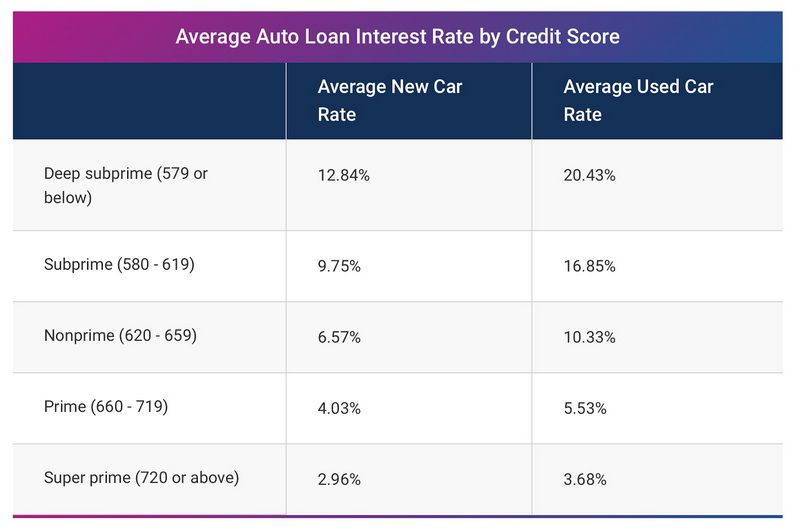
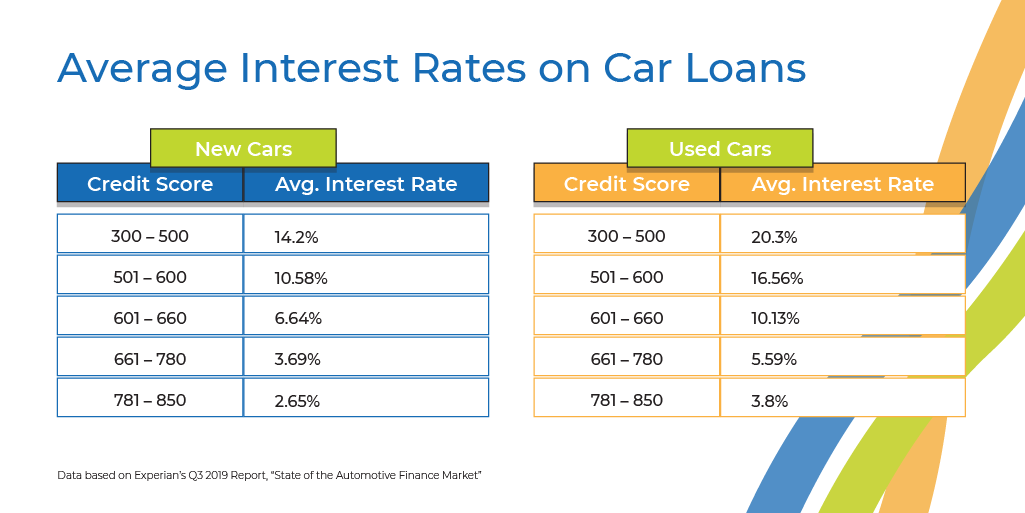
Your credit score is arguably the most significant determinant of the interest rate you’ll be offered. Lenders use credit scores (like FICO or VantageScore) to gauge your creditworthiness – your history of managing debt responsibly.
- Excellent Credit (780+): Borrowers in this range are considered low-risk and typically qualify for the lowest interest rates available, often ranging from 0% (with special offers) to 4-5%.
- Good Credit (670-739): Still considered good borrowers, but rates might be slightly higher, generally in the 5-8% range.
- Fair Credit (580-669): These borrowers represent a higher risk to lenders, leading to higher interest rates, often between 8-12%.
- Poor Credit (Below 580): Borrowers with poor credit will face the highest interest rates, potentially 12% or more, due to the perceived high risk of default. Some may even struggle to qualify for a traditional loan.
Loan Term Length: Short vs. Long
The duration of your loan (the loan term) significantly impacts your interest rate.
- Shorter Loan Terms (e.g., 36 or 48 months): Typically come with lower interest rates because lenders perceive less risk over a shorter period. While monthly payments will be higher, you’ll pay significantly less interest overall.
- Longer Loan Terms (e.g., 60, 72, or even 84 months): Often carry higher interest rates. Lenders assume more risk over an extended period due to factors like vehicle depreciation, the possibility of the borrower’s financial situation changing, or the increased chance of the car breaking down. While longer terms reduce monthly payments, they dramatically increase the total interest paid over the life of the loan.
New vs. Used Vehicles
The type of vehicle you finance also plays a role in the interest rate.
- New Cars: Generally attract lower interest rates because they are seen as less risky by lenders. They hold their value better initially, often come with manufacturer warranties, and are less likely to require immediate repairs. Lenders also benefit from manufacturer incentives that can include subsidized interest rates.
- Used Cars: Tend to have higher interest rates. This is due to several factors: they depreciate faster, may have a higher risk of mechanical issues, and their value is less predictable. The older and higher mileage a used car is, the higher the perceived risk, and thus, the higher the interest rate.
Down Payment Amount
Making a substantial down payment reduces the amount you need to borrow, which in turn lowers the lender’s risk.
- Larger Down Payment: This demonstrates your financial commitment and reduces the loan-to-value (LTV) ratio (the amount borrowed relative to the car’s value). A lower LTV often translates to a lower interest rate, as the lender’s exposure is minimized. Aiming for 10-20% down payment is generally recommended.
- No Down Payment: While appealing for preserving cash, borrowing the full purchase price increases the lender’s risk and will likely result in a higher interest rate and a higher overall cost.
Lender Type and Market Conditions
The type of institution you borrow from and the broader economic environment also influence rates.
- Banks, Credit Unions, Captive Finance Companies (e.g., Toyota Financial, Ford Credit), and Online Lenders: Each type of lender has different risk appetites, overheads, and rate structures. Credit unions often offer highly competitive rates due to their member-owned structure. Captive finance companies frequently offer promotional rates (like 0% or low APR) to boost sales for their brands. Online lenders can be competitive due to lower overheads.
- Federal Reserve Interest Rates: The Federal Reserve’s monetary policy, particularly the federal funds rate, influences borrowing costs across the economy, including car loans. When the Fed raises rates, car loan rates tend to follow suit. Economic stability, inflation, and unemployment figures can also play a role in how lenders price their loans.
Debt-to-Income Ratio and Loan-to-Value Ratio
Beyond your credit score, lenders assess your overall financial health.
- Debt-to-Income (DTI) Ratio: This compares your total monthly debt payments to your gross monthly income. A high DTI indicates you might be overextended, increasing the perceived risk and potentially leading to a higher interest rate or loan denial.
- Loan-to-Value (LTV) Ratio: As mentioned, this is the ratio of the loan amount to the vehicle’s market value. A high LTV (e.g., financing 100% of the car’s value or even more, if rolling over negative equity from a trade-in) signifies higher risk for the lender, almost always resulting in a higher interest rate.
Strategies to Secure a Favorable Car Loan Interest Rate
Knowing the factors that influence rates is one thing; actively working to improve your position is another. Employ these strategies to put yourself in the best possible light for lenders.
Know Your Credit Score Before You Shop
Before you even step foot in a dealership, obtain your credit report and score from one of the major credit bureaus (Experian, Equifax, TransUnion). This allows you to:
- Understand your standing: Know what kind of rates you realistically qualify for.
- Identify errors: Dispute any inaccuracies on your report that could be dragging your score down.
- Improve your score: If your score isn’t ideal, take steps like paying down existing debt, making payments on time, and avoiding new credit applications in the months leading up to your car purchase.
Get Pre-Approved from Multiple Lenders
One of the most powerful tools in your arsenal is pre-approval. Apply to several different lenders—banks, credit unions, and online lenders—before you go car shopping.
- Comparison Shopping: Each lender will give you a specific offer, allowing you to compare APRs, terms, and conditions.
- Negotiation Power: A pre-approval letter arms you with a concrete interest rate offer, which you can then use as leverage to negotiate with the dealership’s finance department. If the dealer can’t beat your outside offer, you simply go with your pre-approval. Multiple credit inquiries within a short period (typically 14-45 days, depending on the scoring model) are usually treated as a single inquiry for auto loan shopping, minimizing the impact on your credit score.
Consider a Shorter Loan Term (If Affordable)
While a longer term means lower monthly payments, a shorter term typically comes with a lower interest rate and significantly reduces the total amount of interest you’ll pay. If your budget allows for higher monthly payments, opting for a 48 or 60-month loan over a 72 or 84-month one can save you thousands over the life of the loan. Run the numbers to see what you can comfortably afford.
Make a Substantial Down Payment
Aim to put down at least 10-20% of the vehicle’s purchase price. This reduces the amount you need to borrow, improves your LTV ratio, and signals to lenders that you are a lower-risk borrower, thereby helping you secure a lower interest rate. A larger down payment also mitigates the risk of becoming “upside down” or having negative equity, where you owe more on the car than it’s worth, which can happen quickly due to depreciation.
Shop During Special Promotions
Keep an eye out for manufacturer-backed financing deals. These “special APRs” (like 0% or very low interest rates) are often offered for new cars to highly qualified buyers (those with excellent credit) for specific models or during certain periods. While not everyone will qualify, these can be exceptionally good deals if you meet the criteria.
Avoid Rolling Over Negative Equity
If you’re trading in a car that you owe more on than its current market value (negative equity), avoid rolling that negative equity into your new car loan if at all possible. This significantly increases the amount you need to finance, inflates your LTV ratio, and almost guarantees a higher interest rate, as well as putting you further upside down on your new vehicle from day one. It’s often better to pay off the negative equity separately or sell the old car outright first.
The Application Process and What to Look Out For
Navigating the application process requires diligence and an understanding of potential pitfalls.
Gathering Necessary Documentation
Lenders will require various documents to process your loan application. Having these ready can expedite the process:
- Proof of Identity: Driver’s license, state ID.
- Proof of Income: Pay stubs, tax returns (if self-employed), bank statements.
- Proof of Residence: Utility bill, lease agreement.
- Social Security Number: For credit checks.
- Vehicle Information: If you’ve already chosen a specific car (VIN, make, model).
Understanding Loan Offers and Fine Print
Once you receive loan offers, scrutinize every detail beyond just the APR.
- Read the Fine Print: Look for any hidden fees, prepayment penalties (though less common with car loans), or balloon payments (where a large lump sum is due at the end of the loan term).
- Understand Add-ons: Be wary of dealerships trying to bundle expensive add-ons (extended warranties, GAP insurance, paint protection, etc.) into your loan without clear explanation or your explicit consent. These can significantly increase your loan amount and, consequently, the total interest paid. Insist on clear, itemized pricing for everything.
- Monthly Payment vs. Total Cost: Don’t let a low monthly payment distract you from a high interest rate and a long loan term that will lead to a much higher total cost. Focus on the APR and the overall cost of the loan.
Dealer Financing vs. Independent Lenders
You typically have two main avenues for car financing:
- Independent Lenders: This includes banks, credit unions, and online lenders. They often offer competitive rates, and securing pre-approval from them gives you strong negotiation leverage.
- Dealer Financing: Dealerships act as intermediaries, connecting you with various lenders (including their own captive finance companies). While convenient, they may mark up the interest rate to earn a commission. However, they can also offer promotional rates directly from manufacturers that might be unbeatable. It’s crucial to compare the dealer’s offer with your pre-approved rates.
The Long-Term Impact of Your Interest Rate Decision
Your chosen interest rate extends its influence far beyond the initial purchase, shaping your long-term financial picture.
Total Cost of Ownership Calculation
A lower interest rate reduces the “cost of money” for your car, meaning more of your hard-earned cash goes towards owning the asset itself rather than just borrowing it. Over five to seven years, the difference between a good and a bad interest rate can easily amount to thousands of dollars. This money could instead be saved, invested, or used for other financial priorities, significantly impacting your wealth accumulation over time. Always calculate the total amount you will pay (principal + interest + fees) to truly understand the deal.
Refinancing Opportunities
Even if you don’t secure the absolute best interest rate initially, perhaps due to a lower credit score at the time of purchase or rising rates, you might have an opportunity to improve your situation later.
- When to Consider Refinancing: If your credit score has significantly improved since you took out the original loan, if market interest rates have dropped, or if you want to change your loan term, refinancing could be a wise move.
- Benefits of Refinancing: A lower interest rate can reduce your monthly payments, decrease the total interest paid, or help you adjust your loan term to better fit your current financial situation. Always compare potential refinancing offers carefully, considering any new fees involved.
In conclusion, understanding “what interest rate on a car loan” means is about much more than just a percentage point. It’s about empowering yourself with knowledge, strategizing effectively, and making informed decisions that will save you money and contribute to your overall financial well-being. By focusing on your credit health, exploring multiple lending options, and scrutinizing every detail, you can ensure you secure a car loan that drives you towards a stronger financial future.
aViewFromTheCave is a participant in the Amazon Services LLC Associates Program, an affiliate advertising program designed to provide a means for sites to earn advertising fees by advertising and linking to Amazon.com. Amazon, the Amazon logo, AmazonSupply, and the AmazonSupply logo are trademarks of Amazon.com, Inc. or its affiliates. As an Amazon Associate we earn affiliate commissions from qualifying purchases.