
In the landscape of personal finance, few terms are as ubiquitous yet sometimes as opaque as the “car note.” For many, purchasing a vehicle—a necessity for work, family, or personal freedom—requires external financing. This is where the car note comes into play, representing a legally binding agreement that facilitates the acquisition of a vehicle without an upfront full cash payment. More than just a simple monthly bill, a car note is a complex financial instrument that impacts your budget, credit score, and long-term financial health. Understanding its nuances is not just prudent; it’s essential for making informed financial decisions.
This article aims to demystify the car note, breaking down its components, exploring how it functions, and offering insights into managing this significant financial commitment effectively. From the initial application to the final payment, we’ll navigate the intricacies of auto financing, empowering you to approach your next vehicle purchase with confidence and clarity.
The Core Concept: Deconstructing the Car Note
At its heart, a car note is a formal acknowledgment of debt, a promise to repay borrowed money used to buy a car. It’s a standard feature of modern consumer lending, enabling millions to access transportation that might otherwise be unaffordable.
Definition of a Car Note
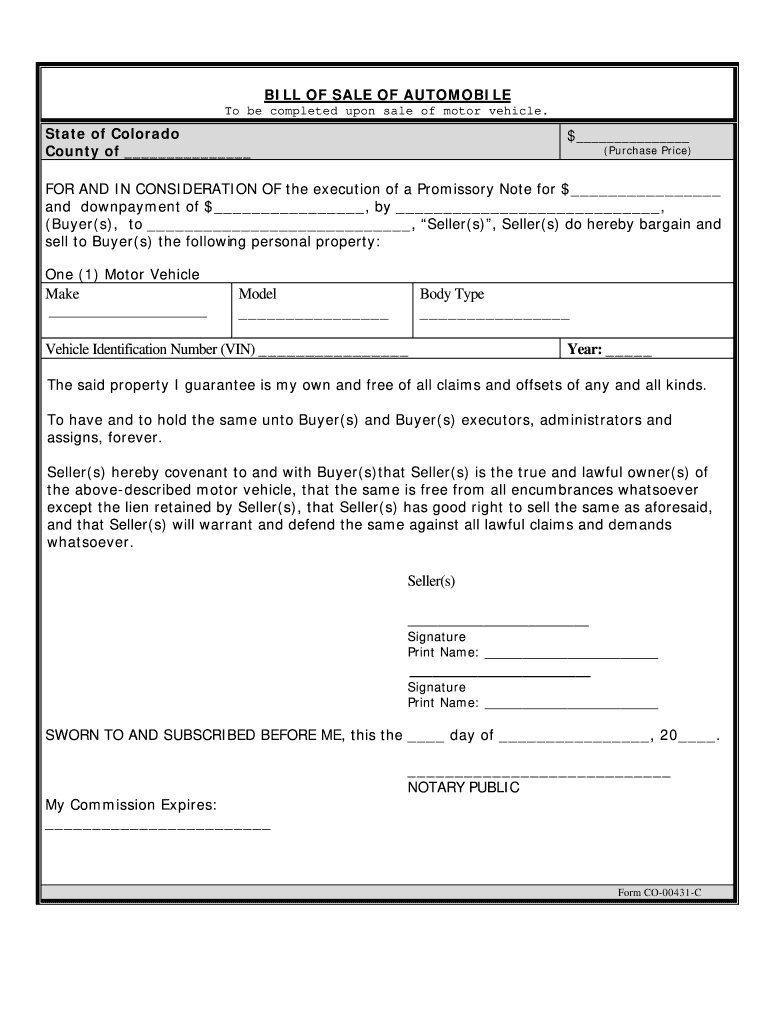
A “car note” is simply another term for an auto loan agreement. It’s a contractual obligation where a borrower receives a sum of money from a lender (typically a bank, credit union, or dealership finance arm) to purchase a vehicle. In return, the borrower agrees to repay the principal amount, plus interest, over a predetermined period through regular, scheduled payments. The “note” part refers to the promissory note, a legal document signed by the borrower detailing the terms and conditions of the loan.
Parties Involved in a Car Note
Understanding who’s involved clarifies the dynamics of the agreement:
- The Borrower: This is you, the individual or entity taking out the loan to purchase the car. You are responsible for fulfilling the terms of the car note.
- The Lender: This is the financial institution or entity providing the funds. Lenders assess risk, set interest rates, and manage the loan repayment process. They hold a lien on the vehicle until the loan is fully repaid.
- The Seller (Dealership/Private Party): While not directly a party to the car note itself (unless they are also the lender), the seller receives the proceeds of the loan from the lender. In the case of dealership financing, the dealer often acts as an intermediary, facilitating the loan application with various lenders.
Why Car Notes Exist: Financing a Major Purchase
The primary reason car notes exist is to bridge the gap between the high cost of a vehicle and an individual’s immediate cash reserves. Most people cannot afford to pay tens of thousands of dollars for a car outright. Auto loans make vehicle ownership accessible by spreading the cost over several years, breaking it down into manageable monthly payments. This democratizes access to personal transportation, driving economic activity and consumer mobility. Without car notes, vehicle sales would plummet, significantly impacting individuals’ lives and the automotive industry.
How a Car Note Works: The Mechanics of Auto Financing
Understanding the operational mechanics of a car note is crucial for any borrower. It involves several key steps and financial principles that dictate how much you pay and for how long.
The Application Process: Credit Scores and Income
The journey of a car note begins with a loan application. Lenders meticulously evaluate a borrower’s creditworthiness to determine the likelihood of repayment. Key factors include:
- Credit Score: A numerical representation of your credit risk. Higher scores (generally 670 and above) indicate lower risk and typically qualify you for better interest rates.
- Income and Employment Stability: Lenders want assurance that you have a consistent source of income sufficient to cover the monthly payments.
- Debt-to-Income (DTI) Ratio: This measures your total monthly debt payments against your gross monthly income. A lower DTI ratio (ideally below 36%) signals less financial strain.
- Down Payment: The amount of cash you put down upfront. A larger down payment reduces the loan amount, lowers your monthly payments, and can secure a better interest rate.
Key Components: Principal, Interest, Term
Every car note is built upon three fundamental components:
- Principal: This is the original amount of money borrowed to purchase the vehicle.
- Interest: This is the cost of borrowing money, expressed as an annual percentage rate (APR). It’s the lender’s profit for providing the loan. The higher the interest rate, the more you pay over the life of the loan.
- Term: This is the duration of the loan, typically measured in months (e.g., 36, 48, 60, 72, or even 84 months). A longer term means lower monthly payments but often results in paying more interest over time.
The Payment Schedule: Amortization and Monthly Obligations
Once approved, a car note comes with a fixed payment schedule. This schedule follows an amortization model, where each monthly payment consists of both principal and interest. In the early stages of the loan, a larger portion of your payment goes towards interest. As the loan matures, more of each payment chips away at the principal. This systematic reduction of the loan balance ensures that the debt is fully repaid by the end of the term. Missing payments or making late payments can incur fees, negatively impact your credit score, and potentially lead to vehicle repossession.
Securing the Loan: Collateral and Liens
A car note is almost always a secured loan, meaning the vehicle itself serves as collateral. In the event that the borrower defaults on the loan (fails to make payments), the lender has the legal right to repossess the car to recover their losses. To enforce this, the lender places a lien on the vehicle’s title. This lien means you don’t fully own the car until the loan is paid off. Once the final payment is made, the lien is released, and you receive a clear title to your vehicle.
Factors Influencing Your Car Note
The specific terms and cost of your car note are not arbitrary. They are shaped by a confluence of personal financial health, market conditions, and the specifics of the vehicle purchase. Understanding these factors can help you secure the most favorable terms.
Vehicle Price and Down Payment
The most direct determinant of your car note’s size is the actual price of the vehicle. A more expensive car naturally requires a larger loan. However, the amount you put down as a down payment significantly offsets this. A substantial down payment directly reduces the principal amount you need to borrow, leading to lower monthly payments and less interest paid over the loan’s life. Financial experts often recommend aiming for at least 10-20% of the vehicle’s purchase price as a down payment.
Your Creditworthiness: The Interest Rate Factor
As mentioned, your credit score is paramount. Lenders use it as a primary indicator of risk.
- Excellent Credit (780+): Likely to qualify for the lowest available interest rates.
- Good Credit (670-779): Generally eligible for competitive rates.
- Fair Credit (580-669): May receive higher rates, but still accessible financing.
- Poor Credit (Below 580): Often faces significantly higher interest rates, potentially making a car note much more expensive and harder to manage.
A difference of just a few percentage points in APR can translate to hundreds or even thousands of dollars in extra interest paid over the life of the loan. Improving your credit score before applying for a car loan can yield substantial savings.
Loan Term Length: Short vs. Long Notes
The loan term is a critical variable that balances monthly affordability with total cost:
- Shorter Terms (e.g., 36-48 months): Typically come with higher monthly payments but lower overall interest paid. You pay off the debt faster and reduce the risk of becoming “upside down” (owing more than the car is worth).
- Longer Terms (e.g., 60-84 months): Offer lower monthly payments, making expensive cars seem more affordable. However, they almost always result in significantly more interest paid over time and increase the likelihood of negative equity, where the car depreciates faster than you pay off the loan.

The choice of term should align with your budget and financial goals, prioritizing the shortest term you can comfortably afford.
Additional Costs: Fees and Taxes
Beyond the vehicle price, principal, and interest, several other costs can inflate your total car note obligation:
- Sales Tax: Varies by state and is usually financed into the loan unless paid upfront.
- Registration and Licensing Fees: Required by your state’s DMV.
- Documentation Fees (“Doc Fees”): Charged by dealerships for processing paperwork. These can sometimes be negotiated.
- Extended Warranties and Add-ons: While some might offer value, many are high-profit items for dealerships and unnecessarily inflate your loan amount. Carefully consider if these are truly needed.
- Gap Insurance: Highly recommended if your down payment is low or your loan term is long. It covers the “gap” between what you owe on the loan and what your standard auto insurance would pay if your car is totaled or stolen.
These additional costs can sometimes add thousands of dollars to your loan, directly increasing your car note payments.
Managing and Optimizing Your Car Note
A car note is a long-term commitment, but it doesn’t have to be a burden. Proactive management and strategic decisions can help you navigate your payments efficiently, save money, and even improve your financial standing.
Making Smart Payments: On-Time and Extra Payments
The most fundamental aspect of managing your car note is consistency.
- On-Time Payments: Absolutely crucial. Late payments incur fees, and more importantly, they are reported to credit bureaus, significantly damaging your credit score. Setting up automatic payments is an excellent strategy to avoid missing deadlines.
- Extra Payments: If your budget allows, making extra payments can dramatically reduce the total interest paid and shorten the loan term. Even small additional amounts, like rounding up your payment or applying a bonus, can make a difference. Ensure your lender applies extra payments directly to the principal to maximize the benefit.
Refinancing Your Car Note: When and Why
Refinancing involves taking out a new loan to pay off your existing car note, ideally with more favorable terms. This strategy can be highly beneficial if:
- Interest Rates Have Dropped: If market rates have fallen since you took out your original loan.
- Your Credit Score Has Improved: A better credit score can qualify you for a lower APR.
- You Want a Lower Monthly Payment: By extending the loan term (though this might mean more interest long-term).
- You Want to Shorten the Term: To pay off the car faster and save on interest.
Refinancing can be a powerful tool, but always calculate the total cost savings and any associated fees before committing.
Understanding Early Payoff Penalties
While paying off a car note early is often a smart financial move, some loan agreements include prepayment penalties. These are fees charged by the lender to compensate for the interest income they lose when a loan is paid off ahead of schedule. Before making extra payments or planning a refinance, always check your loan agreement for any such clauses. Most modern auto loans, especially from major banks, do not have prepayment penalties, but it’s vital to confirm.
The Impact of a Car Note on Your Credit Score
A car note has a significant, dual impact on your credit profile:
- Positive Impact: Consistently making on-time payments demonstrates responsible credit behavior, building a strong payment history—the most crucial factor in your credit score. It also diversifies your credit mix (having different types of loans, like installment loans and revolving credit), which can be favorable.
- Negative Impact: Late payments, defaults, or repossessions will severely damage your credit score, making it harder and more expensive to obtain credit in the future. Carrying a high amount of debt relative to your income (high DTI) can also negatively affect future lending decisions.
Managing your car note responsibly is a key pillar in maintaining and building a healthy credit score, which opens doors to better rates on mortgages, personal loans, and credit cards down the line.
Alternatives to Traditional Car Notes and Future Considerations
While car notes are the most common way to finance a vehicle, it’s worth exploring other options and understanding what happens when your note concludes.
Leasing vs. Buying: A Financial Comparison
Beyond taking out a car note to buy, leasing is another popular option.
- Leasing: You essentially rent the car for a set period (usually 2-4 years) and mileage limit. Monthly payments are generally lower than buying, as you’re only paying for the depreciation of the vehicle during your lease term. At the end of the lease, you return the car or have the option to buy it. This is ideal for those who like to drive new cars frequently and prefer lower monthly commitments. However, you never own the vehicle, and mileage limits can be restrictive.
- Buying (with a Car Note): You eventually own the vehicle outright. While monthly payments might be higher, you build equity and have no mileage restrictions. This is better for long-term ownership and those who want to customize their vehicle.
The choice depends on your financial situation, driving habits, and long-term vehicle ownership goals.
Cash Purchases: The Ideal Scenario
The most financially sound way to acquire a vehicle is to pay for it outright with cash. This eliminates all interest payments, avoids the complexities of a car note, and means you own the car free and clear from day one. While not feasible for everyone, saving up for a cash purchase, especially for a reliable used car, can be a highly effective long-term financial strategy to avoid debt.
Used Car Loans: Potential Savings
Financing a used car often results in a smaller car note compared to a new vehicle, as used cars typically have a lower purchase price. While interest rates for used car loans can sometimes be slightly higher due to perceived increased risk, the overall amount borrowed is less, potentially leading to lower total interest paid and more manageable monthly payments. This strategy allows many individuals to drive a newer, more reliable car than they could afford new, without accumulating excessive debt.
The End of the Note: Title Release and Next Steps
The glorious day arrives when you make your final car note payment. What happens next?
- Lien Release: The lender will send you a lien release document, confirming that you have fully satisfied your loan obligations.
- Title Transfer: Depending on your state, you may receive a new title directly from the DMV with the lien removed, or you might need to take the lien release to the DMV to have a clean title issued in your name.
- Full Ownership: With the lien released and a clear title in hand, you are now the undisputed owner of your vehicle. You can sell it, trade it in, or keep driving it without any further payments.
This is a significant financial milestone, freeing up funds in your budget and marking the successful completion of a substantial debt obligation.

Conclusion
A car note, while a commonplace aspect of modern life, is a significant financial instrument demanding careful consideration and responsible management. It empowers individuals to access essential transportation but comes with the responsibility of understanding its underlying mechanics, the factors that influence its cost, and the strategies for managing it effectively. By grasping the definition, the process, the contributing factors, and the methods for optimization, you can transform a potentially overwhelming debt into a well-managed asset that serves your needs without jeopardizing your financial future. Approaching your car note with knowledge and diligence is not just about affording a vehicle; it’s about making a smart investment in your personal mobility and overall financial well-being.
aViewFromTheCave is a participant in the Amazon Services LLC Associates Program, an affiliate advertising program designed to provide a means for sites to earn advertising fees by advertising and linking to Amazon.com. Amazon, the Amazon logo, AmazonSupply, and the AmazonSupply logo are trademarks of Amazon.com, Inc. or its affiliates. As an Amazon Associate we earn affiliate commissions from qualifying purchases.