
In today’s rapidly evolving digital landscape, the ability to manage and maintain your operating system is a fundamental skill. Whether you’re upgrading to the latest version of Windows, performing a clean installation to revitalize a sluggish system, or setting up a new computer, having a bootable USB drive is an invaluable tool. This comprehensive guide will walk you through the process of creating and using a Windows installation USB, empowering you to take control of your digital environment.
Why a Bootable USB Drive is Essential
Before we dive into the “how,” let’s briefly touch on the “why.” While optical drives (CDs/DVDs) were once the standard for operating system installations, they’ve largely been superseded by USB flash drives for several compelling reasons:
- Speed: USB drives offer significantly faster read and write speeds compared to optical media, leading to quicker installation times.
- Portability and Durability: USB drives are compact, robust, and easily carried, making them ideal for on-the-go IT professionals or individuals who frequently manage multiple machines.
- Ubiquity: Most modern computers lack optical drives, making USB installation the most practical, and often the only, option.
- Flexibility: A single USB drive can be repurposed for multiple installations or even as a rescue disk, offering a versatile solution.
Preparing Your Tools for Windows Installation
Successfully installing Windows from a USB drive requires a few key components. This section will outline everything you need to gather before you begin the process.
1. A Working Computer and Internet Connection
You’ll need access to a functional computer with a stable internet connection to download the necessary Windows installation files and create the bootable USB. This computer can be the one you intend to install Windows on, or a separate machine.
2. A USB Flash Drive (8GB or Larger)
The star of our operation is the USB flash drive. For installing most recent versions of Windows (Windows 10 and Windows 11), an 8GB capacity is the minimum requirement. However, it’s always a good idea to opt for a 16GB or even 32GB drive to ensure compatibility and provide ample space for the installation files. Crucially, ensure that there is no important data on the USB drive you plan to use, as the entire contents will be erased during the creation process.
3. The Windows Media Creation Tool
Microsoft provides a free and user-friendly utility called the Media Creation Tool which simplifies the process of downloading the correct Windows version and preparing your USB drive. This tool automatically handles the download of the latest Windows ISO file and formats the USB drive to be bootable.
- For Windows 11: You can download the Media Creation Tool from the official Microsoft website. Search for “Download Windows 11” and navigate to the “Create Windows 11 Installation Media” section.
- For Windows 10: Similarly, search for “Download Windows 10” on the Microsoft website and find the “Create Windows 10 installation media” option.
4. Your Windows Product Key (Optional, but Recommended)
While you can often install Windows without a product key and activate it later, having your product key readily available can streamline the installation process. If you are reinstalling Windows on a computer that was previously activated, Windows will often automatically activate itself upon connection to the internet, so a product key might not be strictly necessary. However, if you are performing a fresh installation on a new machine or after a significant hardware change, you will need a valid product key for activation.
Step-by-Step Guide to Creating Your Bootable USB Drive
This section will detail the process of using the Media Creation Tool to prepare your USB drive for Windows installation.
Downloading and Running the Media Creation Tool
- Navigate to the Microsoft Download Page: Open your web browser and go to the official Microsoft website for the Windows version you intend to install (Windows 10 or Windows 11).
- Locate the Media Creation Tool: Find the download link for the Media Creation Tool. It’s usually presented as a prominent button.
- Download the Tool: Click the download button. The tool is a small executable file that you’ll run directly.
- Run the Tool: Once downloaded, locate the file (e.g.,
MediaCreationTool21H2.exefor Windows 10 orMediaCreationToolW11.exefor Windows 11) and double-click it to run. You might be prompted for administrator permissions; grant them. - Accept License Terms: Read and accept the license terms and conditions to proceed.
Selecting Installation Options
After accepting the license terms, the Media Creation Tool will present you with choices.
- “What do you want to do?” Screen: This is where you choose the core function.
- “Upgrade this PC now”: This option is for upgrading the current operating system on the computer you are using. This is NOT what we want for creating a bootable USB.
- “Create installation media (USB flash drive, DVD, or ISO file) for another PC”: Select this option. This is the key to creating your bootable USB.
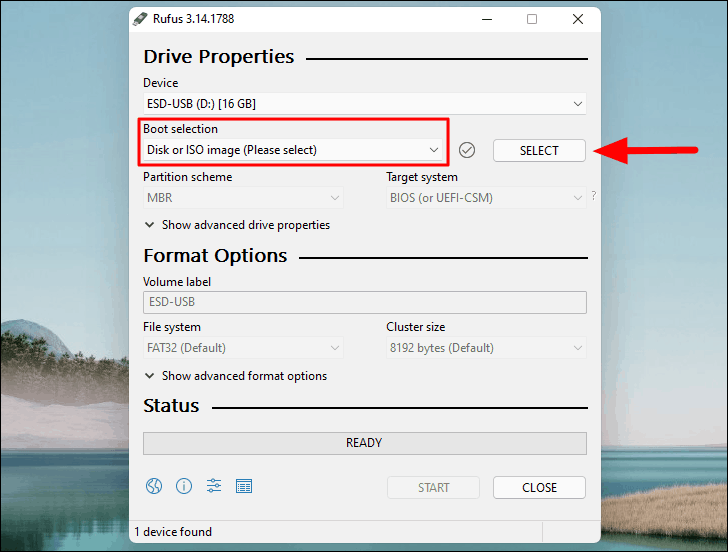
Choosing Language, Edition, and Architecture
The next screen allows you to customize your installation media.
- “Select language, architecture, and edition”: By default, the tool will suggest recommended options based on your current computer’s settings.
- Uncheck “Use the recommended options for this PC”: If you need to install a different language, edition (e.g., Home, Pro), or architecture (32-bit or 64-bit) than your current system, uncheck this box.
- Language: Choose your preferred language for the Windows installation.
- Edition: Select the specific edition of Windows you wish to install (e.g., Windows 11 Home, Windows 11 Pro, Windows 10 Home, Windows 10 Pro). Ensure this aligns with your product key if you have one.
- Architecture: For modern computers, 64-bit is almost universally the correct choice. 32-bit is generally only used for very old hardware or specific legacy applications. If you’re unsure, 64-bit is the safe bet for most users.
Selecting the Media Type
On the following screen, you’ll choose how to create the installation media.
- “Choose which media to use”:
- “USB flash drive”: Select this option. This is what we need to create our bootable USB.
- “ISO file”: This option allows you to download an ISO image that you can later burn to a DVD or use with other tools to create a bootable USB. For this guide, we’re focusing on the direct USB creation method.
Creating the Bootable USB Drive
- Plug in Your USB Drive: Ensure your USB flash drive (8GB or larger, with no important data) is plugged into the computer.
- Select Your USB Drive: The Media Creation Tool will list the available removable drives. Select your USB drive from the dropdown list. Double-check that you’ve selected the correct drive to avoid accidentally erasing the wrong one.
- Start the Process: Click “Next.” The tool will now begin downloading the Windows files and then copy them to your USB drive, making it bootable.
- Wait Patiently: This process can take a significant amount of time, depending on your internet speed and the speed of your USB drive. The tool will show a progress percentage.
- Completion: Once the process is finished, the tool will inform you that your USB drive is ready. Click “Finish.”
Congratulations! You have successfully created a bootable Windows installation USB drive.
Booting from Your USB Drive and Installing Windows
Now that your bootable USB is ready, you can use it to install or reinstall Windows on your computer. This involves changing the boot order in your computer’s BIOS/UEFI settings.
Accessing BIOS/UEFI Settings
The BIOS (Basic Input/Output System) or UEFI (Unified Extensible Firmware Interface) is firmware that your computer uses to initialize hardware during the boot process and load the operating system. You need to access these settings to tell your computer to boot from the USB drive instead of its internal hard drive.
-
Restart Your Computer: With the bootable USB drive plugged in, restart the computer you wish to install Windows on.
-
Press the BIOS/UEFI Key: As soon as the computer starts to boot (usually when you see the manufacturer’s logo), you need to press a specific key repeatedly to enter the BIOS/UEFI setup. The most common keys are:
- DEL (Delete)
- F2
- F10
- F12
- ESC (Escape)
The exact key varies by motherboard manufacturer. The screen often briefly displays which key to press (e.g., “Press DEL to enter Setup”). If you miss it, restart your computer and try again. You can also search online for your specific computer model or motherboard to find the correct key.
Changing the Boot Order
Once you are in the BIOS/UEFI settings menu, you’ll need to find the boot order or boot priority settings. The exact location and naming of this section can vary greatly between different BIOS/UEFI interfaces. Look for terms like:
- “Boot”
- “Boot Order”
- “Boot Priority”
- “Boot Sequence”
- Navigate to Boot Settings: Use your keyboard’s arrow keys to navigate the BIOS/UEFI menus.
- Set USB as First Boot Device: Find your USB drive in the list of bootable devices. It might be listed by its brand name or as “USB HDD,” “Removable Device,” or “UEFI USB Device.” Move your USB drive to the top of the boot order list. This ensures that the computer will attempt to boot from the USB drive before the internal hard drive.
- Save and Exit: Once you’ve set the USB drive as the first boot device, find the option to “Save and Exit” or “Exit Saving Changes.” This is typically done by pressing a specific function key (often F10) or navigating to an “Exit” menu.
- Confirm: The system will usually ask for confirmation to save changes and exit. Confirm the action.
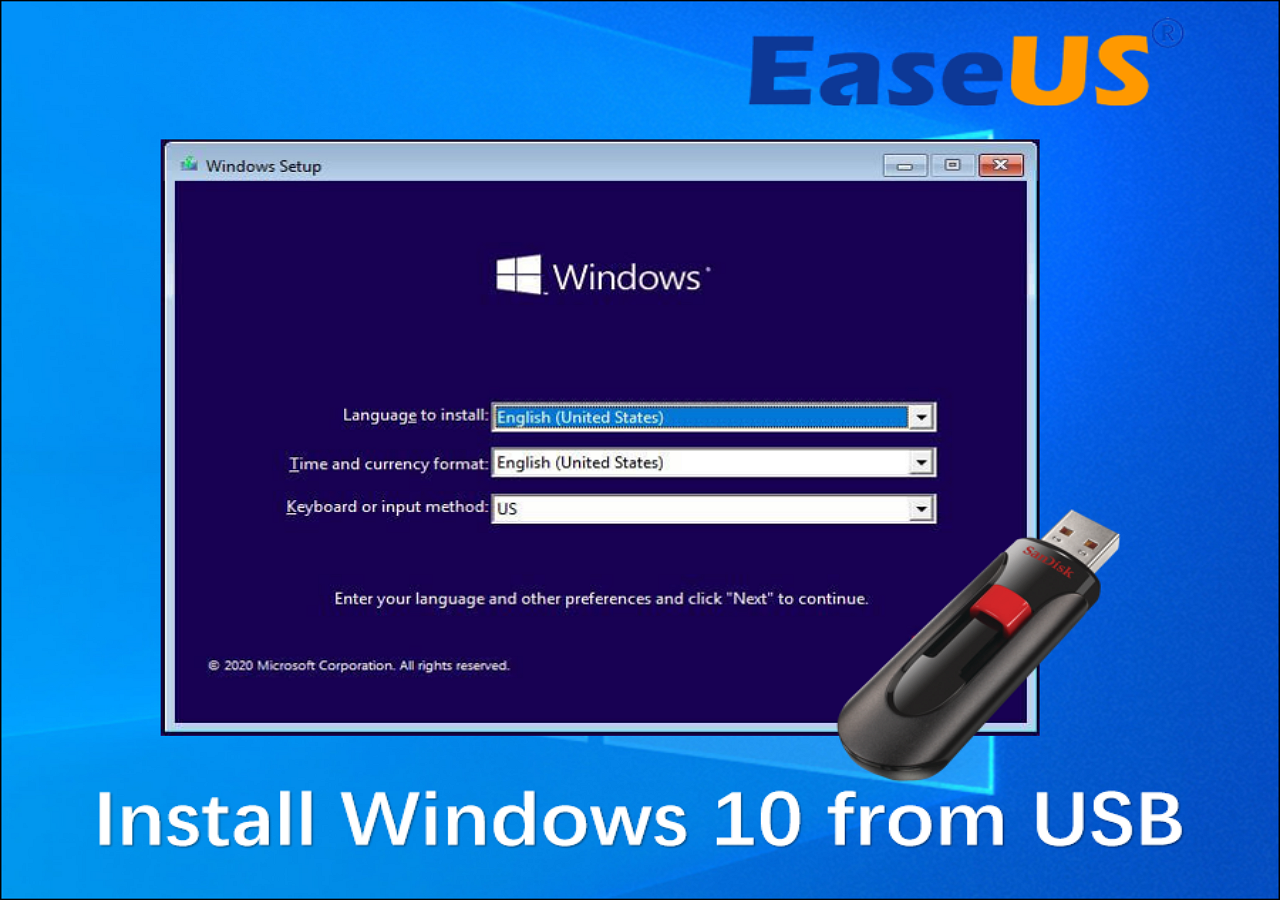
Your computer will restart again. This time, if you’ve correctly configured the boot order, it should boot from the USB drive, and you’ll see the Windows setup screen.

The Windows Installation Process
After booting from the USB drive, you’ll be guided through the Windows installation.
- Windows Setup Starts: You’ll see the familiar Windows logo and then the setup screen.
- Select Language, Time, and Keyboard: Choose your language, time and currency format, and keyboard input method. Click “Next.”
- Install Now: Click the “Install now” button.
- Enter Product Key (or Skip): If you have a product key, enter it now. If not, you can click “I don’t have a product key” and activate Windows later.
- Choose Operating System Edition: If you skipped the product key, you’ll be asked to select the edition of Windows you want to install (e.g., Windows 11 Home, Windows 11 Pro). Make sure it matches your license.
- Accept License Terms: Read and accept the Microsoft license terms.
- Choose Installation Type: This is a crucial step:
- “Upgrade: Install Windows and keep files, settings, and applications”: This option is used for upgrading an existing Windows installation. It will attempt to preserve your data.
- “Custom: Install Windows only (advanced)”: This is the option you want for a clean installation. This allows you to choose where to install Windows, format partitions, and start fresh.
- Disk Partitioning (Custom Install):
- You’ll see a list of drives and partitions. Be extremely careful here, as selecting the wrong drive/partition can lead to data loss.
- If you’re doing a clean install on a new drive or want to wipe everything, select the drive where you want to install Windows and click “Delete” to remove any existing partitions, then select the “Unallocated Space” and click “Next.” Windows will create the necessary partitions automatically.
- If you’re reinstalling on an existing system and want to ensure a clean slate, you might delete all existing partitions on the target drive before proceeding.
- If you are unsure, it’s best to seek expert advice or perform a backup before proceeding with disk operations.
- Installing Windows: Windows will now copy files, install features, and install updates. Your computer will restart several times during this process. Ensure the USB drive remains plugged in until Windows prompts you to remove it or until you reach the initial setup screens where it no longer needs to boot from the USB.
- Initial Setup: After the installation is complete, you’ll go through the initial Windows setup, including creating a user account, setting up privacy settings, and connecting to your network.
By following these steps, you will have successfully installed Windows from a USB drive, giving you a clean, up-to-date, and potentially revitalized operating system. This skill is not only fundamental for personal computer maintenance but also a valuable asset for anyone involved in the tech world, whether it’s for managing personal finances and online income streams that rely on reliable computing, or understanding the technical backbone of brand strategies and digital marketing.
aViewFromTheCave is a participant in the Amazon Services LLC Associates Program, an affiliate advertising program designed to provide a means for sites to earn advertising fees by advertising and linking to Amazon.com. Amazon, the Amazon logo, AmazonSupply, and the AmazonSupply logo are trademarks of Amazon.com, Inc. or its affiliates. As an Amazon Associate we earn affiliate commissions from qualifying purchases.