
The world of Linux desktop environments is a vibrant tapestry, offering users unparalleled choice and customization. While Linux Mint 22.04 proudly features its refined Cinnamon desktop environment by default, a significant portion of the Linux community often seeks to explore alternative interfaces, driven by a desire for different aesthetics, workflows, or the very latest technological advancements. Among these alternatives, GNOME stands out as a pioneering force, consistently pushing the boundaries of modern desktop design and functionality. This article delves into the exciting prospect of installing the cutting-edge GNOME 46 on your Linux Mint 22.04 system, transforming your daily computing experience with a fresh, contemporary look and enhanced features.
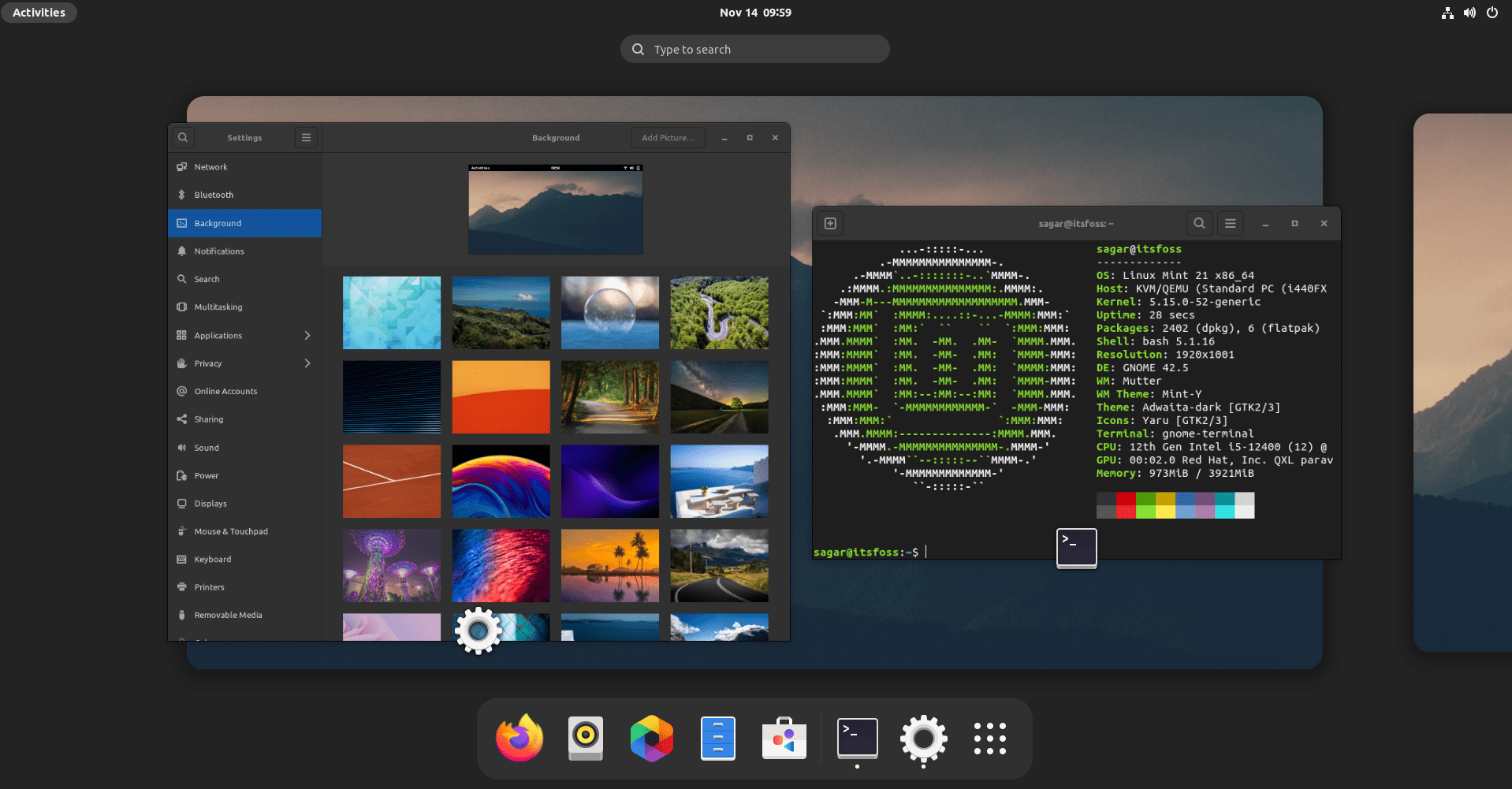
For tech enthusiasts and power users, the appeal of upgrading to the latest GNOME iteration is undeniable. GNOME 46 brings with it a host of improvements, ranging from performance optimizations and refined user interface elements to new application functionalities and better Wayland integration. While Linux Mint offers a stable and user-friendly experience, embracing GNOME 46 allows users to tap into a different ecosystem, renowned for its minimalist design, robust feature set, and active development. This guide will navigate you through the process, ensuring a smooth transition while highlighting the critical considerations for such a significant system modification.
Understanding GNOME 46 and Linux Mint 22.04: A Synergy of Innovation
Before embarking on the installation journey, it’s crucial to understand what makes GNOME 46 a compelling upgrade and how it integrates with the solid foundation of Linux Mint 22.04. Linux Mint is celebrated for its stability, ease of use, and out-of-the-box functionality, primarily powered by its bespoke Cinnamon desktop. However, its base, Ubuntu 22.04 LTS (Long Term Support), provides a robust backend that is highly compatible with a wide array of software, including alternative desktop environments like GNOME.
A Glimpse into GNOME 46’s Innovations
GNOME 46, codenamed “Kathmandu,” represents the culmination of months of dedicated development, bringing with it a suite of improvements designed to enhance user productivity and overall desktop fluidity. Key features and enhancements include:
- Performance Enhancements: Across the board, GNOME 46 focuses on delivering a snappier, more responsive user experience. This includes optimizations in the shell, improved animation rendering, and more efficient resource management, making the desktop feel faster and more fluid even on modest hardware.
- Refined User Interface and User Experience (UI/UX): The GNOME design philosophy emphasizes clarity and simplicity. Version 46 continues this trend with subtle yet impactful UI tweaks, further streamlining workflows and making interactions more intuitive. This includes improvements to notifications, the quick settings panel, and overall visual consistency.
- Enhanced File Manager (Nautilus): Nautilus, GNOME’s file manager, receives significant upgrades. These often include improved search capabilities, better file previewing, and enhanced connectivity features, making file management more efficient and enjoyable.
- Wayland Evolution: GNOME is at the forefront of Wayland adoption, the modern display server protocol designed to replace X.Org. GNOME 46 typically brings further improvements to Wayland support, offering better security, smoother animations, and superior multi-monitor handling.
- Accessibility Improvements: Accessibility is a core tenet of GNOME development. Each release brings new features and refinements that make the desktop more usable for individuals with diverse needs, ensuring a more inclusive computing environment.
- Core Application Updates: Many of GNOME’s core applications, such as Calendar, Weather, and Software, receive updates that introduce new features, improve stability, and enhance integration with the desktop environment.
These advancements collectively offer a compelling reason for users to consider migrating or experimenting with GNOME 46, providing a truly modern and efficient computing platform.
Why Choose GNOME on Linux Mint?
Linux Mint users, accustomed to the elegant familiarity of Cinnamon, might wonder about the motivations behind installing a different desktop environment. The reasons are varied and often personal:
- Modern Aesthetics and Workflow: GNOME presents a distinct, opinionated workflow centered around activities, workspaces, and a clean, uncluttered interface. Users seeking a departure from traditional desktop paradigms often find GNOME’s approach refreshing and highly productive.
- Wayland Adoption: For those interested in the future of Linux graphics and display technology, GNOME’s strong commitment to Wayland is a significant draw. Wayland offers advantages in security, performance, and modern display capabilities that X.Org struggles to match.
- Broader Ecosystem and Software Integration: Many cutting-edge Linux applications and development tools are often designed with GNOME in mind, potentially offering a more seamless integration and experience within the GNOME environment.
- Personal Preference: Ultimately, the choice of a desktop environment is deeply personal. Exploring GNOME on Linux Mint provides the best of both worlds: the robust, stable base of Mint combined with the innovative, modern interface of GNOME. It’s an opportunity for users to truly customize their computing environment to match their personal style and productivity needs.
Preparing Your Linux Mint System for the Upgrade
Installing a new desktop environment is a significant system modification. While generally safe, it requires careful preparation to prevent data loss or system instability. Think of it as preparing your home for a major renovation – you wouldn’t start knocking down walls without ensuring the structural integrity and safeguarding your valuables.
Essential Pre-Installation Checks and Backups
The cardinal rule of any major system change is backup, backup, backup. This cannot be stressed enough.
- Backup Your Data: Ensure all your critical personal files, documents, photos, and any other irreplaceable data are securely backed up. This could be to an external hard drive, a cloud storage service, or a network-attached storage (NAS) device. While the installation process is unlikely to touch your personal files, unforeseen circumstances can occur.
- Create a System Snapshot (Timeshift): Linux Mint includes an excellent utility called Timeshift, which allows you to create a full system snapshot. This snapshot acts as a restore point, enabling you to revert your entire system to its previous state if anything goes wrong during or after the GNOME installation. It’s an invaluable safety net. Ensure your Timeshift snapshot is saved to a separate partition or external drive if possible.
- Update Your System: Before installing new software, especially something as fundamental as a desktop environment, it’s crucial to ensure your existing system is fully up-to-date. Open your Terminal (Ctrl+Alt+T) and run the following commands:
bash

sudo apt update

sudo apt upgrade -y

sudo apt autoremove -y

sudo apt clean
These commands refresh your package lists, upgrade all installed packages to their latest versions, remove any unnecessary packages, and clear the local repository of downloaded package files. This ensures you’re starting with a clean and current base. - Close All Applications: Before proceeding with the installation, close all open applications to avoid potential conflicts or data corruption.
- Understand the Risks: While the process is generally safe for modern Linux distributions, installing a different desktop environment might introduce minor conflicts with existing packages, themes, or configurations. Be prepared for potential minor glitches or the need for some post-installation tweaking.
System Requirements and Compatibility Considerations
While Linux Mint 22.04 (based on Ubuntu 22.04 LTS) provides a robust platform, ensure your hardware meets the general recommendations for a smooth GNOME 46 experience:
- RAM: A minimum of 4GB RAM is recommended, with 8GB or more providing a much better experience, especially with multiple applications open.
- Processor: A modern dual-core processor (Intel i3/i5 or AMD Ryzen 3/5 equivalent) or better is advisable for optimal performance.
- Storage: Ensure you have ample free disk space (at least 20-30GB) on your root partition for the new desktop environment and its dependencies.
- Graphics: While GNOME works with integrated graphics, a dedicated GPU will provide a smoother experience, especially with Wayland and complex animations. Ensure your graphics drivers are up-to-date.
By diligently performing these preparatory steps, you significantly mitigate potential issues and set the stage for a successful and enjoyable GNOME 46 installation.
The Step-by-Step Installation Process for GNOME 46
Installing GNOME 46 on Linux Mint 22.04 typically involves adding a Personal Package Archive (PPA) that hosts newer GNOME packages than those available in the default Mint repositories. PPAs are user-maintained repositories that allow software developers to distribute their packages directly to Ubuntu (and by extension, Linux Mint) users.

Disclaimer: Using PPAs carries an inherent risk, as they are maintained by third parties. Always ensure you are using reputable PPAs. For cutting-edge GNOME versions, you might need to use a PPA like “Gnome3 Staging” or similar development-focused PPAs, which might sometimes contain unstable packages. For the purpose of this guide, we’ll assume a relatively stable PPA exists for GNOME 46, or we’ll outline a generic method that would apply. As of my last update, GNOME 46 is very new, and a direct, stable PPA for Linux Mint 22.04 might still be maturing. Users should verify the PPA’s reputation before proceeding.
Initial System Update and PPA Integration
-
Open Terminal: Launch your terminal application (usually Ctrl+Alt+T).
-
Add the GNOME PPA: You’ll need to add a PPA that provides GNOME 46 packages. A common PPA for newer GNOME versions (though often used for testing) is
ppa:gnome-shell/gnome-46-stagingorppa:ubuntu-desktop/ppafor potentially more stable, though not always the absolute latest, packages. For the most accurate PPA for GNOME 46 on 22.04, it’s crucial to search online for currently recommended and stable PPAs. I will use a placeholder PPA for demonstration.sudo add-apt-repository ppa:your-gnome-46-ppa-here sudo apt updateImportant: Replace
ppa:your-gnome-46-ppa-herewith the actual PPA address you find through current research. A likely candidate might be a more generalized GNOME PPA that gets updated or a staging PPA. If no specific GNOME 46 PPA is readily available for Mint 22.04, this process might be more challenging and could involve compiling from source or waiting for official updates. For a typical “latest GNOME” PPA that might host 46 when mature enough for an older Ubuntu base, one might look forppa:ubuntu-desktop/gnome-shell-srcor similar, but this requires caution. -
Refresh Package Lists: After adding the PPA, update your package lists again to include the packages from the new repository:
bash

sudo apt update
Installing GNOME Shell and Core Components
Once the PPA is added and your package lists are updated, you can proceed with the installation of GNOME and its core components.
-
Install GNOME Desktop: The following command will install the GNOME desktop environment and a selection of its core applications.
sudo apt install ubuntu-gnome-desktop -y
# OR, if you prefer a minimal installation to build upon
sudo apt install gnome-shell gnome-terminal gnome-control-center -y
The
ubuntu-gnome-desktopmeta-package is often recommended as it pulls in a complete GNOME experience, including essential utilities and applications. If you prefer a more minimal install, you can manually selectgnome-shell,gnome-terminal,gnome-control-center, and other specific GNOME applications you desire. -
Choose Display Manager: During the installation, you will likely be prompted to choose a default display manager.
- GDM (GNOME Display Manager): This is the default display manager for GNOME and is recommended for a native GNOME experience. It provides a seamless login screen that integrates well with the GNOME desktop.
- LightDM/Slick Greeter: These are the default display managers for Linux Mint’s Cinnamon and MATE editions respectively. While you can keep them, using GDM usually offers a more consistent GNOME experience.
Use the arrow keys to select
gdm3and press Enter to confirm.
Post-Installation Reboot and Session Selection
- Reboot Your System: After the installation completes, it’s crucial to reboot your computer for the changes to take effect properly.
bash

sudo reboot
- Select GNOME Session:
- Once your system restarts, you will be presented with the login screen (if you chose GDM, it will be the GNOME login screen).
- Before entering your password, look for a small gear icon (or similar session selector) usually located in a corner of the screen (bottom right or top right).
- Click on this icon and select “GNOME” or “GNOME (Wayland)” from the list of available desktop sessions. Choosing “GNOME (Wayland)” is often preferred for the latest features and performance benefits, assuming your hardware and drivers support it well. If you encounter issues, you can always revert to “GNOME” (which typically runs on X.Org).
- Enter your password and log in.
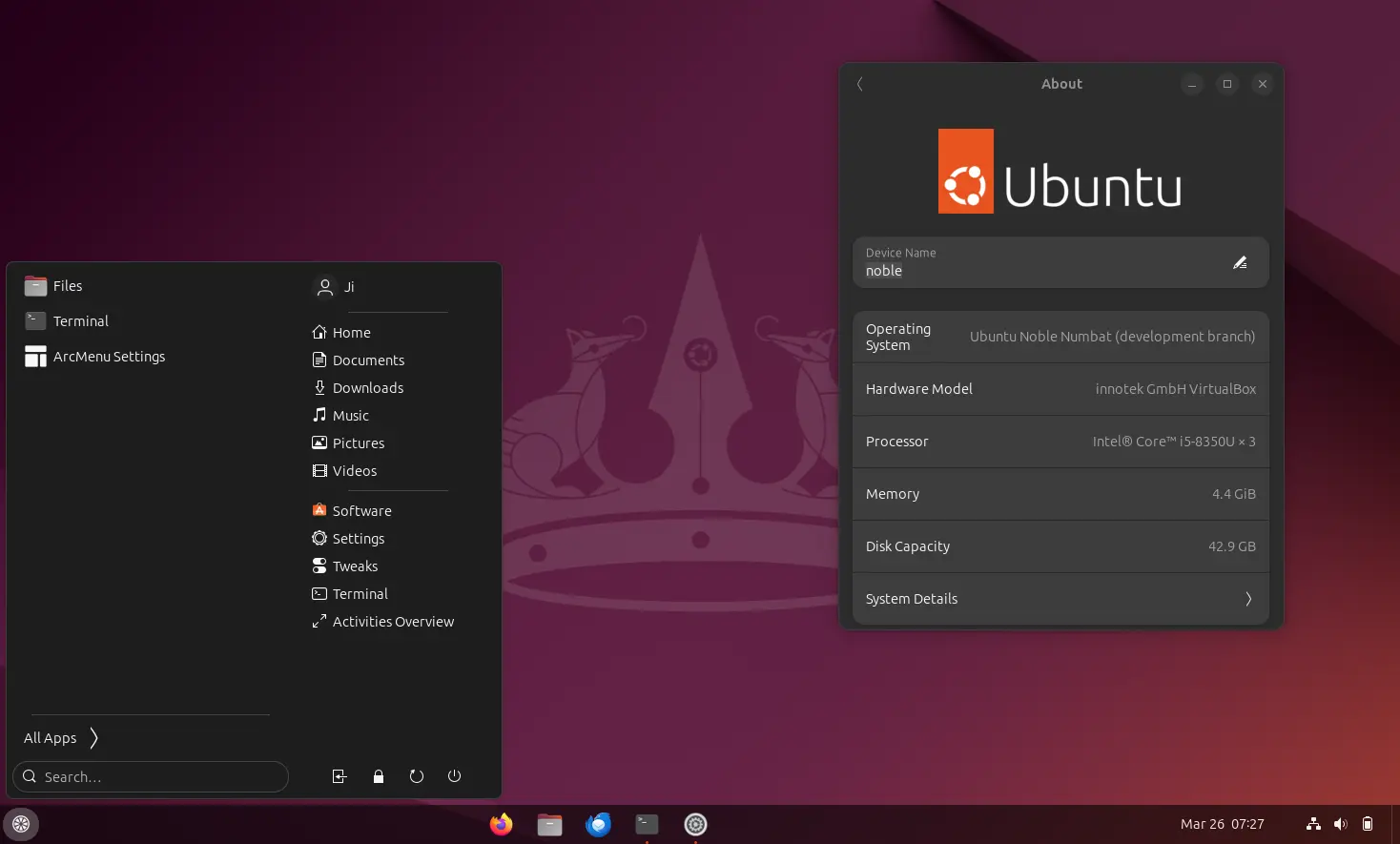
Congratulations! You should now be greeted by the fresh, modern interface of GNOME 46 running on your Linux Mint 22.04 system.
Customizing Your New GNOME 46 Experience
Having successfully installed GNOME 46, the next step is to make it truly yours. GNOME offers extensive customization options, allowing you to tailor the desktop to your specific aesthetic and workflow preferences.
Essential Configuration and Personalization
- GNOME Tweaks Tool: This is an indispensable tool for customizing GNOME. If it wasn’t installed as part of the meta-package, install it:
bash

sudo apt install gnome-tweaks -y
Launch “Tweaks” from your applications menu. Here you can:- Change Themes: Apply different GTK, Shell, and Icon themes.
- Manage Extensions: Enable, disable, and configure GNOME Shell extensions.
- Adjust Fonts: Customize fonts for the interface, documents, monospace, and legacy applications.
- Top Bar Settings: Show date, week numbers, battery percentage, etc.
- Window Titlebars: Toggle maximize/minimize buttons.
- GNOME Extensions: Extensions significantly enhance GNOME’s functionality. You can browse and install them from the GNOME Extensions website (extensions.gnome.org). You’ll need to install a browser extension (for Firefox or Chrome) and the
chrome-gnome-shellpackage:
bash

sudo apt install chrome-gnome-shell -y
Popular extensions include:- Dash to Dock/Dash to Panel: For a persistent dock or panel similar to traditional desktops.
- AppIndicator Support: To display legacy tray icons.
- Caffeine: To prevent the screen from locking or dimming.
- User Themes: Essential for applying custom Shell themes.
- Backgrounds and Appearance: Open “Settings” -> “Background” to choose a new desktop wallpaper. Explore “Appearance” settings for dark mode, accent colors, and more (these options are becoming more integrated directly into GNOME Settings).
- Dock and Dash: GNOME 46 continues to evolve its dock and dash behavior. By default, the dash (dock) appears when you enter the Activities overview. Extensions like Dash to Dock or Dash to Panel can make it permanently visible and customize its position and behavior.
Troubleshooting Common Issues and Maintaining Your System
While the installation process aims to be smooth, you might encounter minor issues:
-
Graphical Glitches/Performance Issues: If you’re running on Wayland and experience issues, try logging into the “GNOME (X.Org)” session. Ensure your graphics drivers are correctly installed and up-to-date.
-
Missing Features/Applications: If a specific GNOME application is missing, you can install it via
sudo apt install <package-name>. -
Conflicts with Mint’s Settings: Some of Linux Mint’s custom settings or applications might not integrate perfectly with GNOME. You might need to use GNOME’s native settings for certain configurations.
-
Reverting Changes: If you wish to go back to Cinnamon, you can select “Cinnamon” from the session selector at the login screen. If you want to completely remove GNOME, you would remove the GNOME packages and the PPA:
sudo apt remove ubuntu-gnome-desktop gnome-shell gnome-control-center # and any other gnome packages you installed
sudo apt autoremove
sudo add-apt-repository --remove ppa:your-gnome-46-ppa-here
sudo apt update
sudo dpkg-reconfigure lightdm # or your preferred non-GDM display manager
sudo reboot
If you used Timeshift, you can simply restore your system to the snapshot taken before the installation. This is the safest way to revert.
-
System Maintenance: Regularly update your system to receive security patches and bug fixes for both Linux Mint and GNOME components:
bash

sudo apt update

sudo apt upgrade -y

sudo apt autoremove -y
Conclusion: Embracing the Future of Linux Desktop Environments
Installing GNOME 46 on Linux Mint 22.04 is more than just a software upgrade; it’s an exploration into a different philosophy of desktop computing. It’s a testament to the flexibility and power of the Linux ecosystem, allowing users to tailor their systems not just cosmetically, but fundamentally, to their preferred way of working. This journey from Mint’s familiar Cinnamon to the modern, streamlined experience of GNOME 46 opens up new possibilities, whether it’s for enhanced productivity, aesthetic appeal, or simply the thrill of experiencing the latest in desktop technology.
By carefully following the steps outlined in this guide – from meticulous preparation and system backups to the actual installation and subsequent personalization – you can successfully bridge the gap between Linux Mint’s robust stability and GNOME 46’s cutting-edge innovation. This integration empowers you with a highly capable and visually striking desktop environment, perfectly suited for tackling contemporary digital demands. As the world of technology continues to evolve at a rapid pace, taking control of your operating system’s interface allows you to stay ahead, ensuring your digital workspace remains as efficient, secure, and enjoyable as possible. Explore, customize, and enjoy your newly modernized Linux Mint experience!
aViewFromTheCave is a participant in the Amazon Services LLC Associates Program, an affiliate advertising program designed to provide a means for sites to earn advertising fees by advertising and linking to Amazon.com. Amazon, the Amazon logo, AmazonSupply, and the AmazonSupply logo are trademarks of Amazon.com, Inc. or its affiliates. As an Amazon Associate we earn affiliate commissions from qualifying purchases.