
For the modern investor, the question “What time does the market open?” is rarely just about a clock on a wall. It is an inquiry into the start of liquidity, the commencement of price discovery, and the synchronization of global financial interests. In an era where digital platforms allow for nearly instantaneous transactions, the official “opening bell” remains the most critical pivot point of the financial day. Understanding these hours, and the nuances of what happens before and after them, is foundational to successful personal finance and institutional investing.
Understanding the Standard Trading Session in the United States
In the United States, the equity markets are governed by a standardized schedule that ensures liquidity is concentrated into a specific window. This concentration is vital because it prevents price manipulation and ensures that buyers and sellers can find each other with minimal friction.
The New York Stock Exchange (NYSE) and NASDAQ
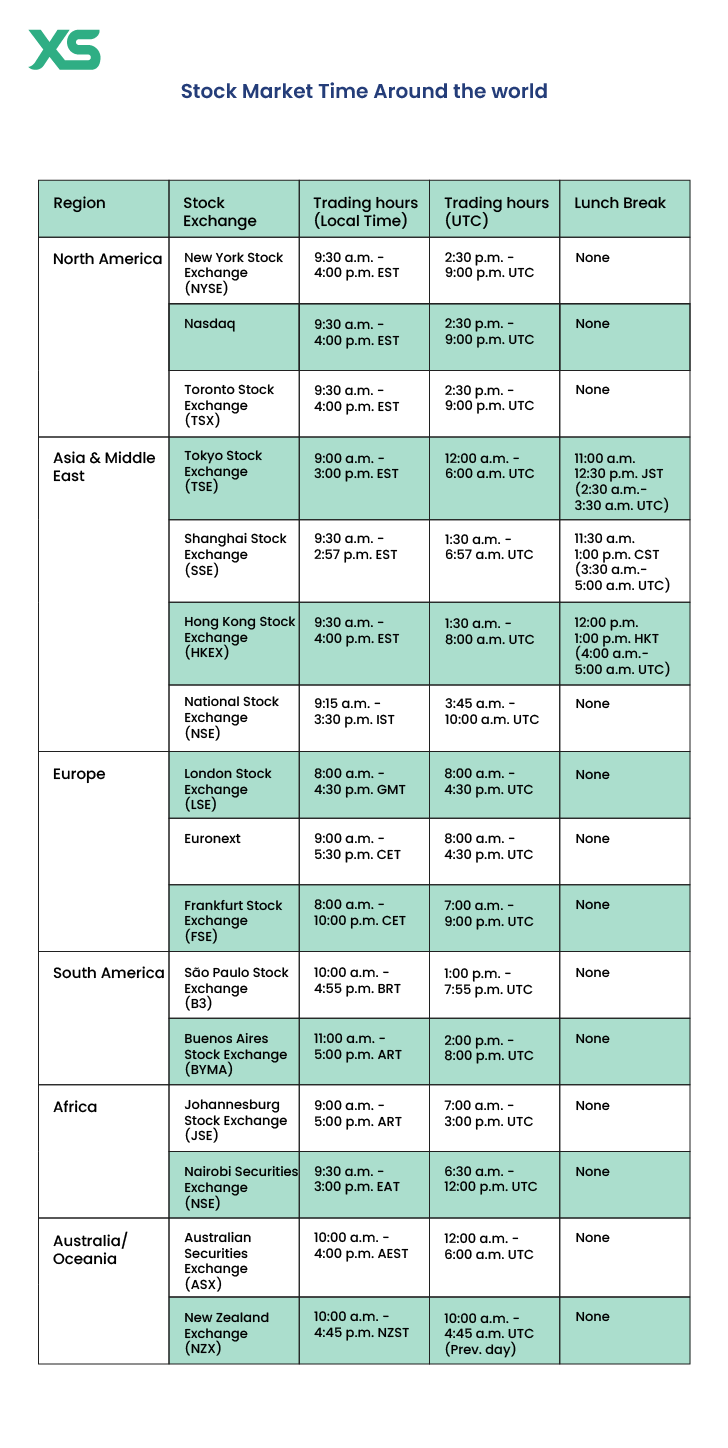
The two primary exchanges in the U.S., the New York Stock Exchange and the NASDAQ, operate on the same core schedule. The standard trading session begins at 9:30 AM Eastern Time (ET) and concludes at 4:00 PM ET. While the NYSE famously features a physical ringing of a bell on the balcony of 11 Wall Street, the NASDAQ—an all-electronic exchange—uses a digital version. Despite their different structural histories, both represent the “Regular Trading Hours” (RTH) that most retail investors interact with.
Why 9:30 AM EST Matters
The 9:30 AM opening is significant because it represents the moment when “limit orders” and “market orders” placed overnight are finally executed. This creates a massive surge in volume. For the individual investor, the first 30 minutes of the market opening are often the most volatile. This period is known for “price discovery,” where the market reacts to news that occurred overnight, such as earnings reports, geopolitical shifts, or economic data releases. Professional traders often refer to this as “the amateur hour,” as high volatility can lead to emotional decision-making.
Market Holidays and Early Closures
It is equally important to know when the market is not open. The U.S. stock market observes several federal holidays, including New Year’s Day, Martin Luther King Jr. Day, Presidents’ Day, Good Friday, Memorial Day, Juneteenth, Independence Day, Labor Day, Thanksgiving, and Christmas. Additionally, the market often has “early close” days—typically the day after Thanksgiving and Christmas Eve—where trading ends at 1:00 PM ET. Keeping a financial calendar is a prerequisite for any serious participant in the money markets.
Beyond the Bell: Pre-Market and After-Hours Trading
The traditional 9:30 AM to 4:00 PM window is merely the “lit” portion of the day. In reality, the gears of the financial world turn nearly 24 hours a day through extended-hours trading.
The Mechanics of Extended Hours
Extended-hours trading occurs on Electronic Communication Networks (ECNs), which match buyers and sellers directly without the need for a traditional exchange floor.
- Pre-Market Trading: In the U.S., this typically begins as early as 4:00 AM ET and runs until the official open at 9:30 AM.
- After-Hours Trading: This starts at 4:00 PM ET and usually continues until 8:00 PM ET.
Risks and Rewards of Trading Outside Standard Hours
While the ability to trade at 6:00 AM or 7:00 PM offers flexibility, it comes with significant caveats. The primary risk is lower liquidity. During standard hours, millions of participants are active, resulting in a “tight” bid-ask spread (the difference between what a buyer will pay and what a seller will accept). In the pre-market or after-hours, there are fewer participants, meaning the spread can widen significantly. This can lead to “slippage,” where an investor ends up paying a much higher price than anticipated.
However, the reward is the ability to react instantly to news. Most public companies release their quarterly earnings reports either before 9:30 AM or after 4:00 PM. Investors who trade during these windows can capitalize on a stock’s reaction to earnings before the general public can trade at the next opening bell.
Who Can Participate in Extended Trading?
Historically, extended-hours trading was the playground of institutional investors and hedge funds. Today, most major retail brokerages—such as Charles Schwab, Fidelity, and E*TRADE—allow retail investors to participate. However, users often have to sign a specific risk disclosure acknowledging the dangers of volatility and low liquidity inherent in these sessions.
Global Market Hours: Following the Sun

Money never truly sleeps; it simply moves from one time zone to the next. For those involved in international investing or currency trading, the “market open” is a rolling phenomenon.
Major European Markets
As the U.S. markets are winding down or in the middle of the night, Europe is in full swing. The London Stock Exchange (LSE), one of the world’s oldest and most influential, opens at 8:00 AM GMT (3:00 AM ET) and closes at 4:30 PM GMT (11:30 AM ET). Other major hubs like the Euronext Paris and the Frankfurt Stock Exchange (DAX) operate on similar schedules. For U.S.-based investors, the “overlap” period—the hours between 9:30 AM ET and 11:30 AM ET when both New York and London are open—is often the most liquid and active time for global equities and currencies.
The Asian Powerhouses
The trading day technically begins in the East. The Tokyo Stock Exchange (TSE) opens at 9:00 AM JST (7:00 PM ET). One unique aspect of many Asian markets, including the Hong Kong Stock Exchange and the Shanghai Stock Exchange, is the “lunch break.” Unlike Western markets that trade continuously, these exchanges often close for an hour or 90 minutes in the middle of the day to allow for a midday reset.
The 24-Hour Nature of Forex and Crypto
It is worth noting that while the “market” usually refers to stocks, other financial instruments operate differently. The Foreign Exchange (Forex) market operates 24 hours a day, five days a week, moving from Sydney to Tokyo to London to New York. Cryptocurrency markets, such as Bitcoin and Ethereum, represent the ultimate evolution of market access, operating 24 hours a day, 365 days a year, with no opening or closing bells whatsoever.
Strategic Timing: Why the Opening Bell Dictates Market Sentiment
Successful investing is as much about when you trade as it is about what you trade. The opening bell sets the tone for the entire financial day.
The “Opening Cross” and Initial Volatility
The first few minutes of the trading day are characterized by the “Opening Cross,” a process where the exchange’s computers calculate the optimal price to clear the maximum number of shares based on the orders accumulated overnight. This creates a “gap”—where a stock may open significantly higher or lower than it closed the previous day. For institutional traders, this is a moment of high-frequency execution. For the individual investor, it is a time to exercise caution.
Managing Risk During the First Hour
Many professional day traders follow the “30-minute rule,” where they refuse to place a trade until the market has been open for half an hour. By 10:00 AM ET, the initial “noise” of the market open has usually settled, and a clearer trend for the day begins to emerge. In personal finance, “chasing the gap” at the open is one of the most common ways new investors lose capital. Wait for the market to establish a support level before committing significant funds.
Time Zone Arbitrage and Global Economic Indicators
The timing of the market open is also influenced by economic indicators. In the U.S., major reports like the Consumer Price Index (CPI) or the Non-Farm Payrolls (NFP) report are typically released at 8:30 AM ET—exactly one hour before the market opens. This allows the pre-market to absorb the data and sets the stage for how the “big money” will move when the 9:30 AM bell rings. Understanding this sequence allows investors to anticipate market direction rather than reacting to it.
Tools and Resources for Tracking Market Activity
To navigate these hours effectively, investors must utilize the right financial tools. Relying on a standard smartphone clock is insufficient when milliseconds and time zones are at play.
Real-Time Data Providers and Economic Calendars
A professional-grade economic calendar is an essential tool for any investor. Websites like Bloomberg, Reuters, and Investing.com provide detailed countdowns to market opens and schedules for central bank meetings or earnings calls. Furthermore, ensure your brokerage provides “real-time quotes.” Many free apps have a 15-minute delay on price data; trading the market open with delayed data is a recipe for financial loss.

Leveraging Trading Platforms for Scheduled Orders
Modern trading platforms allow you to manage market hours even when you are away from your desk.
- GTC (Good ‘Til Canceled) Orders: These stay active across multiple days until they are filled or canceled.
- EXT (Extended Hours) Orders: Specifically designated for the pre-market or after-hours sessions.
- Limit Orders: Always preferred over “Market Orders” during the opening and closing minutes of the day to protect against price spikes.
By mastering the schedule of the global markets, an investor moves from a passive participant to a strategic actor. Whether you are managing a personal retirement account or seeking side income through active trading, the clock is your most consistent ally. Understanding that the market doesn’t just “open”—it breathes, reacts, and evolves according to a global schedule—is a vital step toward long-term financial mastery.
aViewFromTheCave is a participant in the Amazon Services LLC Associates Program, an affiliate advertising program designed to provide a means for sites to earn advertising fees by advertising and linking to Amazon.com. Amazon, the Amazon logo, AmazonSupply, and the AmazonSupply logo are trademarks of Amazon.com, Inc. or its affiliates. As an Amazon Associate we earn affiliate commissions from qualifying purchases.