
The allure of blazing-fast internet speeds and unparalleled reliability is undeniable. For many, fiber optic internet represents the pinnacle of home connectivity, promising a seamless experience for everything from streaming high-definition content to powering remote work and online gaming. In the United States, Verizon has emerged as a significant player in the fiber optic landscape, particularly with its Fios service. However, a common question that arises for homeowners and renters alike is a practical one: Will Verizon install fiber optic cables from the street directly to their house? The answer, as with many infrastructure-related queries, is nuanced and depends on a variety of factors.

This article will delve into the intricacies of Verizon’s fiber optic deployment strategy, exploring the conditions that determine whether your residence will receive a direct fiber connection. We’ll examine the technical requirements, the geographical considerations, and what you can do to ascertain your eligibility and even advocate for fiber expansion in your neighborhood. While Verizon’s commitment to fiber is evident, understanding the specifics of their installation process is crucial for anyone considering making the switch to a future-proof internet solution.
Understanding Verizon’s Fiber Optic Network Deployment
Verizon’s approach to fiber optic deployment is largely driven by a strategy of “Fiber to the Premise” (FTTP), often referred to as “Fiber to the Home” (FTTH). This signifies their ambition to bring fiber optic cables all the way to the individual subscriber’s dwelling, rather than relying on older technologies that utilize copper for the final leg of the connection. This direct fiber pathway is what enables the dramatic speed increases and consistent performance associated with fiber internet.
The “Last Mile” Challenge: From Street Cabinet to Your Doorstep
The critical component of this FTTP model is the “last mile” connection – the segment of the network that runs from the neighborhood street cabinet or junction box directly to your house. This is precisely where the question of Verizon’s willingness to install comes into play.
Technical Feasibility and Infrastructure:
The primary determinant of whether Verizon will install fiber directly to your house is the existing infrastructure and the technical feasibility of doing so. Verizon generally prioritizes areas where they have already invested in establishing a robust fiber optic backbone. This includes areas where they have deployed fiber to neighborhood-level distribution points.
- Existing Fiber Network Proximity: If your neighborhood or street already has Verizon’s fiber optic network infrastructure present, the likelihood of receiving a direct installation increases significantly. This means that fiber optic cables have been run to a point very close to your home, often within a few hundred feet.
- Deployment Strategy and Neighborhood Rollouts: Verizon’s fiber expansion is not a uniform, nationwide rollout happening all at once. Instead, it often occurs in phases, targeting specific neighborhoods or communities based on various factors like population density, existing infrastructure, competitive landscape, and strategic business decisions. When Verizon announces a new Fios expansion in an area, it signifies their intent to build out the necessary infrastructure to homes within that designated zone.
- Access to the Right-of-Way: The installation process involves trenching or aerial cable placement. This requires access to public and private rights-of-way. If Verizon has secured the necessary permits and agreements for these rights in your area, it facilitates their ability to run cables to individual homes.
- Type of Dwelling: The installation process can differ slightly depending on whether you live in a single-family home, a townhome, or an apartment building.
- Single-Family Homes: For detached homes, Verizon typically runs a new fiber optic cable from the nearest street cabinet directly to the exterior of your house. This cable is then brought inside through a small drilled hole to connect to your modem/router.
- Multi-Dwelling Units (MDUs): In apartment buildings or condominium complexes, the situation can be more complex. Verizon often needs to partner with building management or homeowners’ associations to gain access and install the necessary wiring within the building. While the ambition is still FTTP, the pathway to individual units might involve shared risers and internal building distribution systems. In some cases, particularly with older buildings, the cost and complexity of retrofitting can lead to delays or limited availability.
Navigating the Availability Check and Installation Process
The most direct way to answer the question of whether Verizon will install fiber to your house is to check for service availability. Verizon provides tools to do precisely this.
Checking Your Address for Verizon Fios Availability
- Verizon’s Website: The primary resource is Verizon’s official Fios website. Here, you will find an address checker. By entering your street address, Verizon’s system can determine if your location is within an area where Fios service is currently available and if direct fiber optic installation is possible.
- Customer Service: If the online checker is inconclusive or you have specific questions about your property, contacting Verizon’s customer service directly is a good next step. They can often provide more detailed information or put you on a notification list if your area is slated for future expansion.
- Door-to-Door Inquiries (During Expansion): During new fiber deployment phases, Verizon or their authorized contractors might conduct door-to-door surveys to gauge interest and assess installation feasibility. While not a guarantee, this can be an indicator of impending service.
The Installation Journey: What to Expect
If your address is confirmed to be eligible for Verizon Fios, the installation process is generally standardized, though minor variations can occur.
- Site Survey (Optional but Recommended): In some instances, especially for new builds or complex properties, a technician might conduct a preliminary site survey to plan the optimal route for the fiber cable.
- The Installation Appointment: Once you schedule your installation, a Verizon technician will arrive at your home. They will typically bring the necessary equipment, including the fiber optic cable, connectors, and the Fios equipment (ONT – Optical Network Terminal, and router/gateway).
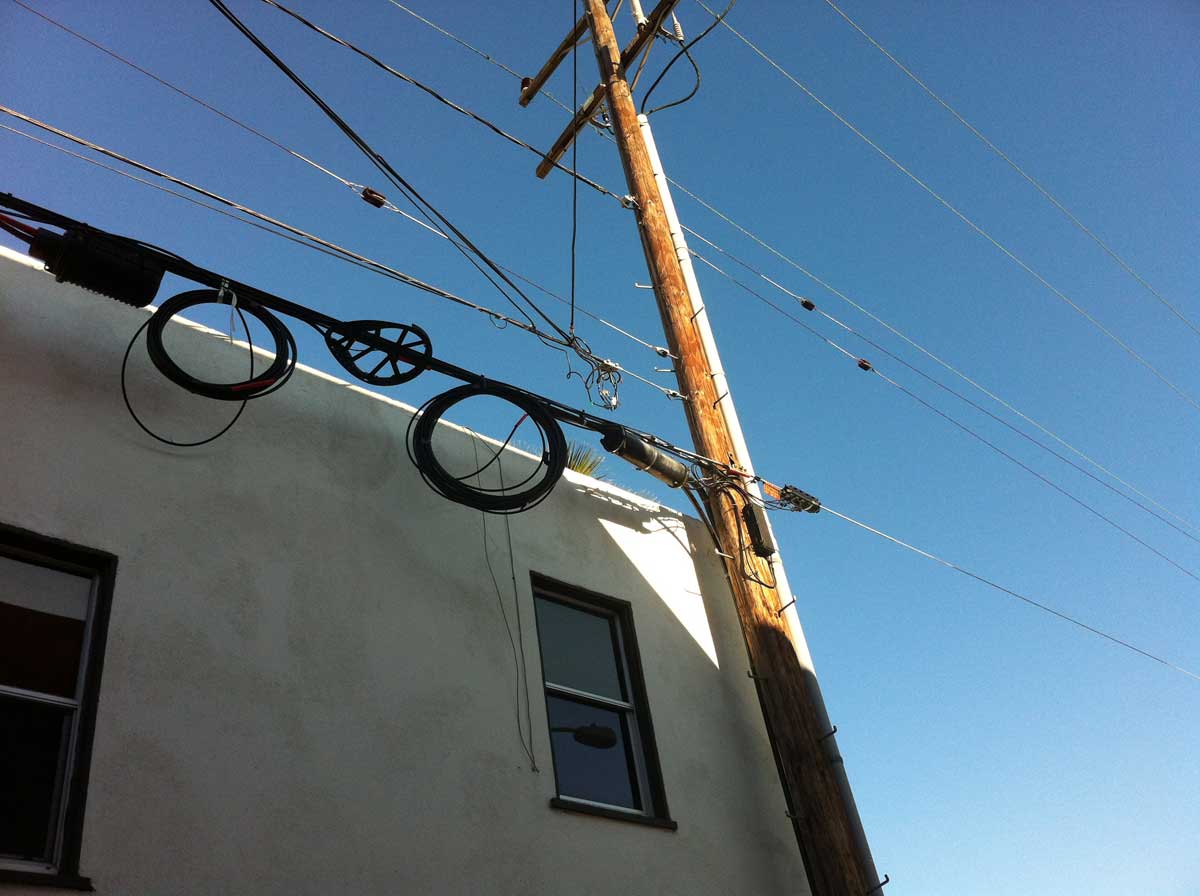
- Exterior Work: The technician will identify the best location to bring the fiber into your home. This usually involves drilling a small hole through an exterior wall. The fiber optic cable is then carefully routed from the nearest network access point (e.g., a buried pedestal or aerial strand) to this entry point.
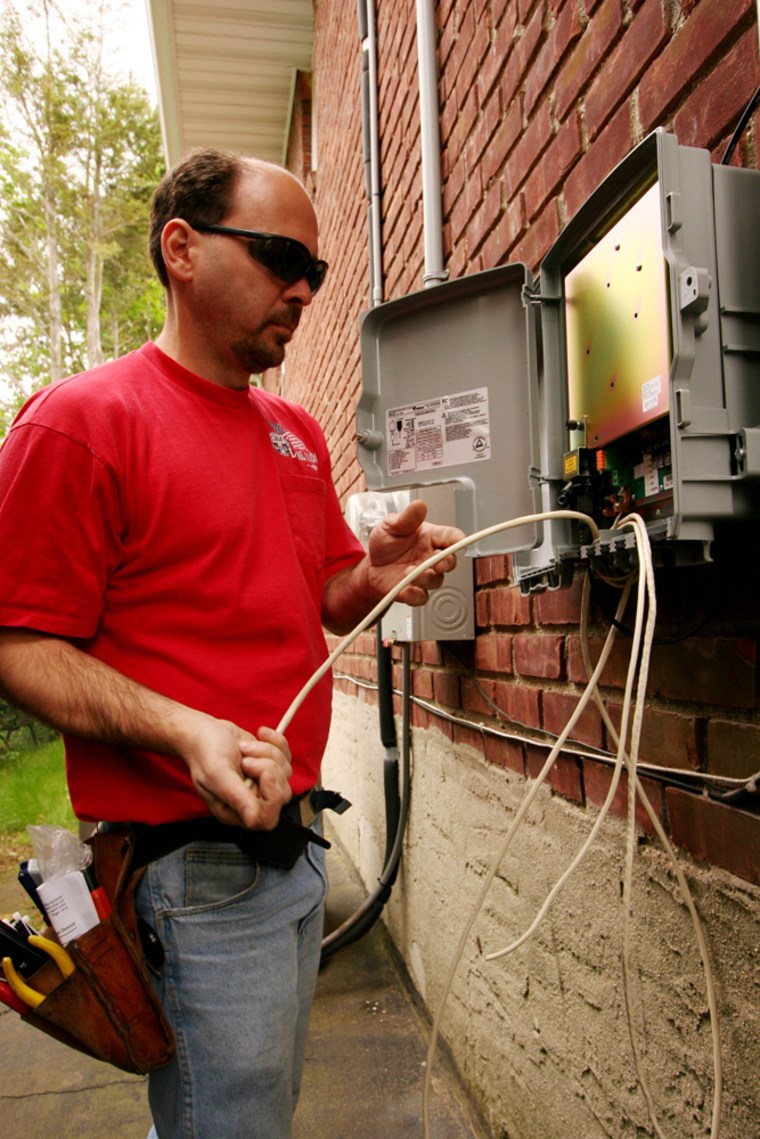
- Interior Setup: Inside your home, the technician will connect the fiber optic cable to the ONT. The ONT is the device that converts the optical signal into an electrical signal that your router can understand. The router is then connected to the ONT, providing your home with Wi-Fi and wired internet access.
- Testing and Activation: The technician will thoroughly test the connection to ensure it’s functioning correctly and delivering the speeds you’ve subscribed to. They will also help you set up your Wi-Fi network and answer any initial questions.
- Clean-up: Verizon technicians are generally expected to perform a reasonable clean-up of their work area.
Important Considerations for the Installation:
- Accessibility: Ensure the technician has clear access to the exterior of your home and the intended entry point. This might involve clearing away landscaping or obstructions.
- Placement of Equipment: You can usually discuss the preferred location for your ONT and router with the technician. Consider where you want your Wi-Fi to be strongest and where you have electrical outlets.
- Homeowner Association (HOA) / Landlord Approval: If you live in a community with an HOA or rent your property, you may need to obtain permission for the exterior cable installation. Verizon typically handles the necessary permits for public rights-of-way, but internal building modifications might require separate approvals.
Factors Influencing Verizon’s Fiber Expansion Decisions
Verizon’s decision to extend its fiber optic network into a new area is a significant investment. Several key factors influence where and when they choose to deploy. Understanding these can provide insight into the broader strategy behind their Fios expansion.
Economic and Demographic Considerations
- Population Density and Household Penetration: Generally, Verizon prioritizes areas with higher population density and a greater number of potential households to serve. This allows them to achieve a better return on their infrastructure investment. Densely populated urban and suburban areas are often prime targets.
- Income Levels and Consumer Demand: While fiber is becoming increasingly accessible, areas with a higher average household income may represent a stronger market for premium internet services like Fios. Furthermore, demonstrated consumer demand, often gauged through surveys, pre-registration interest, and competitive analysis, plays a crucial role.
- Competitive Landscape: Verizon’s expansion decisions are also influenced by the presence and performance of competing internet service providers. In areas with limited high-speed options, Verizon may see a greater opportunity to capture market share. Conversely, in highly competitive markets, they might strategize their fiber rollouts to gain an advantage.
Infrastructure and Geographic Challenges
- Existing Infrastructure and Rights-of-Way: As mentioned earlier, the presence of existing fiber infrastructure significantly eases deployment. However, even in areas without existing fiber, Verizon evaluates the feasibility of building out new infrastructure. This includes securing rights-of-way for trenching underground cables or attaching aerial cables to existing utility poles.
- Geographic Terrain and Environmental Factors: The physical characteristics of the land can impact installation costs and timelines. Difficult terrain, dense forests, or areas prone to natural disasters might require more complex and expensive deployment strategies.
- Utility Pole Access: For aerial installations, Verizon needs agreements with utility companies to use existing poles. Delays in securing these agreements can slow down the deployment process.
- Underground vs. Aerial Deployment: Verizon utilizes both underground and aerial methods for fiber deployment. Underground installations are often preferred for their aesthetics and resilience but can be more costly and time-consuming due to trenching. Aerial installations are generally quicker and less expensive but can be more susceptible to weather damage and visual clutter. The choice between the two often depends on local regulations, existing infrastructure, and cost-effectiveness.
Regulatory and Community Factors
- Local Government Regulations and Permits: Obtaining permits from local municipalities is a critical step in any infrastructure project. Verizon must comply with various zoning laws, permit requirements, and environmental regulations, which can vary significantly from one jurisdiction to another. Streamlined permitting processes can accelerate deployment.
- Community Support and Advocacy: In some instances, strong community support and advocacy from residents can influence Verizon’s deployment decisions. If a neighborhood collectively expresses a desire for fiber internet and demonstrates potential demand, it can incentivize Verizon to prioritize that area.
- Franchise Agreements: In certain areas, Verizon may need to negotiate franchise agreements with local governments to operate and install its network. These agreements can outline terms of service, deployment obligations, and financial considerations.
Maximizing Your Chances and Staying Informed
While Verizon’s deployment strategy is complex, there are proactive steps you can take to increase your chances of getting fiber and to stay informed about potential availability.
How to Advocate for Fiber in Your Neighborhood
- Express Your Interest: The most direct way to signal demand is to actively express your interest in Verizon Fios. This can be done through Verizon’s website by checking availability and potentially signing up for notifications about future expansion.
- Gather Community Support: If you’re part of a neighborhood or homeowners’ association, encourage your neighbors to also check availability and express interest. A collective voice can be more impactful.
- Engage Local Representatives: Contact your local elected officials (city council members, mayors) and express your desire for better internet infrastructure. They can sometimes advocate on behalf of their constituents to service providers and influence local permitting processes.
- Participate in Community Forums: Attend local town hall meetings or community forums where infrastructure and technology are discussed. This can be an opportunity to voice your needs and understand local development plans.
Staying Updated on Verizon Fios Expansion
- Verizon’s Fios Website: Regularly check the Verizon Fios website for updates on new service areas. They often have sections dedicated to upcoming expansions or news releases.
- Local News and Community Websites: Keep an eye on local news outlets and community-specific websites, as they often report on major infrastructure projects, including fiber optic deployments.
- Social Media and Online Forums: Join online communities or follow social media accounts that discuss internet service providers and technology. Users often share information about availability in their areas.
- Sign Up for Notifications: When checking your address on Verizon’s Fios website, look for an option to sign up for email notifications. This is a direct way to be alerted when service becomes available at your address.
In conclusion, whether Verizon will install fiber optic cables from the street to your house hinges on a confluence of technical, geographical, economic, and regulatory factors. While Verizon is actively expanding its Fios network, the process is methodical. By understanding the criteria that influence their decisions and by actively engaging with the availability checking process and community advocacy, you can better position yourself to benefit from the high-speed, reliable connectivity that fiber optics offer. The future of internet is fiber, and with a bit of research and proactive engagement, you might just find that future arriving at your doorstep sooner than you think.
aViewFromTheCave is a participant in the Amazon Services LLC Associates Program, an affiliate advertising program designed to provide a means for sites to earn advertising fees by advertising and linking to Amazon.com. Amazon, the Amazon logo, AmazonSupply, and the AmazonSupply logo are trademarks of Amazon.com, Inc. or its affiliates. As an Amazon Associate we earn affiliate commissions from qualifying purchases.