
For many modern travelers, the allure of a cruise vacation lies in its promise of simplicity—a floating resort that transports you from one exotic locale to another while you sleep. However, from a personal finance perspective, the question “How much is a cruise?” is far more complex than a single sticker price. To truly understand the financial commitment required, one must look past the flashy advertisements and delve into the nuances of tiered pricing, hidden line items, and the strategic timing of the travel market.
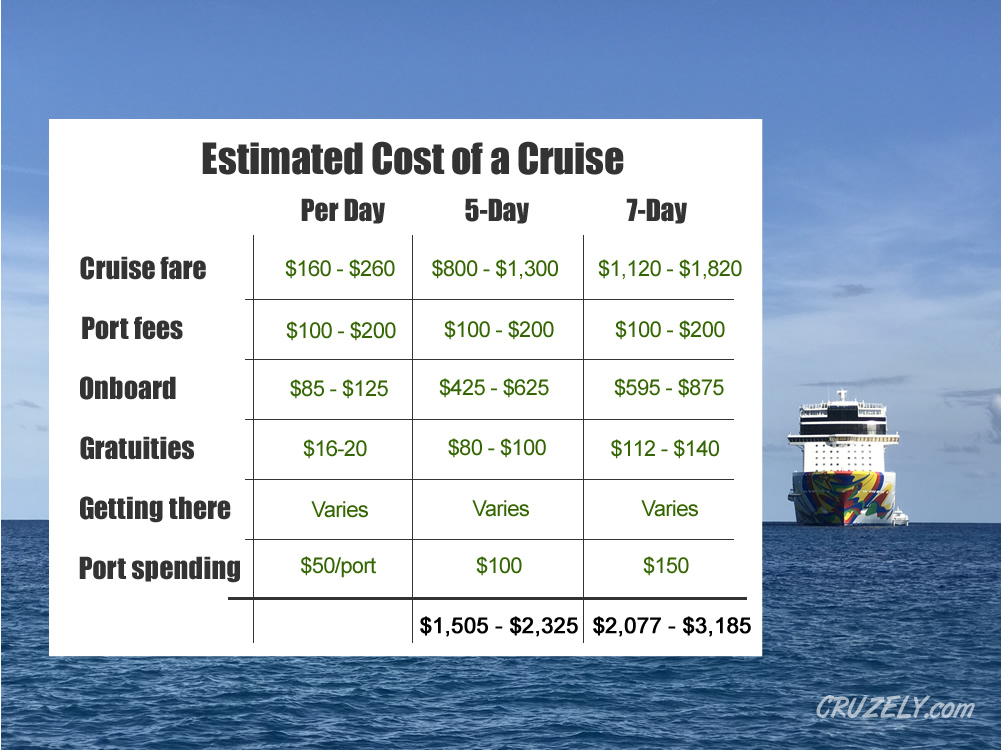
In this guide, we will break down the economics of cruising into manageable financial categories, ensuring that your next voyage is an investment in memories rather than a source of fiscal stress.
The Anatomy of the Base Fare: Understanding Initial Capital Outlay
When you begin your search for a cruise, the first numbers you encounter are often the “lead-in” prices. In the world of personal finance, these should be viewed as the “base capital” required for entry, but they rarely represent the total cost of ownership (TCO) for the vacation.
Per Person, Double Occupancy: The Financial Fine Print
The most important financial nuance to understand is that cruise pricing is almost universally based on “per person, double occupancy.” If a cruise is advertised at $599, the cruise line expects a minimum of $1,198 for the cabin. For solo travelers, this often triggers a “single supplement” fee, which can be as high as 100% of the second person’s fare. From a budgeting standpoint, solo travelers must prepare to pay nearly double the advertised rate unless they find a ship with specific studio cabins designed for individuals.
The Tiered Pricing Model: From Interior to Suite
Cruise lines utilize a sophisticated tiered pricing structure that mirrors real estate markets.
- Interior Cabins: These are the “entry-level assets.” They offer the lowest price point and the best value for those who plan to spend minimal time in their rooms.
- Oceanview and Balcony: These represent a mid-tier investment, offering more “square footage” and aesthetic value.
- Suites and Luxury Enclaves: These are the high-net-worth options, often including concierge services, private decks, and all-inclusive perks. When calculating your budget, determine if the “amenity value” of a suite outweighs the significant price jump, which can often be 3x to 5x the cost of an interior cabin.
The “Ghost” Expenses: Budgeting for What’s Not on the Invoice
One of the biggest pitfalls in travel budgeting is failing to account for “ancillary spend.” On a cruise, the base fare covers your room and standard meals, but the secondary costs can easily swell your final bill by 30% to 50% if not managed correctly.
Port Fees, Taxes, and Mandatory Gratuities
The price you see on an aggregator website often excludes government taxes and port fees. Depending on the itinerary—such as the Panama Canal or Alaska—these fees can add an additional $150 to $400 per person.
Furthermore, most major cruise lines automatically add “daily gratuities” or service charges to your onboard account. These usually range from $16 to $20 per person, per day. For a family of four on a seven-night cruise, this is a non-negotiable $500 expense that must be factored into your liquid cash reserves before you even leave the dock.
Onboard Revenue Centers: Connectivity and Sustenance
Cruise lines are masters of “upselling.” While the buffet is free, specialty dining (steakhouses, sushi bars, or French bistros) typically carries a cover charge of $35 to $90 per person.
- Wi-Fi Packages: Staying connected at sea is an expensive utility. Expect to pay $20 to $30 per day for high-speed access.
- Beverage Packages: This is a major financial decision. If you consume multiple alcoholic or premium coffee drinks daily, a “drink package” (often $60–$100 per day) might offer a better Return on Investment (ROI) than paying per drink. However, if you are a light drinker, these packages can become a sunk cost that ruins your budget.
Strategic Market Timing: When to Invest in Your Ticket
Just like the stock market, cruise pricing is subject to volatility based on supply, demand, and seasonal cycles. Mastering the timing of your purchase is the most effective way to lower your total expenditure.
Wave Season and Early-Bird Advantages
“Wave Season” typically runs from January through March. During this period, cruise lines offer their most aggressive promotions to fill ships for the coming year. These deals often include “value-adds” such as free Wi-Fi, beverage packages, or onboard credit.
Alternatively, booking 12 to 18 months in advance allows you to lock in lower rates before a ship reaches high occupancy. From a cash-flow perspective, booking early also allows you to pay off the cruise in installments, effectively creating an interest-free “layaway” plan for your vacation.
Last-Minute Bookings and Shoulder Seasons
For those with high flexibility and low “opportunity cost” regarding their time, booking within 90 days of departure can yield massive savings. When ships have unsold inventory, prices drop significantly to ensure the vessel sails at capacity.
Similarly, cruising during “shoulder seasons”—such as the Caribbean in September (hurricane season) or Alaska in May—can reduce costs by 40% compared to peak summer or holiday weeks. While the weather risk is higher, the financial discount is a powerful incentive for the budget-conscious traveler.
Financial Tools and Risk Management for Cruisers
A comprehensive financial plan for a cruise should involve more than just saving for the fare; it requires utilizing the right financial instruments to protect your investment and maximize rewards.
Leveraging Travel Rewards and Credit Card Strategy
Many savvy travelers use specific credit cards to offset the cost of their cruise. Co-branded cruise credit cards offer points that can be redeemed for onboard credit or fare discounts. However, general travel cards (like those offering “flexible points”) often provide better value and higher redemption rates. Using a card with no foreign transaction fees is also essential, as many onboard purchases or port-of-call transactions could otherwise incur a 3% surcharge.
The ROI of Travel Insurance
In any large financial undertaking, risk management is key. A cruise represents a significant pre-paid expense. If a medical emergency or a flight delay causes you to miss the ship, you stand to lose 100% of your investment.
Professional financial planners often suggest “Cancel for Any Reason” (CFAR) insurance for high-cost cruises. While this adds 7% to 10% to your total cost, it protects your capital against unforeseen disruptions, ensuring that a single stroke of bad luck doesn’t result in a total financial loss.
Shore Excursions: Third-Party vs. Cruise Line
Shore excursions are a major profit center for cruise lines. Booking a “snorkeling tour” through the ship might cost $150, whereas the same tour booked directly with a local vendor might be $85. While the ship-sponsored tour offers the “insurance” that the ship won’t leave without you if the tour is late, the price premium is steep. For those looking to optimize their spending, researching reputable third-party excursion companies is an excellent way to reduce the “cost per experience” during your trip.
Conclusion: The Bottom Line on Cruise Costs
So, how much is a cruise? For a standard 7-night Caribbean sailing on a contemporary line (like Royal Caribbean or Carnival), a realistic budget should look something like this:
- Base Fare: $700 – $1,200 per person.
- Taxes and Gratuities: $250 – $350 per person.
- Onboard Spending/Excursions: $400 – $700 per person.
- Total Realistic Budget: $1,350 – $2,250 per person.
By viewing a cruise through the lens of a financial project—analyzing base costs, accounting for hidden liabilities, and timing the market—you can enjoy the luxury of the open sea without the “financial hangover” that often follows a poorly planned vacation. Cruising offers an incredible value proposition, provided you approach it with the same discipline you apply to the rest of your financial life.
aViewFromTheCave is a participant in the Amazon Services LLC Associates Program, an affiliate advertising program designed to provide a means for sites to earn advertising fees by advertising and linking to Amazon.com. Amazon, the Amazon logo, AmazonSupply, and the AmazonSupply logo are trademarks of Amazon.com, Inc. or its affiliates. As an Amazon Associate we earn affiliate commissions from qualifying purchases.