
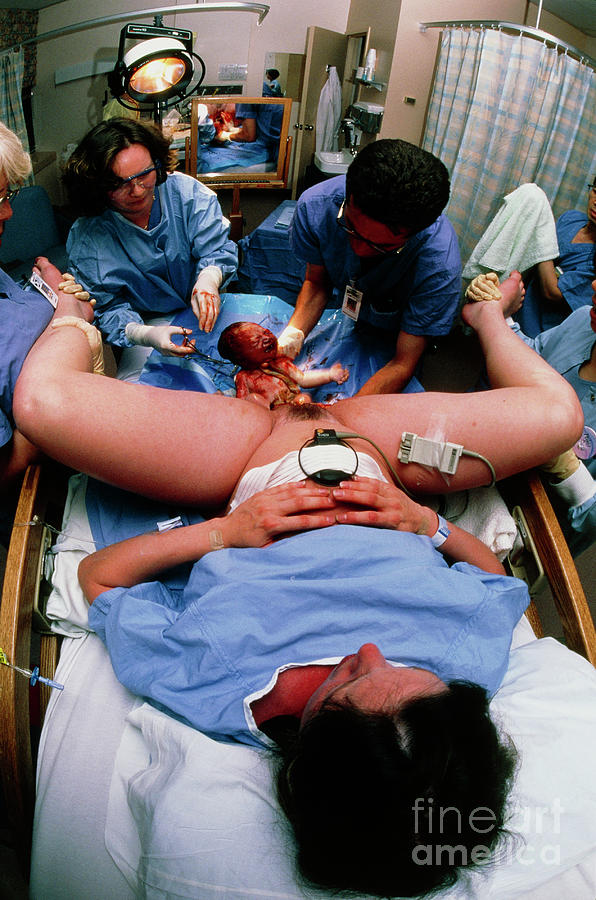
For decades, the visual representation of childbirth was limited to grainy, black-and-white 2D ultrasound snapshots or the frantic, low-fidelity depictions seen in medical dramas. However, as we move deeper into the decade, the question of “what does childbirth look like” is being answered not just by biology, but by high-definition technology, artificial intelligence, and sophisticated data visualization.
In the modern medical landscape, childbirth is being redefined through a digital lens. From the first heartbeat detected via high-frequency sensors to the final moments of delivery monitored by predictive algorithms, the “look” of childbirth is increasingly characterized by precision, transparency, and real-time data integration. This technological shift is not merely aesthetic; it is revolutionizing maternal outcomes, enhancing surgical precision, and democratizing the birthing experience through immersive software.
From Grainy Screens to 4D Reality: The Evolution of Prenatal Imaging
Historically, the “look” of a developing fetus was a Rorschach test of gray pixels. Today, advancements in diagnostic imaging have turned the womb into a high-definition studio, providing clinicians and parents with unprecedented clarity.
The Rise of HD Live and 4D Ultrasound Software
Modern ultrasound technology has moved far beyond static images. The introduction of “HD Live” and 4D ultrasound software uses advanced light-rendering techniques to create life-like images of the fetus. This software calculates the depth and shadows of the uterine environment, allowing doctors to see the texture of the skin, the movement of the heart valves, and even facial expressions in real-time. This level of detail is critical for the early detection of structural anomalies, such as cleft palates or cardiac defects, which might have been missed on older hardware.
MRI and the Mapping of the Pelvic Floor
While ultrasound remains the standard, Magnetic Resonance Imaging (MRI) is increasingly used to visualize the “mechanics” of childbirth. Specialized software can now create a 3D reconstruction of a mother’s pelvic anatomy. This allows obstetricians to perform a “digital trial of labor,” simulating how the fetal head will navigate the birth canal. By visualizing these spatial constraints before labor begins, surgeons can better predict the necessity of a Cesarean section, making the process safer and more predictable.
AI-Enhanced Diagnostic Clarity
Artificial Intelligence is now being integrated directly into imaging hardware. AI algorithms can automatically measure fetal biometrics—such as head circumference and femur length—with a higher degree of accuracy than the human eye. By reducing human error in these measurements, the technology ensures that growth restrictions or over-growth (macrosomia) are identified early, directly influencing the management of the delivery process.
The Data-Driven Delivery Room: IoT and Wearable Monitoring
When we ask what childbirth looks like today, the answer includes a sophisticated ecosystem of interconnected devices. The delivery room has transformed into a hub of the Internet of Medical Things (IoMT), where every contraction and heartbeat is translated into a stream of actionable data.
Wireless Fetal Monitoring and Telemetry
The traditional image of a laboring woman “tethered” to a bedside monitor by thick wires is becoming obsolete. New wearable sensor patches, such as those utilizing electromyography (EMG), stick to the abdomen and transmit data via Bluetooth to a centralized monitor. This technology allows for “ambulatory labor,” where the mother can move, walk, or use a birthing ball while the medical team receives a continuous, high-fidelity stream of fetal heart rate and uterine activity data.
Intelligent Contraction Tracking
Software is also changing how we interpret labor progress. Traditional monitors often struggle to distinguish between maternal heart rates and fetal heart rates, especially during the second stage of labor. Modern digital signal processing (DSP) can now filter out “noise” to provide a crystal-clear picture of fetal distress. Advanced software platforms can analyze the frequency, duration, and intensity of contractions, plotting them against “Partograph” digital templates to alert nurses the moment a labor pattern deviates from the norm.
Remote Monitoring and the Hybrid Clinic
The “look” of childbirth now extends beyond the hospital walls. Remote patient monitoring (RPM) tools allow high-risk patients to track their blood pressure and fetal movements from home. This data is synced to a cloud-based dashboard viewed by the obstetric team. In many ways, the “delivery” starts weeks early on a digital dashboard, where trends are monitored to determine the optimal timing for induction or intervention.
Immersive Frontiers: VR, AR, and the Digital Psychology of Labor
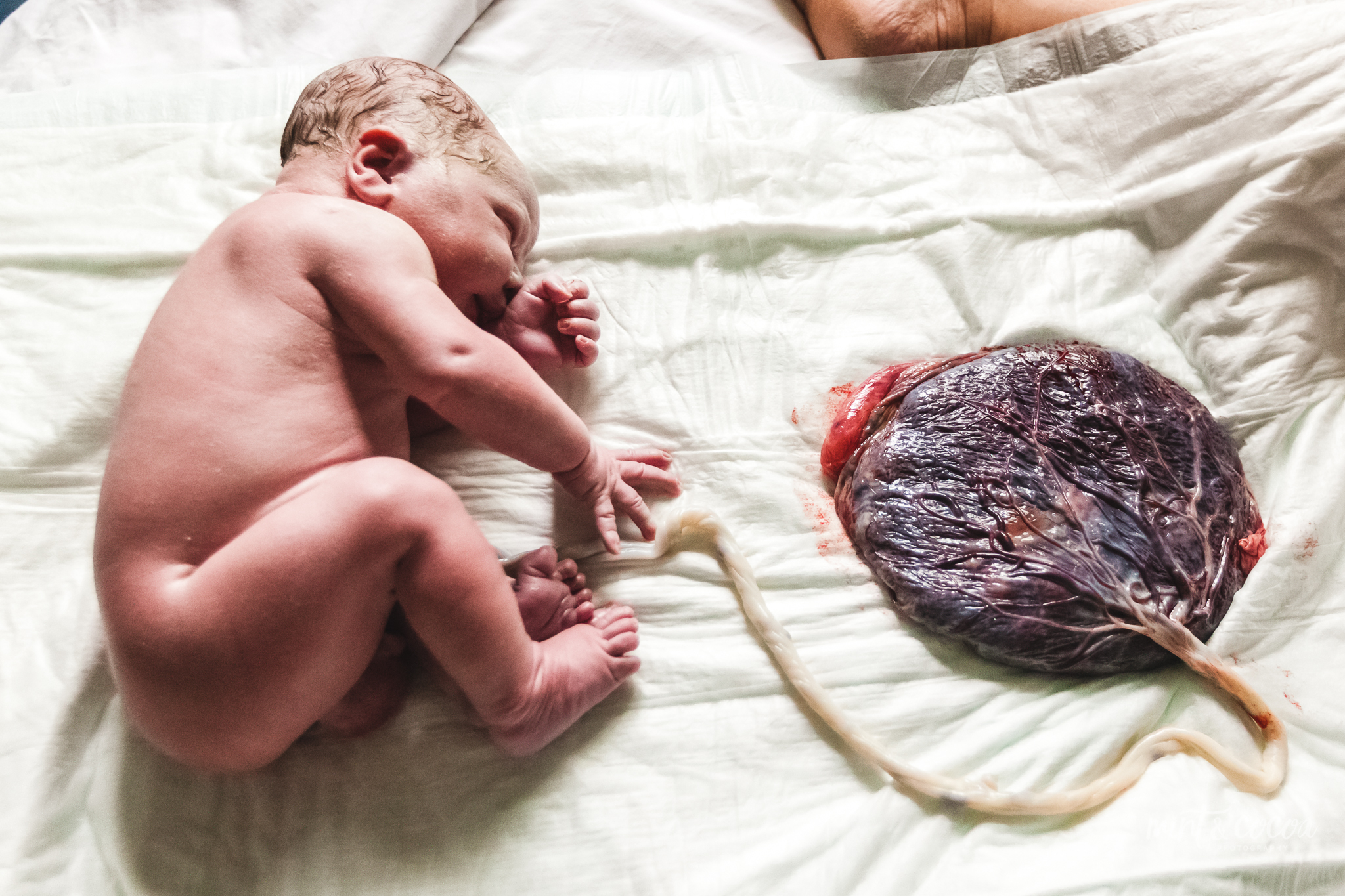
The visual experience of childbirth is also being reshaped for the mother through immersive technologies. Virtual Reality (VR) and Augmented Reality (AR) are moving from the gaming world into the labor ward to manage pain and provide education.
Therapeutic VR for Pain Management
What childbirth “looks like” for the mother can now be a serene alpine landscape or a calming underwater scene. VR headsets are being used as a non-pharmacological alternative to epidurals or as a supplement to them. By engaging the brain’s visual and auditory cortex with immersive software, VR effectively “distracts” the nervous system, reducing the perception of pain signals. Studies have shown that women using VR during early labor report lower anxiety levels and a more positive perception of the birth experience.
Augmented Reality in Surgical Training
For the medical team, AR provides a “heads-up” display of vital information. In complex delivery scenarios, such as a shoulder dystocia or an emergency C-section, AR glasses can overlay ultrasound images or vital signs directly onto the surgeon’s field of vision. This allows the doctor to keep their eyes on the patient while simultaneously viewing the fetal heart rate or the exact positioning of the infant within the womb. This integration of digital data into the physical environment is a hallmark of the modern high-tech birth.
Digital Simulation and Patient Education
Before ever stepping foot in a delivery room, many parents now use 3D walkthroughs and VR simulations to understand the stages of labor. These tools provide a realistic “look” at what to expect, from the placement of medical equipment to the visual cues of different labor positions. By demystifying the environment through tech, hospitals are seeing a reduction in patient stress and an increase in informed consent.
The Algorithmic Birth: Predictive Analytics and AI Intervention
Perhaps the most significant change in what childbirth looks like is the move from reactive medicine to predictive medicine. We are entering an era where software can predict a complication before it physically manifests.
Early Warning Systems (EWS)
Hospitals are now utilizing sophisticated software layers that sit on top of Electronic Health Records (EHR). These algorithms monitor “triggers”—such as a slight spike in maternal heart rate combined with a drop in oxygen saturation—that may be invisible to a busy nursing staff. These Early Warning Systems can predict the onset of postpartum hemorrhage or preeclampsia hours before the clinical symptoms become critical. In this context, childbirth “looks” like a series of green, yellow, and red status indicators on a central station monitor, allowing for preemptive life-saving interventions.
Genomic Integration and Personalized Care
The future of childbirth technology also involves the integration of genomic data into the birthing plan. By analyzing a mother’s genetic markers, AI can predict how she will metabolize certain anesthetics or her risk of developing gestational diabetes. This level of personalized “precision obstetrics” ensures that the pharmacological and surgical approach to birth is tailored to the individual’s unique biological code.
The Automation of Documentation
One of the less glamorous but equally vital aspects of the “tech-driven” birth is the automation of medical records. Natural Language Processing (NLP) tools are being developed to listen to the dialogue in the delivery room and automatically transcribe the timeline of events. This ensures that the medical team can remain focused on the mother and child, rather than a computer screen, while still maintaining a perfect digital record of the birth for future medical reference.
Cybersecurity and Ethics in the Digital Nursery
As childbirth becomes increasingly digitized, the “look” of the experience also includes the invisible infrastructure of cybersecurity. With sensitive health data and live video feeds being transmitted across hospital networks, the protection of this data is paramount.
Data Privacy in Neonatal Care
The modern nursery often includes webcams for parents to monitor newborns in the NICU. While this provides comfort, it necessitates robust end-to-end encryption to prevent unauthorized access. The intersection of tech and birth requires a rigorous ethical framework to ensure that the “digital footprint” of a child begins with security and privacy.
The Human-Tech Balance
Ultimately, while childbirth through the lens of technology is a world of sensors, screens, and software, the industry’s goal remains centered on the human element. The most successful technologies are those that fade into the background, providing a safety net of data while allowing the physical and emotional reality of birth to take center stage.

Conclusion: The Future Aesthetic of Birth
So, what does childbirth look like? In the 21st century, it looks like a high-tech fusion of biological miracle and digital mastery. It is a world where 4D images provide the first family portraits, where wearable sensors allow for freedom of movement, and where AI stands watch as a silent guardian against complications. By leveraging these technological trends, we are not just changing how birth looks; we are fundamentally improving how it is experienced, making it safer, more transparent, and more connected than ever before.
aViewFromTheCave is a participant in the Amazon Services LLC Associates Program, an affiliate advertising program designed to provide a means for sites to earn advertising fees by advertising and linking to Amazon.com. Amazon, the Amazon logo, AmazonSupply, and the AmazonSupply logo are trademarks of Amazon.com, Inc. or its affiliates. As an Amazon Associate we earn affiliate commissions from qualifying purchases.