
In the world of commerce, the term “characterized” takes on a significance that goes far beyond a simple dictionary definition. While the literal meaning of the word involves describing the distinctive nature or features of something, in the context of brand strategy, it refers to the deliberate process of imbuing a business with a specific personality, set of values, and recognizable traits. To ask “what does characterized mean” in a branding sense is to ask: “What makes this brand human?”
Successful branding is not merely about selling a product or service; it is about creating a character that resonates with a target audience. When a brand is effectively characterized, it ceases to be a faceless corporation and becomes a living entity with which consumers can form an emotional bond. This article explores the depths of brand characterization, examining how it shapes identity, influences perception, and drives long-term business growth.
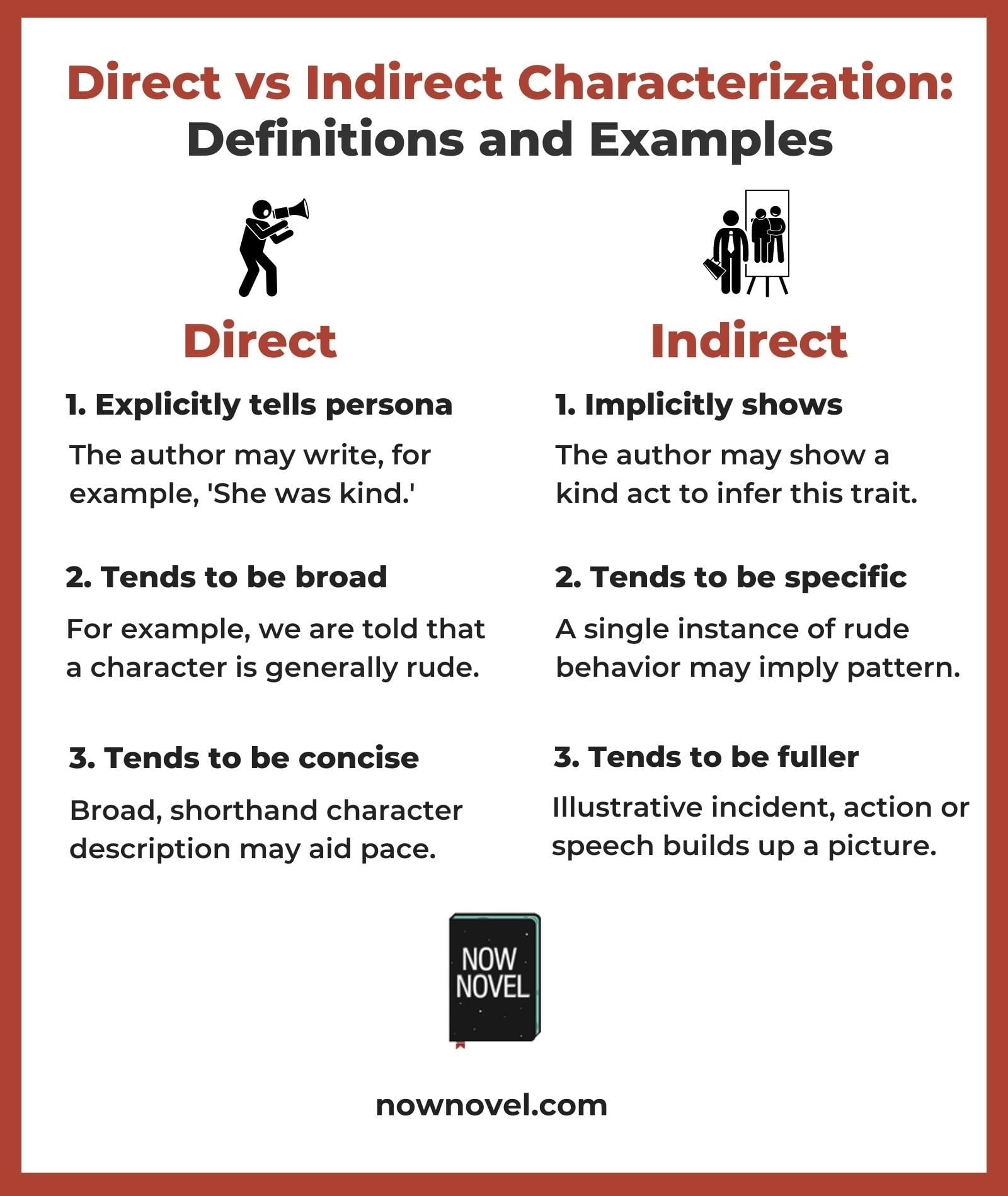
Understanding Characterization: The Foundation of Brand Identity
At its core, brand characterization is the strategic construction of a brand’s DNA. It is the architectural phase of brand building where the “soul” of the business is defined. Without a clear character, a brand is nothing more than a generic commodity, easily replaced by a cheaper or more convenient alternative.
Defining the Core Attributes
To characterize a brand, one must first identify its core attributes. These are the non-negotiable pillars upon which the brand stands. Are you characterized by innovation and disruption, or by tradition and reliability? Are you the “everyman” brand that is accessible to all, or the “exclusive” brand that represents the pinnacle of luxury? These attributes serve as the adjectives that describe your brand in the minds of the public. Defining these early ensures that every marketing campaign, product design, and customer interaction is aligned with a singular, cohesive identity.
Moving Beyond Visuals to Personality
Many mistakenly believe that a brand is characterized solely by its logo, color palette, or typography. While these visual elements are essential tools for communication, they are merely the “clothing” the character wears. The true characterization lies in the personality behind the visuals. This includes the brand’s stance on social issues, its sense of humor (or lack thereof), and its approach to problem-solving. A brand characterized by “boldness” will use different language and take different risks than one characterized by “empathy.” Characterization is what gives a brand its voice.
How Your Brand is Characterized by the Audience
It is a fundamental truth in marketing that a brand is not what you say it is, but what they say it is. While a company can attempt to control its narrative, the ultimate characterization happens in the mind of the consumer. This creates a fascinating dynamic between brand intent and audience perception.
The Role of Brand Perception
Every touchpoint—from a social media post to the way a customer service representative answers the phone—contributes to how a brand is characterized by the public. If a brand claims to be “customer-centric” but has a cumbersome return policy, the audience will characterize it as “hypocritical” or “unreliable.” Perception is the filter through which all brand actions are viewed. Therefore, strategic characterization requires a deep understanding of psychology and sociology to ensure that the intended message aligns with the audience’s lived experience.
Consistency as the Key to Character
In literature, a character is believable only if their actions are consistent with their traits. The same applies to branding. If a brand is characterized by “premium quality,” it cannot suddenly release a low-budget, poorly constructed product without damaging its character. Consistency builds trust, and trust is the currency of branding. When a brand acts consistently over time, its characterization hardens into a reputation. This reputation becomes a shortcut for consumers, allowing them to make purchasing decisions with confidence because they “know” the character of the brand.
Strategic Characterization: Building a Brand Persona
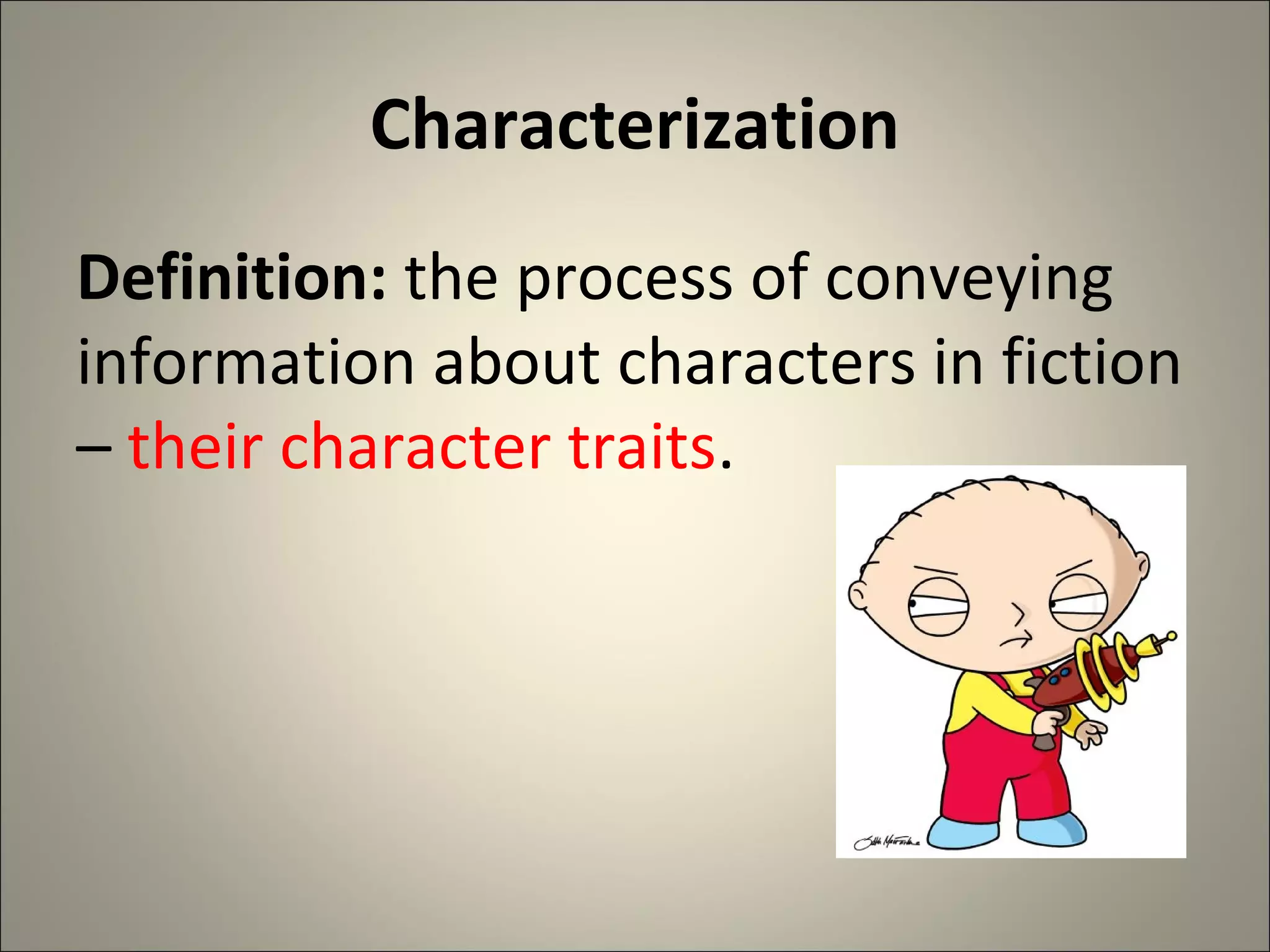
To move from a vague idea of a brand to a fully-fleshed-out identity, strategists often use specific frameworks. One of the most effective methods for characterizing a brand is the use of personas and archetypes.
Identifying the Archetype
Drawing from Jungian psychology, brand archetypes provide a roadmap for characterization. There are twelve classic archetypes, such as The Hero (Nike), The Outlaw (Harley-Davidson), and The Sage (Google). By identifying which archetype a brand fits into, strategists can ensure that the brand’s behavior feels “natural” and “familiar” to consumers.
For example, a brand characterized as “The Explorer” will focus on themes of freedom, discovery, and self-actualization. Its marketing will feature rugged landscapes and narratives of breaking boundaries. By anchoring a brand in an archetype, you give it a universal character that people instinctively understand.
Voice and Tone: The Character’s Dialogue
Once the character is established, it needs a way to speak. The “voice” of a brand is its steady personality, while the “tone” is the emotional inflection applied to that voice depending on the situation. A brand characterized as a “professional advisor” will have a voice that is authoritative and clear. However, its tone might be empathetic when dealing with a customer’s financial loss and celebratory when discussing a client’s success. Defining these elements ensures that the brand’s character remains recognizable across all mediums, whether it’s a 280-character tweet or a 50-page annual report.
The Impact of Characterization on Business Longevity
Characterization is not just an exercise in creativity; it is a vital business strategy. In a global economy where products can be replicated almost instantly, a well-defined character is one of the few sustainable competitive advantages left.
Differentiation in a Crowded Marketplace
The primary function of characterization is differentiation. In almost every industry, there is a “sea of sameness” where competitors offer similar features at similar price points. What makes a consumer choose one over the other? Often, it is the character of the brand. When a brand is characterized by a unique perspective or a distinct “vibe,” it carves out a niche that others cannot easily occupy. It stops competing on price and starts competing on identity.
Emotional Connection and Customer Loyalty
People do not form emotional bonds with objects; they form them with characters. When a brand is characterized in a way that aligns with a consumer’s own values or aspirations, it creates a sense of belonging. This emotional connection is what transforms a one-time buyer into a brand advocate. Loyal customers are less price-sensitive and more likely to forgive a brand’s mistakes because they feel a personal connection to the brand’s “character.” In the long run, this loyalty is what drives recurring revenue and reduces customer acquisition costs.
Re-characterizing: When and How to Pivot Your Identity
The business world is not static, and sometimes the character that served a brand well in the past is no longer relevant to the modern consumer. This necessitates a process of re-characterization, commonly known as rebranding.
Recognizing the Need for Change
A brand may need to be re-characterized if its current identity feels dated, if it has suffered a major PR crisis, or if it is expanding into a new market where its old character doesn’t resonate. For instance, a brand once characterized as “exclusively for men” might need to re-characterize itself as “inclusive and gender-neutral” to capture a wider market share. This is a delicate process, as it requires moving toward a new identity without alienating the existing loyal customer base.
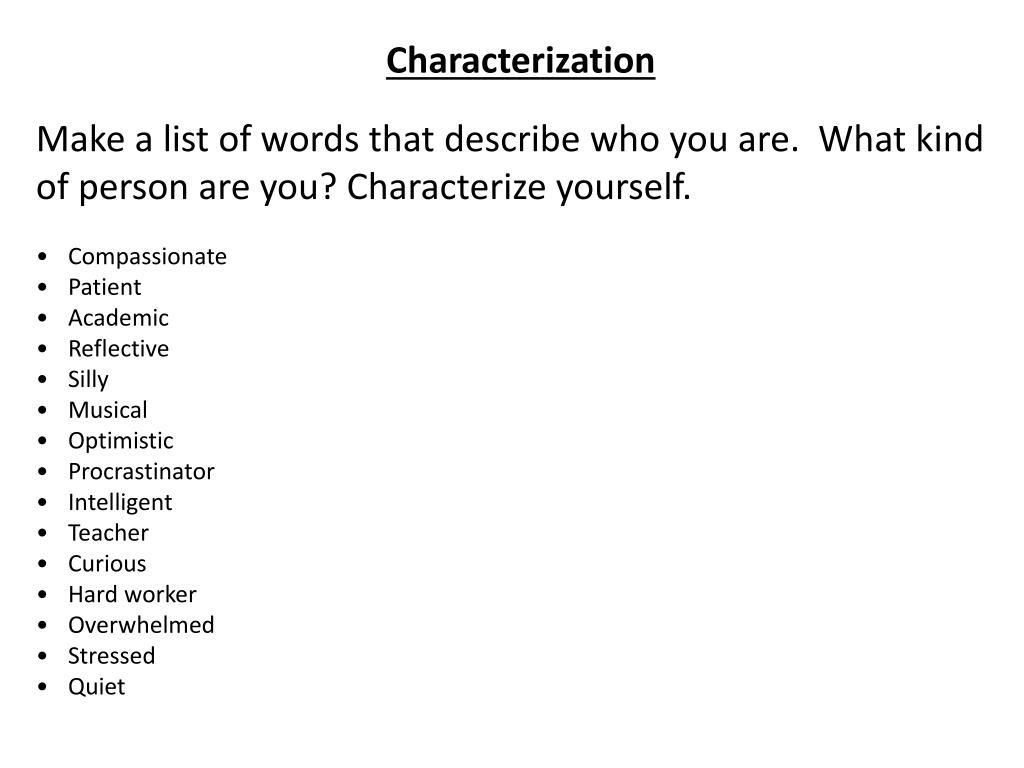
Executing a Character Pivot
Successful re-characterization requires more than just a new logo; it requires a fundamental shift in behavior. To change how a brand is characterized, the company must demonstrate new values through action. This might involve changing the product line, updating corporate social responsibility initiatives, or completely overhauling the customer experience. The goal is to prove to the audience that the brand’s character has truly evolved, rather than just putting on a “new mask.”
In conclusion, “characterized” in the world of branding is the process of turning a business into a relatable, distinct, and memorable entity. It is the bridge between a product’s utility and the consumer’s heart. By carefully defining core attributes, maintaining consistency, utilizing archetypes, and understanding the power of differentiation, businesses can create a brand character that not only survives the pressures of the market but thrives within them. Ultimately, a brand that is well-characterized doesn’t just sell—it leads, it inspires, and it endures.
aViewFromTheCave is a participant in the Amazon Services LLC Associates Program, an affiliate advertising program designed to provide a means for sites to earn advertising fees by advertising and linking to Amazon.com. Amazon, the Amazon logo, AmazonSupply, and the AmazonSupply logo are trademarks of Amazon.com, Inc. or its affiliates. As an Amazon Associate we earn affiliate commissions from qualifying purchases.