
The question “what branch are the Marines?” is one of the most frequently searched queries regarding the United States Armed Forces. While the technical answer is straightforward—the Marine Corps is a component of the Department of the Navy—the reason the question is asked so frequently points to a fascinating study in brand strategy and corporate identity. To the average observer, the United States Marine Corps (USMC) operates with such distinct visual markers, cultural values, and independent authority that they appear to be a completely autonomous entity.
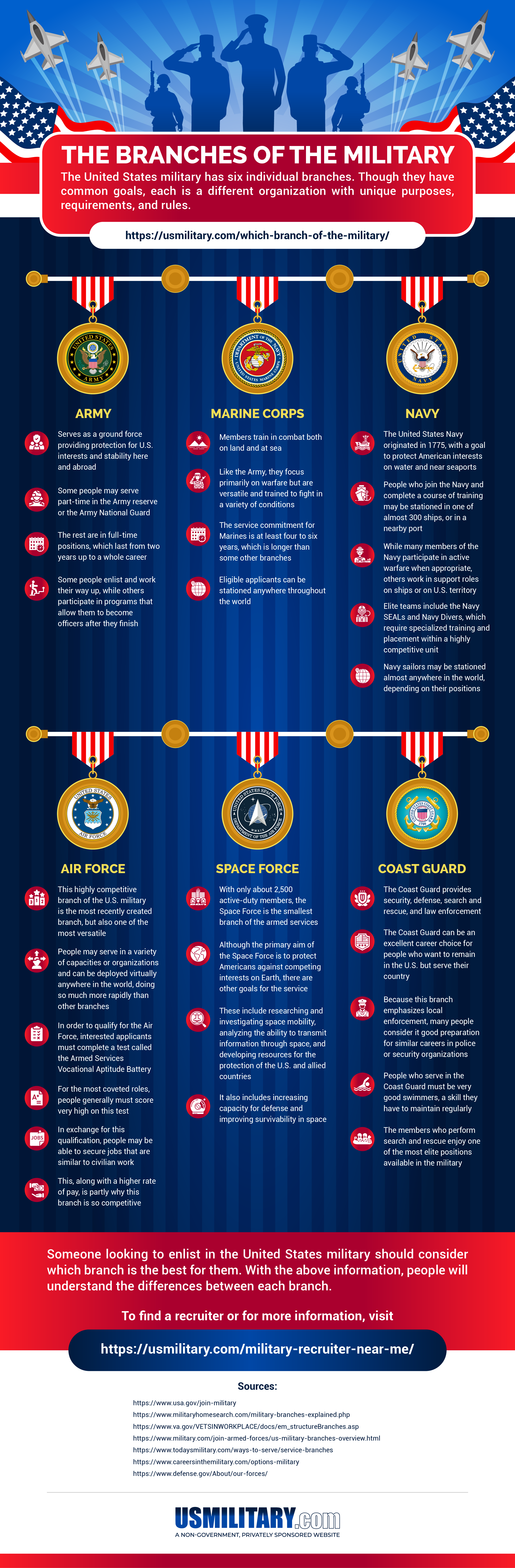
In the world of brand management, this is the ultimate achievement: creating a sub-brand so powerful that it eclipses the parent organization in specific market segments. This article explores the Marine Corps through the lens of brand architecture, personal branding, and corporate identity, examining how they have cultivated one of the most recognizable and prestigious “brands” in global history.
The Architecture of Distinction: Navigating the Navy-Marine Relationship
In corporate terms, the relationship between the Navy and the Marine Corps is akin to a “House of Brands” strategy. While the Department of the Navy acts as the holding company providing the foundational resources, the Marine Corps maintains a fierce, independent brand identity that serves a specific niche: amphibious, rapid-response expeditionary warfare.
The Parent-Subsidiary Dynamic
From a structural standpoint, the Marine Corps is a sister service to the Navy, both falling under the civilian leadership of the Secretary of the Navy. However, the Marine Corps is a separate military service. This nuanced distinction often creates brand confusion for the general public. In branding, when a sub-brand becomes too similar to the parent, it risks “brand dilution.” The Marines have avoided this by emphasizing their unique operational capabilities. While the Navy focuses on sea-based dominance and global logistics, the Marines brand themselves as the “tip of the spear”—the first to arrive and the last to leave.
Strategic Autonomy and Market Positioning
By maintaining a separate Commandant who sits on the Joint Chiefs of Staff, the Marine Corps ensures its “voice” is heard at the highest levels of the organization. This is a masterful display of organizational branding. It allows the USMC to utilize the Navy’s “supply chain” (ships, medical corps, and chaplaincy) while retaining its own distinct culture and mission. This synergy allows the Marine Corps to remain lean and specialized, positioning itself in the “market” of national defense as the premier elite force for versatile combat.
Premium Positioning: The “Few and the Proud” Strategy
Perhaps the most successful aspect of the Marine Corps brand is its recruitment marketing. Most military branches market themselves based on benefits: education, job training, or travel. The Marine Corps, conversely, has historically utilized a “scarcity” model.
The Power of Scarcity and Exclusivity
Luxury brands like Hermès or Ferrari do not sell products; they sell entry into an exclusive club. The Marine Corps adopted this “premium” positioning decades ago. Their long-running slogan, “The Few, The Proud,” does not promise a high salary or a comfortable lifestyle. Instead, it promises a transformation. By setting a high “barrier to entry” (notoriously difficult boot camps and rigorous physical standards), the USMC creates high brand equity. Candidates don’t just join the Marines; they earn the title.
Selling an Identity, Not a Job
In personal branding terms, the Marine Corps offers a “rebrand” for the individual. While other branches might emphasize the technical skills a recruit will learn (e.g., “Aim High” for the Air Force), the Marines focus on character. Their marketing campaigns often feature metaphorical battles—slaying dragons or navigating obstacle courses—symbolizing the internal transformation of the individual. This focus on “becoming” rather than “doing” is a hallmark of high-level brand strategy that fosters lifelong loyalty and a powerful alumni network (the “Once a Marine, Always a Marine” philosophy).
Visual Identity and the Consistency of the Marine Iconography
A brand is only as strong as its visual consistency. The Marine Corps possesses some of the most recognizable “brand assets” in the military world. From the Eagle, Globe, and Anchor (EGA) to the iconic Dress Blue uniform, every element of their visual identity is designed to communicate authority, tradition, and excellence.
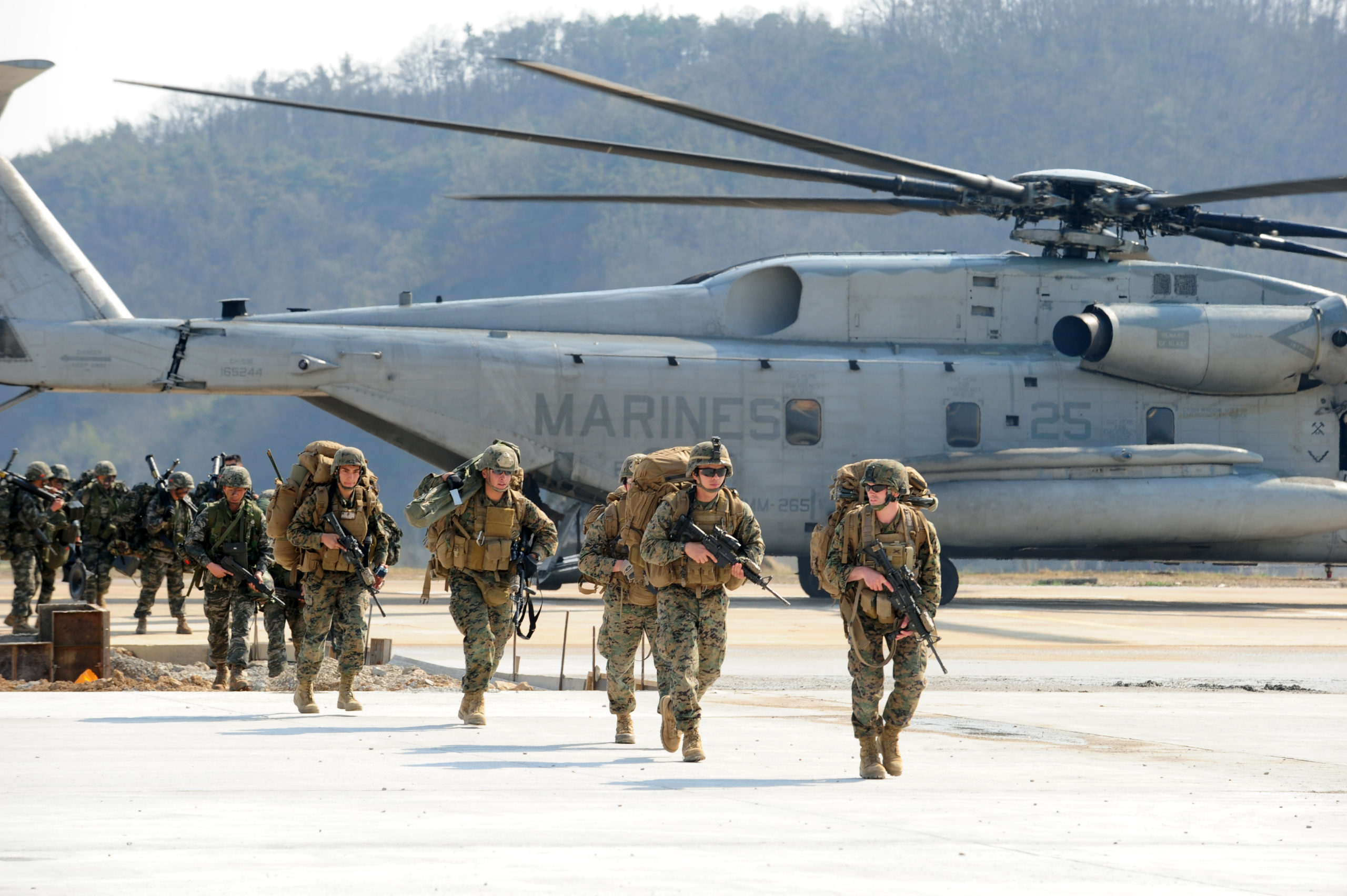
The Eagle, Globe, and Anchor: A Logo of Global Reach
The EGA is more than a logo; it is a seal of quality. The Eagle represents the United States, the Globe represents global service, and the Anchor represents the maritime tradition and the link to the Navy. This symbol is protected with a zeal that would make a Silicon Valley trademark attorney envious. It is rarely modified and is treated with a level of reverence that reinforces its status as a core brand pillar.
Uniforms as Brand Packaging
The Marine Corps Dress Blues are arguably the most iconic “packaging” in the military. While other branches frequently update their camouflage patterns or service uniforms to match modern trends or functional needs, the Marines have kept their ceremonial uniforms remarkably consistent for over a century. This consistency signals stability and an unbroken link to a storied past. In branding, “heritage” is a valuable asset, and the Marines leverage their history to create a sense of timelessness that modern, “trendy” brands often lack.
Core Values as Brand Pillars: Honor, Courage, and Commitment
For a brand to resonate, it must stand for something. The Marine Corps has distilled its entire organizational philosophy into three core values: Honor, Courage, and Commitment. These are the brand pillars that guide every decision, from the lowest-ranking Private to the highest-ranking General.
Internal Branding and Culture
Internal branding is the process of ensuring employees (or in this case, Marines) believe in and embody the brand’s promise. The USMC excels at this. Every recruit is indoctrinated into the history and lore of the Corps. They are taught the stories of legendary figures like Chesty Puller and Dan Daly. This creates a “culture of storytelling” that reinforces the brand identity. When every member of an organization can recite the “brand story,” the external brand becomes authentic and unshakable.
Consistency Across Every Touchpoint
Whether it is a recruitment office in a small town, a viral video on social media, or a humanitarian mission overseas, the Marine Corps brand remains consistent. They do not try to be everything to everyone. They do not try to appeal to people who want a 9-to-5 desk job. By being unapologetically themselves, they attract the exact “customer base” (recruits) they need to sustain their mission. This is a vital lesson for any corporate brand: find your niche, define your values, and never compromise them for short-term gain.
Brand Resilience: Adapting to the Digital Age
In the modern era, brands must be agile. The Marine Corps has successfully transitioned its traditional branding into the digital space without losing its core identity. They have mastered the art of “content marketing” through high-production-value videos and a strong presence on platforms like Instagram and YouTube.
Engaging the Modern “Consumer”
The challenge for the USMC brand in the 21st century is reaching a generation that views institutions with skepticism. To counter this, their brand strategy has shifted slightly to emphasize the “Marine as a Citizen.” While they still highlight combat prowess, they also showcase the Marine’s role in disaster relief and community building. This “humanizes” the brand while maintaining the “Elite” aura.
Managing the “Navy” Association
The USMC continues to manage its relationship with the Navy brand with precision. While they are technically under the Navy’s “corporate umbrella,” they use this association to highlight their versatility—being “Soldiers of the Sea.” This allows them to claim a unique space in the defense market that neither the Army nor the Navy can fully occupy.

Conclusion: The Ultimate Case Study in Identity
To answer the question “what branch are the Marines?” is to acknowledge a masterpiece of brand architecture. Technically, they are part of the Department of the Navy, but strategically, they are a world-class brand that stands entirely on its own.
Through a combination of premium positioning, scarcity marketing, rigid visual consistency, and a deep-seated culture of internal branding, the United States Marine Corps has created an identity that is synonymous with excellence. For brand strategists and corporate leaders, the Marines offer a timeless lesson: when you know exactly who you are, what you stand for, and who you are serving, you don’t just build a department—you build a legacy that the world will never forget.
aViewFromTheCave is a participant in the Amazon Services LLC Associates Program, an affiliate advertising program designed to provide a means for sites to earn advertising fees by advertising and linking to Amazon.com. Amazon, the Amazon logo, AmazonSupply, and the AmazonSupply logo are trademarks of Amazon.com, Inc. or its affiliates. As an Amazon Associate we earn affiliate commissions from qualifying purchases.