
In the classical world, distance is a concept we navigate with rulers, odometers, and maps. We understand the meter, the mile, and the kilometer as tangible measurements of the space between two points. However, in the realm of modern technology—spanning from the microscopic architecture of a CPU to the vast reaches of satellite networks—the “units of distance” take on entirely new dimensions and significances.
As we push the boundaries of what is possible in software engineering, hardware manufacturing, and telecommunications, understanding these units becomes essential. For tech professionals, developers, and enthusiasts, distance is not just a physical measurement; it is a constraint on performance, a benchmark for innovation, and a fundamental metric of digital infrastructure.
The Micro-Scale: Units that Define Modern Computing and Semiconductor Manufacturing
When we discuss the “distance” within the context of hardware, we are often looking through a microscope. The evolution of the digital age has been defined by our ability to shrink the distance between components, allowing for faster processing speeds and greater energy efficiency.
Nanometers and the Race for Transistor Density
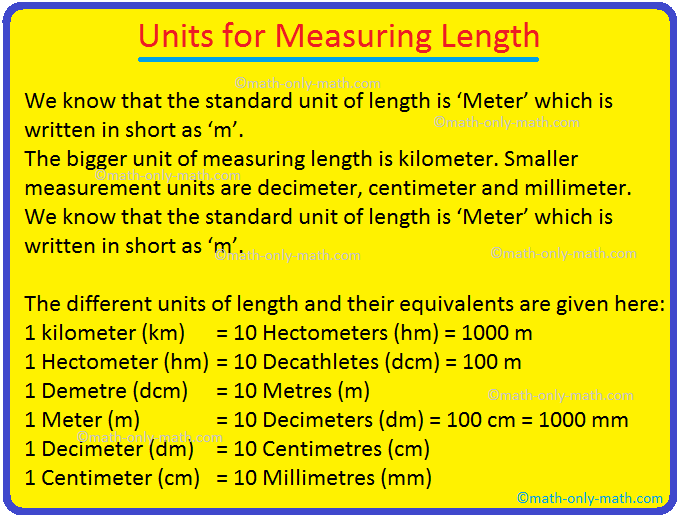
The most iconic unit of distance in the tech industry today is the nanometer (nm). One nanometer is one-billionth of a meter. In semiconductor manufacturing, the “process node” (e.g., 5nm, 3nm) originally referred to the physical gate length of a transistor. While modern marketing has slightly decoupled the name from the physical dimension, the nanometer remains the primary unit of distance used to measure the density of integrated circuits.
The shrinking of this distance is the engine behind Moore’s Law. As the distance between transistors decreases, electrons have less physical space to travel, which reduces latency and heat generation. This allows for billions of transistors to be packed onto a single silicon die, powering everything from high-end AI servers to the smartphone in your pocket. Understanding the nanometer is essential for understanding the limits of silicon-based computing and the upcoming shift toward ribbonFET architectures and quantum computing.
Micrometers in Display Technology and Sensor Engineering
Slightly larger than the nanometer is the micrometer (µm), or micron. This unit is pivotal in the manufacturing of displays and optical sensors. In high-resolution screens, the distance between pixels—known as pixel pitch—is often measured in micrometers. A smaller distance between pixels results in a higher Pixels Per Inch (PPI) count, creating the “Retina” quality displays we expect in modern gadgets.
In the world of digital photography and mobile sensors, the size of an individual pixel on a CMOS sensor is also measured in microns. A “large” 2.0µm pixel can capture more light than a 0.8µm pixel, highlighting how the physical units of distance directly dictate the low-light performance and dynamic range of a device’s camera.
The Infrastructure Scale: Measuring the Backbone of Global Connectivity
While the internal components of our devices operate on a microscopic scale, the networks that connect them operate on a global scale. Here, units of distance transition from the theoretical to the logistical, dictating the speed of the global internet.
Meters and Kilometers in Fiber Optic Deployment
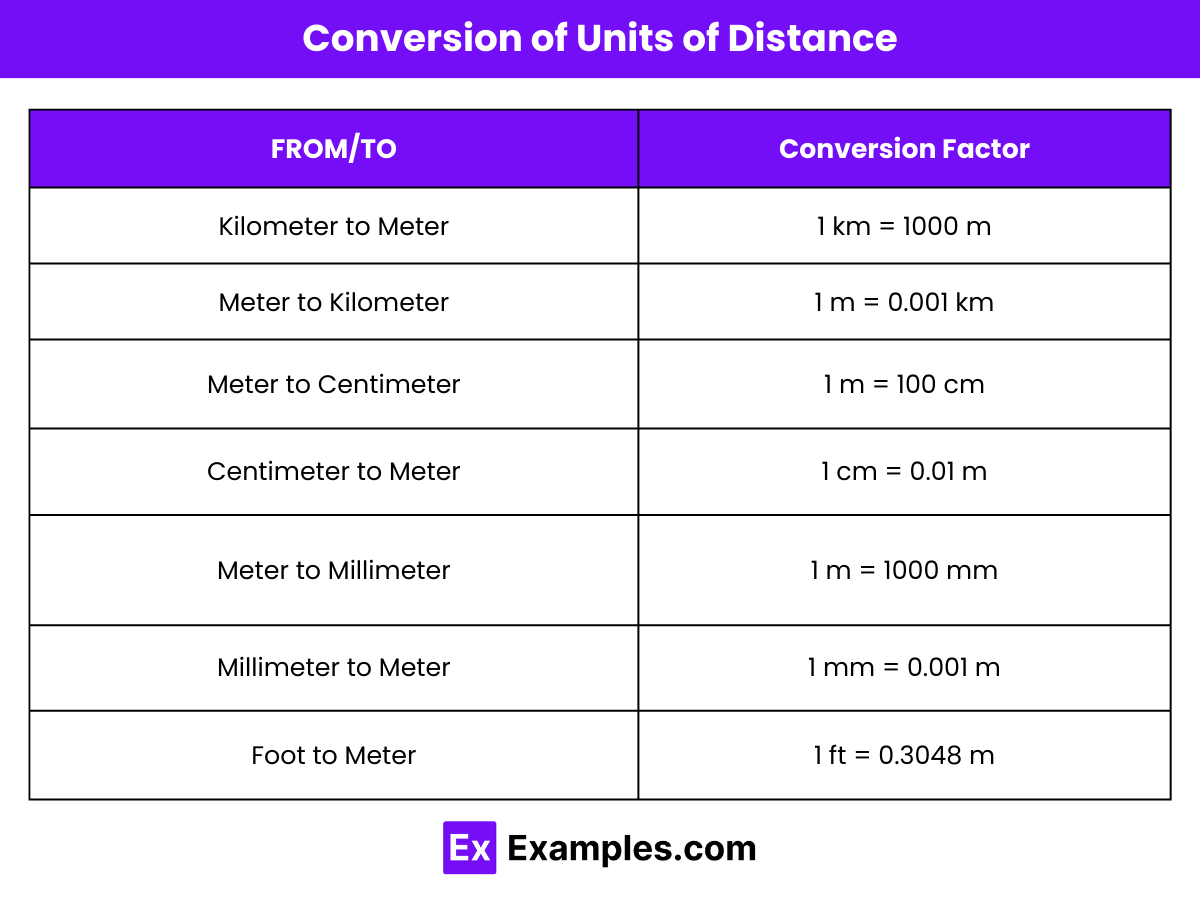
At the macro level, the units of distance we are most familiar with—meters and kilometers—are used to define the reach of our digital infrastructure. Fiber optic cables are the veins of the internet, and the distance light must travel through these glass strands is a critical factor in network design.
Signal attenuation, or the loss of signal strength, is measured per kilometer. In long-haul terrestrial networks and undersea “subsea” cables, engineers must place repeaters at specific intervals—often every 60 to 100 kilometers—to amplify the signal. This physical distance directly impacts the cost and complexity of connecting continents. When a tech company like Google or Meta invests in a new subsea cable, they are essentially battling the physical distance of the Earth’s oceans to shave milliseconds off data transmission times.
The Significance of “Electronic Distance” and Latency
In networking, we often use a proxy for physical distance: latency, measured in milliseconds (ms). While not a traditional unit of linear distance, latency represents “electronic distance.” Because information cannot travel faster than the speed of light, the physical distance between a user and a data center creates a hard floor for how fast a website can load or how responsive an online game can be.
This is why “Edge Computing” has become a major tech trend. By moving servers closer to the end-user—literally reducing the distance in kilometers—tech providers reduce the latency. In the world of high-frequency trading or autonomous vehicles, a distance of even a few hundred meters can be the difference between a successful transaction and a failed system.
The Macro-Scale: Satellite Systems and Cosmic Measurements in Tech
As technology expands beyond the Earth’s atmosphere, our units of distance must scale accordingly. We are currently witnessing a “New Space” era where satellite constellations like Starlink and Kuiper are becoming integral parts of our telecommunications stack.
GPS Precision and the Metric System
Global Positioning System (GPS) technology is perhaps the most common way consumers interact with units of distance. By calculating the time it takes for a signal to travel from multiple satellites to a receiver, a device can determine its location with incredible accuracy.
The accuracy of these systems is measured in meters and centimeters. High-precision GPS used in surveying and autonomous drone navigation can now achieve “centimeter-level” accuracy. This relies on the precise measurement of the distance between the device and a satellite orbiting roughly 20,200 kilometers above the Earth. The math required to maintain this accuracy even accounts for the theories of relativity, as time moves differently at that distance and speed.
Astronomical Units and Light Years in Space Tech
For deep-space exploration and satellite-to-satellite laser communication, tech companies and agencies like NASA or SpaceX utilize even larger units. The Astronomical Unit (AU), which is the average distance from the Earth to the Sun (about 150 million kilometers), is used to track probes and deep-space hardware.
As we look toward the future of interstellar communication and the possibility of “Interplanetary Internet,” the light-year becomes a relevant, if daunting, unit of distance. At this scale, the “tech” involved isn’t just about faster processors, but about developing communication protocols that can handle the massive “delay-tolerant” distances of the cosmos.
Emerging Tech: Specialized Units for Virtual and Augmented Realities
As we move toward spatial computing—exemplified by headsets like the Apple Vision Pro or Meta Quest—the way we measure distance within digital environments is becoming a specialized field of study.
Interpupillary Distance (IPD) and Field of View
In Virtual Reality (VR), a crucial unit of distance is Interpupillary Distance (IPD), measured in millimeters. This is the distance between the centers of the pupils of the user’s eyes. If a headset’s lenses are not aligned with this specific physical distance, the 3D effect fails, leading to eye strain and motion sickness.
Furthermore, the “distance” in VR is often measured in degrees of Field of View (FOV). While we perceive depth in meters within a virtual world, the hardware’s ability to render that distance depends on the angular resolution. Tech reviewers and engineers obsess over these units because they define the “immersion” factor of the hardware.
Spatial Computing and the Digital-Physical Bridge
Spatial computing introduces the concept of “world-scale” tracking. Using LiDAR (Light Detection and Ranging) and ToF (Time of Flight) sensors, modern tablets and smartphones measure the distance to physical objects in their environment. These sensors emit light and measure the time it takes to bounce back, calculating distance with millimeter precision.
This allows for Augmented Reality (AR) where digital objects stay “anchored” to a physical table. The unit of distance here is what allows the software to understand that a virtual lamp is exactly 1.5 meters away from the user’s perspective. This bridge between the physical and digital is perhaps the most exciting frontier where units of distance dictate the user experience.
Conclusion: Why Distance Remains the Ultimate Technical Constraint
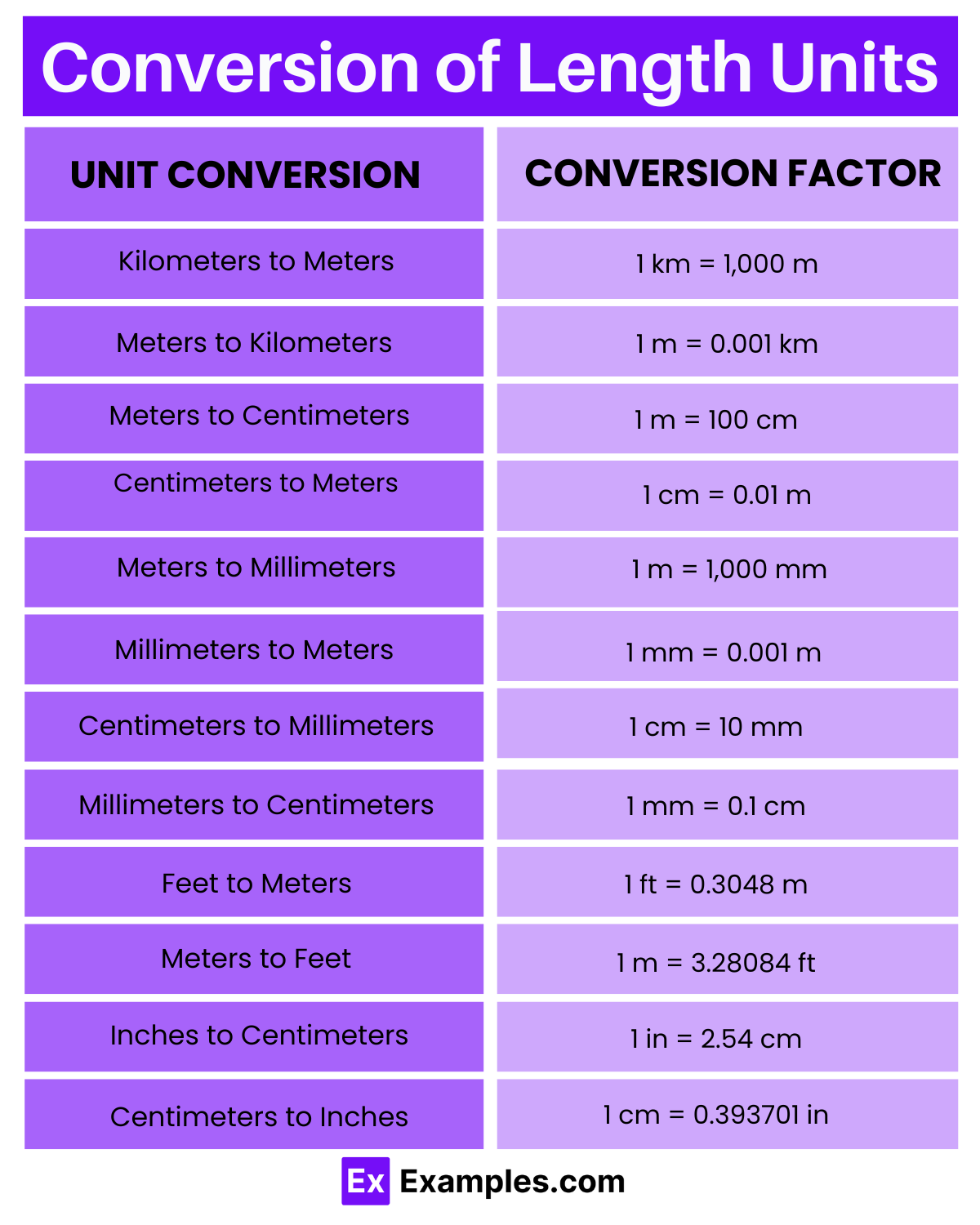
Despite our move toward a “borderless” digital world, the physical units of distance remain the ultimate arbiters of technological performance. Whether it is the 3-nanometer gap between transistors, the 10,000-kilometer length of a trans-Pacific fiber optic cable, or the 65-millimeter IPD of a VR user, distance shapes how we build, deploy, and experience technology.
As we continue to innovate, our goal is often to conquer distance—to make it shorter, to traverse it faster, or to measure it more accurately. By understanding these units, we gain a deeper insight into the engineering marvels that power our modern life and the challenges that lie ahead in the next generation of tech evolution.
aViewFromTheCave is a participant in the Amazon Services LLC Associates Program, an affiliate advertising program designed to provide a means for sites to earn advertising fees by advertising and linking to Amazon.com. Amazon, the Amazon logo, AmazonSupply, and the AmazonSupply logo are trademarks of Amazon.com, Inc. or its affiliates. As an Amazon Associate we earn affiliate commissions from qualifying purchases.