
In the landscape of modern technology, we often focus on processing power, pixel density, and cloud connectivity. However, the most critical interface between the digital world and the human experience is not the silicon chip—it is the human hand. At the center of this interface lies a complex structural assembly known as the carpal bones. While traditionally a subject for anatomy textbooks, the carpal bones have become a focal point for hardware engineers, software developers, and ergonomic specialists. Understanding what these bones are and how they interact with our devices is essential for anyone navigating the high-tech demands of the 21st-century workplace.
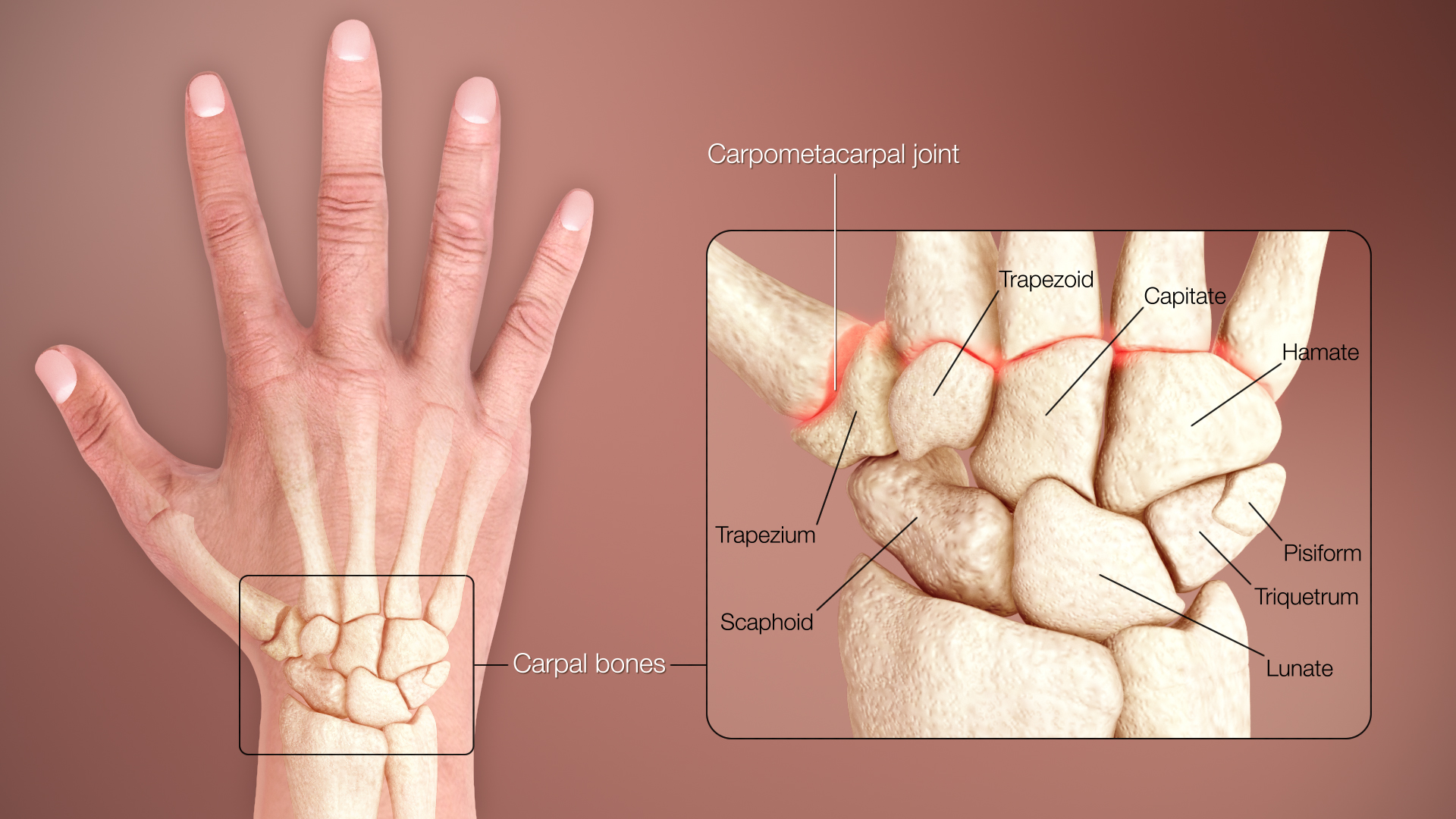
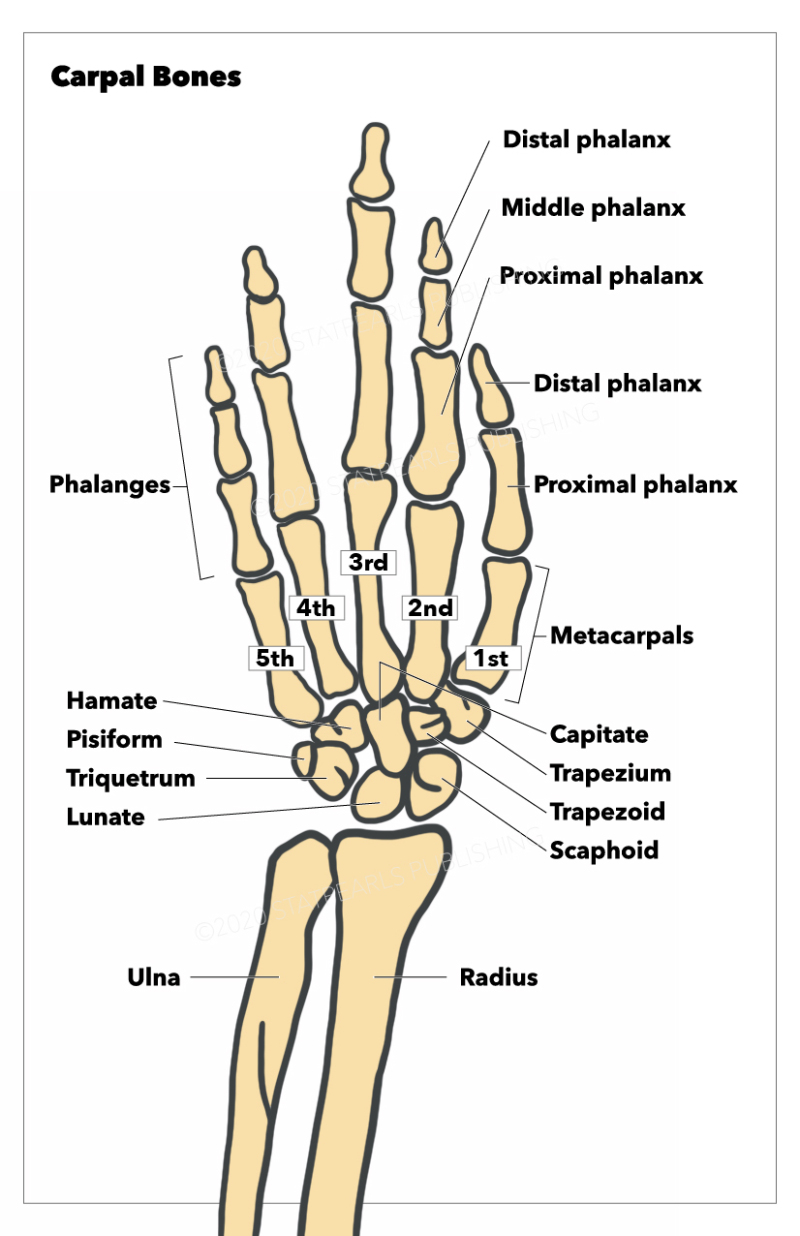
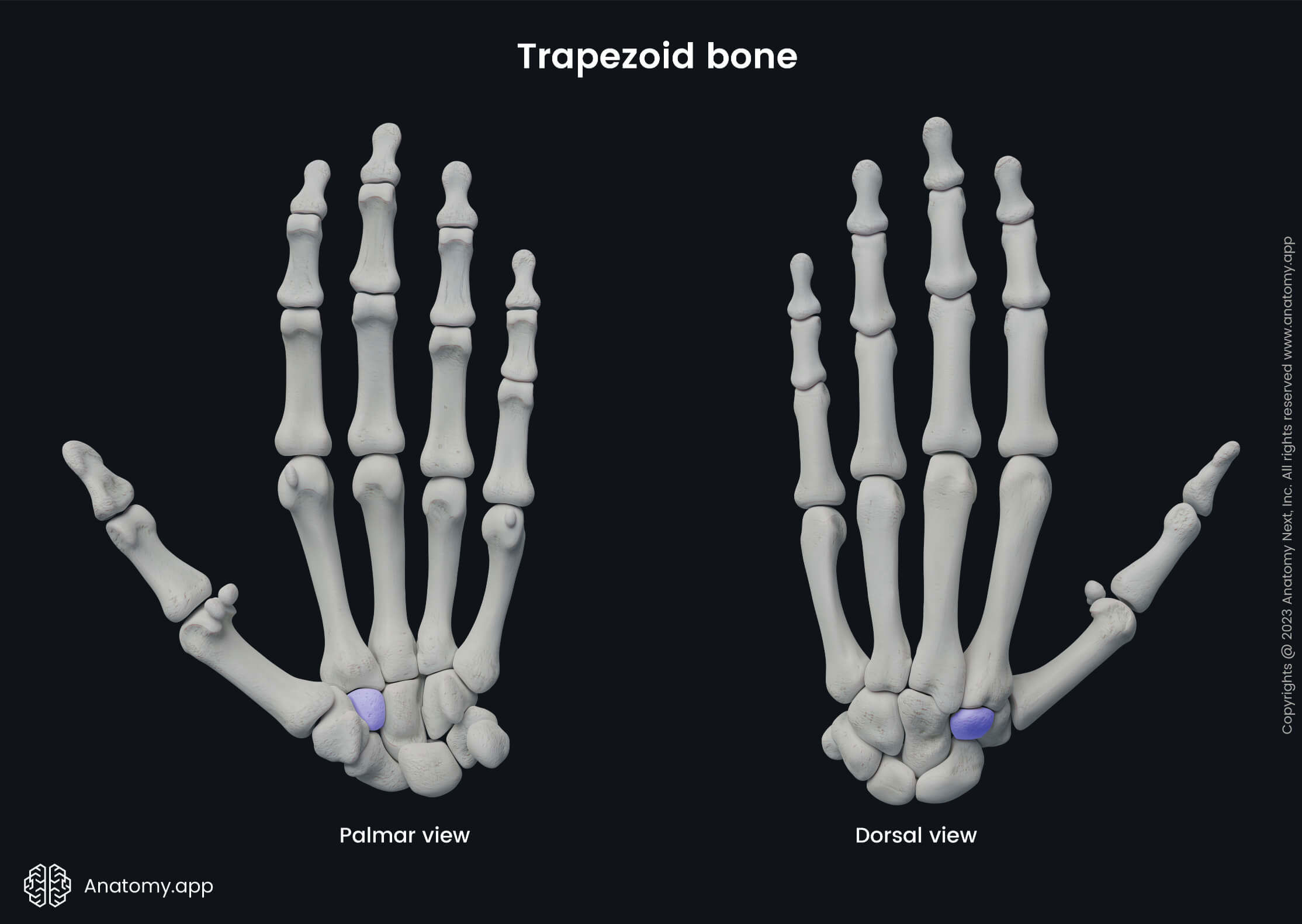
The carpal bones are a cluster of eight small, irregularly shaped bones that make up the wrist (carpus). They are arranged in two rows: the proximal row (scaphoid, lunate, triquetrum, and pisiform) and the distal row (trapezium, trapezoid, capitate, and hamate). Together, they form a bridge between the forearm and the hand, allowing for the intricate range of motion required to type, click, swipe, and gesture. As we move deeper into an era defined by human-computer interaction (HCI), the health and optimization of these bones are being redefined by tech innovation.
Decoding the Biomechanics of the Carpal Bones in the Digital Age
To understand the intersection of technology and physiology, one must first appreciate the mechanical complexity of the wrist. The carpal bones do not merely sit in a row; they form a dynamic, arch-like structure that facilitates the “carpal tunnel,” a narrow passageway for nerves and tendons. In the context of tech usage, this biological architecture is under constant pressure.
The Anatomy of Motion: Why Carpal Health Matters for Tech Users
For software developers, digital artists, and data analysts, the carpal bones are the unsung heroes of productivity. Every keystroke and mouse movement involves a precise orchestration of these eight bones. However, the traditional flat keyboard and standard mouse force the carpal bones into a “pronation” position—where the radius and ulna cross and the carpal tunnel is compressed.
Tech firms are increasingly investing in “Biomechanical Digital Twins”—software models that simulate the stress placed on carpal bones during prolonged computer use. These simulations show that even micro-movements, when repeated thousands of times a day, can lead to inflammation and long-term structural issues. This realization has shifted the tech industry’s focus from purely aesthetic hardware design to bio-integrated engineering.
Repetitive Strain and the Impact of Modern Input Devices
The rise of the “pro-sumer” and the professional gamer (e-sports) has highlighted the limits of carpal endurance. High-polling rate mice and mechanical keyboards with varying actuation points are designed to minimize the force required by the carpal bones to register a command. When we discuss “What are the carpal bones?” in a tech context, we are really discussing the physical limits of our hardware interfaces. Innovations like “optical switches” in keyboards allow for lighter touches, reducing the impact force that travels through the fingertips into the carpal cluster, thereby extending the “duty cycle” of the human hand in high-intensity digital environments.
The Evolution of Ergonomic Hardware: Engineering for Natural Alignment
As the tech industry acknowledges the vulnerability of the carpal bones, a new wave of ergonomic hardware has emerged. These tools are designed to respect the natural “resting state” of the wrist, moving away from the forced horizontal orientation that has dominated the industry since the invention of the typewriter.
Vertical Mice and Split Keyboards: Engineering for Natural Alignment
The most visible shift in ergonomic tech is the rise of the vertical mouse. By turning the hand into a “handshake” position, a vertical mouse aligns the carpal bones—specifically the scaphoid and lunate—in a way that opens the carpal tunnel. This reduces internal pressure and prevents the median nerve from being pinched.
Similarly, split keyboards allow users to position their hands at shoulder width. This prevents “ulnar deviation,” a common tech-related strain where the carpal bones are tilted outward toward the pinky finger. By utilizing CAD (Computer-Aided Design) and 3D printing, companies like Kinesis and ZSA are creating highly customizable “ortholinear” layouts that align keys in straight columns, matching the natural movement of the fingers and reducing the lateral shearing force on the carpal joints.
Haptic Feedback and the Reduction of Physical Stress
Software is also playing a role in protecting the carpal bones. Modern trackpads, such as Apple’s Force Touch, use haptic engines to simulate the “click” feeling. This technological trickery allows for a shallower physical movement, meaning the carpal bones and surrounding tendons don’t have to exert as much force. By replacing mechanical travel with haptic vibrations, hardware designers are effectively reducing the mechanical wear and tear on the user’s skeletal structure.
Wearable Technology and Real-Time Wrist Monitoring
We have moved beyond passive ergonomics into the era of active biometric monitoring. Wearable tech is no longer just about counting steps or monitoring heart rates; it is becoming a sophisticated tool for skeletal health and injury prevention.
Smartwatches and Sensors: Tracking Biometric Stress on the Carpals
The latest generation of smartwatches and fitness trackers are beginning to integrate gyroscopes and accelerometers sensitive enough to track “flick” frequency and wrist angle. Future iterations of OS platforms (like watchOS or Wear OS) may soon include “Carpal Health” metrics. These tools could analyze the angle of the wrist over an eight-hour workday and send haptic alerts when the carpal bones have been held in a compromised, non-neutral position for too long.
Furthermore, Electromyography (EMG) sensors are being integrated into wristbands. These sensors detect the electrical activity of muscles that control the carpal bones. By processing this data through machine learning algorithms, the device can predict the onset of repetitive strain injury (RSI) before the user even feels pain, suggesting immediate “tech breaks” or posture adjustments.
AI-Driven Posture Correction Tools
Beyond hardware, AI-powered software tools are utilizing computer vision via webcams to monitor a user’s ergonomic setup. These AI tools can identify if a user’s wrist is resting heavily on the edge of a desk—a habit that puts direct pressure on the pisiform and hamate bones. By providing real-time visual feedback, these “Digital Ergonomists” help users maintain the structural integrity of their carpal bones without the need for expensive physical consultations.
The Future of Human-Interface Design: Beyond Physical Interaction
As we look toward the future, the ultimate goal of tech-driven carpal health may be to remove the physical burden from the wrist entirely. The most exciting developments in the tech sector involve interfaces that bypass traditional manual input.
Neural Links and Gesture Control: Moving Past Manual Input
Brain-Computer Interfaces (BCIs) and advanced gesture recognition are the next frontiers. Companies like Meta and Snap are developing AR glasses that use “inside-out” tracking to detect finger pinches in mid-air. While this still involves the carpal bones, the lack of a hard surface (like a desk or mousepad) eliminates the “compression” factor that causes most wrist injuries.
In the long term, neural interfaces—such as those being developed by Neuralink or Synchron—aim to translate intent directly from the brain to the computer. In such a scenario, the carpal bones would be freed from their role as the primary input mechanism, potentially ending the era of tech-induced wrist ailments.
Virtual Reality (VR) and the Challenge of Spatial Wrist Movement
Paradoxically, while some tech seeks to bypass the wrist, VR is doubling down on it. VR controllers are designed to be extensions of the hand. However, the weight of these controllers and the “weightless” nature of virtual objects present new challenges for the carpal bones. Developers are currently working on “spatial ergonomics,” ensuring that virtual interactions occur within a “sweet spot” that minimizes extreme wrist extension or flexion. This ensures that even in a digital world, the physical limitations of the carpal bones are respected.
Conclusion
What are the carpal bones? In the world of technology, they are the vital bridge between human creativity and digital execution. As we have seen, these eight small bones are at the center of a massive technological shift. From the engineering of split keyboards and vertical mice to the integration of AI-driven biometric sensors and neural interfaces, the tech industry is obsessed with optimizing the “Carpal Connection.”
For the modern professional, understanding the carpal bones is not just about anatomy; it is about “Hardware-Human Optimization.” By embracing ergonomic innovations and wearable monitoring tools, we can ensure that our physical infrastructure—the complex assembly of the wrist—is capable of keeping pace with the rapid evolution of the digital world. The future of productivity is not just in faster processors, but in the sustainable, tech-supported health of the hands that use them.
aViewFromTheCave is a participant in the Amazon Services LLC Associates Program, an affiliate advertising program designed to provide a means for sites to earn advertising fees by advertising and linking to Amazon.com. Amazon, the Amazon logo, AmazonSupply, and the AmazonSupply logo are trademarks of Amazon.com, Inc. or its affiliates. As an Amazon Associate we earn affiliate commissions from qualifying purchases.