
For investors, entrepreneurs, and financial planners, the United States is not a monolithic economy. Instead, it is a complex patchwork of regional markets, each defined by distinct tax structures, industry clusters, and cost-of-living indices. Understanding the “7 regions” of the U.S.—historically categorized by economic output and geographic synergy—is essential for anyone looking to optimize a portfolio, scale a business, or strategically relocate capital.
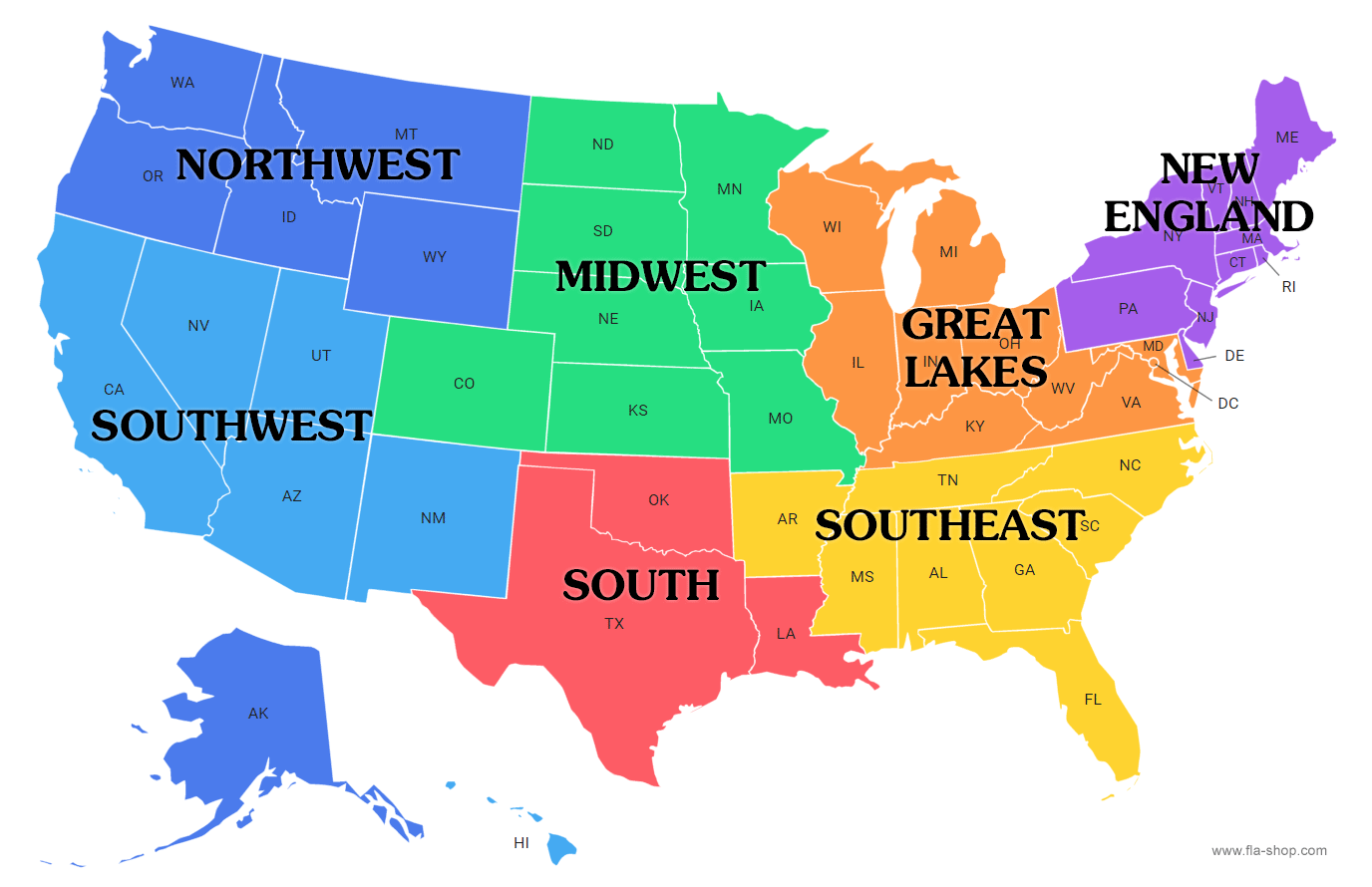
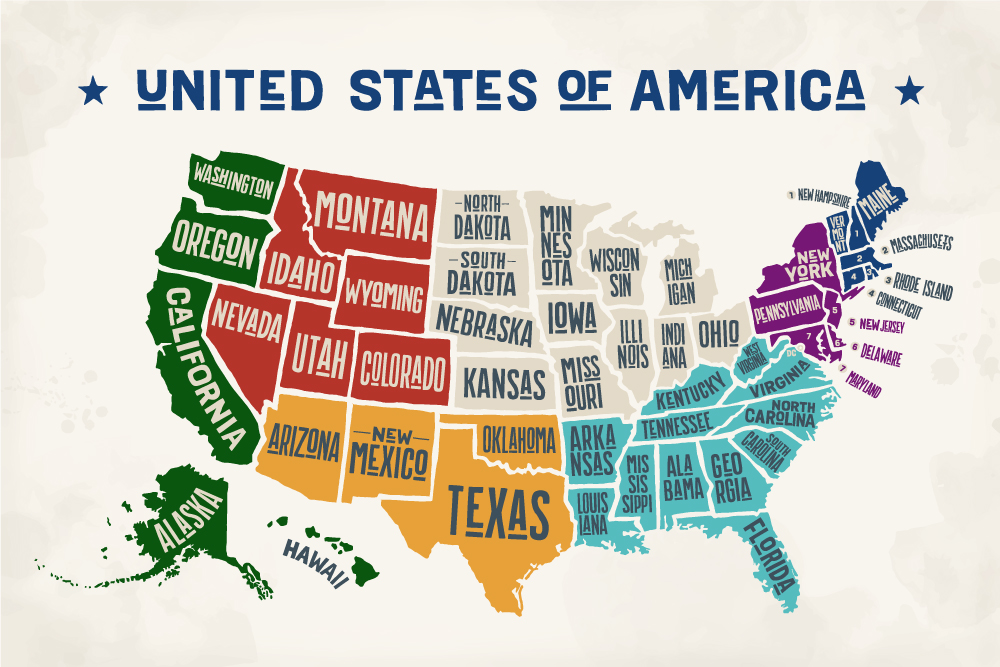
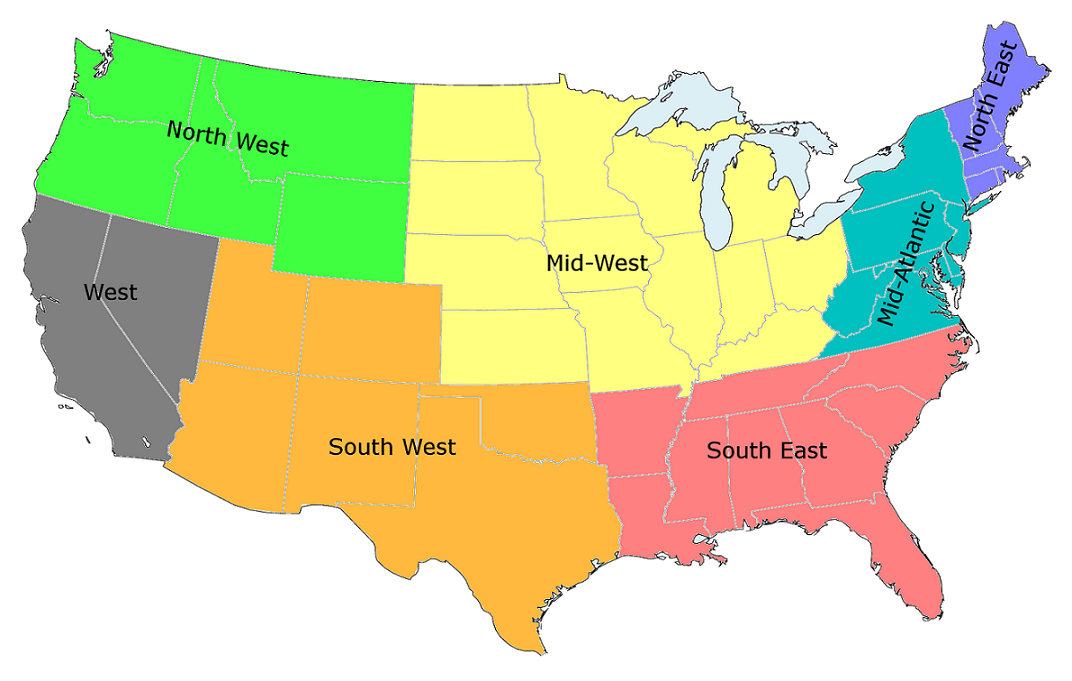
From the venture capital-heavy corridors of the West to the manufacturing resurgence in the Midwest, each region offers unique opportunities and risks. This guide analyzes the financial landscape of the United States through seven distinct economic zones: New England, the Mid-Atlantic, the Southeast, the Midwest, the Great Plains, the Rocky Mountains, and the Far West.
1. The Financial Hubs: New England and the Mid-Atlantic
The Northeast corridor, encompassing New England and the Mid-Atlantic, remains the beating heart of the American financial system. While geographic footprints may be smaller compared to the West, the concentration of capital is unparalleled.
Wealth Preservation and the New England Model
New England—comprising Maine, Vermont, New Hampshire, Massachusetts, Connecticut, and Rhode Island—has long been a bastion of wealth preservation. The region’s economy is heavily anchored by the “EDS and MEDS” (Education and Medical Services) sectors. From a financial perspective, Boston serves as a global hub for asset management and mutual funds.
Investors in this region focus on high-barrier-to-entry markets. Real estate in New England offers lower volatility compared to the Sun Belt but requires significant capital. For the personal finance enthusiast, New Hampshire offers a unique “tax haven” status within the region, as it lacks a state income tax on earned wages, making it a strategic location for high-earners looking to maximize net take-home pay.
The Mid-Atlantic: Corporate Governance and Global Markets
The Mid-Atlantic region—New York, Pennsylvania, New Jersey, Delaware, Maryland, and often DC—represents the pinnacle of corporate identity and institutional investing. Wall Street remains the global epicenter for equity markets, but the region’s financial story extends beyond the trading floor.
Delaware’s corporate laws make it the legal home for more than 60% of Fortune 500 companies, creating a massive ecosystem for corporate law and business services. For the individual investor, the Mid-Atlantic offers the most liquid real estate market in the country, though it comes with some of the highest property tax burdens. Strategically, this region is where “old money” meets “institutional flow,” providing a stable environment for long-term equity growth.
2. The High-Growth Engines: The Southeast and the “New South”
Over the last decade, the Southeast has emerged as the primary destination for internal migration of both people and capital. Encompassing states like Florida, Georgia, the Carolinas, and Virginia, this region has leveraged pro-business policies to attract manufacturing and financial services.
The Sun Belt Migration and Real Estate Appreciation
The financial narrative of the Southeast is dominated by the “Sun Belt Migration.” Low state income taxes (specifically in Florida and Tennessee) have driven a massive influx of high-net-worth individuals from the Northeast. This has led to an unprecedented boom in residential and commercial real estate.
From an investment standpoint, the Southeast offers “growth-at-a-reasonable-price.” Markets like Charlotte and Atlanta have become secondary financial hubs, hosting the headquarters of major banking institutions. For those looking at side hustles or small business ventures, the lower cost of labor and favorable regulatory environments in this region provide a higher “runway” for startups compared to the expensive coastal hubs.
Corporate Tax Incentives and the Logistics Boom
Beyond personal finance, the Southeast is a titan in logistics and manufacturing. The presence of major ports (Savannah, Charleston, Miami) and the aggressive use of state-level tax credits have attracted global giants in the automotive and aerospace industries. For investors, this creates a “trickle-down” effect in local economies, boosting service-based businesses and creating a robust demand for industrial REITs (Real Estate Investment Trusts).
3. The Industrial Renaissance: The Midwest and Great Lakes
Often referred to as the “Rust Belt” in decades past, the Midwest (Ohio, Michigan, Indiana, Illinois, Wisconsin) is currently undergoing an industrial renaissance driven by AgTech, FinTech, and a resurgence in domestic manufacturing.
The Rust Belt’s Transition to AgTech and FinTech
The Midwest is no longer just about heavy machinery. Cities like Chicago remain global leaders in commodities trading through the CME Group, while Columbus and Indianapolis have emerged as burgeoning tech hubs. The financial play here is “Value Investing.”
In the Midwest, the price-to-earnings ratios for businesses and the price-to-rent ratios for real estate are often the most attractive in the country. This region provides a “margin of safety” for investors that is often absent in the overheated markets of the West Coast.
Middle-Market Investment Opportunities
The Midwest is the land of the “Middle Market”—private companies with revenues between $10 million and $1 billion. For private equity and individual investors, this provides a fertile ground for “search funds” and business acquisitions. Because the cost of operations is significantly lower, businesses in the Midwest often boast higher profit margins than their coastal counterparts, even with lower gross revenues.
4. The Commodities Powerhouse: The Great Plains and Rocky Mountains
The central and mountain regions of the U.S. represent the nation’s “Balance Sheet” of natural resources. These regions are essential for investors looking to hedge against inflation through hard assets.
The Great Plains: Agriculture and Energy Markets
The Great Plains (North Dakota, South Dakota, Nebraska, Kansas, Oklahoma) are the backbone of the American agricultural economy. For the sophisticated investor, this region represents a play on global food security and energy independence. The Bakken formation in North Dakota has turned the region into an energy powerhouse, creating high-yield opportunities in mineral rights and energy infrastructure.
From a personal finance perspective, these states offer some of the lowest costs of living in the nation, allowing for a high savings rate. For those looking for “passive income,” agricultural land leases in this region have historically provided steady, uncorrelated returns compared to the S&P 500.
The Rocky Mountain Tech-Migration
The Rocky Mountain region (Colorado, Utah, Montana, Idaho, Wyoming) has transitioned from an extractive economy (mining and minerals) to a high-tech and “lifestyle” economy. Utah’s “Silicon Slopes” and Colorado’s aerospace industry have attracted billions in venture capital.
However, this growth has created a financial paradox: “Mountain Inflation.” Real estate prices in cities like Boise and Denver have skyrocketed, outpacing local wage growth. For investors, the Rocky Mountain region is now a “momentum play,” requiring careful entry points to avoid buying at the top of a speculative cycle.
5. The Pacific Frontier: The Far West and Global Trade
The Far West—California, Oregon, Washington, Alaska, and Hawaii—is the most economically diverse and high-stakes region in the United States. It is a region of extremes, featuring both the highest wealth creation and the highest tax burdens.
The West Coast Venture Capital Ecosystem
The financial identity of the Far West is inextricably linked to the “Innovation Economy.” Silicon Valley and the Seattle tech corridor are the primary engines of global venture capital. For those in the “Money” niche, this region is about “Asymmetric Upside.” One successful seed investment in a California startup can return 100x, a phenomenon rarely seen in the more traditional industries of the Midwest or New England.
However, the cost of doing business is a significant headwind. High state income taxes (particularly California’s 13.3% top bracket) and stringent regulatory environments require businesses to have high margins to survive. Strategic financial planning in the West often involves complex tax mitigation strategies and the use of trusts to protect wealth from aggressive state mandates.
Pacific Trade and High-Value Real Estate
The West Coast serves as the primary gateway for trade with Asia. This makes the region’s economy highly sensitive to international trade policy and currency fluctuations. From a real estate perspective, the West Coast features some of the most valuable land in the world. While the “office apocalypse” has affected downtown hubs like San Francisco, the long-term value of Pacific-rim real estate remains a staple for global sovereign wealth funds and ultra-high-net-worth portfolios.
Conclusion: Regional Diversification as a Wealth Strategy
Understanding the 7 regions of the United States is more than a geography lesson; it is a fundamental component of strategic financial planning. A well-diversified American portfolio should ideally seek exposure to the different “economic personalities” of these regions:
- The Northeast for institutional stability and wealth preservation.
- The Southeast for demographic-driven growth and real estate appreciation.
- The Midwest for value investing and manufacturing margins.
- The Great Plains and Rockies for commodities, energy, and inflation hedges.
- The Far West for high-growth tech and global trade access.
By aligning your investment strategy with the specific economic strengths of these regions, you can mitigate localized risks and capitalize on the diverse engines that power the American economy. Whether you are choosing where to launch a startup or where to buy your next rental property, the “where” is just as important as the “how much.”
aViewFromTheCave is a participant in the Amazon Services LLC Associates Program, an affiliate advertising program designed to provide a means for sites to earn advertising fees by advertising and linking to Amazon.com. Amazon, the Amazon logo, AmazonSupply, and the AmazonSupply logo are trademarks of Amazon.com, Inc. or its affiliates. As an Amazon Associate we earn affiliate commissions from qualifying purchases.