
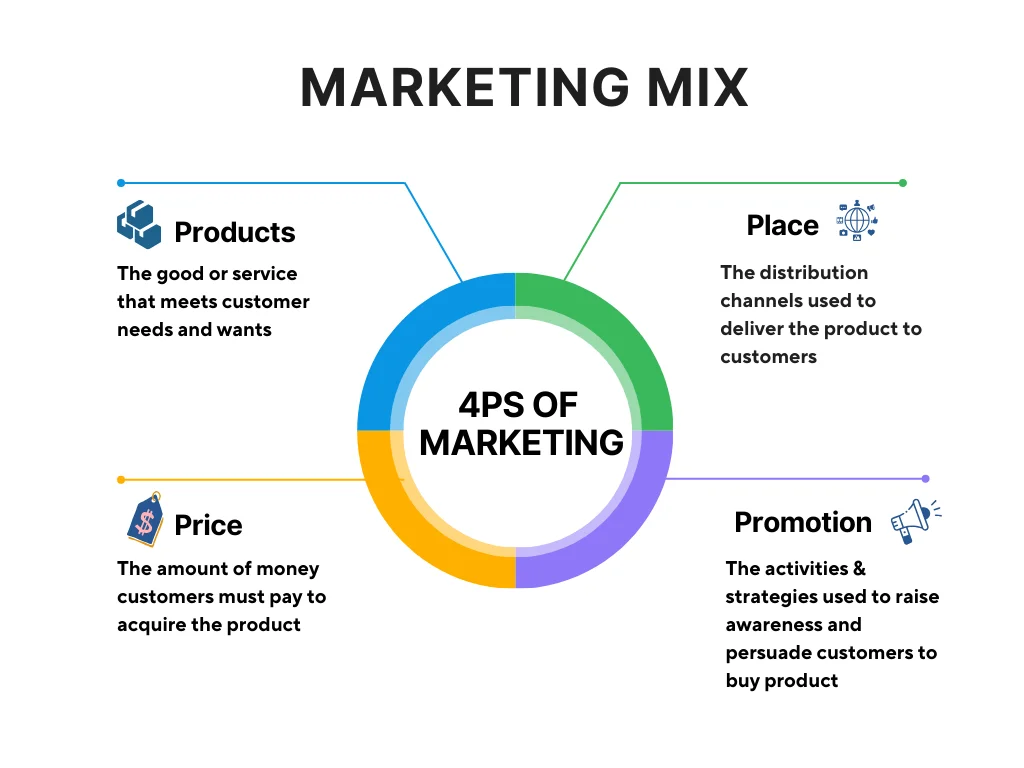
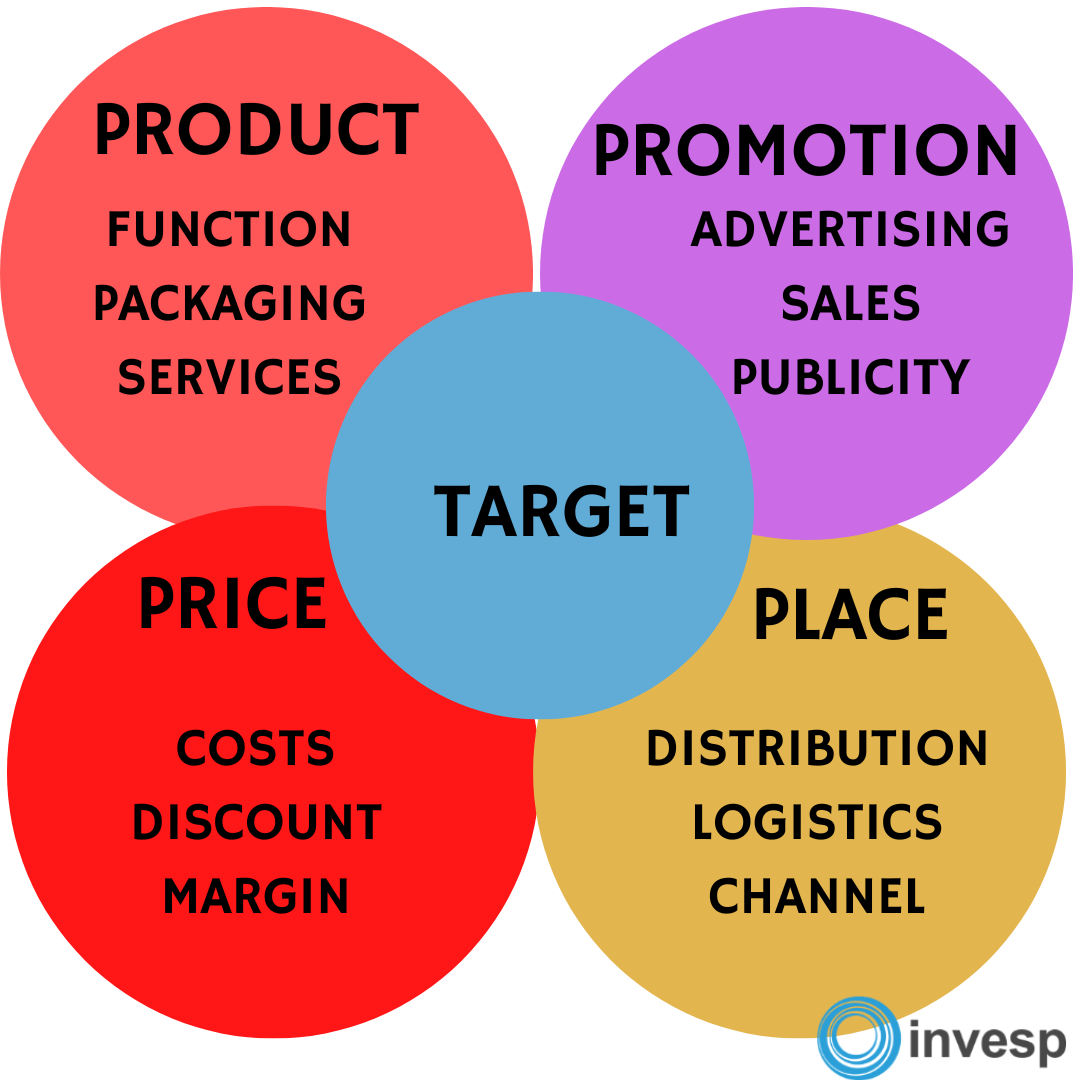
In the rapidly evolving landscape of global commerce, where digital disruption and shifting consumer behaviors redefine the rules of engagement daily, some foundational principles remain unshakable. At the heart of every successful brand strategy lies a framework that has guided marketers for decades: the 4 Ps of Marketing. Also known as the Marketing Mix, this framework—comprising Product, Price, Place, and Promotion—serves as the blueprint for transforming a business concept into a household name.
For modern brand strategists, the 4 Ps are not merely a checklist; they are the pillars of corporate identity and market positioning. When these four elements are aligned, they create a cohesive narrative that resonates with the target audience, builds brand equity, and ensures long-term sustainability. This article explores the depths of each “P,” providing professional insights into how they shape the modern brand.
1. Product: The Foundation of Brand Identity
The first and most critical element of the marketing mix is the Product. In the context of branding, a product is more than just a physical item or a service; it is the tangible manifestation of a brand’s promise to its customers. It is the solution to a specific problem or the fulfillment of a particular desire.
Defining the Core Value Proposition
A successful brand begins with a product that offers a clear value proposition. Before a single advertisement is created, the brand must determine what makes its offering unique. Is it superior functionality, an innovative design, or perhaps an emotional connection? For instance, Apple does not just sell smartphones; it sells an ecosystem of seamless integration and minimalist aesthetic. The product itself must embody the brand’s core values. If a brand claims to be “eco-friendly,” every aspect of the product—from its raw materials to its durability—must reflect that commitment.
Quality, Features, and Design
Design is where the Product “P” intersects most visibly with brand strategy. In a saturated market, the visual and functional design of a product serves as a silent ambassador for the brand. Features should not be added for the sake of complexity; rather, they should be curated to enhance the user experience. High-quality craftsmanship builds trust, which is the currency of brand loyalty. When a customer interacts with a product, the tactile experience, the ease of use, and the aesthetic appeal all contribute to their perception of the brand’s identity.
Product Lifecycle and Brand Longevity
Every product undergoes a lifecycle: introduction, growth, maturity, and decline. Strategic branding involves managing this lifecycle through continuous innovation. To maintain relevance, brands must iterate on their products or introduce extensions that cater to changing consumer tastes. A brand that fails to evolve its product offering risks becoming a legacy brand—recognized but no longer utilized. Continuous product development ensures that the brand remains at the forefront of its industry.
2. Price: The Signal of Brand Value
Price is often misunderstood as a purely financial metric, but in the realm of brand strategy, it is a powerful psychological tool. The price of a product communicates its value, quality, and target demographic long before a consumer reads a review.
Psychological Pricing and Brand Perception
Pricing acts as a signal. A high price point often suggests exclusivity, luxury, and superior quality—this is known as prestige pricing. Brands like Rolex or Hermès use high pricing to maintain an aura of scarcity and status. Conversely, a lower price point might signal accessibility and value-for-money, appealing to a broader, more budget-conscious demographic. Misaligning price with brand identity can be catastrophic; a luxury brand offering deep, frequent discounts risks eroding its perceived value and alienating its core audience.
Competitive Positioning through Pricing
To determine the right price, a brand must analyze its position within the competitive landscape. This involves understanding the “price elasticity” of the target market—how much a change in price affects consumer demand. A brand can choose a “skimming” strategy, setting high prices initially to capture the top tier of the market, or a “penetration” strategy, setting lower prices to gain market share quickly. The chosen strategy must reflect the brand’s long-term goals. Is the goal to be a niche leader or a mass-market powerhouse?
Discounts, Bundling, and Value-Based Strategies
Modern branding also utilizes sophisticated pricing structures like bundling and value-based pricing. Bundling allows a brand to increase the perceived value of an offering by combining several products at a slightly reduced rate, encouraging cross-selling. Value-based pricing, meanwhile, focuses on the customer’s perception of value rather than the cost of production. By emphasizing the benefits and the “return on emotion” or “return on time” the product provides, brands can command prices that far exceed their manufacturing costs.
3. Place: The Geometry of Brand Accessibility
“Place” refers to the distribution channels through which a product reaches the consumer. In a world of global e-commerce and physical retail, the “where” of marketing is just as important as the “what.” Place determines how convenient it is for a customer to interact with the brand.
Omnichannel Presence
The modern consumer expects a seamless experience across all touchpoints. This is the essence of an omnichannel strategy. Whether a customer is browsing on a mobile app, visiting a flagship brick-and-mortar store, or interacting via social media, the brand experience must remain consistent. The choice of “Place” should reflect where the target audience spends their time. For a high-end fashion brand, placement in a prestigious department store like Neiman Marcus is a strategic move to align with a specific lifestyle.
Direct-to-Consumer (DTC) vs. Traditional Retail
The rise of the Direct-to-Consumer (DTC) model has revolutionized the “Place” element. By selling directly through their own websites, brands like Warby Parker or Dollar Shave Club can control the entire customer journey, collect valuable data, and maintain higher margins. This direct relationship strengthens the brand-consumer bond. However, traditional retail still holds value for brands that benefit from physical “discovery” or the ability for customers to touch and feel the product before purchasing.
Logistics as a Brand Experience
Logistics and supply chain management are often overlooked components of “Place,” but they are vital to brand reputation. In the age of “Amazon Prime,” fast and reliable shipping has become a brand expectation. A product that is frequently out of stock or arrives late damages the brand’s reliability. Therefore, strategic placement also involves selecting logistics partners and distribution hubs that ensure the brand’s promise of “availability” is always met.
4. Promotion: The Voice of the Brand
Promotion is the most visible “P” of the marketing mix. It encompasses all the activities used to communicate the product’s benefits and persuade the target audience to take action. This is where the brand’s personality truly comes to life.
Integrated Marketing Communications (IMC)
For a promotion to be effective, it must be integrated. This means that advertising, public relations, direct marketing, and social media efforts must all speak with one voice. Consistency in messaging ensures that the brand identity is reinforced every time a consumer encounters it. An integrated approach prevents “brand fragmentation,” where different departments send conflicting messages, leading to consumer confusion.
Digital Strategy and Social Media
In the digital age, promotion has shifted from a one-way monologue to a two-way dialogue. Brands now use social media platforms not just to advertise, but to build communities. Content marketing—providing valuable, educational, or entertaining content—has become a cornerstone of modern promotion. By positioning itself as a thought leader or an entertainer, a brand can build a loyal following that feels a personal connection to the corporate identity. Influencer marketing and search engine optimization (SEO) are also critical tools in ensuring the brand is “seen” in an increasingly crowded digital space.
Public Relations and Storytelling
Great brands are built on great stories. Promotion is the vehicle for that storytelling. Through public relations (PR) and strategic partnerships, brands can craft a narrative that goes beyond features and benefits. They can share their origin stories, their commitment to social causes, or their vision for the future. Effective storytelling creates an emotional resonance that transcends the transactional nature of business. When consumers buy into a story, they are not just buying a product; they are participating in a brand’s mission.
Conclusion: Synthesizing the Mix for Brand Success
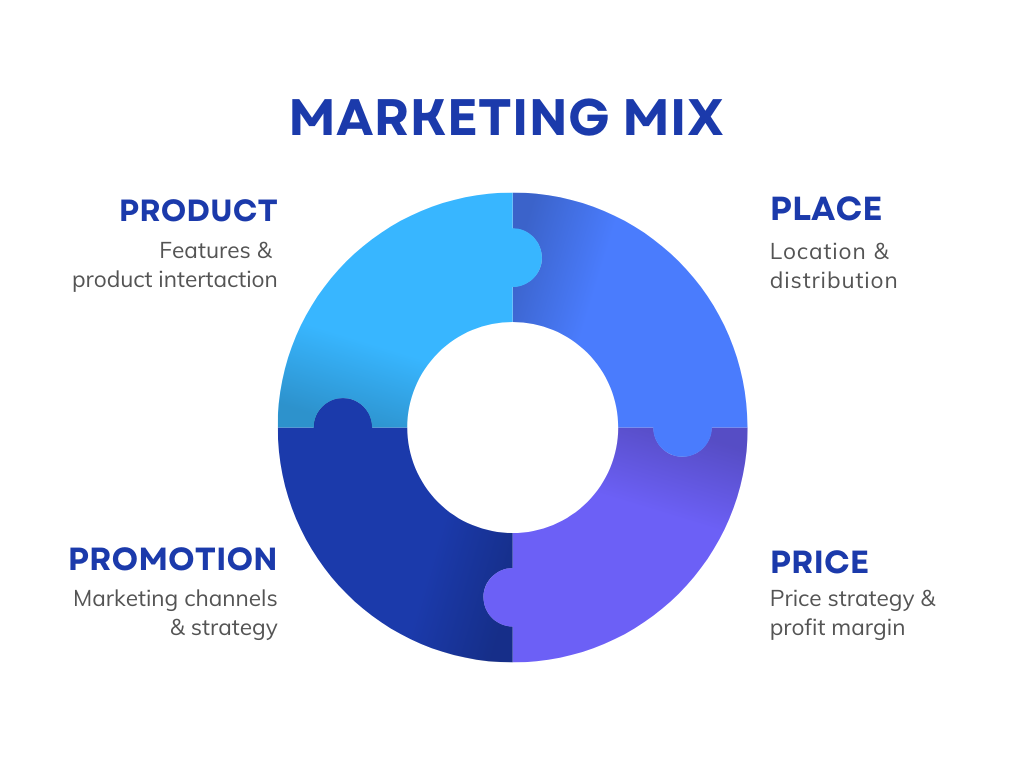
The 4 Ps of Marketing provide a timeless framework for building and maintaining a powerful brand. However, the true magic happens in the synthesis of these elements. A superior product (Product) offered at the right price (Price), available where the customer needs it (Place), and communicated through a compelling narrative (Promotion) creates a formidable market presence.
In today’s competitive environment, brand strategists must remain agile. While the 4 Ps provide the foundation, they must be constantly tuned and adjusted to meet the demands of a changing world. By maintaining a laser focus on these four pillars, businesses can ensure that their brand remains relevant, respected, and resilient in the face of any challenge. Ultimately, mastering the marketing mix is about more than just selling; it is about creating a lasting legacy in the mind of the consumer.
aViewFromTheCave is a participant in the Amazon Services LLC Associates Program, an affiliate advertising program designed to provide a means for sites to earn advertising fees by advertising and linking to Amazon.com. Amazon, the Amazon logo, AmazonSupply, and the AmazonSupply logo are trademarks of Amazon.com, Inc. or its affiliates. As an Amazon Associate we earn affiliate commissions from qualifying purchases.