
Texas has long been marketed as a land of economic opportunity, characterized by a “business-friendly” climate and a relatively low tax burden for individuals. For those relocating from high-tax states like California or New York, the Lone Star State’s tax structure often feels like a significant financial windfall. However, the phrase “Texas has no taxes” is a common misconception. While the state famously lacks a personal income tax, it funds its multi-billion dollar budget through a complex web of sales, property, and franchise taxes.
For anyone navigating personal finance, investing, or running a business within the state, understanding these nuances is critical. Taxes in Texas represent a trade-off: what you save in your paycheck, you may pay at the cash register or through your mortgage servicer. This article provides an in-depth analysis of the Texas tax system, categorizing the various ways the state generates revenue and how these mechanisms impact your bottom line.
The Absence of State Income Tax: What It Means for Your Personal Finances
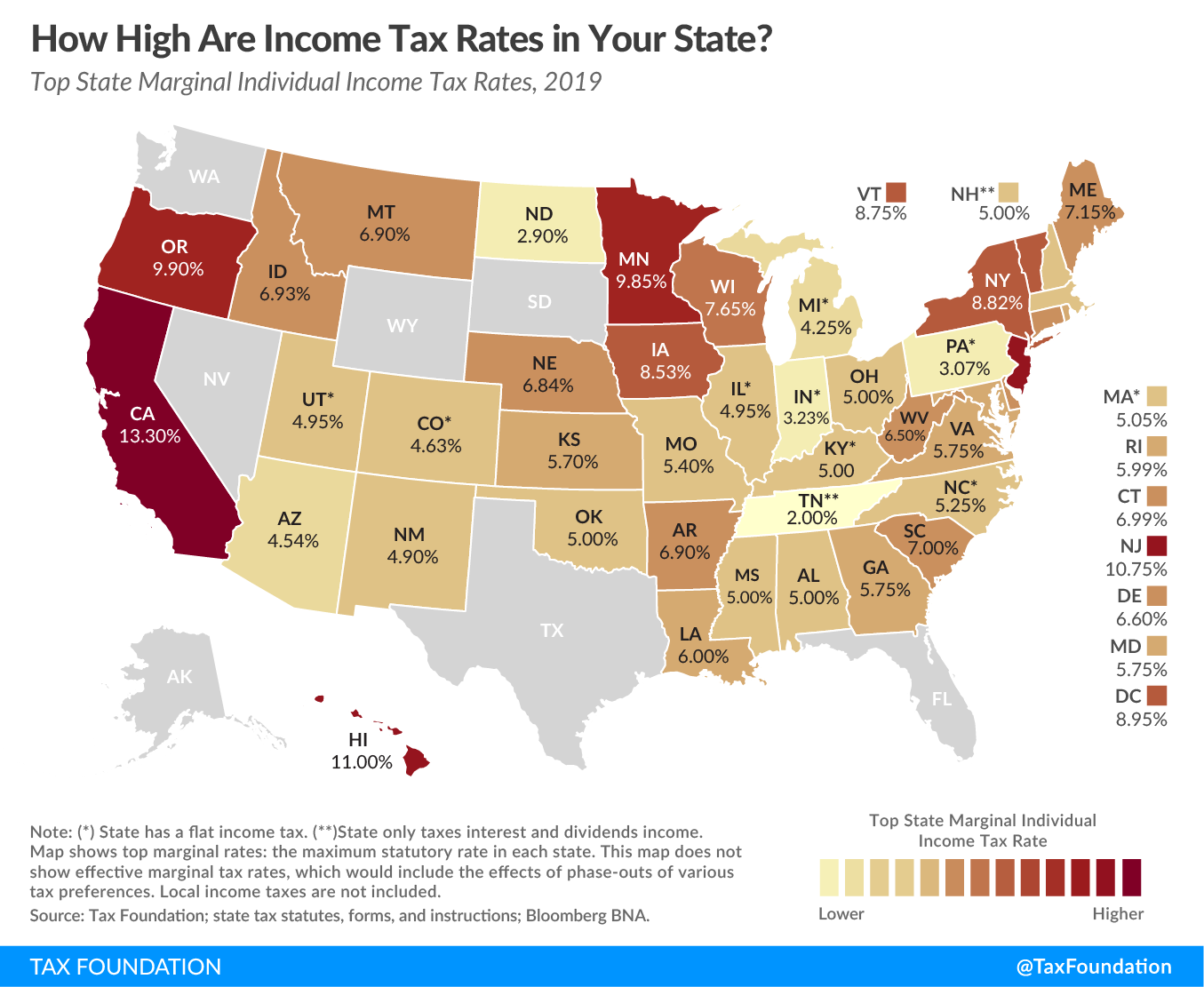
The most defining feature of the Texas tax code is the total absence of a state individual income tax. This is not merely a policy choice that can be easily overturned; it is a constitutional protection. In 2019, Texas voters approved a constitutional amendment that makes it significantly more difficult for any future legislature to impose an income tax on individuals.
The Immediate Impact on Take-Home Pay
From a personal finance perspective, the lack of a state income tax means that the “gap” between your gross salary and your net pay is narrower in Texas than in most other states. For a high-earning professional, this can result in thousands of extra dollars in disposable income every year. This liquidity allows for more aggressive retirement contributions, higher rates of personal investment, and a greater capacity for debt repayment. Because the state does not take a cut of your wages, Texas is often cited as a premier destination for “geographic arbitrage”—the practice of earning a high salary while living in a jurisdiction with a lower cost of living or lower tax burden.
Economic Growth and the “Texas Miracle”
Economists often point to the lack of income tax as a primary driver of the “Texas Miracle,” a period of sustained economic and population growth. By not taxing labor, the state incentivizes work and attracts high-skilled talent. For entrepreneurs and side-hustlers, this environment is particularly beneficial. When your online business or side income grows, you are only responsible for federal taxes, allowing you to reinvest 100% of the remaining profit back into your ventures.
Sales and Use Taxes: The Primary Revenue Stream
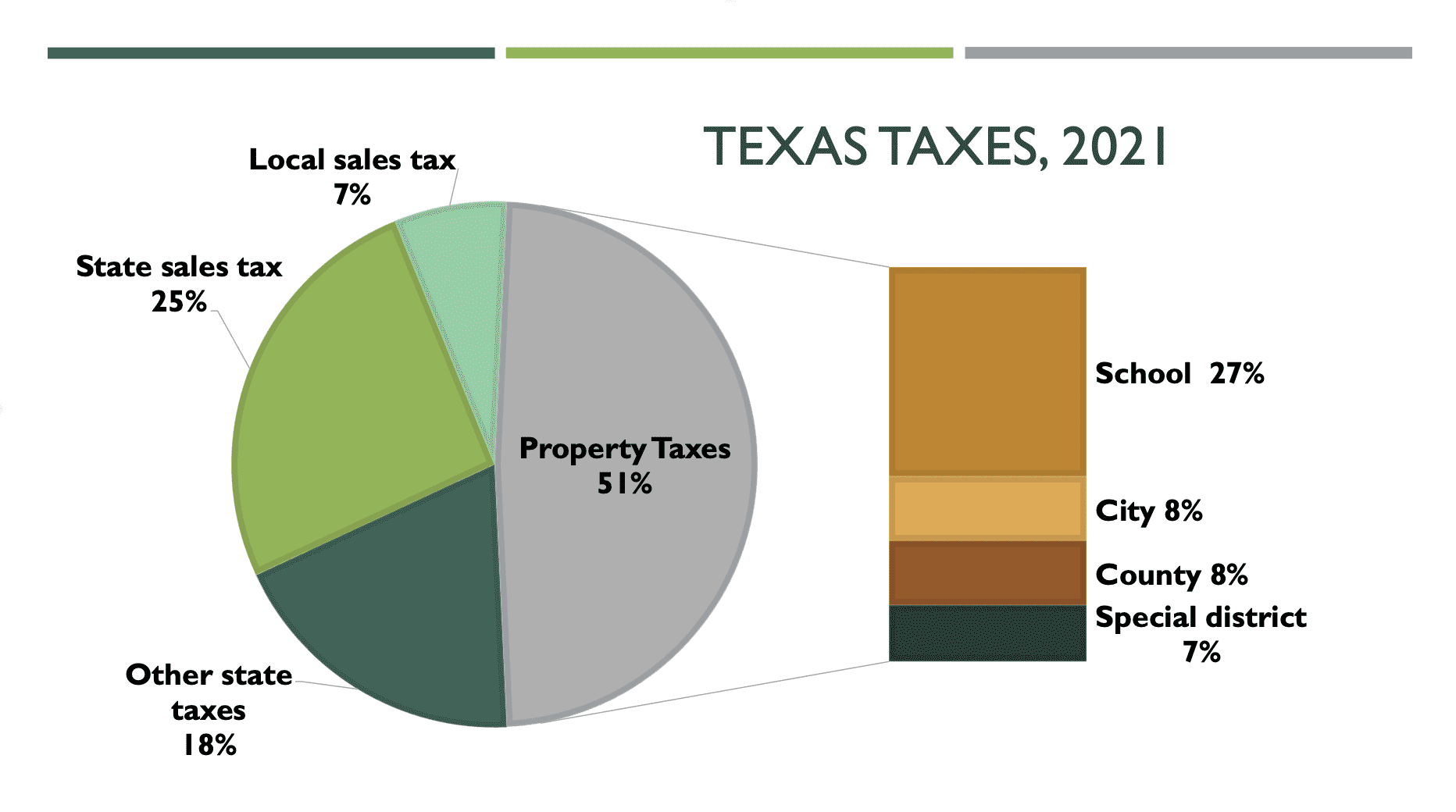
Since Texas does not tax income, it relies heavily on consumption-based taxes to fund state services, including infrastructure, public safety, and health programs. The sales and use tax is the largest single source of revenue for the state government.
How the Combined Rate Works
The base state sales tax rate in Texas is 6.25%. However, local taxing jurisdictions—including cities, counties, and special purpose districts—have the authority to impose additional sales taxes up to a maximum of 2%. Consequently, in most urban and suburban areas of Texas, consumers pay a total sales tax of 8.25% on taxable goods and services.
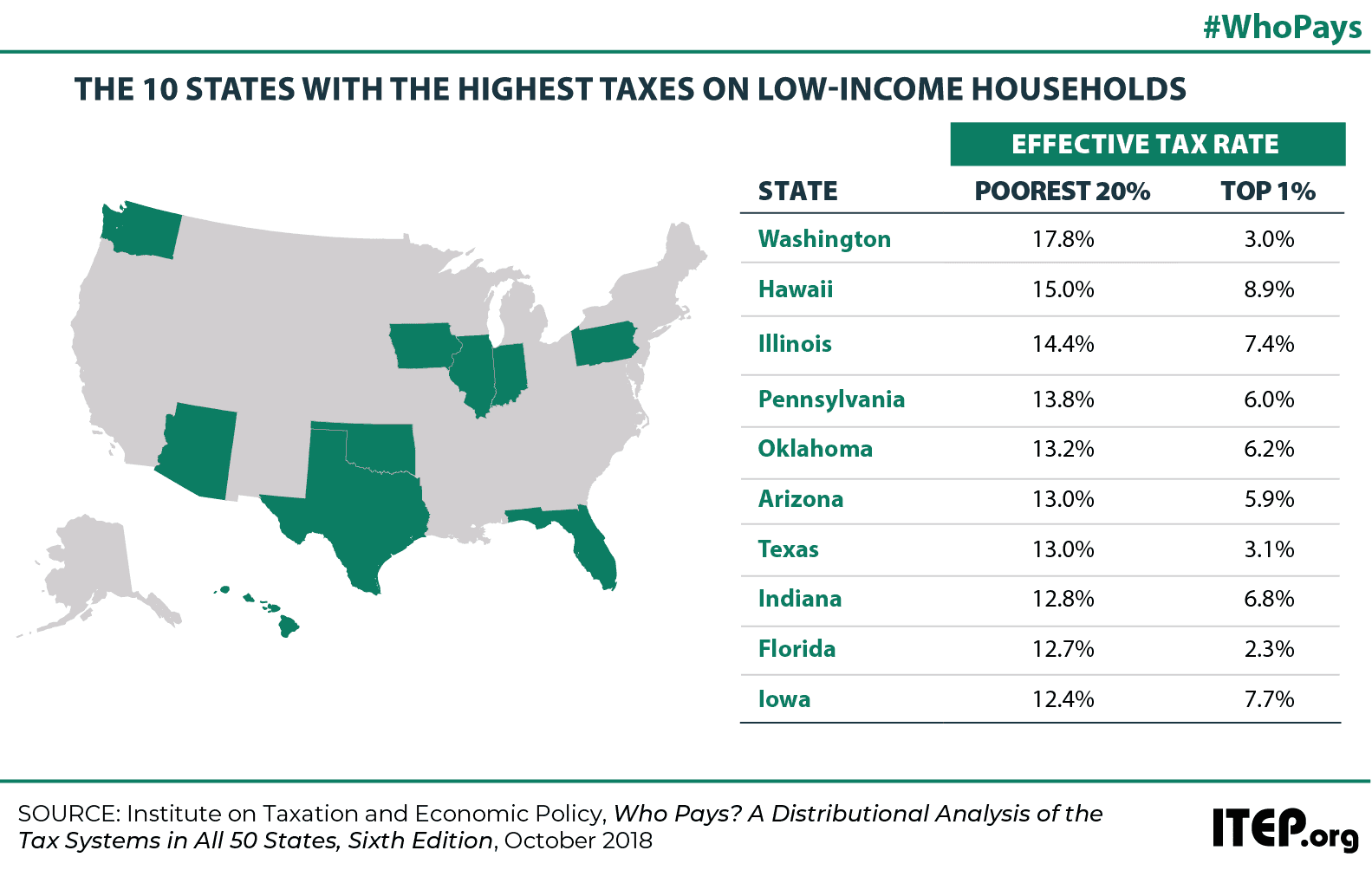
For those focused on financial planning, it is important to recognize that while income tax is “invisible” (taken before you see the money), sales tax is “visible” and highly regressive. It takes a larger percentage of income from lower-income households who must spend a higher proportion of their earnings on taxable goods.
Tax-Free Weekends and Exemptions
To mitigate the burden on families, Texas offers several exemptions and “tax holidays.” Most notably, the annual Sales Tax Holiday in August allows consumers to purchase clothes, shoes, and school supplies tax-free. Furthermore, Texas does not tax most “essential” items, such as groceries (unprepared food) and prescription medicines. Understanding these exemptions is a key component of savvy personal budgeting in the state.
Property Taxes in Texas: The Trade-off for No Income Tax
If there is a “catch” to the Texas tax system, it is found in property taxes. Because there is no state income tax, local governments—including school districts, cities, and counties—rely heavily on property taxes to fund their operations. Texas consistently ranks among the states with the highest effective property tax rates in the country.
How Property Taxes Are Calculated and Used
It is vital to note that the State of Texas itself does not levy a property tax. All property taxes are local. These are “ad valorem” taxes, meaning they are based on the market value of the property as determined by a county appraisal district. For homeowners, this means that even if your mortgage is paid off, you will always have a significant annual financial obligation to the local government. In many parts of Texas, property tax bills can range from 2% to 3% of the home’s assessed value annually.
The Role of Appraisal Districts and Protesting Valuations
For the financially minded resident, the annual property appraisal notice is a critical document. Because taxes are based on value, an increase in your home’s appraised value leads directly to a higher tax bill. In Texas, it is common practice for homeowners to “protest” their appraisals annually to ensure they are not overpaying. Many residents hire professional consultants or use data-driven tools to argue for lower valuations, which is a vital strategy for maintaining long-term housing affordability.
Homestead Exemptions and Relief Measures
To provide relief, Texas offers a “General Residence Homestead Exemption.” This allows homeowners to remove a portion of their home’s value from taxation, specifically for school district taxes. In recent years, the Texas Legislature has moved to significantly increase these exemptions to combat rising property values. There are also additional protections for seniors (over 65) and disabled individuals, including “tax ceilings” that freeze the amount of school district taxes an individual pays.
Business and Corporate Taxation: The Texas Franchise Tax
Texas is frequently ranked as one of the best states for business, but corporations and legal entities are not entirely exempt from state-level taxation. Instead of a traditional corporate income tax, Texas utilizes the “Franchise Tax.”
Who is Subject to the Margin Tax?
The Texas Franchise Tax is applicable to most “taxable entities” doing business in the state, including corporations, LLCs, partnerships, and business trusts. However, Texas provides a significant “No Tax Due” threshold. As of the current biennium, businesses with total revenue below a certain inflation-adjusted limit (approximately $2.47 million) are generally not required to pay the tax, though they must still file a simplified report. This makes Texas an exceptionally cheap place to run a small business or a startup.
Calculating the Franchise Tax Base
For larger companies, the tax is calculated based on the entity’s “margin.” Businesses can choose one of four ways to calculate their margin:
- Total revenue minus cost of goods sold.
- Total revenue minus compensation.
- Total revenue times 70%.
- Total revenue minus $1 million.
This unique structure allows businesses to choose the calculation method that results in the lowest tax liability, reinforcing the state’s reputation for flexibility and business-centric policy.
Specialized Excise and Consumption Taxes
Beyond the broad categories of sales and property taxes, Texas imposes various “excise” taxes on specific activities and products. These are often “hidden” in the price of the product or service.
Fuel, Tobacco, and Alcohol Taxes
Texas levies a flat tax on motor fuels (gasoline and diesel), currently set at $0.20 per gallon. This is relatively low compared to other large states, contributing to the state’s lower-than-average transportation costs. Conversely, “sin taxes” on tobacco and alcohol are significant revenue generators. For example, cigarettes are taxed at $1.41 per pack, and various rates apply to beer, wine, and distilled spirits.
Hotel Occupancy and Insurance Premium Taxes
If you travel within Texas or operate in the hospitality industry, the Hotel Occupancy Tax is a factor. The state charges a 6% rate, and local municipalities often add their own, sometimes pushing the total tax on a hotel room to 15% or higher. Additionally, Texas taxes insurance premiums, a cost that is often passed down to consumers in the form of higher insurance rates for auto, home, and life policies.
Conclusion: Balancing the Books in the Lone Star State
The Texas tax system is built on the philosophy of taxing consumption and wealth (in the form of real estate) rather than productivity and labor. For the individual focused on personal finance, this creates a landscape of high autonomy. You have more control over your tax burden in Texas than in many other states; if you spend less and live in a more modest home, your tax bill drops significantly because your income remains untouched.
However, the “Texas model” requires proactive financial management. One must account for high property taxes when calculating the true cost of homeownership and remain mindful of sales tax when budgeting for large purchases. For businesses, the franchise tax exemptions provide a clear runway for growth. By understanding these pillars of the Texas tax code—no income tax, high property tax, and a margin-based franchise tax—residents and investors can better navigate their financial futures in one of the nation’s most dynamic economies.
aViewFromTheCave is a participant in the Amazon Services LLC Associates Program, an affiliate advertising program designed to provide a means for sites to earn advertising fees by advertising and linking to Amazon.com. Amazon, the Amazon logo, AmazonSupply, and the AmazonSupply logo are trademarks of Amazon.com, Inc. or its affiliates. As an Amazon Associate we earn affiliate commissions from qualifying purchases.