
In the landscape of global commerce, few products possess the cultural resonance and market ubiquity of “fizzy drinks.” While a chemist might define a fizzy drink simply as a solution of carbon dioxide dissolved in water under pressure, a brand strategist views it as one of the most sophisticated examples of corporate identity and consumer psychology in existence. To understand what fizzy drinks are in a professional context is to understand the intersection of sensory branding, emotional resonance, and a century of strategic evolution.
From the iconic red of Coca-Cola to the rebellious blue of Pepsi and the minimalist aesthetic of modern craft kombuchas, the fizzy drink industry serves as a masterclass in brand differentiation. This article explores how carbonated beverages transitioned from simple commodities to lifestyle symbols that command billions of dollars in brand equity.

The Anatomy of a Fizzy Drink Brand
At its core, a fizzy drink brand is not selling a beverage; it is selling a sensory experience and a set of values. The “fizz” is more than a physical attribute—it is a brand asset that signifies freshness, energy, and celebration.
Visual Identity and the Psychology of Color
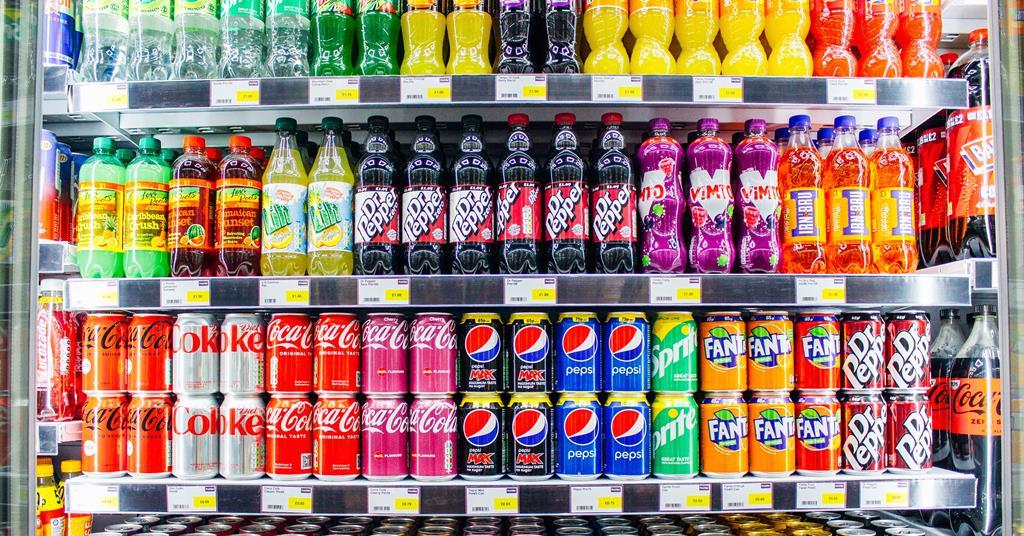
The visual language of the carbonated soft drink (CSD) market is one of the most studied areas in brand strategy. Color plays a pivotal role in consumer perception and instant recognition. For instance, the use of high-contrast red and white has become synonymous with tradition, happiness, and a “classic” experience. In contrast, deep blues and silvers are often utilized to project a cooler, more youthful, or “modern” edge.
When a brand chooses its palette in the fizzy drink sector, it is making a long-term commitment to a psychological profile. Green is almost universally reserved for citrus-flavored drinks, signaling refreshment and natural zest. The consistency of these visual cues across global markets ensures that a brand’s identity remains intact, whether the consumer is in a New York deli or a remote village in Southeast Asia.
Sound Branding: The ‘Phut’ and the ‘Fizz’
One of the most overlooked aspects of fizzy drink branding is “audio identity.” The sound of a can opening—the distinctive “phut”—followed by the white noise of carbonation escaping, is a powerful Pavlovian trigger. Leading brands have spent decades optimizing their packaging to ensure this sound is crisp and evocative. This sensory touchpoint reinforces the brand’s promise of carbonated vitality before the consumer even takes a sip. In the world of brand strategy, this is known as sensory congruence, where the sound, sight, and taste all align to reinforce a singular brand message.
Market Positioning and the Evolution of the “Soda” Narrative
To truly define what fizzy drinks are today, we must look at how they have been positioned throughout history. The narrative has shifted from medicinal utility to mass-market refreshment, and now, toward premium health-conscious alternatives.
From Medicinal Tonics to Lifestyle Symbols
In the late 19th and early 20th centuries, many fizzy drinks were marketed as “tonics” or “nerve stimulants.” The brand identity was rooted in science and well-being. However, as the market matured, the most successful brands realized that functional benefits have a ceiling. To achieve global scale, they had to pivot toward emotional branding.
By the mid-20th century, fizzy drinks were no longer just beverages; they were symbols of the “American Dream,” leisure, and social connection. This shift allowed brands to command a premium price and foster deep-seated loyalty that bypassed rational decision-making. Consumers weren’t buying carbonated sugar water; they were buying a moment of joy.
Navigating the Health Consciousness Shift
In the last two decades, the brand narrative for fizzy drinks has faced its greatest challenge: the global shift toward health and wellness. The “fizzy drink” identity, once associated with energy and fun, began to be viewed through the lens of high sugar content and artificial ingredients.
In response, brand strategists have overseen a massive “re-positioning” exercise. We have seen the rise of “Zero” and “No Sugar” sub-brands that utilize the parent brand’s equity while distancing themselves from its perceived negatives. This allows a legacy brand to maintain its core identity while expanding its portfolio to meet changing consumer demands. The brand identity here becomes an umbrella, sheltering various product iterations that cater to different health profiles.
The Global Giants: Case Studies in Brand Dominance
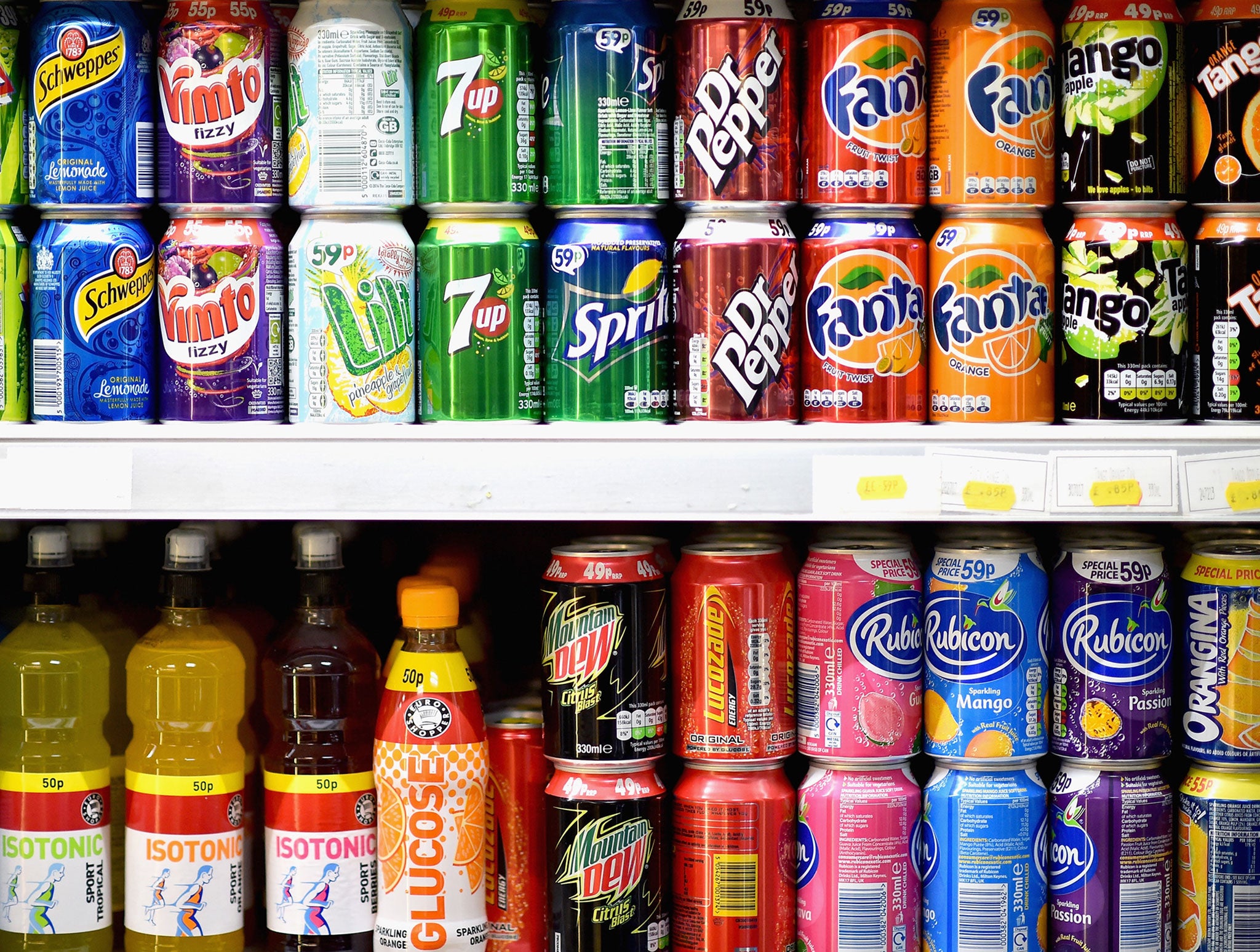
The fizzy drink sector is dominated by a few key players whose strategies have become the blueprints for modern corporate identity.
The Coca-Cola Masterclass in Emotional Branding
Coca-Cola is perhaps the most recognized brand in the world. Their strategy is rooted in “Universalism.” By positioning themselves as a brand that stands for happiness and togetherness, they have transcended the product category. Their brand identity is so strong that the “Coke” logo is recognizable even when stripped of its language. This is achieved through a relentless focus on core brand values and a marketing strategy that prioritizes emotional storytelling over product features.
Pepsi’s Challenger Brand Strategy
If Coca-Cola is the “Classic,” Pepsi has historically positioned itself as the “Choice of a New Generation.” This is a classic “Challenger Brand” strategy. By aligning with pop culture, music icons, and youthful rebellion, Pepsi created a distinct brand identity that offered an alternative to the traditionalism of its main rival. This “Blue vs. Red” dichotomy is one of the most successful examples of brand positioning in history, creating a duopoly that has defined the market for decades.
The Rise of Artisanal and Craft Fizzy Drinks
As the market for mass-produced fizzy drinks faces stagnation in some regions, a new category has emerged: the “Craft” or “Artisanal” fizzy drink. This movement represents a significant shift in brand strategy, moving away from mass appeal toward niche, high-value markets.
Differentiation through Ingredient Transparency
Craft fizzy drink brands, such as Fever-Tree or Fentimans, differentiate themselves through “provenance branding.” They focus on the origin of their ingredients—quinine from the Congo, ginger from Nigeria—rather than just the “fizz.” Their brand identity is built on authenticity, transparency, and a premium “adult” palate. This strategy targets the “Prosumer”—a consumer who is knowledgeable, discerning, and willing to pay a premium for perceived quality and a more sophisticated brand story.
Niche Marketing and Premiumization
The branding of these new-age fizzy drinks often utilizes minimalist design, matte finishes, and glass packaging to signal “premium.” Unlike the mass-market brands that aim to be everywhere, these brands focus on selective distribution in high-end bars, organic grocers, and boutique hotels. This scarcity-driven brand strategy enhances their prestige and allows them to maintain a higher price point, proving that “fizzy” can also mean “luxury.”
Future-Proofing the Fizzy Drink Brand
As we look toward the future, the definition of what a fizzy drink brand is continues to evolve. Strategy is no longer just about what is inside the bottle, but what the company stands for outside of it.
Sustainability and Eco-Friendly Packaging
In the modern era, a brand’s corporate identity is inextricably linked to its environmental footprint. For fizzy drink brands, this means tackling the “plastic problem.” Brands that successfully transition to circular economies, biodegradable materials, or innovative refill models are building “Trust Equity.” This is a crucial component of modern branding; consumers are increasingly making purchasing decisions based on a brand’s commitment to the planet. A fizzy drink brand that fails to address sustainability risks becoming obsolete in the eyes of the Gen Z and Millennial cohorts.
Digital Engagement and Community Building
Finally, the future of fizzy drink branding lies in digital transformation. Leading brands are moving beyond traditional television advertising to create digital ecosystems. Through social media engagement, limited-edition “drop” cultures (similar to streetwear), and interactive AR experiences on packaging, brands are building communities.
In this context, the “fizzy drink” is a conversation starter. It is a digital asset that can be shared on Instagram or a gateway to a brand-owned metaverse. By digitizing the experience of carbonation, brands are ensuring they remain relevant in an increasingly screen-dominated world.
Conclusion
What are fizzy drinks? In the realm of brand strategy, they are much more than carbonated water. They are sophisticated cultural artifacts built on layers of sensory triggers, emotional storytelling, and strategic positioning. Whether they are legacy giants representing “classic” values or craft startups representing “authenticity,” these brands demonstrate the power of identity in driving consumer behavior.
The fizzy drink industry proves that with the right strategy, even the most basic of commodities can be transformed into a global icon. As the industry continues to innovate through health-conscious products, sustainable practices, and digital engagement, the brand identity of the “fizzy drink” will remain a cornerstone of the global marketing landscape.
aViewFromTheCave is a participant in the Amazon Services LLC Associates Program, an affiliate advertising program designed to provide a means for sites to earn advertising fees by advertising and linking to Amazon.com. Amazon, the Amazon logo, AmazonSupply, and the AmazonSupply logo are trademarks of Amazon.com, Inc. or its affiliates. As an Amazon Associate we earn affiliate commissions from qualifying purchases.