
In the early days of the World Wide Web, a common joke suggested that the internet was made of two things: fiber-optic cables and cat pictures. While the humor holds up, the technical reality is far more profound. If we ask the question, “what about cats?” in the context of the technology sector, we discover that felines have not merely been passive subjects of viral memes. Instead, they have served as the foundational data points for some of the most significant breakthroughs in computer vision, the catalyst for the “Internet of Pets” (IoP) hardware revolution, and a primary test case for the ethics of consumer data privacy.
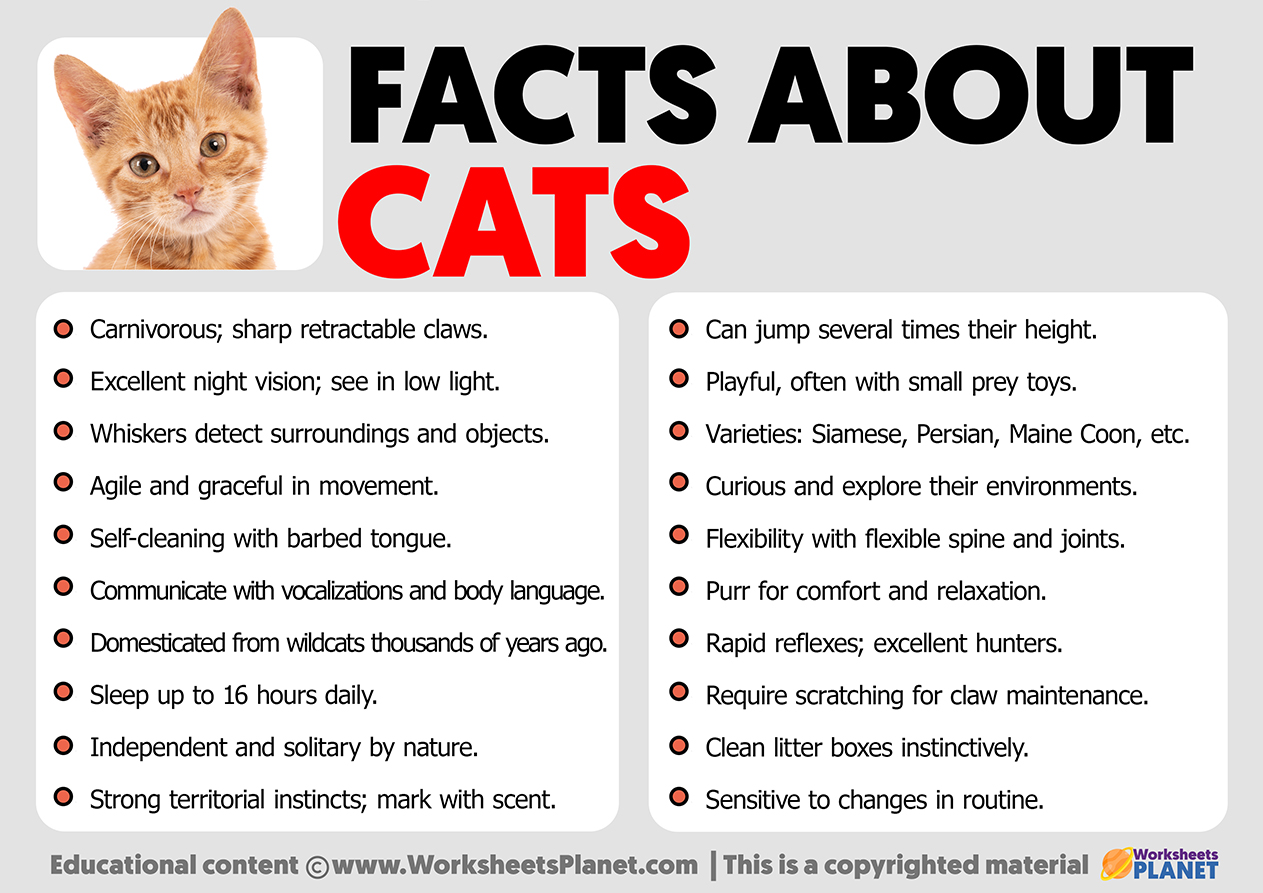
The Algorithmic Feline: How Cats Shaped the Development of Computer Vision
The history of artificial intelligence, specifically deep learning, is inextricably linked to the image of a cat. For decades, the primary challenge in computer science was “object recognition”—the ability of a machine to distinguish between different shapes and assign them meaning.
The “Cat Neuron” and the Google Brain Experiment
In 2012, Google’s X Lab conducted a landmark experiment that would change the trajectory of AI. They connected 16,000 computer processors to create a neural network with one billion connections and allowed it to browse YouTube for one week. The goal was to see if the machine could identify recurring patterns without any human labeling.
The result? The AI successfully taught itself to recognize a cat. By identifying the common features of millions of frames of cat videos—pointed ears, whiskers, and distinct facial structures—the network developed what researchers called a “cat neuron.” This was a pivotal moment in tech history, proving that unsupervised learning was possible. Today’s sophisticated facial recognition and autonomous driving systems owe their “visual intelligence” to those early models trained on feline data.
ImageNet and the Optimization of Search
Beyond individual experiments, the sheer volume of cat-related metadata on the internet has provided a massive, high-quality training set for search engine optimization (SEO) and image tagging algorithms. When you search for an image today, the precision of the results is due to millions of feline images that have been tagged, sorted, and categorized by humans and machines alike. Cats provided the “noise” that engineers had to filter, refine, and understand to perfect the search algorithms we use for professional and personal productivity.
The Internet of Pets (IoP): Smart Tech for the Modern Cat
As the Internet of Things (IoT) matures, a specialized niche has emerged: the Internet of Pets. “What about cats?” is the question driving a multi-billion-dollar industry focused on feline-centric hardware. Unlike dogs, who are often more socially interactive, cats present unique engineering challenges due to their solitary and meticulous nature.
Automated Health Monitoring and Smart Hardware
Modern technology has moved far beyond the simple laser pointer. We are now seeing the rise of smart litter boxes, such as the Litter-Robot, which utilize weight sensors and infrared tech to monitor a cat’s frequency of use. In the tech world, this is a form of “passive data collection.” By tracking these metrics and syncing them to a cloud-based app, the hardware can alert owners to potential health issues like urinary tract infections or kidney disease before they become clinical emergencies. This is a prime example of how wearable tech and home automation are merging with veterinary diagnostics.
AI-Driven Enrichment and Behavioral Tech
Cats require mental stimulation, and technology is stepping in to fill the gap for busy professionals. AI-driven toys now use motion sensors and machine learning to adapt to a specific cat’s hunting style. These gadgets don’t just move randomly; they “learn” which patterns trigger a pounce and which cause boredom, iterating their movements in real-time. This level of sophisticated feedback loop was once reserved for industrial robotics, but it has found a lucrative and functional home in feline enrichment.

Cybersecurity and the “Cat-and-Mouse” Game of Biometrics
When we discuss cats and technology, we must also address the security and privacy implications of bringing feline-focused devices into the home. Every smart feeder, camera, and GPS collar is an endpoint on a network, and like any IoT device, it carries inherent risks.
Biometrics for Pets: Identification and Security
Pet-facing technology is increasingly adopting biometric identification. Traditional microchips are passive, but new “smart cat doors” use facial recognition to ensure that only the household cat—and not a stray or a wild animal—can enter. This technology relies on the same facial-mapping algorithms used in high-end smartphones. However, this raises a technical hurdle: feline faces are remarkably similar to an algorithm compared to human faces. Engineering a camera and software suite that can distinguish between two tabby cats requires high-fidelity sensors and advanced edge computing.
The Privacy Implications of Pet-Facing Technology
The “what about cats” question extends to the humans living with them. Most cat-centric tech includes cameras or microphones for “pet monitoring.” In the cybersecurity world, these devices are often seen as the “weakest link” in a home network. Many of these gadgets are produced by startups that may not prioritize robust encryption. A compromised pet camera doesn’t just put the cat at risk; it provides a portal for hackers to access a user’s private life and home network. As the tech matures, the industry is seeing a shift toward “Privacy by Design,” where feline data is processed locally on the device rather than being sent to a vulnerable cloud server.
The Future of Feline Tech: From NLP to Longevity AI
The next frontier for technology and cats lies in the realm of communication and predictive analytics. We are moving from observing cats to actively interpreting and extending their lives through high-tech interventions.
Decoding Meows with Natural Language Processing (NLP)
Natural Language Processing is no longer just for human translation. Apps like MeowTalk are attempting to use AI to categorize feline vocalizations into specific intents—such as “I’m hungry” or “I’m in pain.” While still in its infancy, this technology uses the same acoustic analysis used in speech-to-text software. By collecting a global database of meows, developers are building a “Rosetta Stone” for interspecies communication, representing a fascinating crossover between linguistics and machine learning.
Predictive Analytics and Veterinary Bioinformatics
The most impactful technological shift is the move toward predictive healthcare. By leveraging Big Data—collecting health metrics from millions of cats globally—tech companies are developing “longevity models.” These models use AI to analyze blood work, genetic sequencing, and activity data to predict life-threatening conditions years in advance. In the professional tech space, this is known as “Informatized Medicine.” For the cat owner, it means their pet is no longer just a companion, but a participant in a global network of biological data that pushes the boundaries of what is possible in geriatric care and genomics.
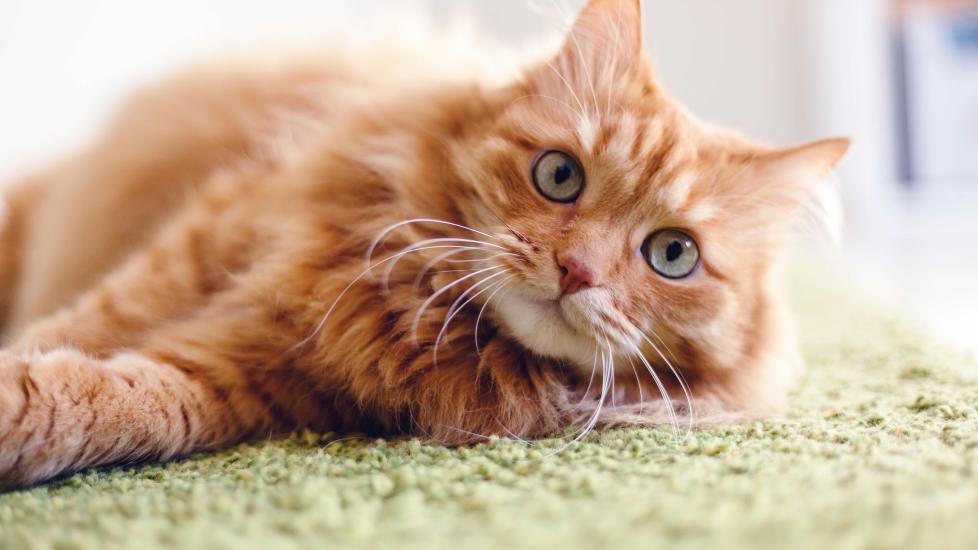
Conclusion: The Symbiosis of Whiskers and Wires
So, what about cats? Far from being a distraction, cats have acted as a silent engine for technological progress. They were the subjects that taught our first neural networks how to “see.” They are the reason for the rapid expansion of specialized IoT hardware in the domestic sphere. And they are currently at the center of a new wave of biometric and NLP research.
As we look toward the future, the relationship between technology and felines will only deepen. Whether it is through the refinement of computer vision, the securing of the smart home, or the use of AI to extend feline lifespans, the “cat” remains a vital category in the tech industry’s evolution. Professionals in the sector must recognize that the tools we build for our feline companions often lead to breakthroughs that benefit the entire digital ecosystem. In the end, the internet didn’t just adopt the cat; it was built, in many ways, to understand it.
aViewFromTheCave is a participant in the Amazon Services LLC Associates Program, an affiliate advertising program designed to provide a means for sites to earn advertising fees by advertising and linking to Amazon.com. Amazon, the Amazon logo, AmazonSupply, and the AmazonSupply logo are trademarks of Amazon.com, Inc. or its affiliates. As an Amazon Associate we earn affiliate commissions from qualifying purchases.