
In the world of physical health, a hernia occurs when an internal organ or fatty tissue pushes through a weak spot in the surrounding muscle or connective tissue. It is a condition born of pressure and structural vulnerability. In the high-stakes environment of enterprise technology, we are seeing a digital equivalent of this phenomenon. A “Digital Hernia” occurs when the sheer volume of data, the velocity of AI integration, or the weight of legacy technical debt causes a rupture in a company’s operational framework.
As organizations push their digital transformations to the limit, the infrastructure supporting these initiatives is beginning to bulge and, in many cases, break. This article explores the anatomy of these technical ruptures, the systemic pressures causing them, and the “surgical” interventions required to restore digital health in an era of unprecedented technological strain.

The Anatomy of a Digital Hernia: Why Systems Fail Under Pressure
To understand how a digital system “herniates,” we must first look at the stressors that weaken the corporate infrastructure. For years, companies have focused on rapid feature deployment and market expansion, often at the expense of structural integrity. This approach has created a landscape where internal systems are stretched thin, waiting for a catalyst to cause a failure.
Technical Debt as the Underlying Weakness
Technical debt is the “weakened muscle” of the tech world. It represents the accumulated cost of choosing an easy, short-term solution today instead of a better approach that might take longer. When a company relies on outdated codebases, unpatched servers, or “spaghetti” integrations, the structural integrity of its tech stack diminishes. Under normal operating conditions, these weaknesses might remain hidden. However, when the business experiences a sudden surge in traffic or attempts to pivot its service model, the internal pressure forces a failure through these legacy weak points.
The Strain of Rapid Scaling
In the modern SaaS (Software as a Service) economy, the mantra is “scale or die.” Yet, scaling without a robust architectural foundation is a primary cause of system ruptures. When a platform designed for 10,000 users is suddenly forced to accommodate 1,000,000, the database architecture often becomes the point of protrusion. Without proper sharding, load balancing, or elastic cloud resources, the system experiences a “hernia”—a visible, painful break in service that compromises the user experience and the brand’s reliability.
The Prolapse of Legacy Systems in an AI-Driven World
The current gold rush toward Artificial Intelligence (AI) and Machine Learning (ML) has acted as a massive weight placed upon existing digital structures. Organizations are desperate to integrate Generative AI into their workflows, but many are finding that their current “bodies” are not built to carry such a heavy load.
Integrating Generative AI into Fragile Architectures
Generative AI requires massive computational power and high-speed data retrieval. When companies attempt to bolt these modern, resource-heavy tools onto monolithic legacy architectures, the result is often a catastrophic slowdown or a complete system collapse. The “hernia” here is the mismatch between the advanced capabilities of the AI and the antiquated pipes of the internal network. Data cannot move fast enough, APIs fail under the latency, and the resulting friction creates heat that the existing cooling systems—both literal and metaphorical—cannot handle.
Data Silos and Structural Inefficiency
A digital hernia often manifests as a data rupture. In many organizations, data is stored in disconnected silos. When an organization attempts to implement a cross-functional digital strategy, the pressure to consolidate this data causes “leaks.” Information ends up where it shouldn’t be, or becomes inaccessible when it is needed most. This inefficiency acts as a constant strain on the organization’s operational health, leading to “chronic pain” in the form of slow decision-making and redundant processes.
Security Ruptures: When the Perimeter Fails
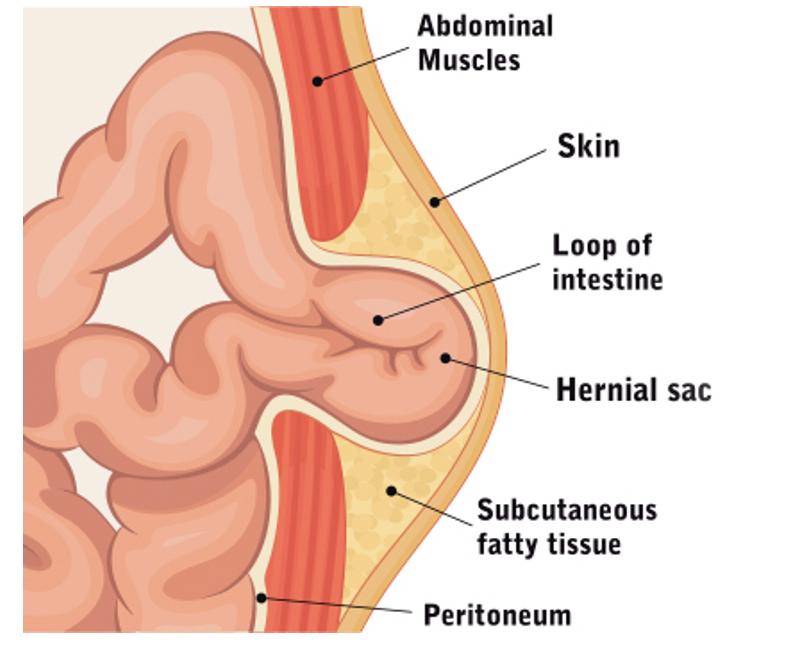
In cybersecurity, a hernia can be viewed as a breach where the internal assets of a company “protrude” into the public domain through a vulnerability. These ruptures are not just technical failures; they are existential threats to the modern enterprise.
The Cost of a Security Hernia
When a system’s security perimeter is breached, the “viscera” of the company—proprietary data, customer PII (Personally Identifiable Information), and financial records—is exposed. The cause is almost always a localized weakness: an unpatched software version, a misconfigured cloud bucket, or a compromised credential. Much like a physical hernia, if left untreated, a security rupture can become “strangulated,” cutting off the flow of business operations and leading to significant regulatory fines and loss of consumer trust.
Moving Toward Zero-Trust Resilience
To prevent these security ruptures, the industry is moving toward “Zero-Trust” architectures. In this model, the assumption is that the perimeter is already compromised. By implementing micro-segmentation, organizations essentially create “internal walls” that prevent a single weakness from leading to a full-system rupture. It is the digital equivalent of wearing a support belt; it reinforces the structure so that even if one area is under pressure, the rest of the body remains protected.
Surgical Solutions: Remediation Strategies for CTOs
Fixing a digital hernia requires more than just a “patch.” It requires a fundamental strengthening of the system’s core. For Chief Technology Officers (CTOs) and IT leaders, this involves a strategic shift from reactive maintenance to proactive structural reinforcement.
Containerization and Microservices as the Mesh
In medical hernia repairs, a surgical mesh is often used to reinforce the weakened area. In technology, containerization (using tools like Docker and Kubernetes) and microservices architecture serve a similar purpose. By breaking a monolithic application into smaller, independent services, IT teams can ensure that a failure in one area does not cause a total system collapse. This modularity provides the flexibility and strength needed to handle high-pressure workloads without rupturing.
The Role of Automated Observability
You cannot fix what you cannot see. Modern “surgical” success in tech depends on observability. Advanced monitoring tools that utilize AI to predict failures before they happen allow teams to identify “thinning” areas in their infrastructure. By monitoring latency, throughput, and error rates in real-time, engineers can perform “preventative surgery”—upgrading resources or optimizing code before a full-blown rupture occurs.
Refactoring: The Hard Truth of Systemic Healing
Sometimes, the only way to fix a digital hernia is to go under the knife: code refactoring. This involves rewriting legacy code to make it more efficient and secure without changing its external behavior. While expensive and time-consuming, refactoring removes the “weak spots” of technical debt, ensuring that the system can handle the pressures of modern high-speed computing.
Future-Proofing the Digital Core
As we look toward the next decade of technological evolution, the pressures on our digital systems will only increase. Quantum computing, edge networks, and autonomous systems will place even greater demands on our infrastructure. Avoiding a “digital hernia” in the future requires a commitment to “infrastructure health” as a core business value.
Building for Elasticity, Not Just Growth
The goal for future-proofed tech is elasticity. A system that can expand and contract based on demand is far less likely to rupture than one that is rigid and fragile. Cloud-native strategies that leverage auto-scaling and serverless functions allow the digital body to adapt to pressure dynamically. This elasticity is the ultimate defense against the structural failures that plague less modern organizations.

Fostering a Culture of Technical Excellence
Ultimately, the health of a digital system is a reflection of the team that builds and maintains it. A culture that prioritizes clean code, regular updates, and rigorous testing is a culture that builds resilient systems. When developers are given the time to address technical debt rather than being forced to sprint toward the next feature, the risk of a digital hernia is drastically reduced.
In conclusion, “what a hernia” might be a phrase of frustration when a system crashes, but it is also a call to action. It is a signal that the internal pressures of a business have outpaced the strength of its digital foundation. By identifying these weak points, investing in structural reinforcement, and adopting modern architectural standards, organizations can move past the pain of ruptures and into a future of robust, scalable, and high-performance technology.
aViewFromTheCave is a participant in the Amazon Services LLC Associates Program, an affiliate advertising program designed to provide a means for sites to earn advertising fees by advertising and linking to Amazon.com. Amazon, the Amazon logo, AmazonSupply, and the AmazonSupply logo are trademarks of Amazon.com, Inc. or its affiliates. As an Amazon Associate we earn affiliate commissions from qualifying purchases.