
In the world of high-stakes personal branding, there are few case studies as dramatic or as cautionary as the trajectory of Prince Andrew, the Duke of York. For decades, his brand was built on the pillars of military service, royal prestige, and global diplomatic representation. However, the recent years have seen a total dismantling of that identity. From a branding perspective, what is happening to Prince Andrew is not just a personal or legal crisis; it is a systematic “de-branding” by one of the world’s most enduring corporate entities—the British Monarchy, often referred to as “The Firm.”
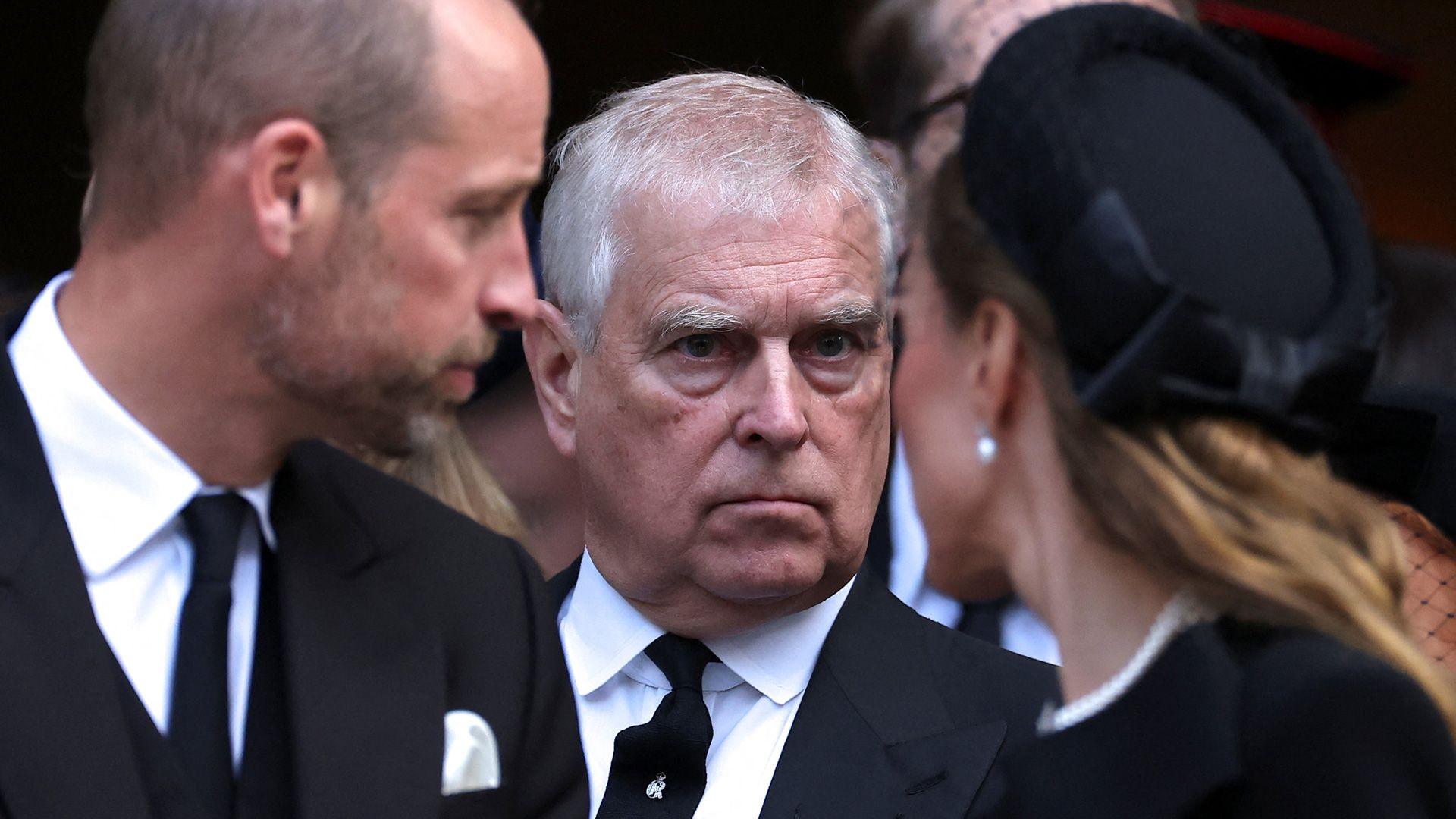
This article explores the mechanics of this brand collapse, examining how a legacy personal brand enters a state of toxicity and the strategic measures taken by the parent organization to insulate itself from the fallout.
The Anatomy of a Brand Crisis: From Asset to Liability
The first step in understanding the current state of the Prince Andrew brand is identifying the point at which a personal brand transitions from a high-value asset to a systemic liability. In the corporate world, a brand is a promise of value. For a member of the Royal Family, that value is rooted in public service, moral high ground, and symbolic continuity.
The Failure of the BBC Newsnight Interview as a Strategic Blunder
In branding, “voice” is everything. When Prince Andrew sat down with Emily Maitlis for the infamous Newsnight interview in 2019, it was a desperate attempt at brand rehabilitation. From a crisis management standpoint, it is now studied as a “what-not-to-do” guide. The objective was to provide clarity and humanize the brand; the result was a catastrophic disconnect.
The interview failed because it lacked empathy—a core component of modern brand equity. By failing to acknowledge the victims and focusing instead on his own inability to sweat or his presence at a Pizza Express, the Duke violated the fundamental rule of personal branding: authenticity must be paired with relatability. When a brand appears out of touch with its audience’s values, it loses its “social license” to operate.
Contradicting Core Values: The Disconnect Between Public Duty and Private Conduct
A brand is only as strong as the alignment between its stated values and its actions. The British Royal brand is marketed on the idea of “duty.” When the allegations surrounding Prince Andrew’s associations surfaced, they created a cognitive dissonance for the “consumers” (the public). The brand “Prince Andrew” was no longer synonymous with the Royal Navy or international trade; it became synonymous with controversy and legal peril. In the marketplace of public opinion, once a brand’s core values are compromised by association, the damage is often irreversible.
Rebranding by Exclusion: The Monarchy’s Strategic Pivot
When a subsidiary brand becomes toxic, the parent corporation has two choices: attempt to fix it or divest. The British Monarchy, under the leadership of first Queen Elizabeth II and now King Charles III, chose a strategy of aggressive divestment. This is what we are seeing today: the systematic removal of the Prince Andrew brand from the Royal “portfolio.”
“The Firm” as a Corporate Entity: Protecting the Parent Brand
To understand what is happening to Prince Andrew, one must view the Monarchy as a global corporate entity. The Monarchy’s primary brand objective is survival and relevance. When an individual member’s personal brand threatens the viability of the institution, “The Firm” prioritizes the collective over the individual.
The decision to distance the Duke of York was a calculated marketing move. By removing him from the “inner circle” of working royals, the Monarchy signaled to its stakeholders—the British public and the Commonwealth—that the institution does not condone the individual’s actions. This is akin to a major corporation firing a CEO and scrubbing their name from the building to prevent a stock price collapse.
The Stripping of Titles: A Mandatory De-branding Exercise
The most visible sign of this brand exclusion was the stripping of the Duke’s military affiliations and Royal patronages. In branding terms, these are “brand extensions” or “endorsements.” By removing his HRH (His Royal Highness) style in an official capacity, the Monarchy effectively revoked his license to use the “Royal” trademark.
This process of “de-branding” is rare in its severity. It serves as a wall of separation. Today, what’s happening to Prince Andrew is a form of brand exile; he retains the title of Duke by law, but he has been stripped of the brand symbols that gave that title its power and prestige.

Reputation Recovery vs. Permanent Damage
Can a toxic personal brand ever be rehabilitated? This is the question currently facing the Duke’s advisors. However, the path to recovery for the Prince Andrew brand is fraught with unique obstacles that traditional corporate brands do not face.
Is Rehabilitation Possible for a Toxic Personal Brand?
In the world of marketing, “rebranding” usually involves a period of silence followed by a relaunch with a new focus. We have seen the Duke attempt small-scale “re-entries” into the public eye—attending memorial services or appearing at royal events. However, these attempts often result in a “backfire effect.”
For a brand to be rehabilitated, there must be a perceived “redemption arc.” This usually requires a public admission of fault, a sincere apology, and a period of penance or charitable work that feels authentic. Because the Duke’s legal settlement did not include an admission of guilt, the Prince Andrew brand remains in a state of purgatory. It is a brand that cannot move forward because it has not adequately addressed its past.
The Role of Digital Permanence in Modern Reputation Management
One of the reasons the Prince Andrew brand struggles to evolve is the “digital footprint.” In the pre-internet era, a royal scandal might fade into history books. Today, every search for “Prince Andrew” is met with a wall of negative SEO: headlines, interview clips, and legal documents.
In digital branding, your brand is what Google says it is. For the Duke, the search engine results pages (SERPs) are dominated by the very associations the Monarchy is trying to sever. This digital permanence makes it nearly impossible to launch a “New Andrew” brand identity. He is effectively “locked” into his current reputation by the sheer volume of global digital discourse.
Lessons for Modern Personal Branding and Crisis Communications
The situation surrounding Prince Andrew offers profound insights for anyone managing a personal or corporate brand. The stakes may be lower for the average business leader, but the principles of brand preservation remain the same.
Transparency and Accountability as Non-Negotiable Assets
The primary lesson from the Duke’s brand collapse is that transparency is the only effective shield in a crisis. Modern audiences have a high “crap detector.” Any attempt to obfuscate or deflect responsibility is viewed as a brand weakness.
In a digital age, a brand’s survival depends on its ability to take accountability in real-time. What we see happening to Prince Andrew is the result of a “legacy mindset”—the belief that prestige and status can override modern expectations of accountability. This mindset is a relic of the past and is fatal to brands in the 21st century.
Knowing When to Exit the Spotlight: The Strategy of Silence
Sometimes, the best brand strategy is absence. For the Prince Andrew brand, the most effective move in recent years has been his relative withdrawal from public life. In branding, this is known as “fading.” By removing himself from the daily news cycle, he reduces the frequency of “negative brand impressions.”
However, silence is only a temporary fix. A brand that exists only in silence is a dead brand. For the Duke, the strategy of silence serves the parent brand (The Monarchy) more than it serves him. It allows the institution to heal while he remains in a state of brand stasis.
Conclusion: The Finality of Brand Erosion
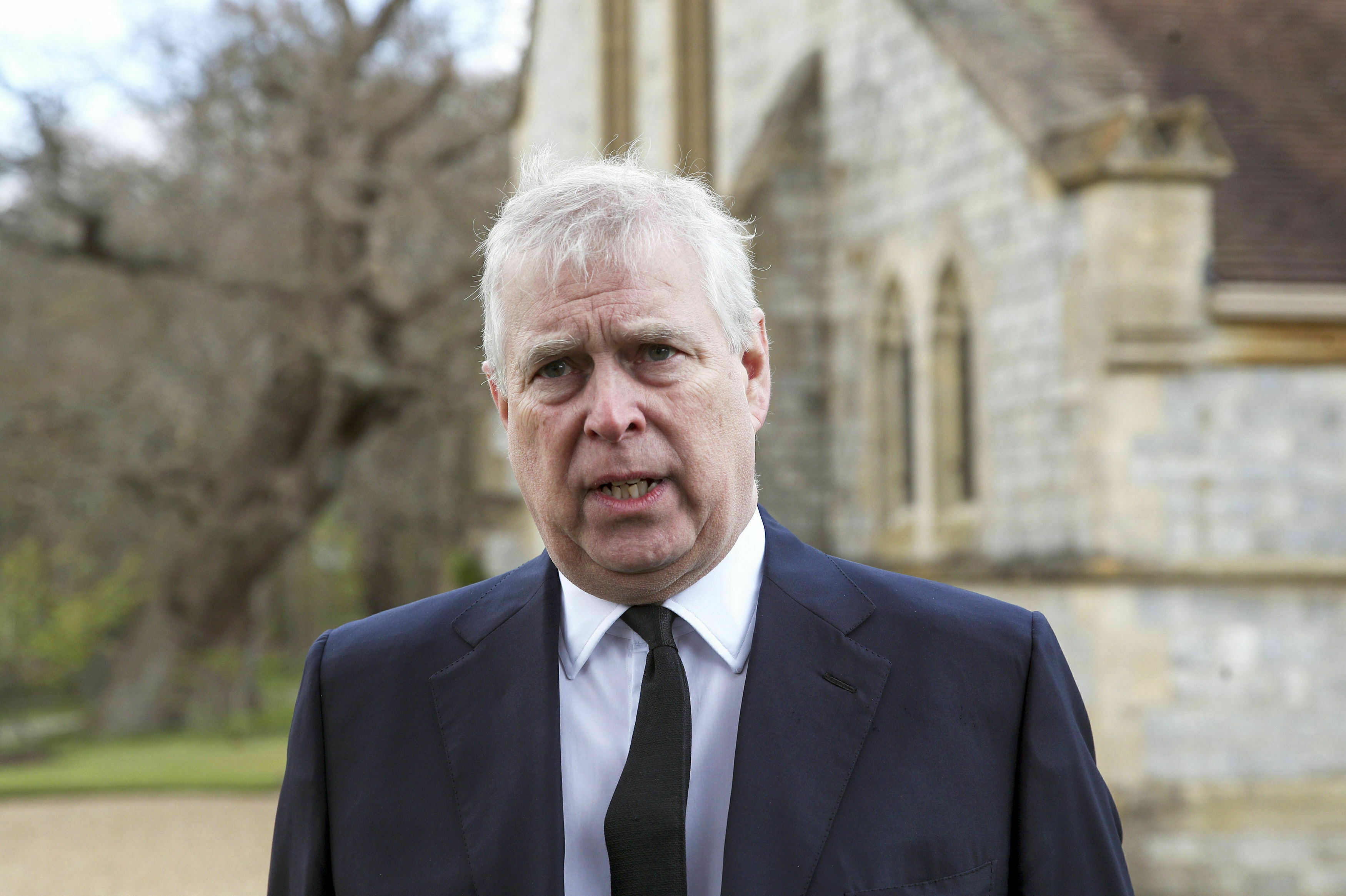
What is happening to Prince Andrew is a total eclipse of a once-prominent personal brand. He has become a “ghost brand”—an identity that still exists in name but lacks any of the influence, utility, or respect that defines a successful brand.
The British Monarchy has demonstrated that in the clash between an individual brand and the corporate legacy, the legacy will always win. By stripping away the layers of military honors, royal duties, and public visibility, they have turned a Prince into a private citizen with a famous name and a troubled reputation. It is a stark reminder that in the modern economy, your brand is not what you say it is; it is what your audience—and your parent organization—allows it to be. For Prince Andrew, the brand “Royal” is gone, and what remains is a cautionary tale of how quickly a legacy can be dismantled when trust is permanently broken.
aViewFromTheCave is a participant in the Amazon Services LLC Associates Program, an affiliate advertising program designed to provide a means for sites to earn advertising fees by advertising and linking to Amazon.com. Amazon, the Amazon logo, AmazonSupply, and the AmazonSupply logo are trademarks of Amazon.com, Inc. or its affiliates. As an Amazon Associate we earn affiliate commissions from qualifying purchases.