
In the landscape of global entertainment, few intellectual properties command the same level of recognition and prestige as the Indiana Jones franchise. When audiences ask, “What year does Indiana Jones take place?” they are not merely inquiring about historical dates; they are seeking to understand the timeline of a brand that has defined the adventure genre for over four decades. From a brand strategy perspective, the temporal setting of Indiana Jones is its most powerful asset. By anchoring the protagonist in specific, high-stakes historical eras, Lucasfilm and Disney have crafted a brand identity that thrives on a unique blend of nostalgia, authenticity, and timeless heroism.
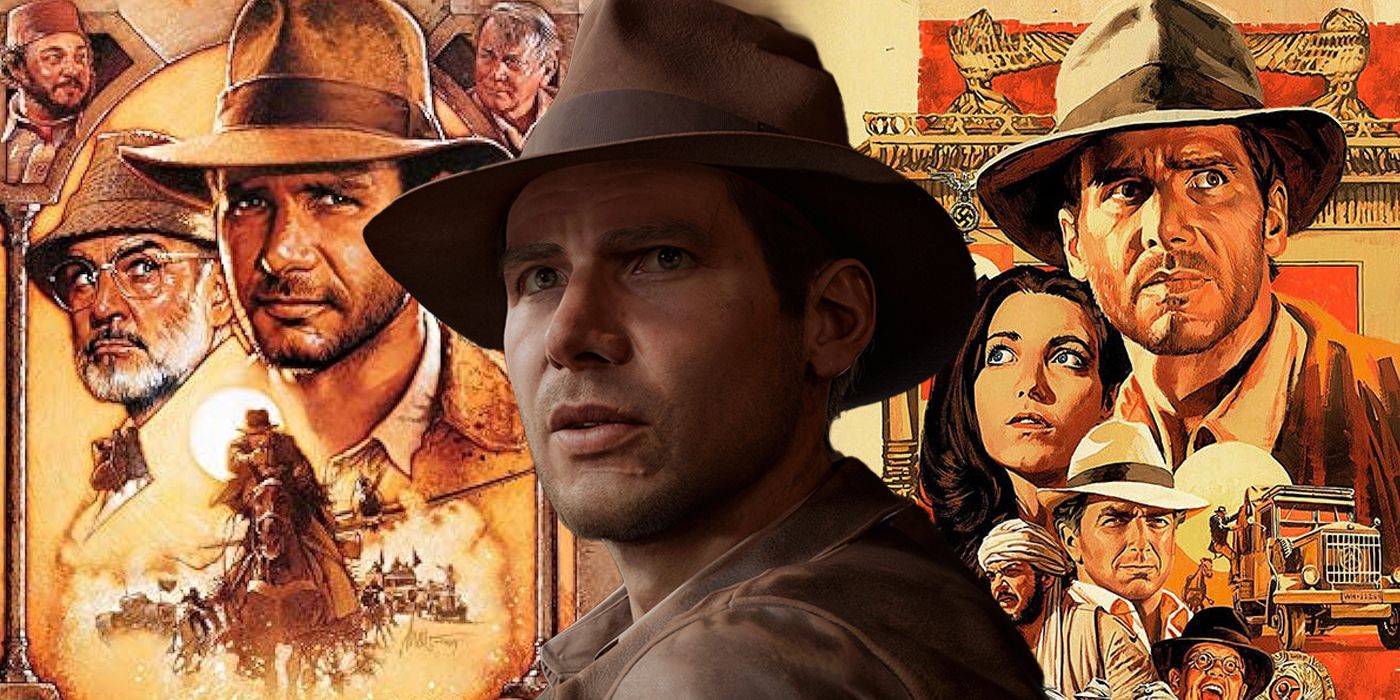
The Indiana Jones brand is a masterclass in how to manage a long-term corporate identity. It demonstrates how a brand can evolve across fifty years of real-world time while maintaining a consistent narrative core. This article explores the strategic importance of the Indiana Jones timeline and how its chronological placement serves as the foundation for its enduring brand equity.
The Strategic Timeline: Mapping the Indiana Jones Brand Journey
The success of the Indiana Jones brand relies heavily on its “period piece” status. Unlike modern action franchises that must constantly update their technology to stay relevant, Indiana Jones utilizes its historical settings to create a “locked-in” aesthetic that never goes out of style.
The Golden Age (1930s–1940s): Establishing the Core Brand Identity
The foundation of the Indiana Jones brand was built on the 1930s. Raiders of the Lost Ark (1981) is set in 1936, Indiana Jones and the Temple of Doom (1984) serves as a prequel set in 1935, and Indiana Jones and the Last Crusade (1989) moves the needle to 1938.
From a marketing and design standpoint, this era was chosen to evoke the “pulp” magazines and Saturday morning serials of the early 20th century. By setting the brand in the late 1930s, the creators tapped into a pre-existing cultural shorthand: a world on the brink of war, clear-cut villains (the Nazis), and a sense of global mystery. This era established the “visual brand language” of Indiana Jones—the fedora, the leather jacket, the bullwhip, and the dusty, sepia-toned cinematography.
The Modern Shift (1950s–1960s): Adapting the Narrative for New Generations
As the real-world years passed and lead actor Harrison Ford aged, the brand strategy had to pivot. Indiana Jones and the Kingdom of the Crystal Skull (2008) jumped forward to 1957, while the final installment, Indiana Jones and the Dial of Destiny (2023), primarily takes place in 1969 (with a prologue set in 1944).
This shift was a calculated move in brand adaptation. By moving the timeline into the Cold War and the Space Age, the brand moved away from the “supernatural pulp” of the 30s toward “sci-fi B-movies” and geopolitical tension. This allowed the brand to remain authentic to the character’s age while exploring new thematic territories, proving that a strong corporate identity can survive a radical change in its environment as long as the core values—bravery, intellect, and stubbornness—remain intact.
Brand Persistence: Why the Era Defines the Product
In brand management, “consistency” is often cited as the key to longevity. For Indiana Jones, consistency is achieved through a meticulous dedication to historical atmosphere. The question of “what year” the story takes place is essential because every gear, vehicle, and costume must reflect that specific moment in time to maintain brand integrity.
The Aesthetic of Nostalgia as a Marketing Tool
The Indiana Jones brand utilizes “historical nostalgia” as its primary marketing hook. By situating the films in the mid-20th century, the brand avoids the “dated” feel of many 1980s action movies. Because the films were always intended to look old, they have aged remarkably well.
This strategy is similar to how luxury brands like Hermès or Rolex focus on timelessness rather than trends. The Indiana Jones brand doesn’t compete with the high-tech gadgets of James Bond or the high-fantasy elements of Marvel. Instead, it owns the “historical adventure” niche. This clear brand positioning makes it instantly recognizable to consumers across different demographics, from Boomers who remember the serials to Gen Z fans discovering the films on streaming platforms.
Consistency in Character Branding Across Decades
A major challenge for any long-running brand is the “human element.” How does a brand survive when its face—Harrison Ford—ages? The Indiana Jones brand solved this by integrating the timeline into the character’s development.
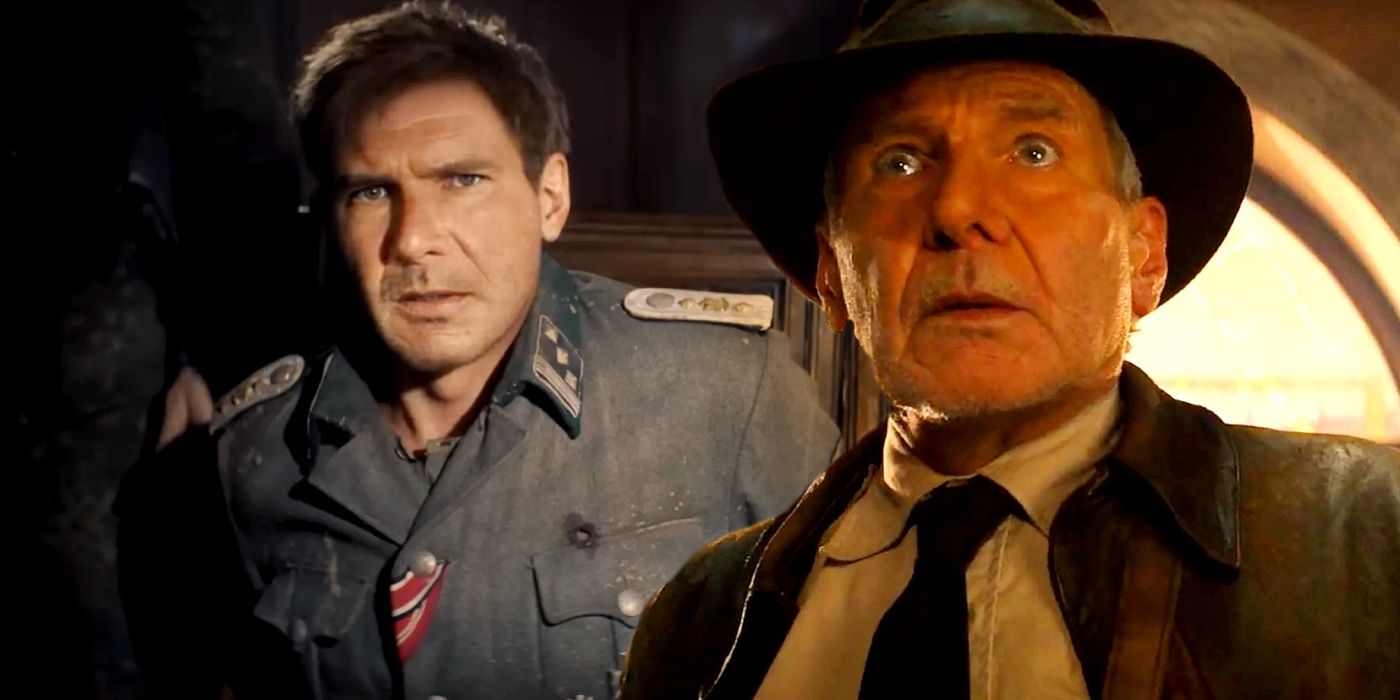
Instead of rebooting the series with a younger actor (a move that often dilutes brand equity, as seen in other franchises), the brand owners leaned into the chronology. In 1936, Indy is a brash adventurer; in 1969, he is a man out of time, struggling with a world that has traded archaeology for moon landings. This narrative honesty strengthens the brand’s emotional connection with the audience. It transforms Indiana Jones from a mere movie character into a lifelong companion for the viewer, enhancing “brand loyalty” through shared aging and experience.
Transmedia Storytelling and the Expansion of the Timeline
To maximize the commercial value of an IP, brand strategists often look toward transmedia expansion—extending the story into television, books, and games. For Indiana Jones, this meant exploring years that the films couldn’t cover.
The Young Indiana Jones Chronicles: Deepening the Brand Origin
In the 1990s, the brand expanded via The Young Indiana Jones Chronicles. This series took place between 1908 and 1920, focusing on Indy as a child and a young man. From a brand strategy perspective, this served two purposes:
- Educational Positioning: It rebranded Indiana Jones as an educational tool, teaching history through the lens of adventure.
- Market Penetration: It reached a younger audience, ensuring the brand’s survival during the long gap between the third and fourth films.
By exploring these early years, the brand established a “cradle-to-grave” narrative, making the intellectual property feel like a complete, lived-in universe.
Games and Literature: Filling the Chronological Gaps
The “Indy timeline” is further bolstered by video games and novels, such as Indiana Jones and the Fate of Atlantis (set in 1939) or the upcoming Indiana Jones and the Great Circle (set between Raiders and Last Crusade). These products are strategically placed in the “sweet spot” of the timeline—the 1930s—to capitalize on the most popular era of the brand. This allows the brand to generate revenue from its “classic” identity while the films experiment with different time periods.
Future-Proofing an Icon: Lessons in Brand Longevity
What can modern corporations and personal brands learn from the Indiana Jones timeline? The primary lesson is the value of a well-defined “heritage.”
Managing the Handover and the “Old Indy” Strategy
As The Dial of Destiny concluded Harrison Ford’s tenure, the brand faced a crossroads. The strategic decision to set the final film in 1969 was a way to provide “brand closure.” By acknowledging the end of an era, the brand maintains its dignity.
In corporate identity, knowing when to retire a product line or pivot a strategy is as important as the launch. The Indiana Jones brand has successfully transitioned from a “current” film series to a “legacy” brand. This allows Disney to continue monetizing the IP through theme park attractions, merchandise, and potential spin-offs without tarnishing the original “gold standard” set by the 1930s-era films.
The Business Value of Historical Authenticity
Finally, the Indiana Jones brand proves that attention to detail is a competitive advantage. The commitment to the specific years of the timeline requires immense research and high production values. This “perceived quality” allows the brand to command premium pricing—whether for movie tickets, high-end collectibles, or licensed apparel.
When a brand is rooted in a specific time and place, it creates a “world” that consumers want to inhabit. The year 1936 isn’t just a date in the Indiana Jones universe; it is a brand environment characterized by adventure, mystery, and the triumph of intellect over brute force.
Conclusion
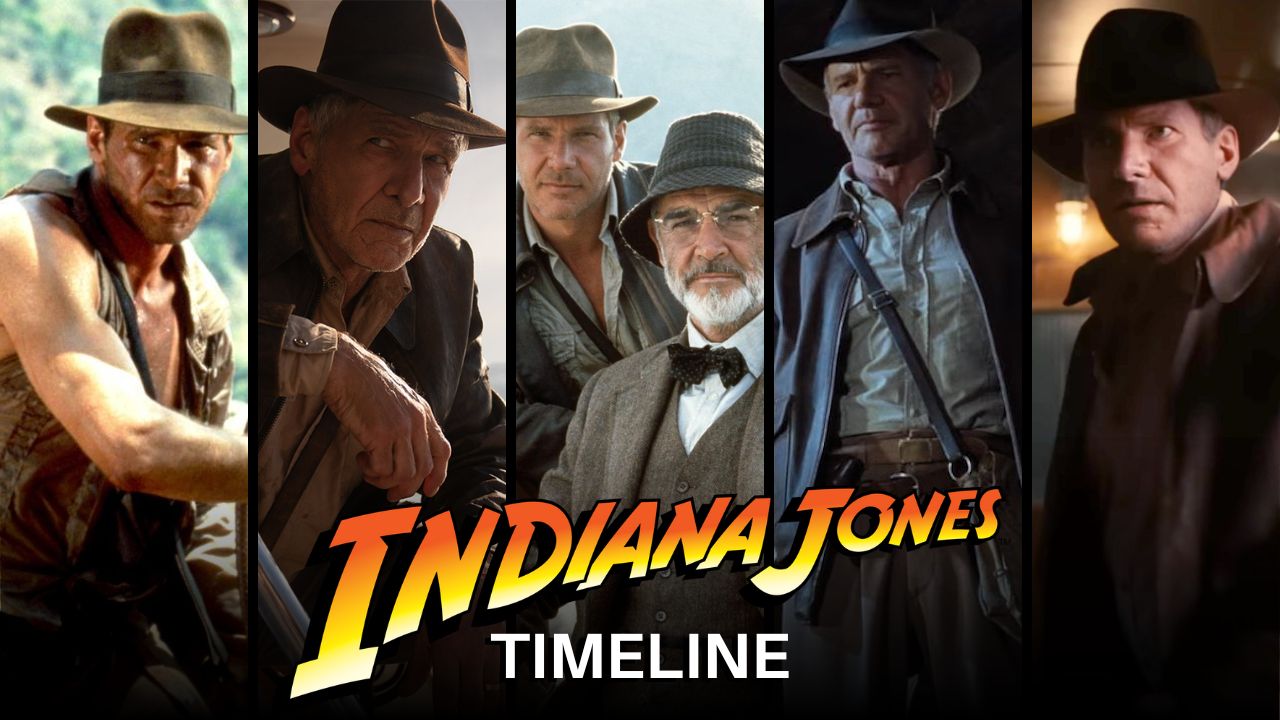
The question “What year does Indiana Jones take place?” is central to the franchise’s identity. From 1935 to 1969, the timeline serves as more than just a backdrop; it is a strategic tool that has allowed the brand to remain consistent, authentic, and profitable for over forty years.
By understanding the power of chronological branding, Lucasfilm has created a blueprint for how to manage legacy IP. They have shown that while the world changes and actors age, a brand that is built on timeless values and a clear sense of history can endure forever. Indiana Jones isn’t just a man in a hat; he is a meticulously managed brand that knows exactly where—and when—it belongs.
aViewFromTheCave is a participant in the Amazon Services LLC Associates Program, an affiliate advertising program designed to provide a means for sites to earn advertising fees by advertising and linking to Amazon.com. Amazon, the Amazon logo, AmazonSupply, and the AmazonSupply logo are trademarks of Amazon.com, Inc. or its affiliates. As an Amazon Associate we earn affiliate commissions from qualifying purchases.