
The cinema has long been a staple of global culture, serving as the primary venue for storytelling, escapism, and communal experience. However, for the modern consumer, the question “how much is a movie ticket?” no longer has a simple answer. What was once a standard, predictable expense has evolved into a complex pricing ecosystem influenced by geography, technology, and sophisticated financial strategies. Understanding the cost of a movie ticket today requires a deep dive into personal finance, inflationary trends, and the shifting business models of the entertainment industry.
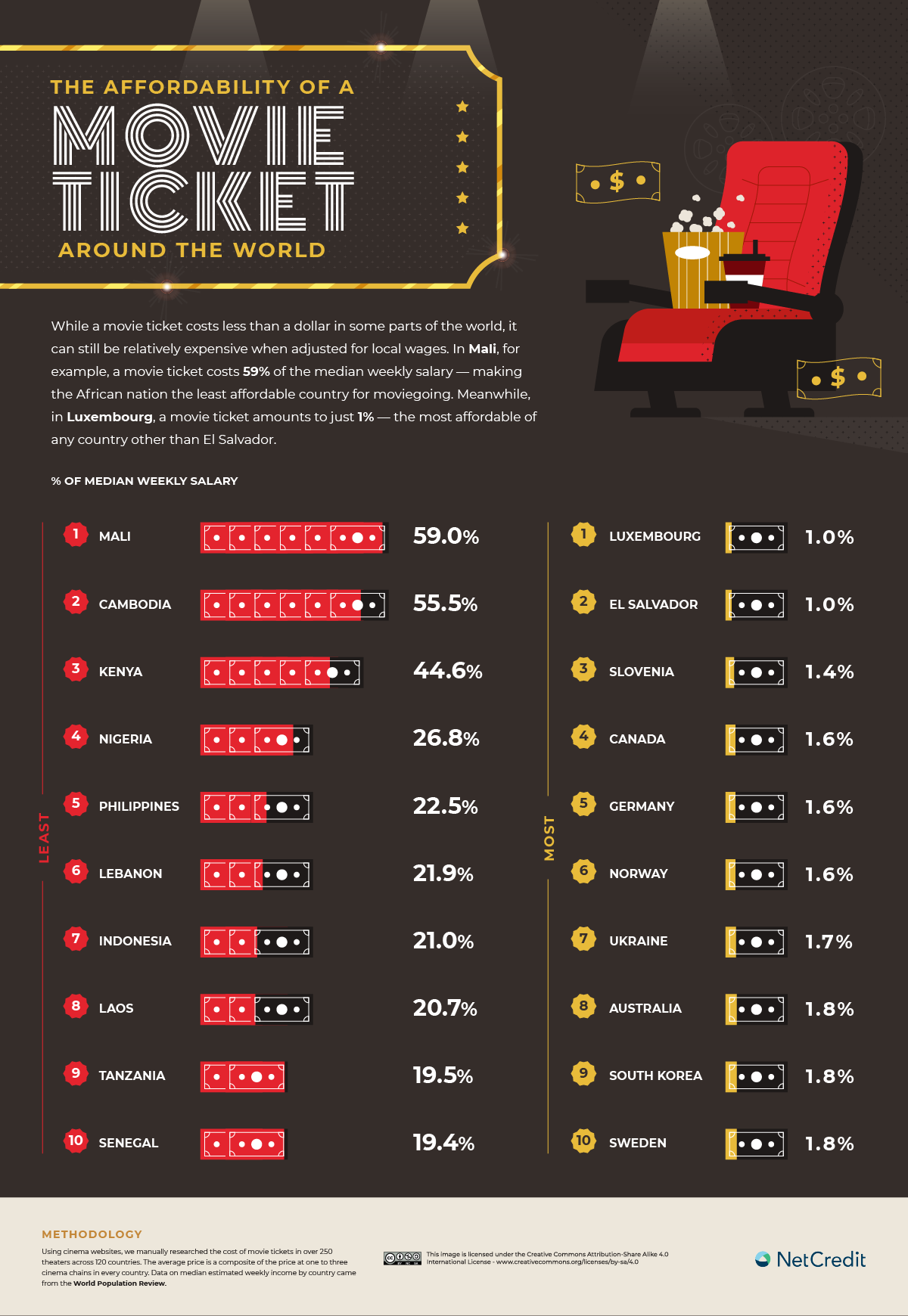
In this analysis, we will explore the financial landscape of moviegoing, examining how ticket prices are set, why they vary so drastically, and how consumers can navigate these costs within a disciplined financial plan.
The Evolution of Movie Ticket Pricing and Inflation
To understand current ticket prices, one must first look at the historical trajectory of cinema costs. Movie tickets are often cited as a benchmark for inflation because they represent a discretionary expense that most households track over generations.
From Nickelodeons to Blockbusters
In the early 20th century, the “Nickelodeon” era offered films for a mere five cents. Even as late as the 1970s, the average price of a movie ticket in the United States hovered around $1.50. From a personal finance perspective, the rise in prices isn’t merely a reflection of “greed,” but a response to the eroding purchasing power of currency. When adjusted for inflation, that $1.50 ticket from 1970 would be worth approximately $11.00 to $12.00 today—which, interestingly, aligns closely with the current national average for a standard 2D screening.
Understanding the “Real Cost” Adjusting for Inflation
While the nominal price has increased significantly, the “real cost” often stays relatively stable relative to the Consumer Price Index (CPI). However, the divergence occurs when we look at major metropolitan areas. In cities like New York, London, or Tokyo, a single ticket can exceed $25. This “urban premium” reflects the underlying business finance challenges faced by theaters, including skyrocketing commercial real estate leases and higher minimum wage requirements for staff. For the investor or the budget-conscious consumer, recognizing the difference between nominal price hikes and inflationary adjustments is key to understanding the true value of the entertainment dollar.
Factors Influencing Modern Ticket Costs
The reason you might pay $12 on a Tuesday afternoon but $22 on a Friday night involves a variety of economic drivers. Theater chains have moved away from flat-rate pricing toward a more nuanced, value-based model.
Regional Variance and Urban Premiums
Geography is perhaps the most significant determinant of ticket cost. Theater chains operate on thin margins, and their primary overhead is the physical space. In a rural environment, lower property taxes and operating costs allow a theater to remain profitable with an $8 ticket. In contrast, a flagship theater in a premium shopping district must charge significantly more to cover its capital expenditures. This creates a fragmented market where the “average” price is rarely the “actual” price paid by a majority of the population.
The Impact of Premium Formats
The industry has seen a massive shift toward “premium large formats” (PLF) such as IMAX, Dolby Cinema, and 4DX. From a business strategy standpoint, these formats are essential. While a standard 2D screen might have a fixed ceiling on what a consumer is willing to pay, premium formats allow theaters to command a 30% to 70% markup. These surcharges fund the high-end laser projectors and immersive sound systems that differentiate the theater experience from home streaming. For the consumer, choosing between a standard screen and IMAX is a direct exercise in assessing marginal utility: does the 20% increase in screen size justify the 50% increase in price?
The Rise of Dynamic Pricing and Subscription Models
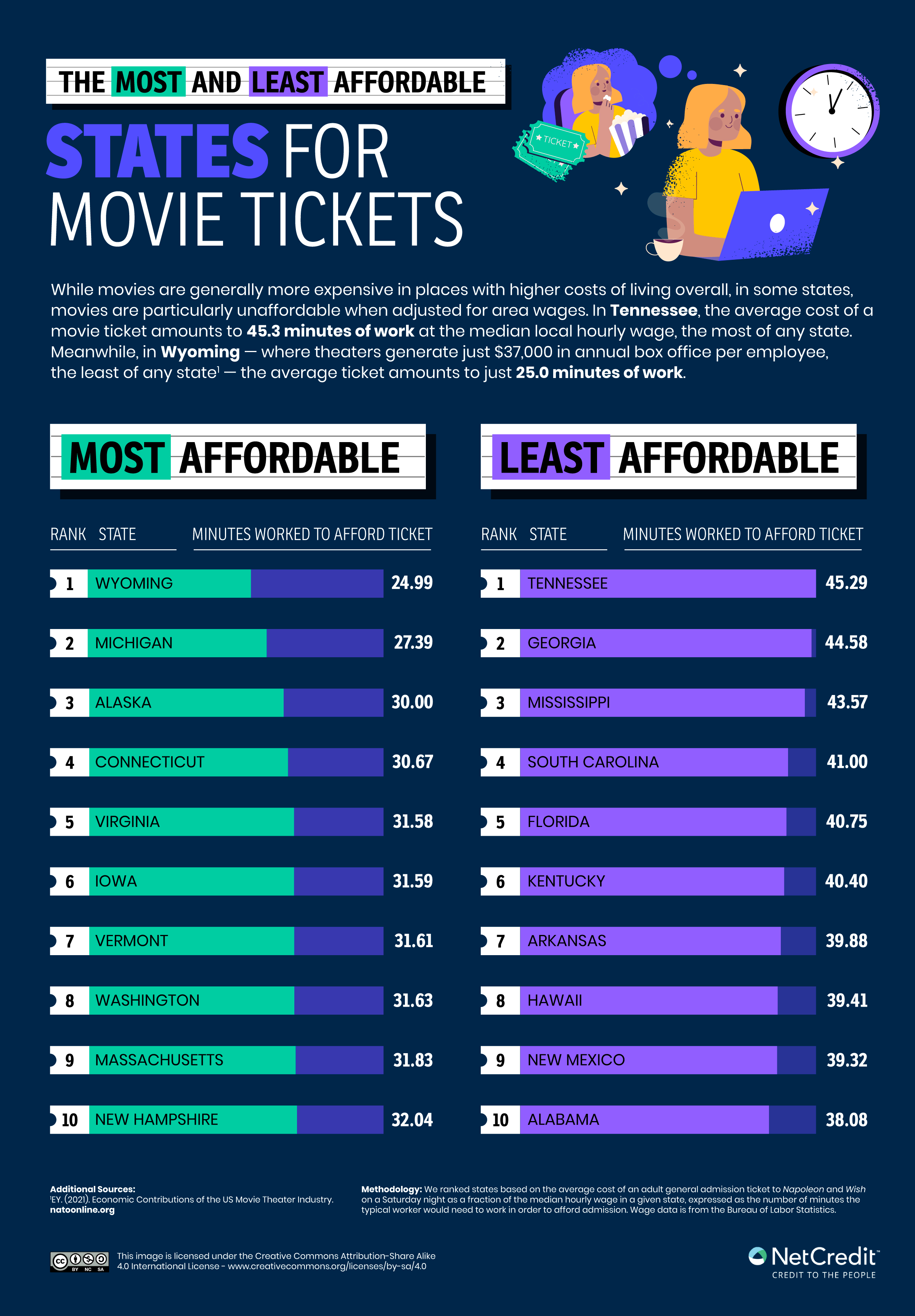
The most significant financial shift in the cinema industry over the last decade is the adoption of dynamic pricing and subscription-based revenue models. Borrowing tactics from the airline and hospitality industries, theaters are now optimizing their “revenue per seat.”
Surge Pricing: The Uber-ization of Cinema
Major chains like AMC and Regal have experimented with tiered pricing based on seat location and showtime popularity. Much like “surge pricing” in ride-sharing apps, a seat in the center of the theater for a Saturday night opening of a Marvel film may cost more than a front-row seat for a weekday matinee. This is a classic supply-and-demand economic model. By charging a premium for the most desirable times and locations, theaters can subsidize lower-traffic periods, ensuring the business remains solvent during the “off-season.”
Analyzing the Value of Subscription Services
In response to the volatility of ticket prices, subscription models like AMC Stubs A-List or Regal Unlimited have become vital financial tools for frequent moviegoers. For a fixed monthly fee (usually ranging from $20 to $25), a member can see multiple movies per month.
From a personal finance perspective, the “break-even point” for these services is remarkably low—often just two movies a month. For the theater, these subscriptions provide “recurring revenue,” a holy grail in business finance that offers more predictable cash flow than relying on hit-or-miss blockbuster cycles.
Budgeting for the Big Screen: A Personal Finance Perspective
For many families, the cost of a movie ticket is only the starting point. When you factor in the “ecosystem” of cinema expenses, the total cost of attendance can double or triple.
Hidden Costs: Concessions and Convenience Fees
The “hidden” reality of theater economics is that theaters make very little money from the tickets themselves. Due to revenue-sharing agreements with movie studios, theaters often keep only 40% to 50% of the ticket price (and even less during a film’s opening weekend). The real profit center is the concession stand.
Popcorn and soda have profit margins exceeding 800%. Additionally, the rise of online booking has introduced “convenience fees,” which can add $2 to $3 per ticket. For a family of four, these ancillary costs can turn a $50 afternoon into a $120 excursion. Effective budgeting requires accounting for these “leakages” in your entertainment fund.
Strategies to Minimize Entertainment Expenses
To maintain a healthy financial life without sacrificing culture, consumers can utilize several tactical strategies:
- Discount Tuesdays: Almost every major chain offers significant discounts on Tuesdays, often reducing prices by 50%.
- Matinee Pricing: Seeing a film before 4:00 PM can save 20% to 30%.
- Rewards Portals: Many credit card companies and insurance providers offer cinema vouchers as perks, effectively lowering the out-of-pocket cost.
- Wholesale Clubs: Retailers like Costco often sell bundles of gift cards or tickets at a 10% to 20% discount.
The Macro-Economics of the Film Industry
Finally, we must look at the broader financial ecosystem that dictates why tickets cost what they do. The relationship between the studio (the producer) and the exhibitor (the theater) is a complex financial tug-of-war.
Where Does Your Money Go? The Revenue Split
As mentioned, the “film rental” fee paid to studios is the largest expense for a theater. For massive blockbusters, studios may demand up to 65% of the ticket revenue for the first two weeks of release. This forces theaters to keep ticket prices high just to cover their basic operating costs. As a film stays in theaters longer, the percentage usually shifts in favor of the theater, which is why “second-run” theaters were historically able to offer lower prices.

The Future of Theatrical Windows and Financial Sustainability
The rise of “day-and-date” streaming releases—where a movie hits the theater and a streaming platform simultaneously—has pressured theaters to keep prices competitive. However, the unique financial structure of the cinema means they cannot lower prices indefinitely. Instead, the industry is pivoting toward a “high-value” model. The goal is no longer to sell the cheapest ticket possible, but to sell a premium experience (luxury seating, high-end food, superior tech) that justifies a higher price point.
In conclusion, “how much is a movie ticket” is a question that encompasses the history of inflation, the intricacies of corporate revenue sharing, and the psychological principles of value-based pricing. While the price of admission continues to rise, a sophisticated understanding of theater economics and personal budgeting allows moviegoers to continue enjoying the silver screen without compromising their financial goals. Whether through subscriptions, strategic timing, or leveraging rewards, the cinema remains a manageable expense for those who view it through an economic lens.
aViewFromTheCave is a participant in the Amazon Services LLC Associates Program, an affiliate advertising program designed to provide a means for sites to earn advertising fees by advertising and linking to Amazon.com. Amazon, the Amazon logo, AmazonSupply, and the AmazonSupply logo are trademarks of Amazon.com, Inc. or its affiliates. As an Amazon Associate we earn affiliate commissions from qualifying purchases.