
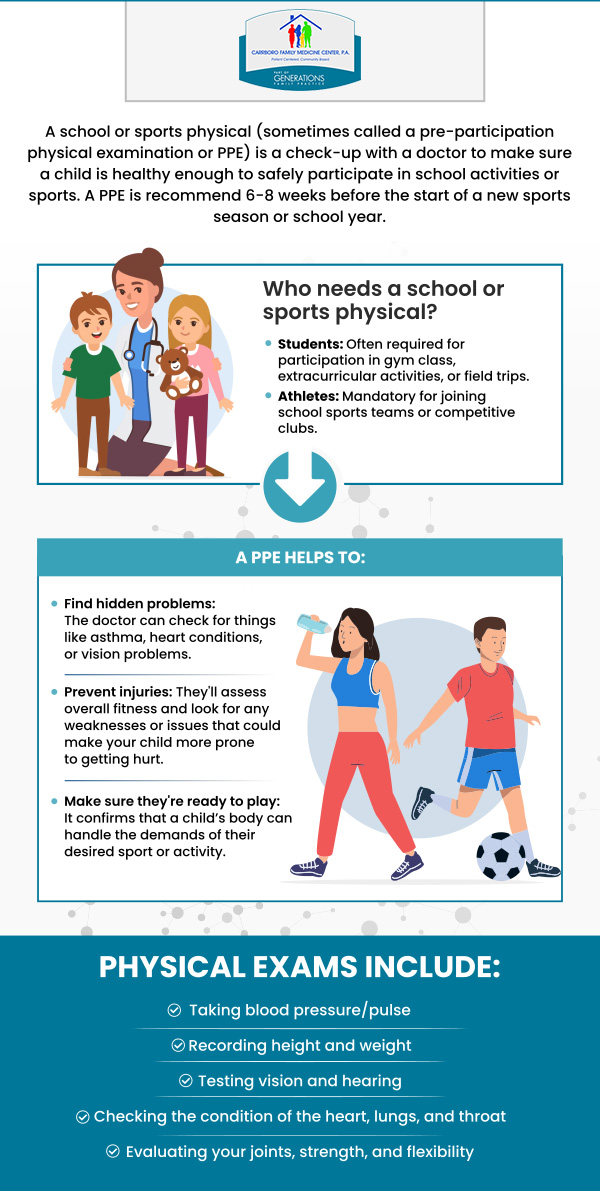
In the traditional landscape of sports medicine, the “sports physical”—or pre-participation physical evaluation (PPE)—was a routine of paper forms, stethoscopes, and manual reflex tests. However, as we move deeper into the 21st century, the definition of what a sports physical consists of has undergone a radical technological shift. Today, a comprehensive sports physical is increasingly defined by data points, wearable integration, and artificial intelligence. This evolution ensures that the assessment of an athlete’s readiness is no longer a static snapshot in time, but a dynamic, tech-driven analysis of their physiological potential and risk factors.
Smart Diagnostics: The Evolution of the Baseline Exam
The core of any sports physical remains the baseline health assessment, but the tools used to conduct these exams have transitioned from analog to digital. In a modern high-tech clinical setting, the standard check-up is augmented by sophisticated diagnostic software that identifies issues invisible to the human eye or ear.
AI-Powered Cardiac Screening
One of the most critical components of a sports physical is the cardiovascular screening to prevent sudden cardiac arrest. While the traditional method relied on a manual EKG (electrocardiogram) interpretation, modern sports physicals are leveraging AI-enhanced EKG analysis. These platforms use machine learning algorithms trained on millions of cardiac profiles to distinguish between “athlete’s heart” (normal adaptations to training) and dangerous pathologies. By reducing the margin of human error, this technology provides a more accurate safety clearance for high-intensity competition.
Digital Vision and Neurological Assessment
Vision testing in sports physicals has moved beyond the Snellen eye chart. Tech-integrated physicals now utilize digital visual processing tools that measure eye-tracking, peripheral awareness, and reaction time. For contact sports, the neurological component of the physical often includes digital baseline concussion testing. Software platforms like ImPACT or Sway Medical use tablet-based sensors to measure balance and cognitive processing speeds, creating a “digital fingerprint” of the athlete’s brain health before the season begins.
Wearable Integration and Continuous Biometric Monitoring
Perhaps the most significant change in what a physical consists of is the inclusion of longitudinal data. A physical is no longer just what happens in the 30 minutes you spend with a doctor; it now incorporates months of data harvested from wearable technology.
Leveraging IoT for Real-Time Health Data
For elite and collegiate athletes, the sports physical now involves an audit of their Internet of Things (IoT) health ecosystem. Physicians and trainers analyze data from devices like Whoop, Oura, or Garmin to look at resting heart rate (RHR) trends, heart rate variability (HRV), and sleep architecture. This data allows the medical professional to see how an athlete’s body responds to stress over time, providing a much more comprehensive view of “readiness” than a one-off blood pressure reading.
From Periodic Checks to 24/7 Monitoring
The integration of wearable tech allows the sports physical to become a “living document.” Tech-savvy clinics provide athletes with synced apps where their physical exam results are cross-referenced with their daily biometric output. If an athlete’s HRV drops significantly below the baseline established during their initial physical, automated alerts can notify medical staff to intervene before a minor fatigue issue becomes a major injury. This shift from periodic to continuous monitoring is redefining the very concept of a medical clearance.
Telehealth and the Virtualization of Pre-Participation Exams

The rise of telehealth has introduced a new logistical framework for sports physicals. What used to require a trip to a specialized clinic can now, in many cases, be initiated or supplemented through digital health platforms.
Remote Monitoring Tools and At-Home Kits
The modern sports physical often begins with a digital intake through a secure patient portal. However, the tech goes further with “connected” medical kits. Some organizations are utilizing portable, FDA-cleared devices that allow athletes to perform basic auscultation of the heart and lungs or take high-definition images of the throat and ears, which are then transmitted to a physician in real-time via a secure video link. This virtualization makes the physical more accessible for remote athletes while maintaining high diagnostic standards.
Secure Data Portals and Electronic Health Records (EHR)
A vital tech component of the sports physical is the centralized Electronic Health Record (EHR) system. Modern platforms are designed to be interoperable, meaning an athlete’s physical results can be instantly shared (with consent) between their primary care doctor, the team’s orthopedic surgeon, and the athletic trainer. This “single source of truth” ensures that every member of the athlete’s support team is looking at the same digital profile, reducing the risk of miscommunication and ensuring a unified approach to the athlete’s health.
Predictive Analytics and Injury Prevention Modeling
What a sports physical consists of today is not just a look at current health, but a prediction of future risk. This is where big data and predictive analytics play a starring role in the modern examination.
Machine Learning in Musculoskeletal Assessment
The “orthopedic” portion of the physical has been revolutionized by computer vision and motion capture technology. Instead of a doctor simply asking an athlete to “squat and cough,” athletes may undergo a 3D biomechanical scan. Using specialized cameras or even smartphone-based AI apps, the technology analyzes joint angles, limb symmetry, and movement patterns. Machine learning models can then compare these movements against injury databases to calculate the statistical likelihood of an ACL tear or a stress fracture, allowing for a personalized “pre-hab” program to be issued as part of the physical clearance.
Data-Driven Performance Benchmarking
In the tech-driven physical, health is inextricably linked to performance. Software platforms now aggregate data from the physical—such as VO2 max, power output, and metabolic efficiency—to create a “Performance Readiness Score.” This allows coaches to see not just that an athlete is “healthy,” but that they are physically optimized for the specific demands of their position. By benchmarking an athlete against digital avatars of peak performers in their sport, the physical becomes a roadmap for technological and athletic development.
The Future of Sports Physicals: Genomics and Advanced Tech
As we look toward the next decade, the components of a sports physical will likely move into the realm of personalized molecular biology and advanced materials science.
Nutrigenomics and DNA Profiling
High-end sports physicals are already beginning to incorporate genomic testing. By analyzing an athlete’s DNA, doctors can identify genetic predispositions to certain injuries, such as collagen disorders that might lead to ligament tears, or metabolic efficiencies that dictate the best “fueling” strategy for that specific individual. This level of personalization represents the pinnacle of the tech-integrated physical, moving away from “one-size-fits-all” medicine toward a bespoke biological blueprint.

Virtual Reality (VR) in Stress Testing
We are also seeing the emergence of Virtual Reality (VR) as a tool within the sports physical. By placing an athlete in a high-stress, simulated game environment while hooked up to biometric sensors, physicians can measure the “stress response” of the cardiovascular and nervous systems. This provides a more accurate representation of how an athlete will perform under pressure compared to a traditional treadmill stress test in a quiet, clinical room.
In conclusion, the modern sports physical is a sophisticated confluence of medical science and cutting-edge technology. It has evolved from a simple gatekeeping exercise into a comprehensive data-harvesting mission. By integrating AI diagnostics, wearable data, predictive analytics, and telehealth, the tech-driven sports physical ensures that athletes are not only cleared to play but are equipped with a digital framework for long-term health and peak performance. As these technologies become more accessible, the “standard” physical will continue to transform, making the clipboard a relic of the past and the digital dashboard the future of sports medicine.
aViewFromTheCave is a participant in the Amazon Services LLC Associates Program, an affiliate advertising program designed to provide a means for sites to earn advertising fees by advertising and linking to Amazon.com. Amazon, the Amazon logo, AmazonSupply, and the AmazonSupply logo are trademarks of Amazon.com, Inc. or its affiliates. As an Amazon Associate we earn affiliate commissions from qualifying purchases.