
In the global transition toward sustainable and carbon-free energy, nuclear power remains a cornerstone of the grid’s baseload capacity. However, the operation of a nuclear facility is not merely a feat of physics; it is a triumph of complex technological integration. At the heart of this ecosystem is the nuclear technician. Often described as the “bridge” between theoretical nuclear physics and mechanical execution, a nuclear technician’s role is defined by their mastery of sophisticated hardware, diagnostic software, and rigorous digital safety protocols.
To understand what a nuclear technician does is to look into a high-tech world where precision is the only acceptable standard. These professionals are responsible for operating the equipment that monitors nuclear reactions, ensures the structural integrity of reactors, and protects both the workforce and the environment from radiation. In this article, we explore the specific technological domains, software tools, and digital trends that define the daily life of a modern nuclear technician.
The Technical Infrastructure of Nuclear Power Operations
The modern nuclear power plant is an intricate web of sensors, actuators, and control systems. A nuclear technician’s primary responsibility involves the oversight and maintenance of this technical infrastructure. Unlike traditional power plants, the stakes in a nuclear facility require a level of technological redundancy and precision that few other industries can match.
Control Room Systems and SCADA Technology
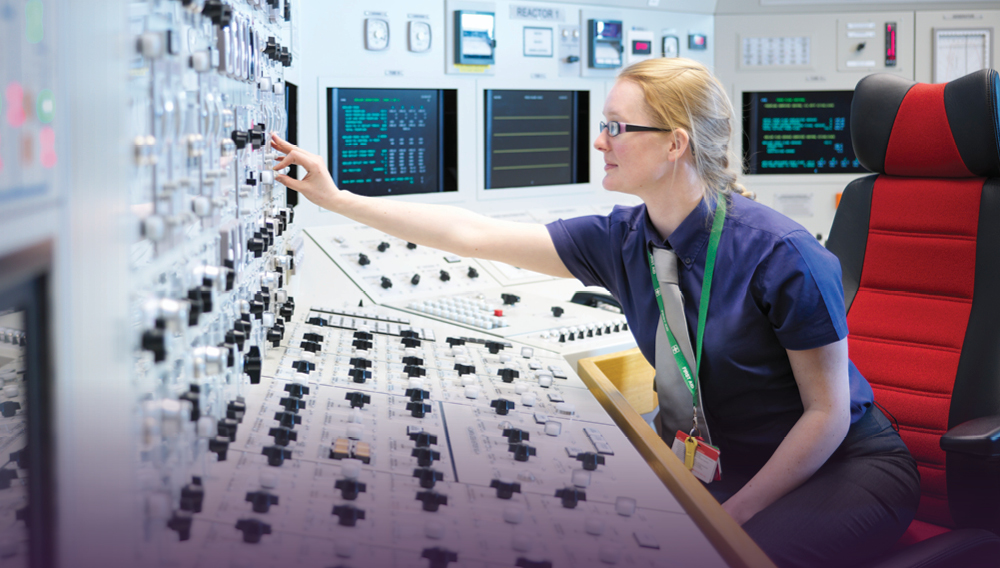
A significant portion of a nuclear technician’s work occurs within or in coordination with the main control room. Technicians utilize Supervisory Control and Data Acquisition (SCADA) systems to monitor the state of the reactor in real-time. These software interfaces allow technicians to track variables such as coolant temperature, pressure levels, and control rod positions.
A nuclear technician must be adept at interpreting complex data visualizations. They use these systems to perform “startup” and “shutdown” procedures, which are now largely digitized. By analyzing the telemetry provided by thousands of localized sensors, technicians can detect minute deviations from the norm long before they become mechanical issues.
Diagnostic and Predictive Maintenance Software
The industry is currently shifting from reactive maintenance to predictive maintenance, powered by AI-driven software. Nuclear technicians use diagnostic tools to perform “Digital Twin” simulations. A Digital Twin is a virtual replica of a physical component—such as a turbine or a cooling pump. By inputting real-time data into these models, technicians can predict when a part is likely to fail based on stress patterns and thermal wear. This technological foresight allows for the replacement of components during scheduled outages, ensuring the grid remains stable.
Specialized Instrumentation: The Tools of the Trade
Beyond the software in the control room, nuclear technicians are masters of specialized physical hardware. These are not standard industrial tools; they are high-precision instruments designed to operate in extreme environments where radiation, high heat, and high pressure are the norm.
Radiation Detection and Spectrometry
One of the most critical aspects of the job is monitoring ionizing radiation. Technicians use a variety of “gadgets” to ensure safety. This includes Geiger-Mueller counters, scintillation detectors, and sophisticated gamma spectrometers.
A gamma spectrometer is a particularly high-tech tool that does more than just detect radiation; it identifies the specific isotopes present by analyzing the energy spectrum of the gamma rays. Technicians must calibrate these instruments regularly, ensuring that the software algorithms providing the readings are accurate to within fractions of a percent. This data is then logged into digital databases to track the “dose” history of the plant’s various zones.
Remote Handling and Robotics
In areas of the plant where radiation levels are too high for human presence, nuclear technicians operate robotic systems. This includes Remote Operated Vehicles (ROVs) equipped with high-definition cameras and multi-axis manipulators.
The technician acts as a remote pilot, using these robots to perform inspections of the reactor pressure vessel or to handle spent fuel rods. The technology used here often mirrors that found in deep-sea exploration or space missions, involving haptic feedback systems that allow the technician to “feel” the resistance of the robotic arm through their control interface.
Digital Security and Safety Protocols in the Nuclear Sector

In an era of increasing cyber threats, the role of a nuclear technician has expanded to include a layer of digital security. Because nuclear plants are critical infrastructure, the software and hardware used by technicians must be shielded from external interference.
Safeguarding the Digital Grid
Nuclear technicians are trained in the fundamentals of Industrial Control Systems (ICS) security. They ensure that the “Air Gap”—the physical separation between the plant’s internal control network and the public internet—is maintained. When updating software or extracting data for analysis, technicians follow strict protocols involving encrypted hardware keys and multi-factor authentication systems.
The digital security aspect of the job also involves monitoring for anomalies in the network traffic of the plant’s internal systems. A technician might notice a sensor reporting inconsistent data that doesn’t align with physical laws, which could indicate a faulty sensor or a digital intrusion.
Real-Time Data Analysis and Reporting
The regulatory environment for nuclear power is incredibly dense. Technicians are responsible for the digital logging of every action taken and every reading recorded. They use Integrated Management Systems (IMS) to ensure that all data is timestamped and immutable. This creates a “digital paper trail” that is essential for compliance with international nuclear safety bodies. The ability to synthesize high volumes of data into clear, actionable technical reports is a core skill for any technician working in the modern era.
The Evolution of Nuclear Tech: AI and Small Modular Reactors (SMRs)
The landscape of nuclear technology is changing rapidly, and the role of the technician is evolving alongside it. We are moving away from the massive, monolithic reactors of the 20th century toward more agile, tech-heavy solutions.
Machine Learning in Reactor Safety
Artificial Intelligence (AI) and Machine Learning (ML) are being integrated into the latest generation of nuclear facilities. Technicians now work with “Expert Systems”—AI programs that suggest the best course of action during an unexpected event. For example, if a coolant leak is detected, the AI can process thousands of variables per second to recommend the exact valve adjustments needed to stabilize the system. The technician’s role is to validate these AI recommendations, blending human judgment with computational power.
Small Modular Reactors (SMRs) and Automated Systems
Small Modular Reactors (SMRs) represent the next “gadget” in the nuclear energy world. These are smaller, factory-built reactors that can be deployed more easily than traditional plants. For a nuclear technician, SMRs represent a shift toward even higher levels of automation. These systems are designed to be “passively safe,” meaning they use natural laws like gravity and convection for cooling rather than mechanical pumps. Technicians in SMR facilities will focus less on manual mechanical overrides and more on the high-level management of automated digital control loops.
Career Path: Mastering the Complex Tech Stack
Becoming a nuclear technician requires a specialized education that blends mechanical engineering with computer science and radiochemistry. It is a career for those who are fascinated by how things work at a fundamental level and who enjoy working with cutting-edge technology.
Educational Requirements and Technical Certifications
Most nuclear technicians begin with an associate degree in nuclear science or a related field of technology. However, the learning does not stop at graduation. Technicians must undergo rigorous training on the specific “tech stack” of the facility where they are employed. This includes hundreds of hours in high-fidelity simulators—essentially advanced gaming setups that replicate the plant’s control room with 100% accuracy.
The Continuous Learning Loop
As new software updates are rolled out and new diagnostic tools are invented, nuclear technicians must remain in a state of continuous learning. They are often the first to test new radiation-hardened sensors or trial new encrypted communication devices within the plant. Their feedback is vital for the engineers and developers who design the next generation of nuclear hardware.
Conclusion: The Technician as the Guardian of the Tech
The question “what does a nuclear technician do?” cannot be answered by looking at a single task. Instead, it is answered by observing the intersection of human intelligence and advanced technology. These professionals are the guardians of the machines that provide clean, reliable energy to millions.
From operating SCADA systems and navigating robotic ROVs to managing AI-driven predictive maintenance and ensuring cybersecurity, the nuclear technician is a high-tech specialist in the truest sense. As we look toward a future where energy security and carbon neutrality are paramount, the role of the nuclear technician will only become more integrated with the cutting edge of digital and mechanical innovation. They are not just workers in a power plant; they are the expert operators of the most complex technology on the planet.
aViewFromTheCave is a participant in the Amazon Services LLC Associates Program, an affiliate advertising program designed to provide a means for sites to earn advertising fees by advertising and linking to Amazon.com. Amazon, the Amazon logo, AmazonSupply, and the AmazonSupply logo are trademarks of Amazon.com, Inc. or its affiliates. As an Amazon Associate we earn affiliate commissions from qualifying purchases.