
The image of a newspaper editor traditionally involves a smoke-filled room, a green eyeshade, and a red pen slashing through physical manuscripts. However, in the contemporary landscape, that image has been replaced by high-resolution monitors, complex data dashboards, and a sophisticated suite of software. Today’s newspaper editor is less of a grammarian and more of a digital strategist, navigating the intersection of journalism, technology, and data science. As the medium has shifted from paper to pixels, the role of the editor has evolved into a high-tech position that requires a mastery of Content Management Systems (CMS), Artificial Intelligence (AI), and cybersecurity.
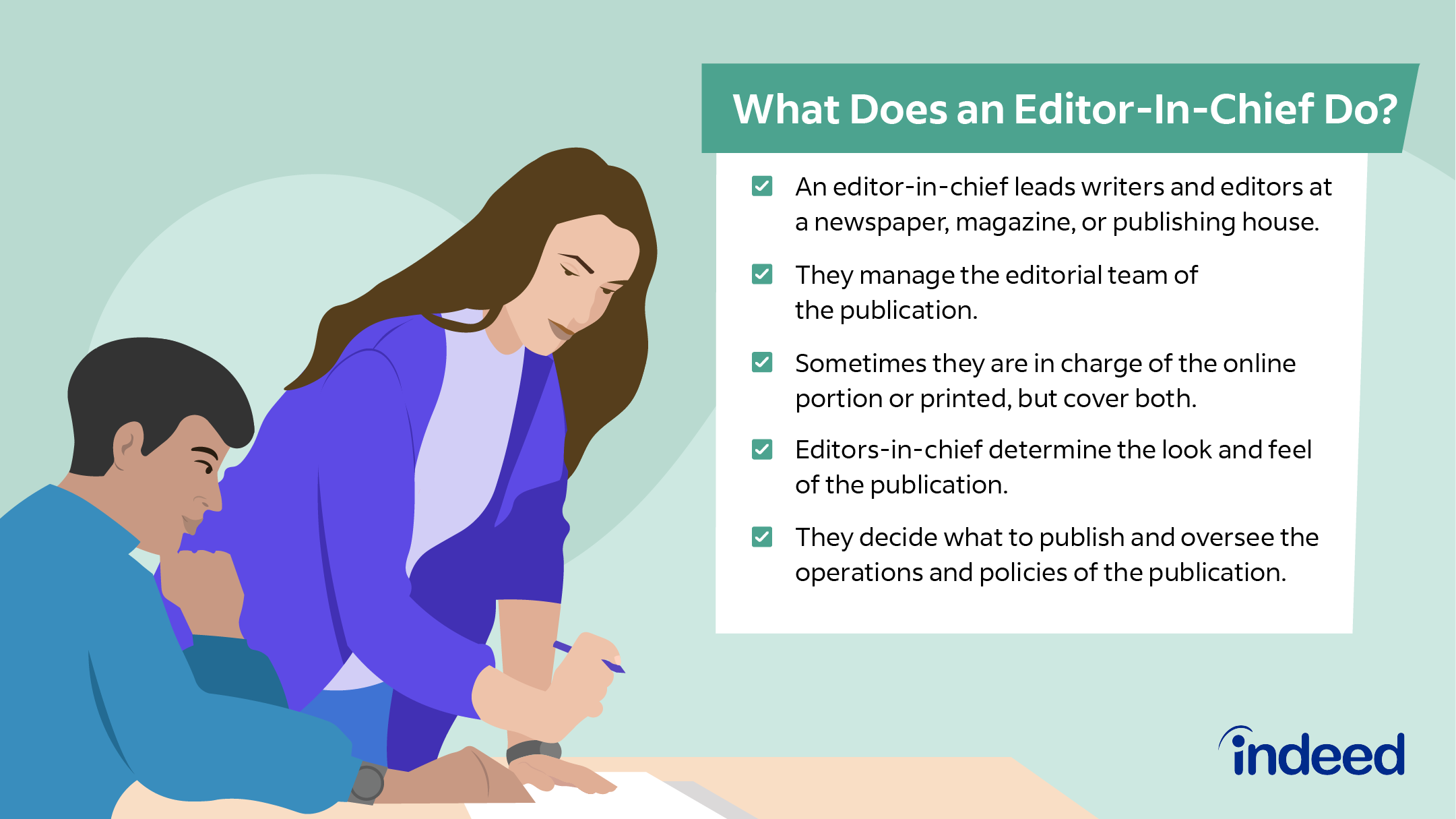
In this exploration, we look at the modern newspaper editor through the lens of technology, examining how digital tools have redefined what it means to curate, verify, and distribute the news in a hyper-connected world.
Navigating the Newsroom Tech Stack
At the heart of every modern newsroom is a “tech stack”—a collection of software and hardware that facilitates the creation and distribution of content. The modern editor is the primary operator of this machinery. They no longer wait for the morning edition to see the fruits of their labor; they manage a continuous, 24-hour digital stream.
Content Management Systems (CMS) and Workflow Automation
The modern editor’s primary tool is the Content Management System (CMS). Unlike the rigid layouts of the past, contemporary platforms like Arc XP, WordPress (customized for enterprise), or proprietary systems allow editors to manage multi-format storytelling. An editor uses these systems to coordinate text, embedded video, interactive graphics, and audio podcasts within a single interface.
Beyond simple posting, editors use workflow automation tools integrated into the CMS. These tools can automatically flag potential legal issues, check for adherence to a house style guide, and even suggest relevant internal links to improve the reader’s journey. By mastering these automated workflows, editors can spend less time on administrative tasks and more time on high-level content strategy.
Cloud-Based Collaboration and Real-Time Editing Tools
The days of passing a physical file from one desk to another are gone. Editors now utilize cloud-based collaboration suites such as Google Workspace, Microsoft Teams, and Slack to manage remote and hybrid newsrooms. These tools allow for real-time editing, where an editor can provide feedback on a breaking story while the reporter is still in the field typing on a mobile device.
Furthermore, version control software—similar to what developers use in GitHub—is increasingly common in high-end newsrooms. This allows editors to track every change made to a story, see who made it, and revert to previous versions if a technical error occurs during the publishing process. This layer of technical oversight ensures that the digital “paper of record” remains accurate and transparent.
Data-Driven Decision Making and Audience Analytics
One of the most significant shifts in the editor’s role is the transition from “gut feeling” to data-driven decision-making. In the print era, an editor might guess which front-page story resonated most based on anecdotal feedback. Today, they have access to granular, real-time data that tells them exactly how many people are reading a story, where they came from, and where they stopped scrolling.
Leveraging Real-Time Metrics for Content Strategy
Editors now monitor dashboards provided by companies like Chartbeat, Parsely, or Google Analytics. These tools show the pulse of the website in real-time. An editor sees a “heat map” of the homepage, identifying which headlines are being clicked and which are being ignored.
If a critical investigative piece is underperforming, the editor might use A/B testing software to experiment with different headlines or featured images in real-time. This isn’t just about “clickbait”; it’s about using technology to ensure that important journalism actually reaches its intended audience. The editor’s job is to interpret this data, balancing the technological insights of the algorithm with the ethical mandates of journalism.
Search Engine Optimization (SEO) as a Core Editorial Function
In the digital age, a newspaper editor is also a de facto SEO specialist. Every story published must be discoverable by search engine algorithms. Editors utilize tools like Semrush, Ahrefs, or Yoast to identify keywords and optimize metadata.
This technical layer involves crafting SEO titles that differ from the “catchy” print titles, ensuring that images have alt-text for accessibility and search indexing, and managing internal linking structures that boost the site’s authority. The editor must understand the nuances of Google’s “Core Web Vitals” and how page load speeds or mobile responsiveness affect the visibility of their newsroom’s reporting.

The Impact of Artificial Intelligence on Editorial Operations
Artificial Intelligence (AI) is perhaps the most transformative—and controversial—technology currently reshaping the role of the newspaper editor. Far from replacing the human element, AI is being used by savvy editors as a “force multiplier” that handles repetitive tasks and enhances investigative capabilities.
AI-Assisted Fact-Checking and Verification Tools
The speed of the digital news cycle makes the editor’s role as a gatekeeper more difficult than ever. To combat this, editors are increasingly turning to AI-powered verification tools. Platforms like Full Fact or specialized AI plugins can scan articles for claims that have already been debunked or flag inconsistencies in data sets.
Furthermore, for visual journalism, editors use AI tools to verify the authenticity of user-generated content (UGC). In an era of sophisticated deepfakes, editors must use forensic software to analyze metadata and image pixels to ensure that a photo from a conflict zone is genuine. This technical gatekeeping is essential to maintaining the brand’s credibility.
Automated Content Generation and Personalization
Many modern newsrooms use “robot journalism” for data-heavy, formulaic reporting, such as quarterly earnings reports, local sports scores, or weather updates. The editor’s role here is to design the templates and oversee the algorithms that generate these stories.
Additionally, editors use AI to drive “dynamic versions” of their website. Using machine learning, the CMS can personalize the homepage for different readers—showing more tech news to a gadget enthusiast and more political news to a policy wonk. The editor oversees these algorithmic rules, ensuring that while the news is personalized, the “filter bubble” doesn’t prevent readers from seeing essential, breaking news that affects everyone.
Ensuring Digital Security and Ethical Integrity in a Connected World
As newspaper editors oversee digital-first organizations, they have become responsible for the digital security of their staff and their sources. In an age of cyber-warfare and state-sponsored hacking, an editor must be as well-versed in digital hygiene as they are in libel law.
Protecting Sources through Secure Communication Channels
The modern editor must implement and enforce protocols for secure communication. This involves training reporters on the use of encrypted messaging apps like Signal or Threema and setting up “SecureDrop” servers—an open-source whistleblower submission system that allows sources to leak documents anonymously.
By managing these technical gateways, the editor ensures that the newsroom remains a safe haven for whistleblowers. They must understand the basics of PGP encryption and the risks of digital footprints, as a single technical oversight could lead to the exposure of a confidential source.
Combatting Misinformation in the Age of Deepfakes
As social media platforms become flooded with AI-generated misinformation, the newspaper editor acts as a digital filter for the public. This involves using “Reverse Image Search” tools, geolocation technology (such as identifying landmarks in a video using Google Earth), and specialized software that detects synthetic voices or faces.
The editor’s responsibility has expanded to include “pre-bunking”—using the newspaper’s digital reach to warn readers about viral technical manipulations before they take hold. In this capacity, the editor is the frontline defense in the war for digital truth, using high-tech tools to uphold the integrity of the information ecosystem.

Conclusion: The Editor as a Digital Architect
What does a newspaper editor do? In the 21st century, they are the architects of a complex digital ecosystem. They sit at the center of a web of software, data, and human intelligence, ensuring that the transition from a physical product to a digital service does not compromise the core values of accuracy and public service.
While the “red pen” may have been replaced by the “edit button,” the fundamental goal remains the same: to curate the most important information for the community. The difference is that today’s editor has a more powerful—and more complex—set of tools than ever before. By mastering the tech stack, leveraging the power of AI, and guarding the digital gates against misinformation, the modern newspaper editor ensures that journalism remains relevant in an increasingly automated world. The role is no longer just about the news; it is about the technology that makes the news possible.
aViewFromTheCave is a participant in the Amazon Services LLC Associates Program, an affiliate advertising program designed to provide a means for sites to earn advertising fees by advertising and linking to Amazon.com. Amazon, the Amazon logo, AmazonSupply, and the AmazonSupply logo are trademarks of Amazon.com, Inc. or its affiliates. As an Amazon Associate we earn affiliate commissions from qualifying purchases.