
The humble gas cap is often overlooked as a relic of analog automotive engineering. However, in the context of modern vehicle architecture, it serves as a critical hardware interface between the fuel storage system and the Internal Combustion Engine’s (ICE) sophisticated digital management software. Far from being a simple plastic lid, the gas cap is a precision-engineered component designed to maintain a specific pressurized environment within the Evaporative Emission Control (EVAP) system.
When this component fails, it triggers a cascade of digital alerts, diagnostic trouble codes (DTCs), and hardware inefficiencies. Understanding what a “bad” gas cap looks like requires a deep dive into material science, hardware degradation, and the software-driven diagnostics that monitor these physical seals.

The Engineering Behind the Seal: More Than Just a Plastic Lid
At its technical core, a gas cap is a pressure-relief valve. It is designed to allow the vehicle’s On-Board Diagnostics (OBD) system to maintain a vacuum-sealed environment to prevent gasoline vapors—specifically hydrocarbons—from escaping into the atmosphere. To understand what a failing cap looks like, one must first understand the technical specifications of a functioning one.
Pressure Relief Valve Mechanics
A modern gas cap contains a spring-loaded internal valve. This hardware is calibrated to a specific PSI (pounds per square inch). In high-temperature environments, fuel expands, increasing pressure within the tank. The cap’s tech-driven design allows for controlled venting to prevent the tank from rupturing, while conversely allowing air in as fuel is consumed to prevent a vacuum-induced collapse. A “bad” cap often shows no external damage but has suffered a mechanical failure of this internal spring, leading to a loss of pressure regulation that the car’s computer immediately flags.
Material Science and Seal Degradation
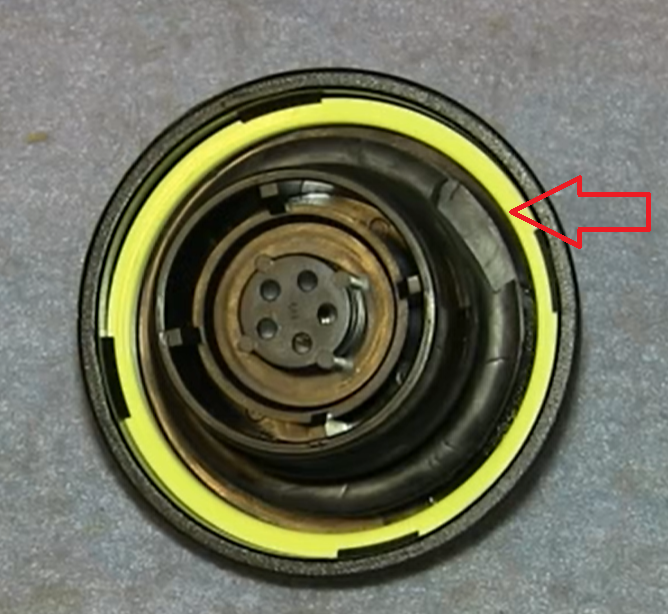
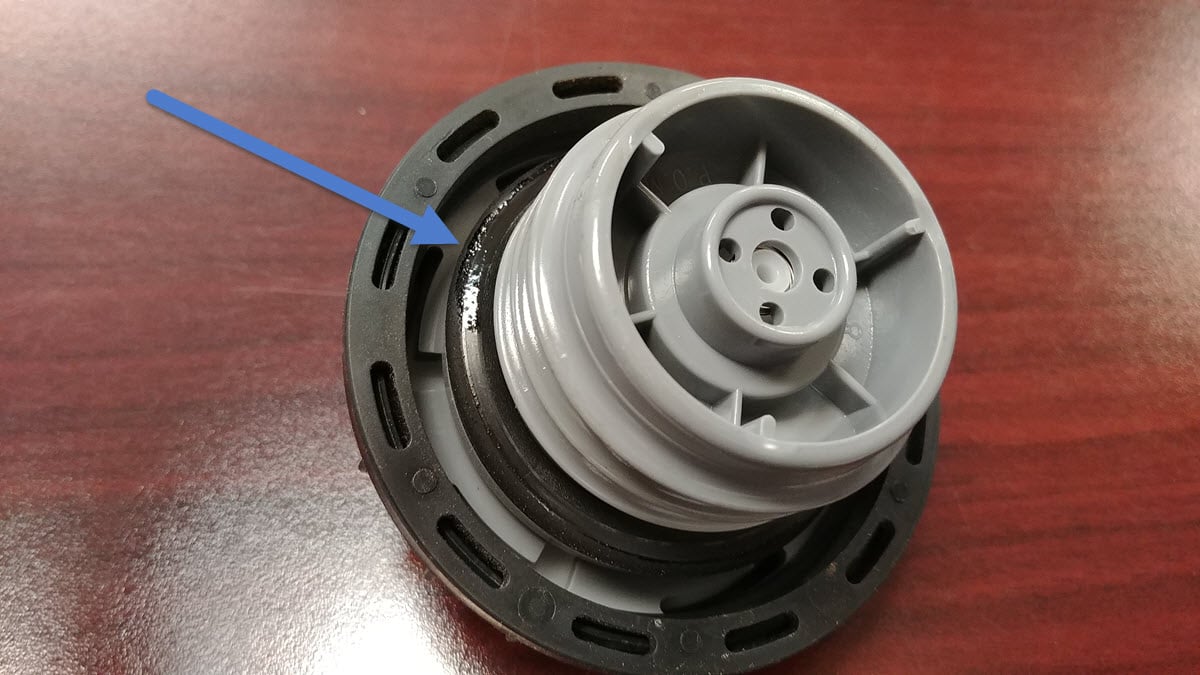
The most common point of failure is the Viton or nitrile rubber O-ring. In the world of hardware engineering, these polymers are chosen for their resistance to chemical degradation from fuel exposure. However, over thousands of heat cycles and exposures to environmental debris, these seals undergo a process called “compression set” or thermal hardening. A failing seal will appear flattened, brittle, or may exhibit micro-fractures. In the tech-heavy ecosystem of a modern car, a gap as small as 0.020 inches is enough to trigger a “Large Leak” alert in the vehicle’s software.
Digital Diagnostics: The Software Side of the Gas Cap
In the modern era, you rarely find a bad gas cap through visual inspection alone; you find it through a digital interface. The vehicle’s Engine Control Unit (ECU) runs periodic “leak tests” using a dedicated vacuum pump or the natural vacuum of the engine intake. If the system fails to hold pressure, the software triggers the Check Engine Light (CEL).
Decoding the P0442 and P0455 Fault Codes
When a technician connects an OBD-II scanner—a specialized piece of diagnostic hardware—to a vehicle, two specific codes often point to the gas cap.
- P0442 (Small Leak Detected): This suggests a pinhole degradation in the seal or a minor hardware misalignment.
- P0455 (Large Leak Detected): This usually indicates that the cap is missing, completely unseated, or the internal valve has suffered a catastrophic hardware failure.
The transition from a physical problem (a cracked seal) to a digital data point (a DTC code) highlights how automotive tech bridges the gap between mechanical hardware and software monitoring.
Using Smartphone Apps for Real-Time Monitoring
The rise of consumer-grade tech has democratized this diagnostic process. Using Bluetooth OBD-II dongles and apps like Torque Pro or BlueDriver, users can view real-time data from the EVAP system’s pressure sensors. By monitoring the “Fuel System Status” on a smartphone dashboard, a user can see if the system is successfully entering a “closed-loop” state. If the pressure readings fluctuate wildly or fail to stabilize, it provides digital confirmation of a hardware failure at the gas cap before a physical inspection is even conducted.
The Evolution of Fuel Input Tech: From Vented to Capless
The “look” of a bad gas cap is changing because the technology itself is evolving. We are currently seeing a transition from traditional threaded caps to “Capless Fueling Systems,” popularized by brands like Ford and Honda. This shift represents a significant trend in automotive UI (User Interface) and hardware reliability.
Integrated Sensors in Modern Capless Systems
Capless systems use a series of spring-loaded “trap doors” and integrated rubber gaskets. In this tech setup, a “bad” gas cap looks like a misaligned flapper or debris caught in the secondary seal. Because these systems are more complex, they rely even more heavily on software-driven alerts. If the secondary seal doesn’t engage perfectly, the vehicle’s “Check Fuel Inlet” message—a specialized software notification distinct from the general Check Engine Light—will appear on the digital instrument cluster.
The Environmental Tech Impact
The drive toward better gas cap technology is fueled by environmental tech regulations. Modern vehicles are required by law (such as the EPA’s Tier 3 standards) to minimize evaporative emissions. The gas cap is the front line of this green tech initiative. A failing cap isn’t just a maintenance issue; it is a failure of the vehicle’s “Green Tech” subsystem, leading to an increase in the vehicle’s digital carbon footprint tracking.
Visual Troubleshooting: Identifying Hardware Failure Points
While software identifies the problem, physical troubleshooting confirms it. For those performing a hardware audit on their vehicle, there are specific visual cues that indicate the component has reached its End of Life (EOL).
O-Ring Fissures and Micro-Cracks
To the naked eye, a bad gas cap seal may look “dry.” When you remove the cap, inspect the black rubber ring. If you see “weather checking”—tiny cracks that look like a dry riverbed—the hardware is compromised. These fissures allow pressurized vapors to bypass the seal. In the tech world, we call this a “leaky abstraction”; the seal is supposed to abstract the fuel tank from the outside world, but the physical degradation has compromised that boundary.
Clicking Mechanisms and Torque Calibration
Most gas caps are designed with a ratcheting mechanism to ensure the user applies the correct amount of torque to the seal. This is a form of “physical UX” (User Experience). If the cap spins freely without clicking, or if the click feels “mushy” rather than “crisp,” the internal plastic gears have stripped. This mechanical failure means the cap can no longer apply the necessary pressure to the O-ring to create an airtight environment. In this case, the cap looks perfectly fine from the outside, but its functional logic has failed.
Corroded Filler Necks
Sometimes, the “bad gas cap” is actually a failure of the interface it connects to: the filler neck. In regions with high salt use or humidity, the metal surface where the gas cap seal rests can become pitted or corroded. From a hardware perspective, this is a failure of the “mating surface.” Even a brand-new, high-tech gas cap will fail to seal against a corroded neck. Visual indicators include rust flakes or a rough, sandpaper-like texture on the rim of the fuel inlet.
Conclusion: The Gas Cap as a Hardware Lesson
The study of a failing gas cap is a masterclass in the intersection of hardware and software. It demonstrates how a simple physical seal is monitored by complex algorithms and how a minor degradation in polymer science can trigger a global error state in a vehicle’s digital architecture.
In the future, as EVs (Electric Vehicles) continue to dominate the tech landscape, the gas cap will eventually become a legacy hardware component. However, the lessons it teaches—about the importance of seal integrity, the necessity of digital diagnostics, and the evolution of hardware-user interfaces—remain core principles of technology and engineering. Whether it is a cracked O-ring on a 2010 sedan or a misaligned flapper in a 2024 capless system, identifying a “bad” gas cap is about recognizing when the physical world fails to meet the stringent requirements of the digital systems that govern it.
aViewFromTheCave is a participant in the Amazon Services LLC Associates Program, an affiliate advertising program designed to provide a means for sites to earn advertising fees by advertising and linking to Amazon.com. Amazon, the Amazon logo, AmazonSupply, and the AmazonSupply logo are trademarks of Amazon.com, Inc. or its affiliates. As an Amazon Associate we earn affiliate commissions from qualifying purchases.