
In the modern medical landscape, the phrase “abnormal pap smear” has transitioned from a purely clinical observation to a complex data point driven by cutting-edge technology. For decades, the process of cervical cancer screening was a manual, labor-intensive task. However, as we move deeper into the era of digital transformation, the interpretation of these results is being reshaped by artificial intelligence (AI), high-resolution imaging software, and sophisticated data analytics. To understand what an abnormal result means today is to understand the intersection of biotechnology and digital innovation.
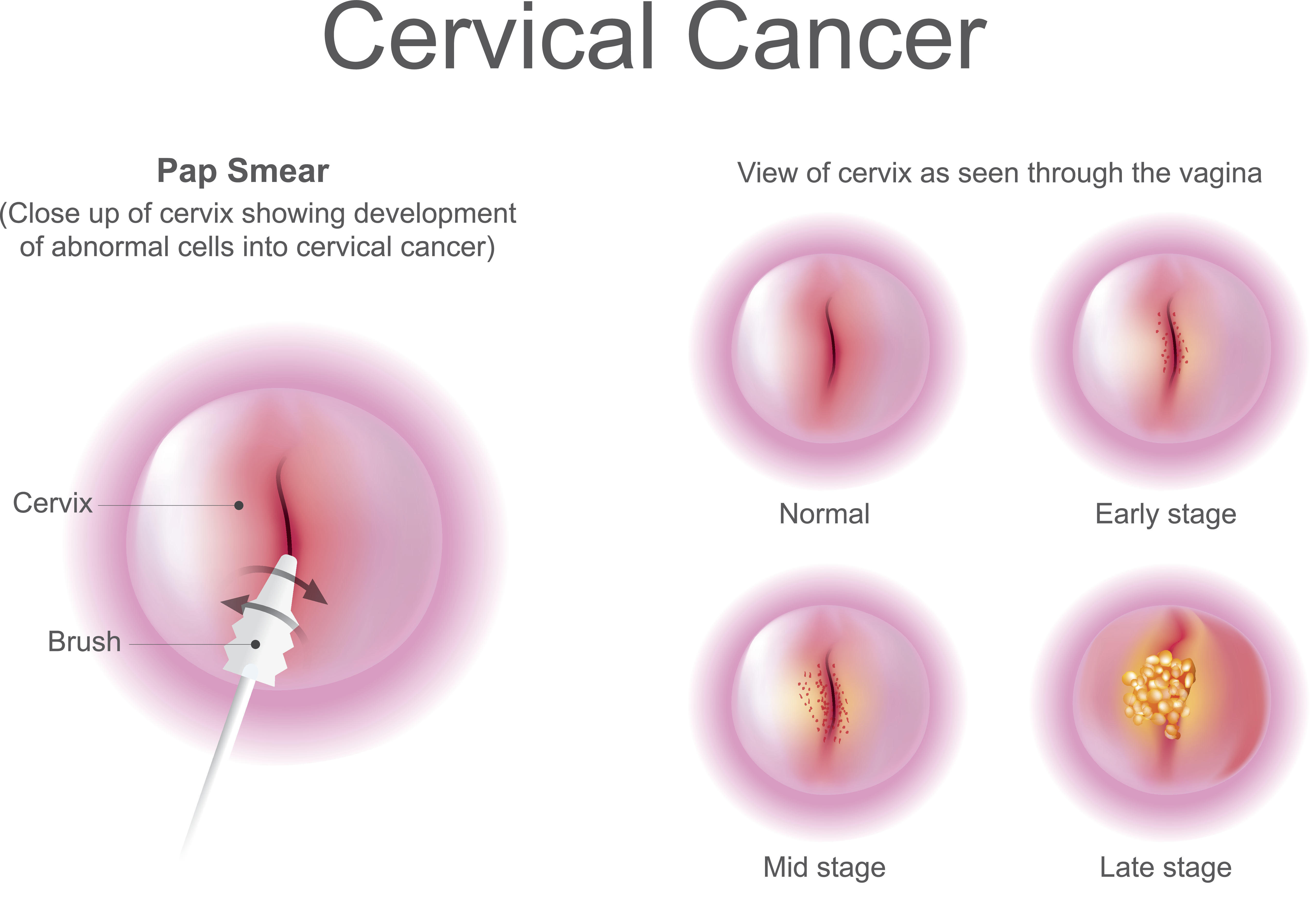
This article explores the technological frameworks that define, detect, and manage abnormal screenings, shifting the focus from the biology of the cell to the silicon that analyzes it.
From Microscope to Microchip: The Digital Transformation of Cytology
The traditional Pap smear, developed mid-century, relied entirely on the human eye. A pathologist would spend hours peering through a microscope, looking for subtle changes in cellular morphology. Today, the meaning of an “abnormal” result is often determined by automated systems that enhance human capability.
The Transition to Digital Pathology
Digital pathology involves scanning conventional glass slides and turning them into high-resolution digital images. This shift is more than just a convenience; it allows for the application of image-processing algorithms that can identify abnormalities with a level of consistency that human eyes cannot always maintain. When a result comes back as “abnormal,” it is often because a digital scanner has flagged specific pixel patterns that correlate with pre-cancerous markers. This digitization allows for instantaneous second opinions via telepathology, where a specialist across the globe can review the high-definition file in real-time.
Liquid-Based Cytology (LBC) and Automated Processing
Before a digital tool can even look at a sample, the “hardware” of the test has evolved. Liquid-Based Cytology has largely replaced the conventional smear. In this tech-driven approach, cells are collected in a vial of preservative fluid. Automated processors then filter out debris like blood and mucus, creating a “thin layer” of cells. This cleaner data set allows software algorithms to perform more accurate feature extraction, ensuring that an “abnormal” result is based on high-quality cellular data rather than obscured or poorly prepared slides.
Artificial Intelligence: Redefining Accuracy in Abnormal Result Detection
The most significant shift in what an abnormal pap smear means involves the integration of Artificial Intelligence (AI) and Machine Learning (ML). These tools have transformed the screening process from a search for a “needle in a haystack” to an algorithmic certainty.
Deep Learning Algorithms in Visual Diagnostics
AI-driven screening tools are trained on millions of images of both healthy and abnormal cells. These deep-learning models can recognize “atypical squamous cells of undetermined significance” (ASC-US) or high-grade lesions by analyzing the nuclear-to-cytoplasmic ratio at a granular level. When the system labels a test as abnormal, it is applying a probabilistic model that compares the patient’s cells against a massive database of known outcomes. This reduces human fatigue—a major factor in diagnostic error—and ensures that the “abnormal” label is supported by objective data.
Reducing False Negatives through Neural Networks
One of the greatest challenges in medical diagnostics is the false negative. Technology is closing this gap. Neural networks are now used to re-screen slides that were initially marked as “normal” by human technicians. If the AI detects a discrepancy, it flags the slide for high-level review. Therefore, a modern “abnormal” result is often the product of a multi-layered verification system where software acts as a rigorous safety net, ensuring that early-stage cellular changes are not overlooked.
The Intersection of Software and Genomics: HPV Co-Testing Technology
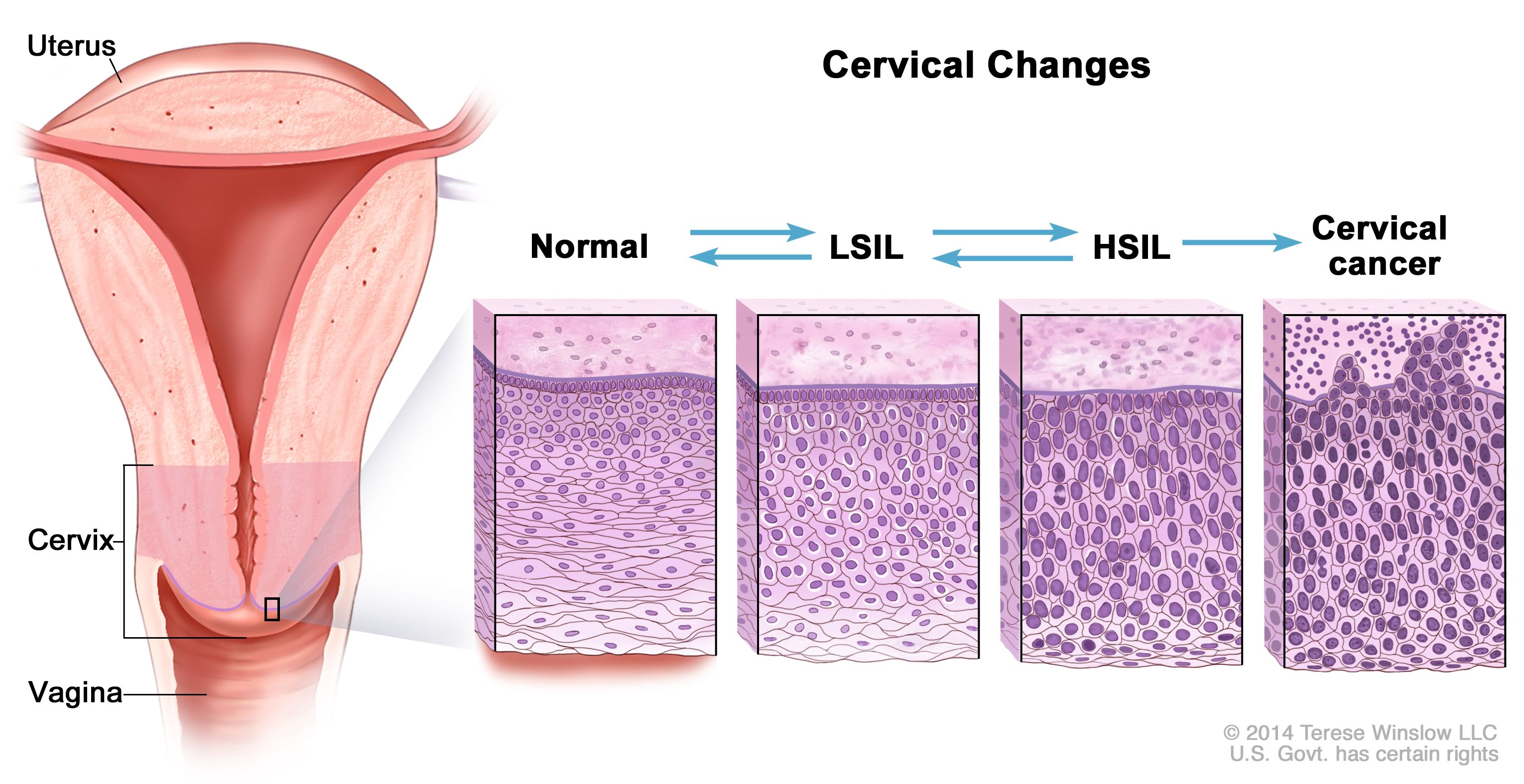
In the current tech ecosystem, an abnormal Pap smear is rarely interpreted in isolation. It is frequently integrated with molecular diagnostic software that tracks Human Papillomavirus (HPV) DNA.
Molecular Diagnostic Tools
Modern labs use Polymerase Chain Reaction (PCR) technology—the same tech used in high-end forensic and viral testing—to identify the genetic footprint of high-risk HPV strains. The software used in PCR machines amplifies viral DNA, allowing for the detection of the virus even in minute quantities. In this context, an “abnormal” Pap smear result combined with a positive HPV DNA test provides a much more comprehensive “risk profile” than the old-school manual method ever could.
Bioinformatics and Personalized Risk Profiles
Bioinformatics software now allows clinicians to synthesize various data points: cellular morphology, viral load, and even genetic predispositions. By processing these variables through predictive modeling software, healthcare providers can determine the clinical significance of an abnormal result. Instead of a binary “normal/abnormal” outcome, technology provides a nuanced spectrum of risk, allowing for personalized follow-up schedules based on the patient’s digital health history.
Digital Security and Patient Data: Managing Results in the Cloud
When a patient receives an abnormal result, that data must be managed, stored, and transmitted securely. This brings the focus to the digital security and software infrastructure of the modern medical facility.
Cybersecurity in Health Informatics
The “meaning” of an abnormal result also involves its residency in an Electronic Health Record (EHR). Because diagnostic data is highly sensitive, cybersecurity protocols such as AES-256 encryption and multi-factor authentication are essential. An abnormal result triggers a series of automated workflows within the software—alerts to the patient portal, scheduling prompts for colposcopy, and secure data sharing with oncology specialists. The integrity of this “abnormal” data is protected by rigorous digital security standards, ensuring that a patient’s most private health information is shielded from breaches.
Interoperability and the Future of EHR
The tech industry is pushing for greater interoperability—the ability for different software systems to talk to one another. For a patient with an abnormal result, this means their data can travel seamlessly from the diagnostic lab to the specialist’s office. Cloud-based platforms allow for the aggregation of longitudinal data, where software can track the progression or regression of abnormalities over several years, providing a “movie” of the patient’s health rather than a single “snapshot.”
Emerging Trends: The Future of At-Home Screening and AI-Integrated Apps
The definition of an abnormal result is moving out of the lab and into the hands of the consumer, driven by the rise of “MedTech” apps and at-home diagnostic kits.
Telehealth Integration and Diagnostic Apps
New startups are developing software-enabled at-home collection kits. These kits are linked to mobile apps that use encrypted interfaces to deliver results. If a kit indicates an “abnormal” result, the app’s logic can immediately facilitate a telehealth consultation. This integration of hardware (the collection kit) and software (the app interface) is lowering the barrier to entry for screening and ensuring that “abnormal” results are met with immediate, tech-facilitated action.
The Ethical Landscape of Tech-Driven Healthcare
As we rely more on AI to tell us what an abnormal result means, the tech industry faces new ethical questions. Algorithm bias and the “black box” nature of some AI decisions require transparent software development. Engineers are working on “Explainable AI” (XAI) in the medical field, ensuring that when an algorithm flags a smear as abnormal, it can also provide a digital “justification” or heat map showing the specific areas of concern. This ensures that technology remains a tool for human empowerment rather than a replacement for clinical judgment.
In conclusion, an abnormal pap smear in the current age is much more than a medical observation; it is a sophisticated output of a massive technological engine. From the AI that scans the cells to the secure cloud networks that store the findings, technology has redefined diagnostic accuracy. For the patient, this means that an “abnormal” result is no longer an ambiguous cause for fear, but a precise, data-backed starting point for a proactive, tech-enabled healthcare journey. As software continues to evolve, our ability to interpret these results will only become more refined, moving us closer to a future where cervical cancer can be identified and treated long before it ever becomes a threat.
aViewFromTheCave is a participant in the Amazon Services LLC Associates Program, an affiliate advertising program designed to provide a means for sites to earn advertising fees by advertising and linking to Amazon.com. Amazon, the Amazon logo, AmazonSupply, and the AmazonSupply logo are trademarks of Amazon.com, Inc. or its affiliates. As an Amazon Associate we earn affiliate commissions from qualifying purchases.