
In the realm of professional services, the visual identity of a practitioner serves as the first point of contact between a brand and its audience. For psychiatrists, whose “product” is trust, emotional safety, and clinical expertise, the question of “what to wear” transcends simple fashion. It is a calculated component of personal branding and corporate identity. In a field where the “product” is intangible, the practitioner’s attire becomes a tangible representation of their brand values.
The evolution of psychiatric attire reflects a broader shift in brand strategy within the healthcare sector—moving away from sterile, institutional authority toward a more nuanced, empathetic, and patient-centric identity. Understanding what psychiatrists wear requires an analysis of how visual cues influence perceived brand equity and the therapeutic alliance.

The Psychology of Professional Presentation: Building Trust Through Visual Identity
The core of any successful brand is trust. In psychiatry, this trust is fragile and must be established before a single word is spoken. The choice of attire functions as a non-verbal “elevator pitch,” communicating the psychiatrist’s professional standing and their approach to care.
The “White Coat” vs. Casual Continuum
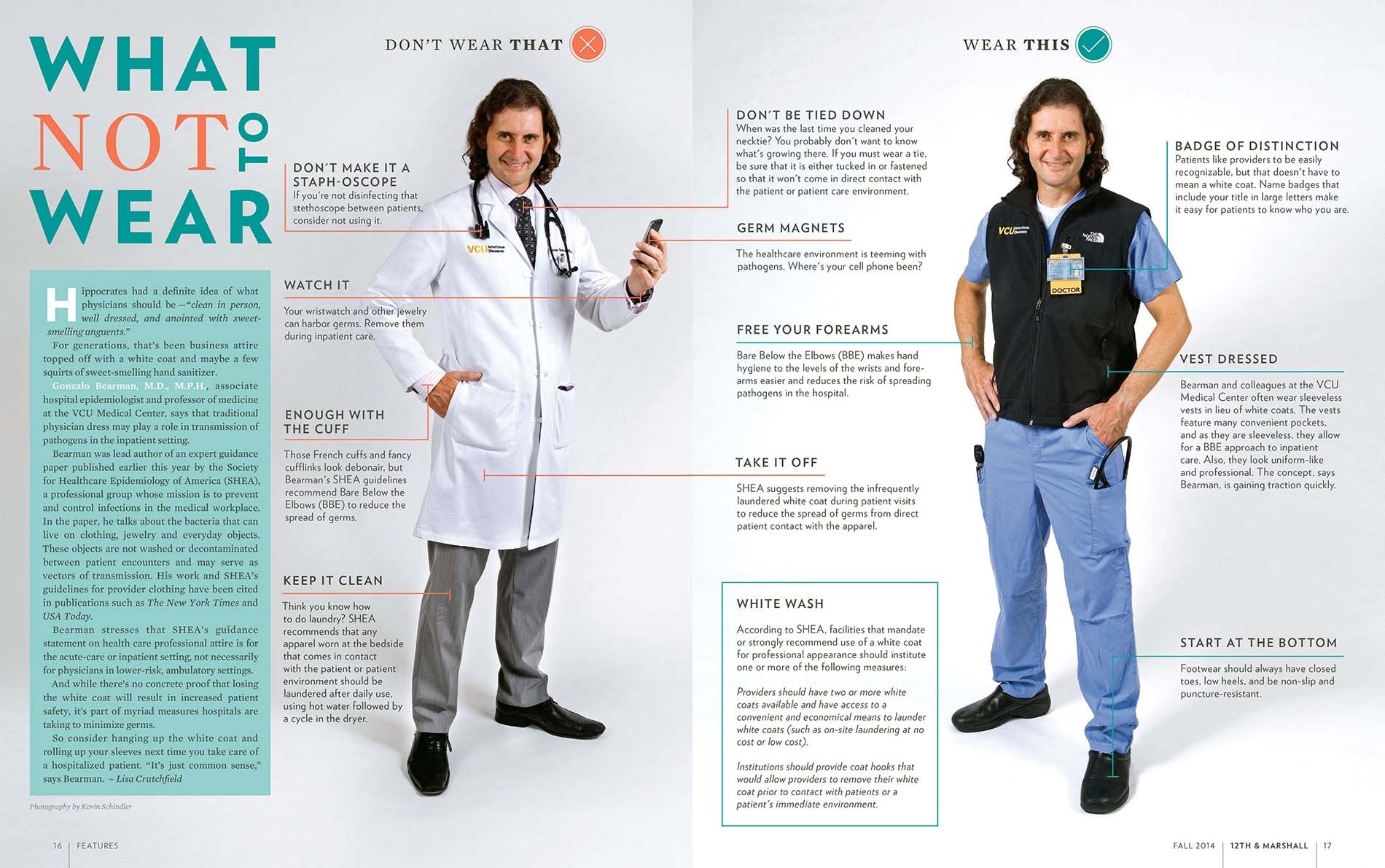
Historically, the white laboratory coat was the cornerstone of the medical brand. It signaled scientific rigor, cleanliness, and authority. However, in psychiatric branding, the white coat has largely been phased out due to “White Coat Hypertension” and the perceived power imbalance it creates. From a brand strategy perspective, the white coat can be “too loud,” creating a barrier that prevents the brand (the doctor) from connecting with the consumer (the patient).
Modern psychiatrists often opt for “Business Casual” or “Soft Professional” styles. This shift is a strategic move to position the brand as accessible and relatable. By removing the literal and metaphorical barrier of the lab coat, the psychiatrist rebrands the clinical encounter as a collaborative partnership rather than a top-down instruction.
Signaling Authority Without Creating Barriers
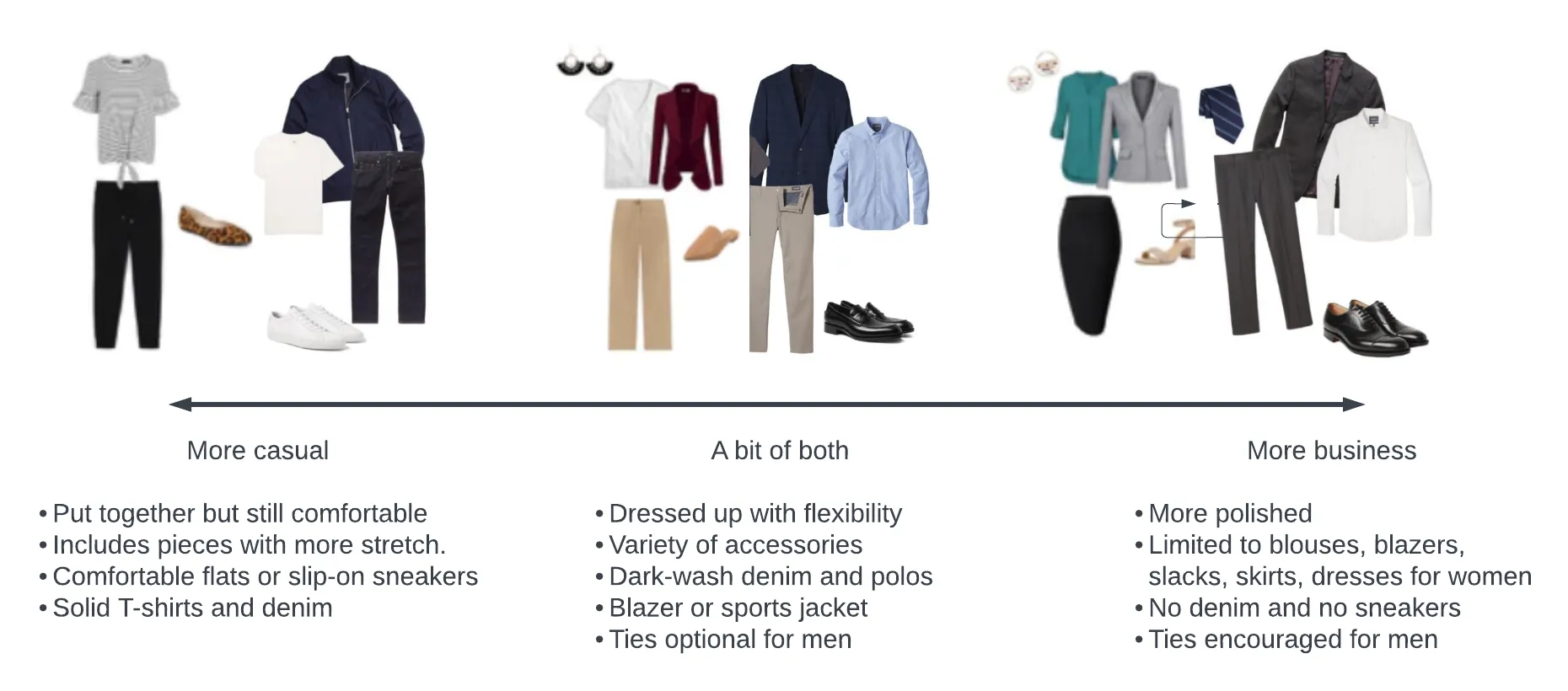
While accessibility is key, a psychiatrist’s brand must still command respect. If the attire is too casual—such as jeans or t-shirts—it may inadvertently signal a lack of professionalism or attention to detail, devaluing the brand’s perceived expertise.
The “Sweet Spot” in psychiatric branding usually involves high-quality fabrics, muted tones, and tailored silhouettes. This communicates a brand that is disciplined, stable, and sophisticated. It tells the patient: “I am professional enough to handle your crisis, but human enough to understand your pain.” This balance is essential for maintaining a high-value personal brand in a competitive medical landscape.
Crafting a Personal Brand in Mental Health
Personal branding is the practice of people marketing themselves and their careers as brands. For a psychiatrist, their attire is a primary brand asset. It helps define their niche and attracts the specific demographic of patients they are best suited to serve.
Consistency as a Brand Pillar
In branding, consistency is the key to recognition and reliability. A psychiatrist who wears a sharp blazer one day and a hoodie the next creates brand confusion. Consistency in attire fosters a sense of predictability, which is psychologically comforting to patients dealing with instability.
When a psychiatrist develops a “signature look”—perhaps a specific color palette or a preference for structured knitwear—they are reinforcing their brand identity. This consistency minimizes the “cognitive load” for the patient, allowing them to focus entirely on the therapeutic process rather than wondering which version of their doctor will show up today.
Tailoring Your Look to Your Patient Demographic
Effective marketing requires knowing your audience. A psychiatrist specializing in high-stakes corporate coaching or “Boutique Concierge Psychiatry” will adopt a different brand aesthetic than one working in a pediatric clinic or a community outreach center.
- The Corporate/Executive Brand: Psychiatrists catering to high-net-worth individuals often wear formal business attire. This aligns their brand with the world of their clients, signaling that they understand the pressures of high-level professional environments.
- The Pediatric/Adolescent Brand: Those working with children often incorporate more color, approachable textures (like corduroy or soft wool), and perhaps less formal structures. This brand strategy aims to reduce fear and foster a sense of playfulness and safety.
By aligning their visual identity with the expectations and comfort levels of their target market, psychiatrists enhance their brand resonance and patient retention.
Non-Verbal Communication and the Corporate Identity of Clinics
When psychiatrists work within a larger group practice or hospital system, their attire contributes to the “Corporate Identity.” This is the “persona” of a corporation which is designed to accord with and facilitate the attainment of business objectives.
Unified Aesthetics in Multi-Clinician Practices
Large psychiatric groups often implement dress codes to ensure that the “brand experience” is uniform across the organization. This doesn’t necessarily mean uniforms, but rather a “Brand Style Guide” for employees. When every practitioner in a clinic adheres to a high standard of professional dress, it elevates the entire institution’s brand. It signals that the organization is cohesive, well-managed, and committed to a certain standard of excellence.
The Impact of Color Theory on Patient Experience
Color is a powerful tool in brand design. Psychiatrists often subconsciously or consciously use color theory to influence the “Brand Atmosphere” of their office.
- Blues and Greens: Often chosen for their calming, trustworthy associations. They reinforce a brand identity of serenity and healing.
- Earth Tones: Suggest groundedness, reliability, and warmth.
- Neutrals (Grey, Navy, Black): Communicate sophistication, neutrality, and professional distance.
Avoiding overly bright or “aggressive” colors (like neon reds or oranges) is a strategic brand choice to prevent overstimulating patients who may be in a state of sensory or emotional heightened awareness.
The Modern Shift: Digital Branding and Telehealth Wardrobes
The rise of teletherapy has introduced a new frontier for psychiatric branding. The “Brand Touchpoint” has moved from a physical office to a digital screen, requiring a pivot in how professional identity is communicated.
Adapting Brand Identity for the Small Screen
In a telehealth setting, the psychiatrist’s brand is compressed into a small rectangular box. This means that the “Upper-Body Brand” becomes the primary focus. Detailed patterns can often “vibrate” on camera (the moiré effect), which can be distracting and unprofessional. Consequently, modern psychiatric branding for the digital age favors solid, high-contrast colors that make the practitioner stand out against their background.
The background itself becomes part of the “Brand Environment.” A cluttered room devalues the brand, while a curated, minimalist space reinforces the brand’s commitment to clarity and focus.
Professionalism in the Age of Remote Consultation
One of the biggest challenges in digital branding is the “Relaxation Effect.” Because the practitioner is at home, there is a temptation to dress down. However, top-tier psychiatric brands maintain their visual standards regardless of the medium. Wearing professional attire during a video call is a “Brand Promise” to the patient that the quality of care remains identical to an in-person visit. It signals that the psychiatrist respects the clinical space, even if that space is virtual.
Conclusion: The ROI of Strategic Attire
What a psychiatrist wears is far more than a personal preference; it is a strategic investment in their brand’s marketability and clinical efficacy. By carefully selecting attire that balances authority with empathy, consistency with adaptability, and tradition with modern digital needs, psychiatrists can significantly enhance their professional brand.
In the competitive landscape of modern healthcare, a strong personal brand acts as a differentiator. It builds “Brand Loyalty” among patients and establishes a “Corporate Identity” that resonates with professionalism. Ultimately, the clothes a psychiatrist chooses are a vital tool in their clinical kit—a visual bridge that facilitates the path toward healing, trust, and long-term therapeutic success. Professional presentation isn’t just about looking good; it’s about the strategic communication of value in the most human of all industries.
aViewFromTheCave is a participant in the Amazon Services LLC Associates Program, an affiliate advertising program designed to provide a means for sites to earn advertising fees by advertising and linking to Amazon.com. Amazon, the Amazon logo, AmazonSupply, and the AmazonSupply logo are trademarks of Amazon.com, Inc. or its affiliates. As an Amazon Associate we earn affiliate commissions from qualifying purchases.